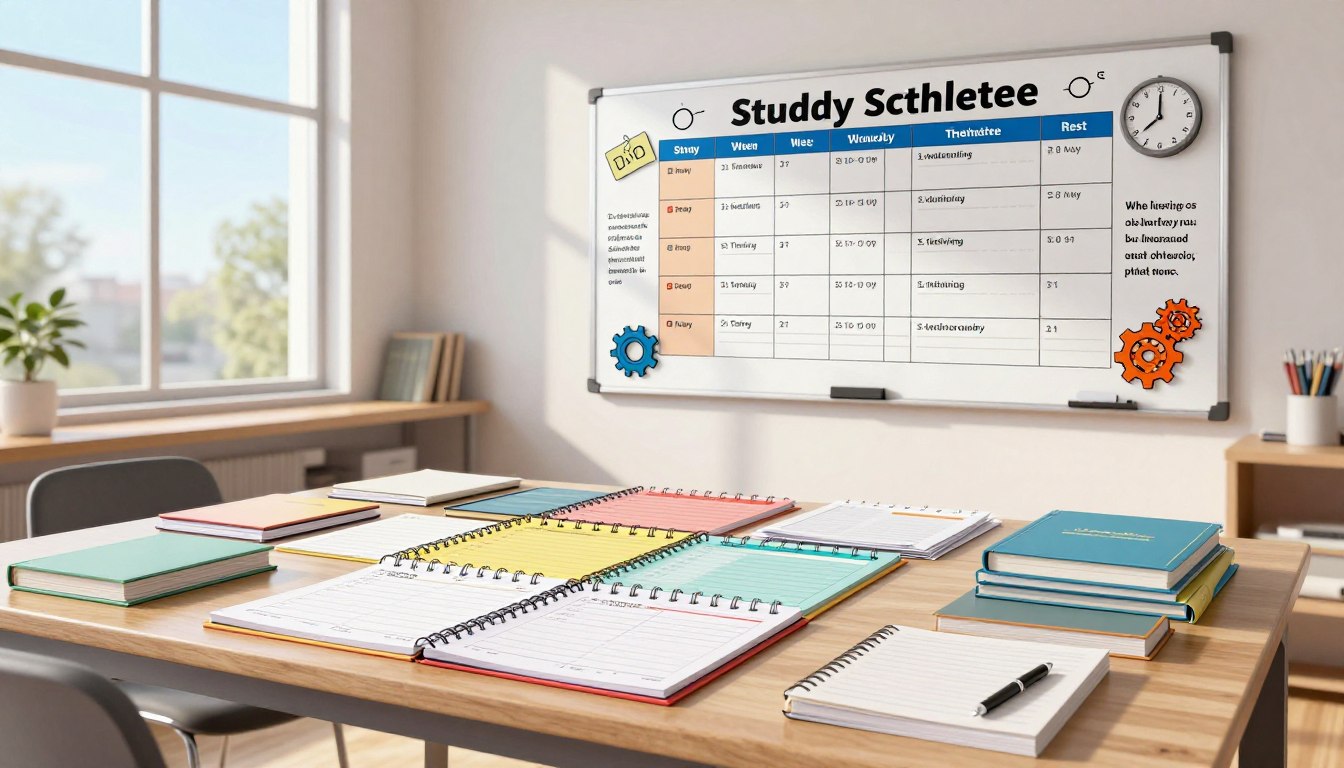
As Cal Newport once said, “To succeed in a distracting world, you must be able to focus.” This resonates with students who struggle to maintain concentration in a noisy household.
Studying in a noisy household can be challenging, but there are practical strategies to help you stay focused. Understanding the impact of noise and implementing effective tools can minimize distractions and improve your academic performance.
Key Takeaways
- Understand the impact of noise on your study sessions.
- Discover practical strategies for managing noise.
- Learn how to utilize tools to enhance your focus.
- Develop a personalized approach to maintaining concentration.
- Explore the benefits of using Education AI Tools like FlowScholar.
Understanding the Impact of Noise on Learning
Understanding how noise affects learning is essential for developing effective strategies to improve concentration and retention. Noise can significantly impact an individual’s ability to focus, thereby influencing their learning outcomes.
How Noise Affects Concentration and Retention
Noise can be a significant distraction, affecting how individuals concentrate and retain information. Research indicates that excessive noise can lead to decreased productivity and increased errors in learning activities. The impact of noise on concentration varies among individuals, depending on factors such as the type of noise and personal tolerance levels.
| Noise Type | Effect on Concentration | Effect on Retention |
|---|---|---|
| Background chatter | Decreases focus | Reduces retention |
| White noise | Increases focus for some | Improves retention for some |
| Construction noise | Significantly decreases focus | Negatively impacts retention |
Identifying Your Personal Noise Tolerance
Individual noise tolerance varies significantly based on factors including personality type, learning style, and neurological differences. Conducting a personal noise assessment can help identify which specific sounds disrupt concentration and which can be effectively tuned out. Some learners benefit from certain background sounds, finding complete silence distracting.
Tracking productivity and retention rates under different noise conditions can help identify the optimal study environment. Understanding personal noise triggers allows for the development of targeted strategies to enhance focus and retention.
Creating a Sound-Managed Study Environment
Creating an effective study environment is crucial for productivity. One key aspect is managing the sound around you.
Noise-Cancelling Headphones and Earplugs
Noise-cancelling headphones are a valuable tool for blocking out distracting sounds. When choosing headphones, consider models that are known for their noise-cancelling capabilities. Some of the best brands offer advanced technology to minimize background noise.
Setting Up Sound Barriers in Your Space
In addition to using noise-cancelling headphones, setting up sound barriers in your study space can help. This can be as simple as rearranging your furniture or using objects to block the path of distracting sounds.
White Noise and Background Sound Solutions
White noise is another effective way to manage background sounds. It works by creating a consistent sound that masks other noises. You can find white noise apps or machines online that generate this sound. Alternatively, playing relaxing music or nature sounds can also help create a positive learning environment.
Try our white noise app for a more focused study session:
How to Study When Your House Is Loud: Focus Workarounds
Creating a conducive environment for studying at home is crucial, especially when surrounded by noise. To achieve academic success, it’s essential to implement effective focus workarounds.
Adapting Your Study Schedule Around Noise Patterns
One strategy is to adapt your study schedule around the noise patterns in your home. Identify the times when your house is quietest and schedule your most challenging study sessions during those periods. For instance, early morning or late evening hours are often less noisy. By aligning your study schedule with the household noise levels, you can minimize distractions and maximize focus.
Additionally, breaking your study sessions into shorter intervals with scheduled breaks can help you stay focused. This technique, known as the Pomodoro Technique, involves studying for 25 minutes followed by a 5-minute break. It can be particularly effective in managing distractions and maintaining productivity in a noisy environment.
Finding Alternative Study Locations at Home
If certain areas of your home are quieter than others, consider utilizing those spaces for studying. A corner of your backyard or a bench under a tree can be an ideal spot. You can equip these areas with comfortable seating and necessary study materials to create a conducive study environment. Consistency in using a particular learning zone can facilitate retention and motivation.
Moreover, creating a visual signal like a door sign or a colored light can indicate to your family members when you are studying and prefer less noise. This non-verbal communication can help minimize distractions and ensure a more focused study session.
Communicating Boundaries with Family Members
Effective communication with your family members is key to managing noise levels during study sessions. Conducting a family meeting to explain your study needs and the importance of a quiet environment can foster understanding and cooperation. You can also establish designated quiet hours that work for everyone, ensuring mutual respect and clear expectations.
Expressing appreciation for your family’s cooperation and acknowledging the challenges of noise reduction can go a long way in maintaining a positive and supportive home environment. By working together, you can create a study-friendly space that benefits everyone.
Concentration Techniques for Noisy Environments
Studying or working in a noisy environment can be challenging, but there are several techniques that can help improve concentration. By employing the right strategies, individuals can enhance their ability to focus and maintain productivity.
Active Reading and Note-Taking Strategies
Engaging actively with the material being studied is crucial. This involves taking detailed notes and summarizing key points to enhance understanding and retention. By doing so, individuals can better grasp the information and stay focused despite the background noise.
For instance, using a technique like the Cornell Notes system can help in organizing notes and reviewing material efficiently. Learn how to concentrate while there are background.
Mindfulness and Focused Attention Exercises
Practicing mindfulness can significantly improve one’s ability to concentrate. Techniques such as meditation and deep breathing exercises can help individuals develop the skill to focus on the task at hand, reducing the impact of background noise.
Mindfulness exercises can be as simple as paying attention to one’s breath or engaging in a body scan meditation. Regular practice can lead to improved concentration and reduced stress levels.
The Pomodoro Technique for Noisy Settings
The Pomodoro Technique involves working in focused 25-minute increments, followed by a 5-minute break. This technique can be particularly effective in noisy environments by helping individuals stay focused during work intervals and relax during breaks.
To adapt this technique to noisy settings, one can adjust the work and break intervals according to the noise levels. For example, shorter work sessions during particularly noisy periods can help maintain productivity.
Digital Tools to Enhance Focus in Noisy Environments
With the plethora of digital tools available, students can now better manage their study sessions even in loud environments. By leveraging these tools, learners can significantly improve their focus and productivity.
FlowScholar: AI-Powered Study Assistant
FlowScholar is an innovative AI-powered study assistant designed to help students maintain focus and enhance their learning efficiency, even in distracting environments. This tool offers personalized study plans and real-time assistance, making it an invaluable resource for students.

Focus Apps and Study Timers
Focus apps and study timers are essential tools for maintaining concentration. Applications like Forest and Pomofocus help students stay on track by gamifying their study sessions, while timers assist in managing study breaks effectively.
Digital Organization Tools for Distracted Learners
Digital organization tools play a crucial role in helping students manage their study materials and reduce cognitive load. Some of the key tools include:
- Digital Note-taking Platforms: Tools like Notion, Evernote, and OneNote provide centralized information management, reducing the cognitive load of staying organized while dealing with noise distractions.
- Task Management Applications: Apps with priority flagging help maintain focus on critical assignments when noise makes it difficult to concentrate on all tasks equally.
- Cloud-based Study Materials: Ensuring access to important resources from anywhere, cloud storage allows students to quickly relocate to quieter areas without losing their study materials.
- Digital Flashcard Systems: With spaced repetition algorithms, these systems optimize memory formation even during shorter focus periods between noise disruptions.
- Mind Mapping Software: Creating visual organization of complex information, mind mapping tools can be easier to process when auditory processing is compromised by background noise.
- Text-to-Speech Tools: Allowing students to absorb information through controlled auditory channels, these tools are particularly useful when visual concentration is repeatedly broken by household distractions.
- Synchronized Bookmark Managers: Ensuring that students never lose their place in digital reading materials, these managers are invaluable during unexpected breaks caused by noise disruptions.
Physical and Mental Preparation for Focused Study
The ability to concentrate in a noisy environment is significantly enhanced by proper physical and mental preparation. When the house is loud, being prepared can make all the difference in achieving study goals. This involves a combination of getting adequate rest, maintaining a healthy lifestyle, and employing strategies to manage stress and improve mental clarity.
Sleep and Nutrition’s Role in Noise Resilience
Being sleep deprived is detrimental to concentration and makes one more sensitive to background noises. Adults require 7-9 hours of sleep, while teenagers need 8-10 hours. A good night’s sleep helps in focusing better and reduces stress related to studying. Nutrition also plays a crucial role; a balanced diet supports cognitive function and overall well-being, enabling students to work more effectively in challenging environments.

Physical Exercise to Improve Concentration
Regular physical exercise is known to improve concentration and cognitive function. Engaging in physical activity enhances blood flow to the brain, boosting alertness and reducing problems associated with noisy study sessions. Incorporating exercise into one’s daily routine can significantly improve one’s ability to focus.
Stress Management Techniques for Noisy Study Sessions
Several techniques can help manage stress during noisy study sessions. These include progressive muscle relaxation, brief visualization exercises, and cognitive reframing strategies. For instance, learning how to improve concentration through mindfulness can be particularly beneficial. By employing these strategies, students can better cope with the challenges of studying in a noisy environment.
Adapting Your Study Methods to Overcome Noise
Overcoming the challenges of a noisy study environment involves modifying your learning techniques to suit the conditions. By adapting your study methods, you can improve your ability to focus and retain information despite the distractions around you.
Task Switching: When to Do What Based on Noise Levels
Task switching is a valuable strategy when studying in a noisy environment. By adjusting your study activities according to the noise levels, you can optimize your learning. For instance, during periods of high noise, focus on tasks that don’t require intense concentration, such as reviewing notes or organizing your study materials. Conversely, when the noise level drops, dedicate that time to more demanding tasks like problem-solving or writing essays. This strategic task switching helps in maintaining productivity and reducing the impact of noise on your study session.
| Noise Level | Study Activity | Benefits |
|---|---|---|
| High | Reviewing notes, organizing materials | Maintains productivity, reduces stress |
| Low | Problem-solving, writing essays | Enhances focus, improves quality of work |
Multi-Sensory Learning to Combat Auditory Distractions
Multi-sensory learning techniques are particularly effective in combating auditory distractions. By engaging multiple senses, you can create a richer learning experience that is more resilient to noise. Techniques include using visual aids like diagrams and mind maps, incorporating kinesthetic activities such as writing or drawing, and leveraging digital tools that combine visual, auditory, and interactive elements. For example, teaching concepts aloud to yourself or creating physical movements associated with key concepts can enhance memory retention and understanding. As noted in a study on learning strategies, interactive learning techniques are especially useful in distracting environments, promoting active engagement with the material.
- Engage multiple neural pathways through visual, auditory, and kinesthetic activities.
- Create spatial memory associations using visual learning strategies like mind maps and diagrams.
- Utilize digital tools that offer immersive learning experiences, combining visual, auditory, and interactive elements.
Conclusion: Building Long-Term Noise Resilience
Building long-term noise resilience requires a multifaceted approach that incorporates various strategies and tools. By consistently applying the techniques outlined in this guide, individuals can strengthen their ability to focus in noisy environments. The combination of physical tools like noise-cancelling headphones, environmental modifications, and digital assistants such as FlowScholar creates a comprehensive framework for managing noise.
Different strategies work for different people and situations, encouraging an experimental mindset that leads to personalized solutions. For instance, some students may find that using white noise or music helps them focus, while others may prefer silence. By recognizing what works best for them, individuals can create a supportive home culture around their study needs, fostering academic success despite household activities.
Regular assessment and adjustment of noise management strategies ensure they evolve alongside changing household dynamics and personal development. FlowScholar provides ongoing support through its adaptive learning platform, helping individuals build long-term study skills and noise resilience regardless of their environment. As research suggests, developing these skills can translate directly to workplace resilience, making this not just an academic challenge but preparation for professional success.
With consistent practice, many students can train their brains to filter out predictable background noise, transforming what was once disruptive into merely ambient sound. By leveraging these techniques and tools, individuals can create a place of focus, whether at home or in a library, and achieve their learning goals.
## FAQ
### Q: What are some effective ways to study when there’s a lot of noise at home?
A: Using noise-cancelling headphones, creating a quiet space, and adapting your study schedule around noise patterns can be helpful.
### Q: How can I minimize distractions caused by family members?
A: Communicating your study schedule and boundaries with family members, and finding alternative study locations at home can help minimize distractions.
### Q: Are there any digital tools that can enhance focus in noisy environments?
A: Yes, there are various digital tools available, such as FlowScholar, Focus Apps, and Study Timers, that can help you stay focused.
### Q: How can I improve my concentration in noisy environments?
A: Techniques like Active Reading, Note-Taking, Mindfulness, and the Pomodoro Technique can help improve concentration.
### Q: What role does sleep and nutrition play in noise resilience?
A: Adequate sleep and proper nutrition are essential for building resilience to noise and improving focus.
### Q: Can physical exercise help improve concentration in noisy environments?
A: Yes, regular physical exercise can improve concentration and help you stay focused.
### Q: How can I adapt my study methods to overcome noise?
A: Techniques like Task Switching and Multi-Sensory Learning can help you adapt to noisy environments.