“Education is the most powerful weapon which you can use to change the world.” — Nelson Mandela.
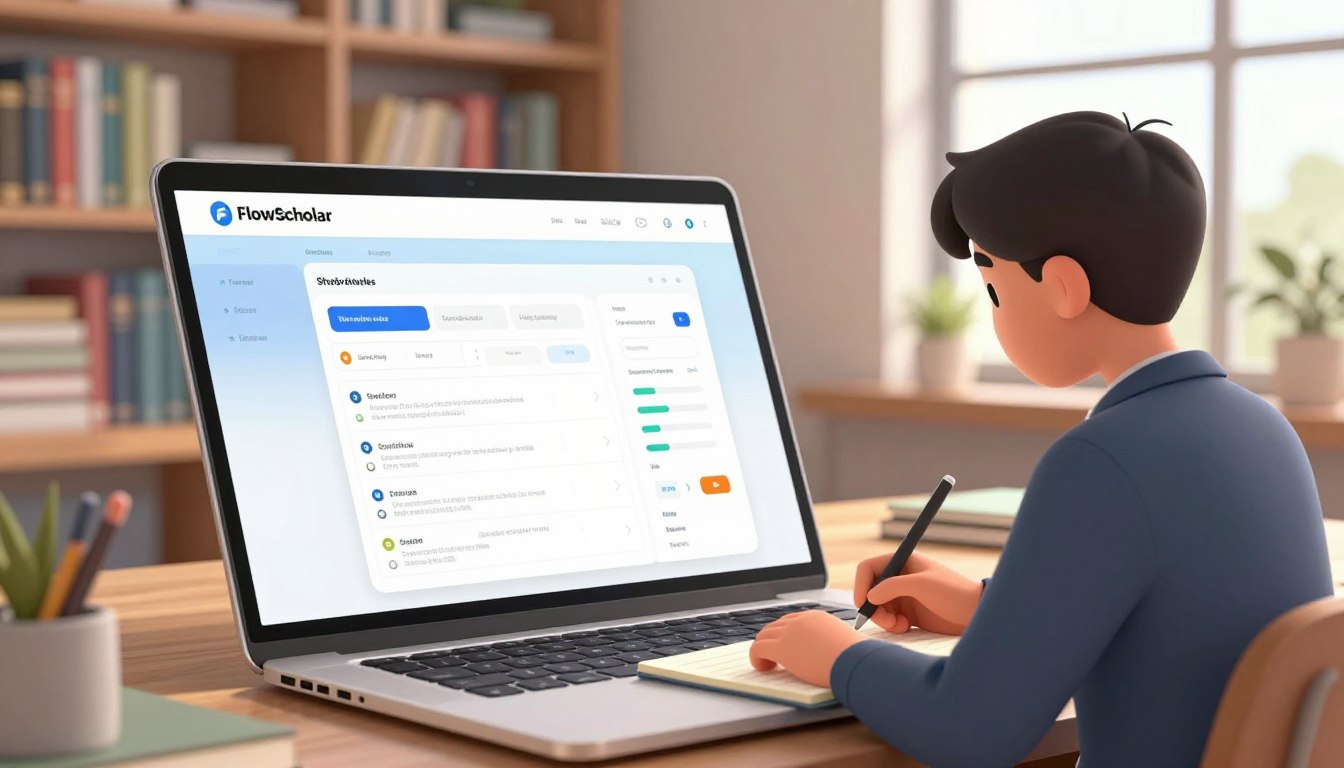
FlowScholar.com combines AI-driven resources and practical guidance to help families manage nightly academic demands. The platform acts as a clear guide that simplifies complex steps and offers direct answers to common questions.
The service is designed for parents and kids who want a smarter approach to learning. By offering an intelligent helper, FlowScholar reshapes how a child engages with assignments and long-term goals.
Every family gains a dependable resource that clarifies work, points to next steps, and delivers timely answers. We position the platform as a mentor-like assistant that makes each study session more efficient and less stressful.
Key Takeaways
- FlowScholar offers AI-powered guidance to streamline nightly academic routines.
- The platform serves as a practical helper that clarifies steps and answers questions.
- Families can reduce friction in learning and improve how kids approach assignments.
- Clear, concise guidance makes it easier to track progress and tackle complex work.
- FlowScholar acts as a trusted guide that fosters confident learning at home.
Understanding the Need for Homework Support
Many families find evening study time turns into a scramble rather than a calm learning routine. This strain often stems from unclear expectations, limited time, and gaps in study skills that children must build.
Structured guidance helps. A consolidated guide — such as the Parent Homework Helper with over 40 pages of tips, contracts, and checklists — gives families a clear way to manage nightly assignments. Teachers frequently recommend a consistent helper system to keep kids on track with school work.
Interactive activities make a big difference. Programs like Khan Academy Kids add playful, bite-sized lessons in math, reading, and writing that encourage learning for young children. Integrating these activities lifts motivation and teaches essential skills.
Finding balance matters: family routines, academic demands, and time constraints all compete. Our guide provides practical answers to common questions and outlines a doable way to reduce problems and build lasting study habits for children and families.
For a practical example of interactive content that eases nightly tasks, explore Khan Academy’s approach.
Key Features to Look for in a Parent Support Homework Review Tool
Organized tracking turns scattered tasks into a clear plan the whole family can follow. Look for systems that let families create, assign, and monitor assignments on a shared calendar. That visibility reduces missed deadlines and saves time.
Essential Tracking Capabilities
Robust tracking includes due dates, progress status, and simple notifications. Platforms like Family Tools Homework let users assign tasks and keep everyone aligned. These features help students break larger projects into manageable steps.
Integration with School Curricula
Direct links to classroom workflows matter. Google Classroom connects teachers, students, and parents so assignments and projects stay synced. For a practical reference, see this family assignment guide.
- Look for: clear answers to academic questions and step-by-step problem solving.
- Value: options that let families share ideas with teachers and others.
- Outcome: fewer problems at night and stronger skills for kids and students.
How FlowScholar Enhances the Learning Process
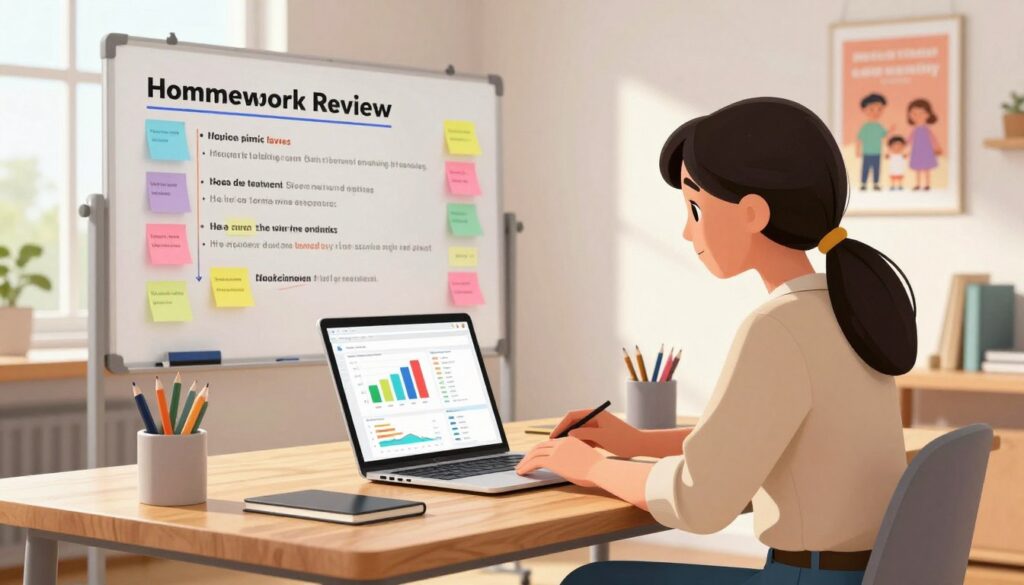
FlowScholar uses AI to shape learning paths that match each student’s actual grade and needs. The platform adapts lessons so a child advances in math, science, and writing at a comfortable pace.
Personalized Learning Paths
Each path breaks larger assignments into clear steps. Families see progress markers and suggested activities that build lasting skills.
Progress Tracking for Families
The app gives parents concise updates on study sessions and project milestones. That visibility helps keep daily sessions productive and aligned with the right level.
- Adaptive content: lessons change based on performance and time on task.
- Skill-building activities: focused practice for reading, math, and science.
- Long-term growth: a sequence of steps that fosters a genuine love of learning.
“Personalized learning turns routine assignments into meaningful progress.”
Evaluating Digital Organization and Planning Apps
Digital planning options range from note-focused notebooks to full scheduling platforms that sync across devices. Choosing the right mix helps a family manage study sessions and long-term projects with less friction.
Digital Notebooks for Older Students
Microsoft OneNote gives older students a flexible space to store notes, drafts, and project outlines. It works well for complex projects in math and writing.
Task Management Platforms
My Study Life syncs schedules and keeps exam dates and assignments in one place. Students who need consistent scheduling find this app reduces missed deadlines.
Parental Control and Monitoring
Family Time App offers screen limits and scheduled focus periods so kids stay on task during study time. It’s a practical option for families juggling activities and extracurriculars.
- Organized space: notebooks centralize notes and resources for each grade or subject.
- Reliable schedule: apps keep projects and exams visible across devices.
- Focused sessions: monitoring apps limit distractions and protect study blocks.
“Good digital systems reduce friction and make steady progress feel achievable.”
Strategies for Building a Consistent Homework Routine
Consistency in after-school habits creates a clear path from assignment to accomplishment. Start with a simple plan: pick a reliable time and a quiet place for study. Keep sessions short and focused so kids stay engaged.
Co-create a compact contract with the student. A brief agreement sets expectations and fosters responsibility. Use a checklist to turn vague tasks into clear steps.
Combine analog systems with an app that tracks progress. Digital reminders reduce missed deadlines and make the process visible to the whole family.
Keep routines flexible. If a study block fails, adjust the schedule rather than abandoning it. Small, steady wins build lasting skills and lower stress.
- Routine: set time, place, and a short checklist.
- Contract: involve the student to increase ownership.
- Progress: use simple apps and periodic check-ins.
| Routine Element | Benefit | Example |
|---|---|---|
| Set Time | Predictability reduces resistance | 4:30–5:00 PM study block |
| Checklist | Clear steps for each assignment | Read, draft, review, submit |
| Contract | Student ownership and accountability | Signed weekly agreement |
| Digital Sync | Visible progress for family | Use an app or online calendar |
For practical examples of gentle routines, see this gentle routines guide. To explore AI-driven curriculum options that help structure study time, try this AI curriculum builders.
“Small, consistent steps beat occasional marathon sessions.”
Balancing Technology with Family Time
Balancing devices and downtime starts with a dedicated learning space and intentional family rituals.
Designate clear hours for study and for togetherness. Create a quiet space where homework gets done. Then keep evenings for conversation, play, or shared meals.
Use tech to enhance learning, not to replace it. Schedule short study sessions and follow each with a screen-free family activity. This protects kids’ focus and strengthens bonds.
Teach a child basic digital management skills: set timers, close tabs, and pause notifications. Small routines build lasting skills and make academic work more efficient.
When families find balance, they create a calm home that values both achievement and presence. Try a simple pilot week and adjust as needed; consistency matters more than perfection.
| Screen Use | Family Activity | Benefit |
|---|---|---|
| Short study sessions | Shared dinner | Better focus and routine |
| Timed device limits | Board game or walk | Improved conversation |
| Dedicated learning space | Story or music time | Clear boundaries, less friction |
For families who want a scheduling companion, try a family scheduling app to keep study and family time visible and balanced.
“Clear boundaries let technology serve goals—without taking over the home.”
Conclusion
A clear closing plan helps families turn scattered tasks into steady progress. Finding the right tool is essential for simplifying daily routines and solving common problems in learning.
By using the ideas in this guide, parents can create a calm study flow so students build real skills. A reliable helper makes education less chaotic and more predictable.
Visit https://www.flowscholar.com to see how our tools provide the answer to your toughest questions. We hope this guide gave practical ideas to organize learning and boost results for every family.
FAQ
What is FlowScholar.com and how does it help families with assignments?
FlowScholar.com is a learning platform that helps families organize study time, track progress, and access curated lesson resources. It combines personalized study pathways with integration options for classroom curricula, so caregivers can monitor project milestones, support skills development in math and writing, and coordinate schedules without overwhelming household routines.
How does FlowScholar tailor learning paths to a student’s level?
The system evaluates current skills through quick diagnostics and teacher-aligned benchmarks. It then creates step-by-step plans that adjust difficulty and suggest targeted activities. That approach helps reinforce weak areas, accelerates strengths, and provides measurable progress markers for each grade and subject.
Can FlowScholar sync with a school’s curriculum or teacher assignments?
Yes. FlowScholar offers curriculum-aligned integrations that import assignments and lesson objectives from many common learning management systems. This ensures tasks, standards, and teacher notes stay consistent across home and school, reducing duplication and confusion.
What tracking features are essential for monitoring a child’s academic progress?
Important features include assignment timelines, completion status, skill mastery reports, and time-on-task analytics. FlowScholar presents this data in concise dashboards, making it easy to spot trends, identify gaps in subjects like science or writing, and plan focused study sessions.
How does FlowScholar handle organization for older students who use digital notebooks?
The platform supports digital notebooks and file attachments so older students can keep research, drafts, and notes in one place. It integrates with popular cloud services for version control and provides tagging and search tools to streamline study habits and project work.
What task management tools does FlowScholar provide for families?
FlowScholar includes assignment lists, calendar syncing, priority flags, and automated reminders. Families can assign roles, set due dates, and break large projects into manageable steps—helpful for balancing multiple classes, extracurriculars, and family time.
Are there options for monitoring without micromanaging?
FlowScholar emphasizes respectful oversight through summary reports and adjustable notification settings. Caregivers can choose how much detail to receive—from high-level progress summaries to daily activity logs—preserving student autonomy while maintaining appropriate guidance.
How does the platform support skills across subjects like math and writing?
The platform provides subject-specific practice modules, scaffolded exercises, and writing prompts with feedback rubrics. It links practice to learning objectives so skill-building is deliberate and measurable, and it offers suggestions for targeted activities that reinforce classroom lessons.
Can FlowScholar help establish consistent study routines at home?
Yes. The tool recommends schedules based on family availability, suggests session lengths appropriate for age and attention span, and delivers routines with built-in breaks and motivating milestones—helping students build sustainable study habits.
How does FlowScholar balance screen-based learning with family time?
FlowScholar supports offline activities and printable assignments, and it encourages time-blocking that reserves technology-free family periods. Settings allow limits on app usage during designated family hours to maintain healthy boundaries.
What privacy and parental control options are available?
The platform adheres to data privacy standards and provides role-based access controls. Caregivers can manage permissions, view activity logs, and configure what information is shared with teachers or external services—ensuring student data remains protected.
Is FlowScholar suitable for students with special learning needs?
FlowScholar includes differentiated pathways, accommodation settings, and extended-time options to support diverse learners. It works with educators to align individualized education program (IEP) goals and offers resources tailored to specific learning profiles.
What support resources are available for families using the platform?
The platform offers guided onboarding, help articles, short training sessions, and customer support channels. It also provides activity ideas and coaching tips to help caregivers reinforce lessons and foster independent study skills.
How does FlowScholar measure impact on academic outcomes?
FlowScholar tracks mastery rates, assignment completion, and time-on-task, then translates that data into clear progress reports. These insights help families and teachers make data-driven decisions and iterate study strategies for improved results.
Can multiple caregivers and teachers collaborate in the app?
Yes. The platform supports shared accounts and collaboration features so caregivers, tutors, and teachers can coordinate tasks, share feedback, and align on goals—creating a unified approach to a student’s learning plan.