“The best way to predict the future is to create it.” — Peter Drucker.
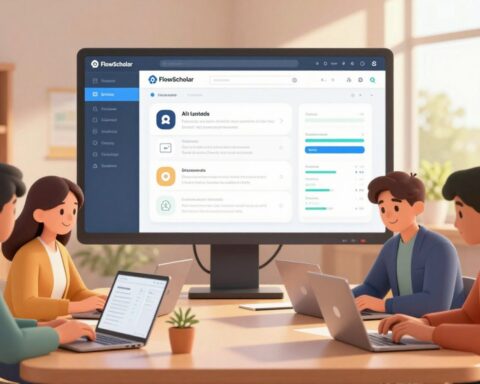
FlowScholar.com guides teachers through fast change with practical, research-backed ways to improve learning.
Dr. Michael Chen’s Stanford research shows artificial intelligence can boost student performance and speed up learning. More than five million educators now use ai-powered tools to save time and deliver better feedback.
FlowScholar offers content, assessments, and platforms that free teachers for meaningful work. The site helps build personalized learning plans, generate clear explanations, and produce data-driven insights that support each student.
Visit https://www.flowscholar.com to see how these resources help students learn, streamline admin tasks, and strengthen classroom practice.
Key Takeaways
- FlowScholar combines content and assessments to support personalized learning.
- Research at Stanford highlights gains in performance and learning speed.
- Over five million educators use ai-powered tools to streamline feedback.
- The platform saves teachers time and offers data-driven insights.
- FlowScholar helps students and teachers across multiple subjects and languages.
The Evolution of Modern Classrooms through Technology
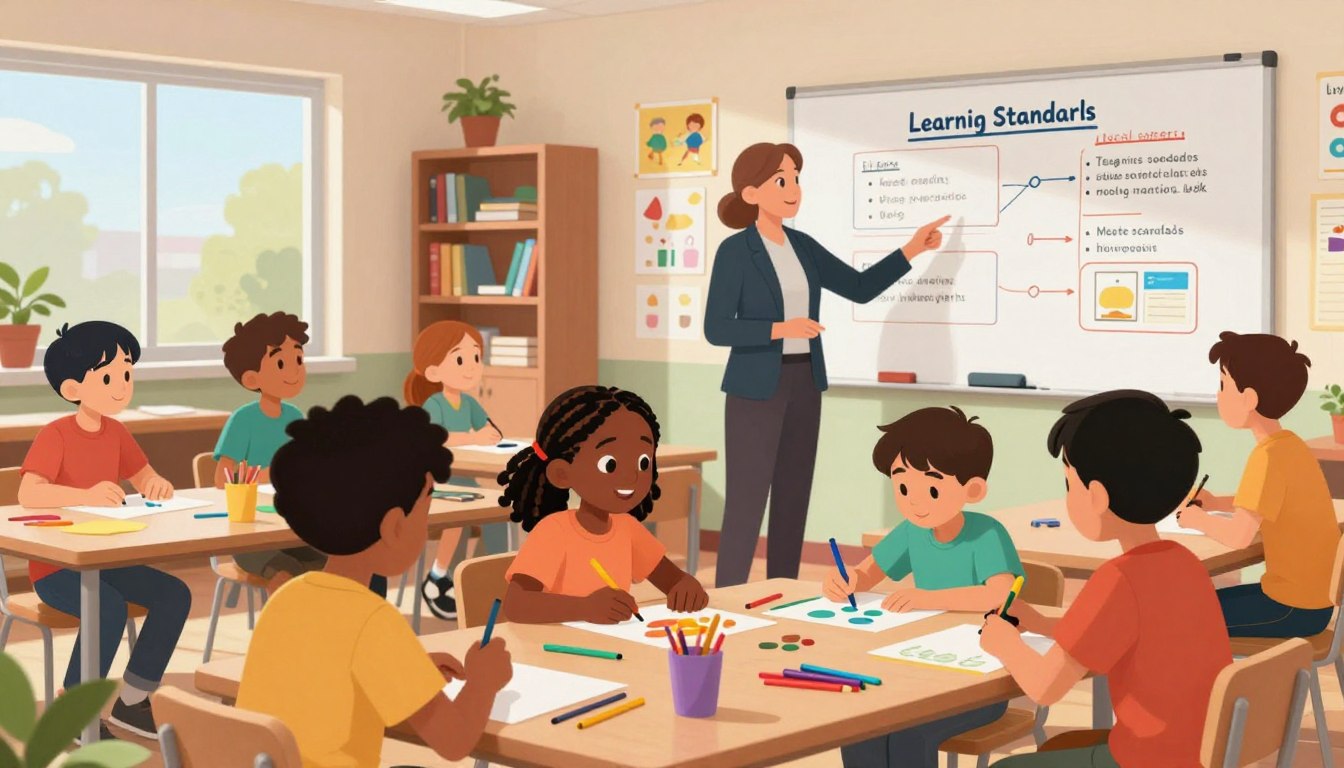
Modern classrooms now pair human mentoring with powerful systems to deepen student learning.
Over the past five years, schools have shifted from lecture-led routines to interactive spaces where technology supports teachers as facilitators. This change helps students take more agency in their learning and lets teachers focus on coaching, feedback, and the development of higher-order skills.
- Teachers acting as mentors while systems handle routine tasks, saving valuable time for instruction.
- Students learning how to use powerful resources responsibly and ethically as part of daily practice.
- More emphasis on writing, critical thinking, and real-world skills rather than rote drills.
- Professional training that equips teachers to integrate new approaches and improve student outcomes.
Research shows artificial intelligence amplifies—not replaces—human connection. By changing practice, we build classrooms where technology supports each student’s needs while preserving essential human relationships.
Core Benefits of Adopting an Education Innovation AI Tool
Simplifying preparation and grading reshapes how teachers spend their school day. Systems that automate routine work return time for instruction, mentoring, and meaningful feedback.
Improving teacher productivity
Teachers using AI-powered tools save about 60% of preparation time. That reduction frees hours each week for planning lessons, guiding projects, and offering one-on-one support.
By leveraging data and content automation, educators target student needs faster and with more precision.

Boosting student engagement
Engagement rates have tripled in classrooms that use AI-enhanced learning materials and interactive activities. Dynamic content makes each topic clearer and more relevant.
When teachers deliver timely feedback and tailored practice, students stay focused and develop stronger writing and problem-solving skills.
- Time saved: more direct interaction with students.
- Personalized learning: adaptive pathways meet varied needs.
- Better feedback: faster, actionable responses to questions and work.
| Benefit | Impact | Example |
|---|---|---|
| Prep time reduction | Teachers save ~60% of planning hours | Auto-generated lesson drafts and assessments |
| Student engagement | Engagement rates x3 | Interactive content and real-time practice |
| Personalized insights | Targeted support per student | Data-driven suggestions for next steps |
Streamlining Administrative Tasks and Grading
Administrative workload often steals the hours teachers need for direct instruction and coaching.
Automated assessment systems cut that burden. Eklavvya’s question paper generator helps educators produce exams quickly, reducing manual test development time.
Grading platforms now evaluate descriptive answers with over 90% accuracy. That level of reliability lets teachers give prompt feedback on student responses.
Faster grading creates space for better analysis. When teachers spend less time on paperwork, they can review assessment data and adapt practice to meet student needs.
- Consistent grading reduces bias and improves fairness across assessments.
- Instant responses support timely learning and focused follow-up.
- Automated content generators free time for mentoring and skills training.
| Feature | Impact | Example |
|---|---|---|
| Question paper generator | Faster test creation; saves time | Eklavvya generates varied questions by topic |
| Automated grading | High accuracy; quicker feedback | Platforms score descriptive responses >90% |
| Data platforms | Clear insights for personalized learning | Dashboards highlight student needs |
Schools adopting these platforms report that teachers regain hours each week. That reclaimed time leads to richer learning experiences and stronger student outcomes.
For practical steps to get started with streamlining administrative tasks, see streamlining administrative tasks with generative systems.
Enhancing Personalized Learning Experiences for Students
Personalized learning transforms whole-class pacing into individualized progress paths. Adaptive systems analyze performance and adjust content so students spend time where they gain the most.

Adapting to Individual Learning Paces
When instruction adjusts to how a student learns, mastery becomes a realistic outcome for more learners. Platforms like Khanmigo model step-by-step explanations and adapt to a student’s style.
Real-time data gives teachers immediate insights into strengths, gaps, and response patterns. That clarity lets teachers change pace, add practice, or challenge learners without delay.
- Analyze data fast: spot strengths and weak points in minutes.
- Generate targeted content: create practice and writing prompts that meet specific needs.
- Immediate feedback: students get timely guidance and can revise work sooner.
Teachers who pair adaptive analytics with thoughtful planning keep every student moving forward. For a deeper look at adaptive platforms and classroom practice, see adaptive learning platforms for students.
Essential AI Platforms for Lesson Planning and Content Creation
A practical set of platforms now helps teachers turn standards into ready-to-use lessons in minutes. These services speed plan development, streamline assessments, and produce student-facing content that is clear and scaffolded.
Interactive Lesson Development
Curipod enables interactive learning with polls, word clouds, and live checks that keep students engaged with every topic. Teachers can embed questions and quick feedback moments to measure understanding as lessons progress.
Visual Presentation Tools
Gamma AI helps create polished presentations without design experience. It converts lesson drafts into visual slides that highlight key concepts, explanations, and assessment prompts.
Automated Resource Generation
MagicSchool AI offers more than 60 features for lesson plans, assignments, and newsletter writing. Eduaide.Ai supplies 100+ resource types and translates content into 15+ languages to meet diverse classroom needs.
Together, these platforms reduce prep time, improve clarity, and expand access for students who need materials in multiple languages.
| Platform | Primary use | Key benefit |
|---|---|---|
| Curipod | Interactive lessons | Higher student engagement via live polls |
| Gamma AI | Visual presentations | Professional slides in minutes |
| MagicSchool AI | Lesson and newsletter generation | 60+ features for faster planning |
| Eduaide.Ai | Resource generation & translation | 100+ resources, 15+ languages |
Advanced Research and Writing Support for Academic Success
Modern research assistants speed literature reviews by extracting key points and citations automatically.
Scholarcy and Perplexity’s Deep Research help students compress complex papers into clear summaries. Scholarcy pulls key findings and methods. Perplexity can read many sources and produce in-depth reports that include cited responses.
Writing quality matters. Trinka checks grammar, tone, and style so papers meet professional standards. Elicit acts as an assistant that finds research gaps and synthesizes findings across many studies.
- Advanced research platforms provide cited summaries and answers to tough questions.
- Writing support improves clarity, structure, and adherence to academic standards.
- Teachers use these resources to train students in critical evaluation and source reliability.
- Students explore topics independently while keeping high standards for content and citations.
For a practical list of the best research options, see the best research tools guide. These resources free time for instruction, strengthen writing skills, and support more personalized learning experiences.
Ethical Considerations and Responsible Implementation
Ethical choices shape how classrooms use new platforms and protect student trust.
Maintaining human connection must guide every decision. Teachers should use these systems to augment mentorship—not to replace it. That keeps relationships central to learning.
Practical steps include clear policies on privacy, bias checks, and ongoing training for staff. OpenAI’s guide stresses verification and bias review when using generative systems.
SchoolAI’s work highlights data security and institutional safeguards. Schools should pair platforms with consent, encryption, and role-based access.
Guidelines for classroom practice
- Teach students to evaluate content critically and ask probing questions.
- Limit automated grading to support—use teacher judgment for final feedback.
- Ensure equitable access so all students benefit from personalized learning.
“Technology should empower mentors, not replace them.”
For practical frameworks and the ethical AI teaching guidance, consult the linked resource. These steps protect privacy, bolster trust, and keep human judgment at the core of learning experiences.
Conclusion
Effective change begins when staff training aligns with clear goals for student growth. Ongoing training and a firm commitment to learners make the shift sustainable. Teachers who practice with these systems build stronger classroom routines and sharpen their mentoring skills.
By using the practical list of platforms and tools discussed, educators save time and focus on the skills that matter: critical thinking, writing, and personalized learning. Curated content and thoughtful training meet diverse student needs and raise engagement.
Visit https://www.flowscholar.com to explore resources that help you apply these ideas. The world will keep changing—embrace the resources that let students and teachers adapt and thrive.
FAQ
What is FlowScholar.com and how does it support modern schools?
FlowScholar.com is a platform that helps schools integrate intelligent learning systems, data-driven planning, and content generation to streamline lesson plans, assessments, and feedback. It provides resources for teachers and administrators to save time, personalize instruction, and improve student outcomes while maintaining oversight and alignment with curriculum goals.
How do these systems improve teacher productivity?
By automating routine tasks—grading, resource generation, and reporting—FlowScholar.com lets teachers focus on instruction and mentoring. Templates, assessment generators, and automated responses reduce prep time and free teachers to provide targeted feedback and run small-group practice sessions.
Can the platform boost student engagement and participation?
Yes. Interactive lesson development, visual presentation tools, and adaptive practice activities keep learners active and motivated. Content can be tailored to interests and proficiency levels, creating more relevant experiences that increase participation and retention.
How does FlowScholar.com handle grading and administrative work?
The platform streamlines administrative tasks through automated grading, analytics dashboards, and attendance tracking. It aggregates performance data to simplify reporting and helps administrators allocate resources and plan interventions based on real-time insights.
In what ways does the system personalize learning for students?
FlowScholar.com adapts content to individual learning paces by using diagnostic assessments, progress monitoring, and differentiated resources. It recommends targeted practice, scaffolds explanations, and adjusts difficulty to support mastery and confidence.
What tools are available for lesson planning and content creation?
The platform includes an interactive lesson builder, libraries of multimedia resources, visual presentation tools, and automated resource generators. These features speed up curriculum design and help teams produce engaging, standards-aligned materials.
Does FlowScholar.com support research and academic writing?
Yes. It offers advanced writing support, citation helpers, and research organization features that guide students through drafting, revising, and referencing. Teachers can use built-in rubrics and feedback templates to scaffold academic writing skills.
How does the platform maintain ethical use and preserve human connection in learning?
FlowScholar.com emphasizes transparent data practices, teacher oversight, and equity-minded deployment. It positions educators as decision-makers, ensuring technology enhances—rather than replaces—human interaction, mentorship, and social-emotional support.
Can the system work across multiple languages and diverse curricula?
The platform supports multilingual content and configurable curricula, enabling schools to deliver instruction in different languages and align resources with local standards. This flexibility helps expand access and accommodate diverse learner needs.
What data and privacy safeguards are in place?
FlowScholar.com follows strict data-protection protocols, role-based access controls, and secure storage standards. Schools retain ownership of student data and can configure sharing permissions, audits, and compliance measures to meet district and state requirements.
How does the platform assist with formative assessments and real-time feedback?
Built-in assessment tools create quick checks for understanding, auto-score many item types, and deliver instant feedback. Teachers receive analytics on misconceptions and can assign targeted interventions or practice sessions accordingly.
Is professional development available to help teachers adopt the system?
FlowScholar.com provides training modules, webinars, and support materials to help educators implement best practices. Coaching resources and in-platform guides help teachers integrate new workflows and maximize impact.
How does the platform integrate with existing learning management systems and resources?
The system offers APIs and common integrations for popular LMS platforms, gradebooks, and content repositories. This ensures workflows remain cohesive and minimizes duplicate work for teachers and administrators.
What measurable outcomes can schools expect after adoption?
Schools typically see time savings on planning and grading, improved alignment of instruction to standards, higher student engagement, and clearer progress monitoring. These gains translate into more targeted interventions and improved learning results over time.