“Education is the most powerful weapon which you can use to change the world.” — Nelson Mandela. This idea frames the purpose here: to give guardians clear tools to interpret their child’s progress before formal assessments arrive.
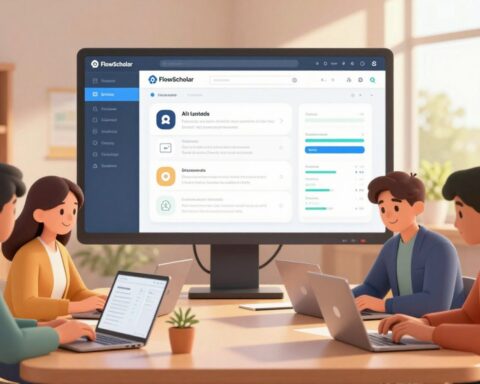
FlowScholar.com guides families through modern assessment shifts at school. It breaks down complex marks and notes so parents can make sure they see real learning trends. The aim is simple: better understanding, more timely support, and stronger partnerships with teachers.
Every student benefits from a tailored plan. By spending a little time early, families and teachers can spot needs, celebrate wins, and map practical steps toward success. FlowScholar equips readers with clear strategies to track child progress and influence outcomes before final report cards appear.
Key Takeaways
- Modern assessments need new tools to interpret student progress.
- FlowScholar offers structured guidance to make sure families understand grades and notes.
- Early, focused review helps teachers and guardians act before final summaries.
- Personalized attention supports each child’s learning and long‑term success.
- Simple steps can turn assessment data into meaningful progress plans.
Decoding Modern Grading Systems
Today’s grading systems aim to measure mastery, not just rank kids against one another. Thomas Guskey notes many schools now move away from the bell curve. This shift gives families clearer insight into student performance and classroom standards.
Letter Grading Variations
Letter grades still appear in many classes, but teachers often pair them with descriptors. A B might now come with notes about specific skills. That context turns a single grade into useful information about learning.
Numeric and Standards-Based Scales
Numeric scales — commonly 1 to 5 — map directly to mastery levels. A 1 or 2 signals a need to build skills; a 4 or 5 shows solid command. Schools may also use words like proficient or novice to make progress clearer.
- Why this matters: Numbers and words point to standards, not peer ranking.
- Teachers use these systems to guide instruction and to track growth over time.
- When families read the values, they can spot areas such as math or language that need attention.
“Many schools today are moving away from the traditional bell curve grading system.”
| Format | Signals | Use |
|---|---|---|
| Letter | Overall performance | Quick snapshot |
| Numeric | Skill level | Targeted action |
| Descriptive | Behavior & mastery | Clear steps |
Why Traditional Report Card Review Help for Parents is Evolving
Schools increasingly present student progress as a story, blending numbers with notes on learning style and social growth.
The French American Academy uses a 1–4 scale to show how a child meets standards. That scale makes tracking child progress more transparent than a single grade.
Teachers now aim to show performance over time. A modern document highlights sustained progress, learning style, and social skills—not just final grades.
Many families must shift away from comparing kids by one metric. Instead, they focus on the specific words and numbers teachers use. This shift builds better understanding and clearer steps to success.

“A report card is no longer just a snapshot; it reflects the student’s performance across time.”
- Look at descriptive notes and numeric scales together.
- Ask teachers which words signal need for support.
- Use standards-based tools to track steady growth.
For practical guidance on simplifying standards-based summaries, see an expert approach. To explore adaptive tools that personalize learning, review AI-driven platforms.
Leveraging Education AI Tools for Academic Success
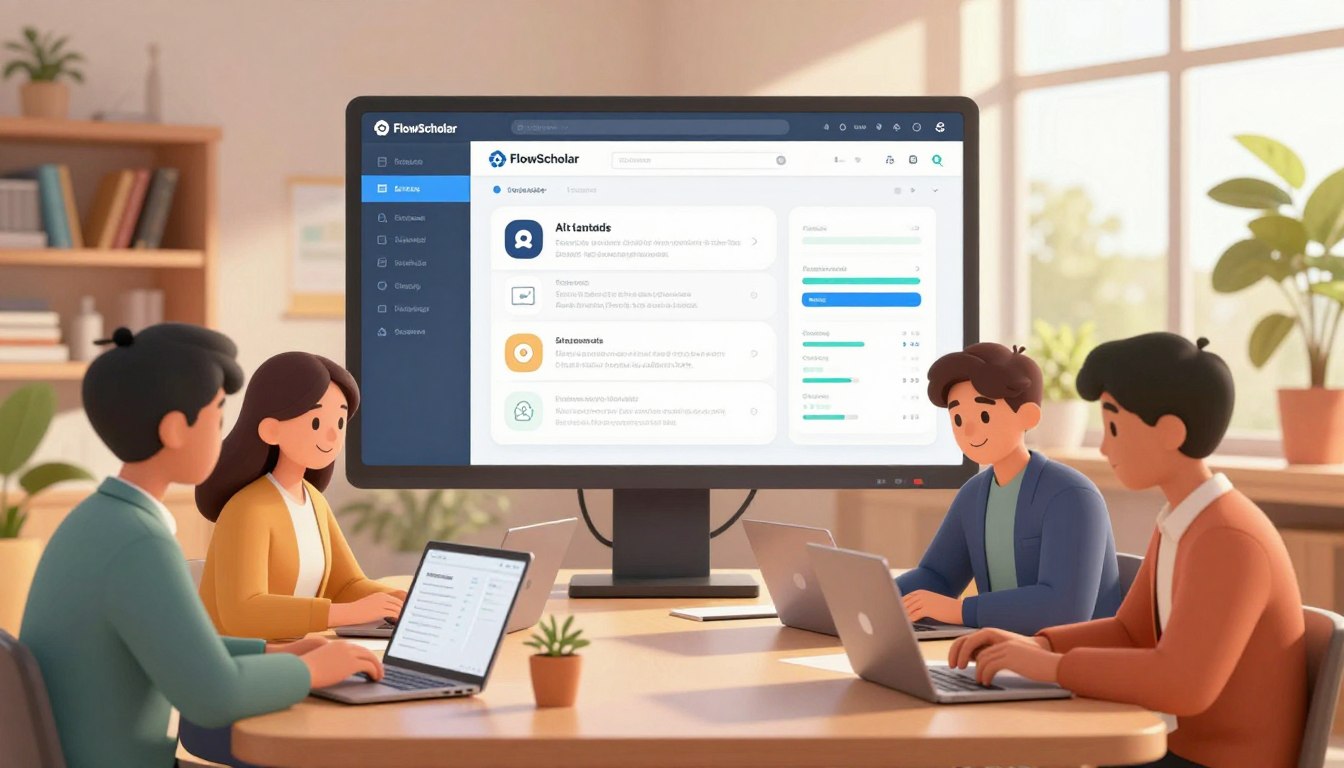
AI can turn scattered classroom data into a clear plan that families can act on quickly. FlowScholar.com uses machine learning to highlight patterns in child grades and classroom notes. That makes it easier to spot weak spots in math or reading.
Using FlowScholar for Personalized Insights
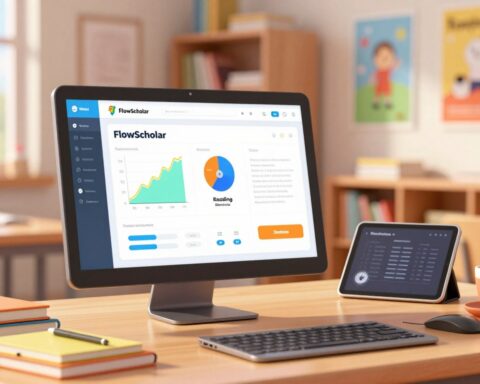
FlowScholar provides an Education AI Tool that tracks child grades and flags trends over time. Parents gain digestible charts and suggested strategies to support child learning.
The platform helps teachers and families align on a focused plan. Teams can prioritize which skills need practice and which lessons to review.
- Targeted feedback: AI points to specific skills tied to grade changes.
- Personal plans: Simple steps to reinforce classroom learning at home.
- Collaboration: Shared data keeps school and household aligned.
| Traditional View | AI Insight | Outcome |
|---|---|---|
| Single grade | Skill breakdown | Actionable plan |
| Notes scattered | Trend detection | Faster fixes |
| Guesswork | Evidence | Improved performance |
“Use technology to see the big picture of child grades and foster steady growth.”
Interpreting Teacher Comments and Social Growth
Short notes from teachers can open a window into a child’s social and emotional growth at school.
Teacher comments often describe how a child engages with classmates, follows routines, and handles challenge. Read them as patterns, not isolated lines.
Look for repeated words or phrases about cooperation, focus, or independence. Those patterns signal where a student thrives and where there may be a problem.

Understanding the language teachers use turns numbers and grades into a fuller picture. A single grade gains meaning when paired with notes on responsibility, participation, and self‑management.
A report card is a link between home and school—the comments are often where the most actionable insight appears. Use them to build a short plan to support life skills and learning habits.
If you have questions, reach out to the child teacher. A brief conversation clarifies intent and creates a shared path to steady progress.
“Comments often reveal what numbers alone cannot.”
- Scan for patterns in behavior and peer interaction.
- Translate teacher language into concrete steps at home.
- Ask clear questions to align on goals and next steps.
Strategies for Productive Conversations with Your Child
A calm, focused chat can turn an anxious grade moment into a clear plan for growth. Start by setting a short, private time to talk; this signals the conversation is about learning, not punishment.
Focusing on Effective Effort
Emphasize process over outcome. Use Carol Dweck’s growth mindset ideas: praise strategies, persistence, and revision. James Anderson’s work reinforces that effective effort—targeted practice—is what moves grades in tough subjects like math.
Avoiding Negative Reinforcement
Keep language neutral and curious. Avoid blame or harsh comparisons. Negative feedback often reduces motivation and makes children close down rather than try new strategies.
Setting Collaborative Goals
Co-create a short plan with your child: one measurable goal, one resource, one check‑in time. Ask open-ended questions to learn what they find hard today and what style of learning works best—visual, hands-on, or verbal.
- Simple prompts: “What was hard this week?”
- Action step: Agree on one small task to practice.
- Follow-up: Schedule a quick check after a week.
“Focus on learning steps, not just the final grade.”
| Focus | Example | Outcome |
|---|---|---|
| Effort | Practice one math skill 15 min/day | Improved confidence |
| Language | Ask “How did you solve that?” | Deeper reflection |
| Goal | Create a short study plan together | Shared ownership |
To guide a calm conversation about the numbers and notes, see this short guide to review report cards with child.
Creating a Supportive Home Learning Environment
A small, dedicated study nook can transform scattered homework into steady progress. Design a space that is quiet, well lit, and stocked with basic supplies. This signals that school work matters in daily life.
Set a simple routine so the child knows when it’s time to focus. Teachers recommend consistent timing; it helps students manage time and finish tasks. Short, regular sessions beat long, irregular study marathons.
Remove distractions: no noisy devices, limited background screens, and a clear surface to work on. When children share in planning the nook, they take ownership and work more reliably.
- Dedicated space: helps kids stay organized.
- Consistent routine: builds good time habits.
- Teacher alignment: a clear study area supports classroom expectations.
“A well-organized study area is a key way to ensure consistent progress.”
| Element | Why it matters | Simple action |
|---|---|---|
| Quiet space | Reduces interruptions | Choose a corner away from household traffic |
| Supplies on hand | Boosts focus | Keep pencils, paper, and a timer nearby |
| Routine | Teaches time management | Set a daily 30‑minute check-in window |
These practical tips make sure each child can concentrate and meet teacher expectations. To explore ways to combine structure with adaptive learning tools, consider this AI curriculum opportunity.
Conclusion
A short, strategic check‑in can turn classroom signals into clear next steps at home.
Take time to focus on effective effort and set one small goal with your child. Use calm words, praise progress, and plan a quick follow‑up to keep momentum.
Remember: grades are one snapshot among many. Conversation and steady routines support long‑term learning and boost confidence in kids.
Want tailored guidance? Visit FlowScholar to see personalized insights and tools that make it easier to talk child about progress and build a plan for success.
FAQ
How can FlowScholar.com help families prepare before report card time?
FlowScholar analyzes class performance, flags gaps in subjects such as math and reading, and suggests targeted activities parents can use at home. It delivers clear, personalized insights that make conversations with teachers more productive and focused on progress.
What does "decoding modern grading systems" mean for caregivers?
It means understanding how schools use letter grades, numeric scales, or standards-based measures. Knowing the difference helps adults interpret achievement, identify trends in a child’s performance, and create realistic plans to support learning.
Are letter grading systems the same across schools?
No. Letter grades can represent different ranges or expectations depending on the district or teacher. FlowScholar encourages parents to check the school’s grading rubric and compare it to classroom outcomes to avoid misreading progress.
What are numeric and standards-based scales, and why do they matter?
Numeric scores often reflect percent mastery, while standards-based scales measure proficiency against grade-level expectations. Understanding these scales reveals whether a student meets benchmarks or needs specific skill-building.
Why is traditional report card guidance evolving?
Schools now emphasize growth, skills, and social learning alongside grades. That shift requires different strategies—focusing on learning trajectories, formative feedback, and strengths—so families can support long-term success rather than one-time outcomes.
How can education AI tools support academic improvement?
AI tools synthesize assessment data, highlight patterns, and recommend tailored practice. They save time, pinpoint effective interventions, and help families monitor progress between teacher updates and parent-teacher conferences.
What makes FlowScholar useful for personalized insights?
FlowScholar combines classroom data with evidence-based strategies to produce clear action steps. It translates grades and comments into practical next moves—homework adjustments, targeted practice, or teacher conversations—aligned with each child’s needs.
How should adults interpret teacher comments about social growth?
Treat comments as indicators of classroom behavior, collaboration, and executive skills. Those observations often explain academic patterns; addressing social strengths and challenges can unlock better learning outcomes.
What is the best way to talk with a child about academic performance?
Focus on specific behaviors and strategies: praise effective effort, discuss what worked or didn’t, and set short-term, achievable goals together. Keep the tone curious and solution-oriented to encourage ownership and resilience.
How can caregivers emphasize effective effort without discouraging a child?
Highlight progress and strategies rather than fixed traits. Use specific praise—“Your study plan helped you improve fractions”—and frame setbacks as opportunities to try a new approach, keeping confidence intact.
What should be avoided when discussing grades with children?
Avoid punishment or shaming that ties self-worth to scores. Steer clear of comparisons with peers and do not reduce the conversation to numbers; instead, explore actions that lead to improvement.
How do families set collaborative academic goals with students?
Co-create measurable, time-bound goals that align with teacher expectations—such as practicing math for 15 minutes daily or reading two chapters weekly. Review progress regularly and adjust tactics based on outcomes.
What steps create a supportive home learning environment?
Establish consistent routines, designate a quiet workspace, limit distractions, and schedule regular check-ins. Balance structure with autonomy so students develop planning and self-monitoring skills.
How can parents prioritize subjects when time is limited?
Use assessment patterns to target the highest-need areas first. Focused, short sessions on foundational skills—like number sense in math or comprehension in reading—often yield the greatest gains.
When should families contact a teacher about progress concerns?
Reach out when data or classroom behavior suggests a pattern—falling marks, missed assignments, or social challenges. Early, solution-focused conversations allow for timely adjustments and partnership.
What questions should adults ask at a parent-teacher meeting?
Ask about specific standards where the child needs growth, effective strategies used in class, recommended at-home activities, and measurable targets for the next term. Request examples of student work to clarify expectations.
How can progress be tracked between formal updates?
Keep a simple log of scores, teacher comments, and practice habits. Use weekly check-ins to note improvements or recurring issues, and adjust the support plan accordingly.
What role do formative assessments play in ongoing learning?
Formative checks reveal learning gaps early and guide instruction. They inform targeted practice and prevent small issues from becoming persistent problems.
How should families balance academic support with emotional well-being?
Prioritize regular rest, social time, and activities that build confidence. Academic plans should be sustainable; short, consistent practice often beats long, infrequent sessions that spark burnout.
Where can caregivers find trusted resources for subject-specific practice?
Seek curricula-aligned tools, reputable tutoring services, and school-recommended platforms. FlowScholar curates evidence-based resources that match classroom standards and student needs.
How do standardized tests relate to classroom grades?
Standardized scores measure broader benchmark mastery while classroom grades reflect daily work, projects, and participation. Comparing both helps identify whether gaps are instructional, motivational, or skill-based.
What language should families use to encourage a growth mindset?
Use phrases like “You improved because you tried a new strategy” or “What strategy will you try next?” Emphasize learning processes over innate ability to foster persistence and adaptability.
How can parents support math learning without doing the work for the child?
Guide problem-solving by asking questions: “What do you know? What’s the first step?” Offer brief modeling, then step back and let the child attempt tasks independently, providing feedback afterward.
How often should goals and plans be reviewed?
Review short-term goals weekly and larger objectives each term. Regular reviews keep momentum, allow quick course corrections, and maintain alignment with teacher expectations.