“People will forget what you said, people will forget what you did, but people will never forget how you made them feel.” —
The Challenge of Consistent LinkedIn Growth
The twin problems of creator exhaustion and opaque ranking signals make steady audience growth rare.
Burnout is real: maintaining a reliable posting rhythm becomes a chore when people juggle client work, meetings, and follow-ups. Missed days lead to the post-and-ghost effect that kills momentum.
The Burnout Factor
Aiming for frequent posts while juggling deadlines often burns creators out. A simple, practical content calendar acts as a guide to plan posts across the week and prevent overload.
The Algorithm Struggle
Algorithms reward timely engagement. Research points to Tuesday and Wednesday mornings as peak windows to reach an audience. By tracking impressions and engagement, professionals can pinpoint ideal time slots for their industry.
- Post at optimal hours so content lands when followers are active.
- Analyze engagement to refine posting times and formats.
- Prioritize quality over high-frequency, low-value updates—this is a strategic marketing move.
Consistent growth requires a clear strategy that respects daily and weekly rhythms. With a small, structured calendar and regular analysis, creators can reduce burnout and boost long-term reach.
Why You Need to Create More LinkedIn Content in Less Time
Busy professionals lose visibility when posting feels sporadic and tactical.
A simple content calendar reduces friction and aligns posts with brand goals. Planning weekly ideas ahead makes posting predictable and less stressful. This consistency builds trust and keeps a professional audience top-of-mind.
When teams save production time they can focus on strategy. That shift improves the quality of engaging content and lifts impressions over weeks. High engagement linkedin often follows deliberate, valuable posts that spark conversation among people who matter.
- Consistent posts establish authority and trust.
- A calendar guides ideas so you avoid last-minute scrambling.
- Saving time on production frees energy for audience strategy.
| Approach | Planning Effort | Expected Outcome |
|---|---|---|
| Ad-hoc posting | Low | Irregular engagement, lower impressions |
| Weekly calendar | Moderate | Steady reach, better engagement linkedin |
| Strategic schedule | High (initial) | Strong brand presence and loyal audience |
Understanding the Role of AI in Modern Content Strategy
Artificial intelligence is shifting how professionals plan, draft, and optimize articles and posts. It does heavy lifting while allowing the author to keep voice and intent intact. Data-driven signals guide which topics and times will reach an audience.
Efficiency vs Authenticity
AI tools help maintain authenticity by producing first drafts, summaries, and idea variants that match an author’s tone. Creators then edit to ensure personal stories and nuance remain.
Efficiency allows teams to focus on strategy that drives real engagement. Many professionals use AI to turn long articles into short posts that busy readers digest quickly.
- You can grow LinkedIn with AI by drafting linkedin posts while preserving a unique voice.
- Let automation handle routine work; spend attention on audience and message refinement.
- Optimize posting times and formats to lift impressions and engagement.
The best way forward blends data and human judgment: use AI as a guide, not a replacement. This balance keeps social media marketing personal and effective.
Getting Started with Scriptos.ai for LinkedIn Reach
Begin with one practical step: sign in to Scriptos.ai and select the LinkedIn Reach feature to map a simple posting schedule.
Aim for 3–5 posts per week to build momentum. Reserve early morning and peak work hours for those posts to catch people before they dive into their day.
Plan your week ahead: list ideas and assign a day and time slot to each post. A short content calendar reduces friction and keeps followers engaged across work days.
- To get started with Scriptos.ai, visit https://www.scriptos.ai/solutions/linkedin-reach to use the LinkedIn Reach tools.
- Test different posting times and time slots to learn when your audience responds best.
- Use the platform’s data to refine posting times and increase total impressions.
A consistent posting schedule is the foundation of successful social media strategy. Start small, measure engagement, then expand your posting schedule as results dictate.
Defining Your Objectives for Maximum Impact
Clarity about your outcome turns scattered efforts into a purposeful brand journey.
Begin with a single, measurable goal: decide whether the aim is brand awareness, thought leadership, or lead generation. That focus shapes tone, topics, and the format of each post.
Understand your audience: which problems they face and what prompts engagement. This knowledge guides your content strategy and improves impressions on social media.
Set specific metrics for engagement—comments, shares, or click-throughs—so performance can be tracked and compared across times and formats.
Save time by pruning ideas that don’t serve your objective. When each post aligns with a clear goal, the marketing effort becomes efficient and measurable.
- Define objectives before planning posts to keep messaging consistent.
- Use measurable engagement targets to evaluate impact.
- Let tools like Scriptos.ai map posts to goals for stronger LinkedIn posts and impressions.
Conducting a Content Audit to Identify Winning Topics
A quick audit turns raw metrics into a clear map of what resonates with people.
Start with the last 30 days. Pull impressions, likes, and comments for each post. Track which piece content earned the best engagement and which hours or day of the week mattered most.
Analyzing Engagement Metrics
Focus on likes, comments, and impressions as primary signals. Compare formats: visuals, listicles, long-form text. Connor Gillivan’s top-performing posts suggest visuals and listicle formats often drive strong results.
Spotting Content Patterns
Look for repeating themes: topics, tone, and posting times that yield consistent results. A regular audit is a practical guide to refine your content calendar and posting times.
- Review last 30 days to identify high-impression topics.
- Double down on formats that produced tangible results.
- Use findings to adjust your posting schedule and strategy.
| Metric | Indicator | Action |
|---|---|---|
| Impressions | Top-performing topics | Replicate themes and visuals |
| Engagement rate | Best formats (listicles, visuals) | Prioritize those formats |
| Posting hours | Peak days/hours | Shift calendar to those times |
For a practical methodology, read this content audit guide to structure your review and turn data into repeatable results.
Brainstorming Ideas That Resonate with Your Audience
Start by listing problems your audience mentions most often—those questions are seeds for strong ideas.
Mix thought leadership and stories: Devesh Khanal uses short case notes and industry news to turn SEO insight into practical advice. Personal anecdotes make complex topics relatable and raise engagement.
Map a simple content calendar with types of content: how-to, opinion, and industry news. Rotate these types so followers see variety and recognize your voice.
Use a quick audit to find top posts and peak times for posting. Share real-world solutions to common problems—this builds authority and lifts impressions over weeks.
- Track questions from comments and messages as idea prompts.
- Turn industry news into actionable lessons that tie back to marketing goals.
- Test short series that link several posts for deeper narrative impact.
For a practical brainstorming checklist, follow a structured guide and refine ideas based on engagement metrics.
Selecting the Right Formats for Your Brand
A deliberate format turns complex advice into a sequence that readers follow and share.
Match format to objective: choose a text post for quick tips, a carousel for step-by-step lessons, and videos to reveal the human side of your brand.
Justin Welsh’s carousels break hard topics into digestible steps. That type content works well for educational posts and drives steady engagement.
Videos boost impressions and show personality. Short clips perform best when the audience wants a quick example or a behind-the-scenes look.
- Rotate formats on your calendar so feeds stay dynamic.
- Use a simple guide to decide format by goal: teach, persuade, or entertain.
- Track engagement and adjust posting times to amplify reach.
| Format | Best For | Expected Outcome |
|---|---|---|
| Text post | Quick insight or opinion | Fast reads, steady comments |
| Carousel | Step-by-step guides | Higher saves and shares |
| Video | Demonstrations and stories | Stronger impressions and trust |
| Image | Visual summaries | Easy scanning and shares |
Consistency in chosen formats builds recognition. We recommend testing a mix, then leaning into formats that return the best engagement for your brand.
Designing a Sustainable Content Calendar
Designing a weekly plan makes posting feel manageable rather than a daily scramble.
A simple calendar protects against burnout. Start by aiming for 3–5 posts per week; this hits a balance between presence and capacity. Niall Ratcliffe’s daily habit shows the value of consistent visibility, but most professionals find a per week rhythm easier to sustain.
Batching ideas and drafts for a few days saves resources and reduces friction. Reserve morning hours and a couple of optimal time slots per day for posting to catch peak attention.
Use the calendar as a living guide: track engagement and impressions, then shift your posting schedule toward formats and posting times that perform best. This strategy keeps the audience engaged while supporting marketing goals.
- Plan posts by theme so each day has a clear focus.
- Block hours to draft and schedule — batching builds momentum.
- Review weekly metrics and adjust posting schedule as needed.
Consistency outperforms bursts: a steady posting schedule strengthens trust and lifts long-term impressions. Treat the calendar as your strategic guide for reliable social media presence.
Developing High-Quality Posts at Scale
Scaling high-quality posts starts with treating long articles as source material, not one-off pieces. Turn a single article into several short posts and preserve the original voice.
AJ Eckstein’s raw storytelling shows how authenticity deepens bonds with followers. Repurposed fragments keep that voice while reaching readers who prefer shorter reads.
Focus on value: choose ideas that solve a problem for your audience. That ensures each piece content earns impressions and meaningful engagement.

Use a simple content calendar to plan a week of posts. Dedicate specific hours each day to draft and refine posts so quality stays high and creative energy is protected.
- Repurpose articles into multiple post formats.
- Reserve daily hours for drafting and editing.
- Balance automation with real replies to keep interactions human.
| Approach | Effort | Benefit |
|---|---|---|
| Repurpose articles | Moderate | Consistent, high-value posts |
| Batch drafting | Low | Efficient publishing rhythm |
| Automate scheduling | Low | Reliable posting; maintain human replies |
Leveraging LinkedIn Reach for Founder Content
A founder’s narrative can turn routine updates into memorable moments for an audience.
LinkedIn Reach is a key feature for founders who want to amplify their professional voice. It helps distribute founder content to the right people at ideal times.
Founders who share journey notes build stronger bonds with followers. Regular posts about decisions, lessons, and small wins attract authentic attention from people who care about the brand and mission.
Use a simple content calendar to schedule posts that highlight expertise and vision. Prioritize formats that invite replies—questions, short case notes, and behind-the-scenes media work well.
Engagement is the ultimate metric for scaling founder presence. Use LinkedIn Reach tools to target audience segments and test optimal times for distribution.
- Leverage reach features to place posts before active followers.
- Align your calendar with industry times that boost impressions.
- Track engagement to refine which narratives resonate most.
| Goal | Action | Expected Result |
|---|---|---|
| Build trust | Share founder content weekly | Stronger follower relationships |
| Increase reach | Use LinkedIn Reach targeting | Higher relevant impressions |
| Drive engagement | Prioritize replies and calls-to-action | More comments and meaningful conversations |
Monitoring Performance to Refine Your Strategy
Small, regular checks of clicks and shares reveal which posts actually move the needle.
Monitoring your performance is the only way to know if a strategy is delivering results. Track clicks, shares, comments, and impressions for every post. Focus on the metrics that map to your goal—awareness, leads, or community growth.
Review metrics each week and note which posting times and hours yield the best engagement. By tracking which videos or text updates perform, teams learn what the audience prefers.
Use those insights to update your content calendar and adjust posting times. Social media marketing is iterative: test variations, measure results, then refine the approach.
- Track posts by format and day to spot clear patterns.
- Compare impressions and engagement linkedin to prioritize high-value media.
- Spend focused hours each week analyzing results and updating the calendar.
Consistent monitoring ensures the strategy adapts as people and trends evolve—so your posts earn better reach and lasting impact.
Avoiding Common Pitfalls in Your Posting Schedule
Posting without a presence plan risks wasted impressions and lost conversation.
Post-and-ghost kills momentum. When a post goes live, be ready to reply. The first hour matters most for engagement and reach.
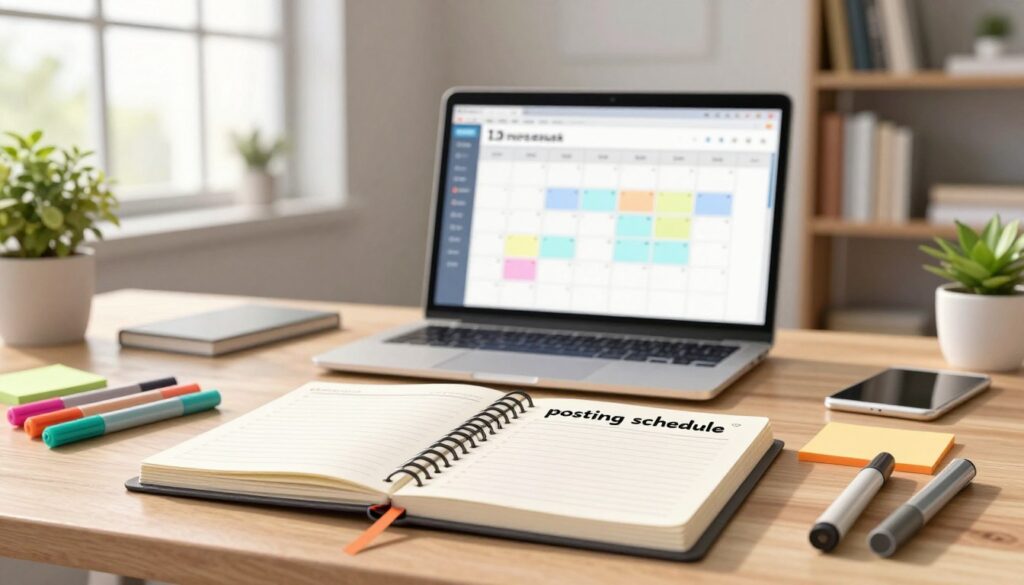
Avoid publishing during your audience’s off-hours or work hours. Use a simple content calendar and map time slots that match follower habits. Early morning posts can work — but only if your audience actually checks feeds then.
- Plan replies: set aside minutes after each post to engage.
- Keep a steady posting schedule so followers know what to expect.
- Let the calendar stay flexible; shift days based on performance data.
| Pitfall | Impact | Fix |
|---|---|---|
| Post-and-ghost | Low comments, fewer impressions | Be present first hour; prompt replies |
| Off-hour publishing | Missed audience, weak engagement | Align with peak posting times and time slots |
| Random schedule | Confused followers, inconsistent reach | Use a weekly plan and review performance per week |
Remember: social media is relationship work, not a broadcast. A clear guide and steady practice protect momentum and lift long-term engagement.
Aligning Your Content with Industry-Specific Trends
Different industries pulse at distinct rhythms—match your posts to those beats to reach the right people.
Peak hours vary by field. Financial services often see engagement in early morning hours, while creative agencies respond best later in the day. Track when your audience reads and adjust posting times accordingly.
Monitor industry news and add quick commentary to your calendar. Reactive posts that respond to breaking developments position a brand as a trusted voice and spark richer engagement.
Use a simple weekly schedule with slots reserved for timely reactions. That mix of planned posts and flexible spots keeps your strategy agile and relevant.
- Tailor posts to professional rhythms and common work days.
- Provide expert takes on industry news to build thought leadership.
- Reserve calendar space for reactive pieces that address breaking trends.
Consistency matters: steady, industry-focused insights will grow an engaged audience and strengthen your social media marketing presence. For practical industry timing ideas, review this industry timing guide and this piece on personal brand strategy for founders and consultants.
Scaling Your Personal Brand with Automation
Automation shifts the routine of publishing into a repeatable, strategic system.
Systems that automate routine writing unlock steady visibility while founders focus on product and leadership. Scriptos.ai enables founders to scale their personal brand through automated workflows that draft and schedule linkedin posts while preserving voice.
Automated workflows reduce manual burden and keep a calendar full during busy periods. This approach maintains consistency, which drives engagement and better results over weeks.
Use a simple guide to map objectives—audience, format, and posting times. Then let Scriptos.ai handle drafting and distribution so followers see steady updates without daily drafting.
| Benefit | How Scriptos.ai Helps | Expected Results |
|---|---|---|
| Consistency | Automated scheduling and templates | Higher impressions and regular engagement |
| Authenticity | Voice-preserving drafts for founder content | Stronger follower trust |
| Efficiency | Batch workflows and calendar sync | Less manual work; repeatable results |
Start small: map a week, test formats, then scale. Automation is a way to grow reach on social media while keeping the human touch that earns engagement.
Conclusion
A short, repeatable routine beats sporadic bursts for long-term professional visibility.
This guide sums up a practical path: plan a simple calendar, test posting times, and measure engagement to refine what works.
Consistency builds trust. A steady rhythm and weekly review turn strategy into momentum. Use tools that preserve voice and free attention for audience work.
This guide offers a clear framework and actionable guidance to get started. Treat this piece as a practical guide for your social media roadmap and a reference as you scale.
Thank you for following this guide; keep the plan, track results, and watch your reach grow.
FAQ
How does Scriptos.ai help professionals produce more LinkedIn posts with less effort?
Scriptos.ai streamlines idea generation, drafts post frameworks, and adapts tone for audiences—reducing drafting hours while keeping messaging authentic. It speeds workflows by suggesting headlines, hooks, and CTA options, letting users finalize faster and focus on engagement rather than starting from a blank page.
Will using AI tools risk my personal voice or brand authenticity?
No—when used strategically, AI is an assistive tool. Scriptos.ai provides templates and prompts; the user refines language, anecdotes, and opinions to maintain an authentic voice. Treat AI outputs as a scaffold: keep signature phrasing, founder stories, and specific data to preserve credibility.
How often should a founder post to build reach without burning out?
Aim for a sustainable cadence: 3–5 quality posts per week is a proven balance for visibility and energy. Prioritize morning slots that align with your audience’s routine, batch content on focused days, and reserve a weekly slot for responses and community engagement.
Which post formats drive the most engagement on the platform?
A mix works best: short thought leadership posts, carousel-style walkthroughs, and brief videos. Use storytelling for emotional connection; data-driven insights for authority; and how-to threads for practical value. Rotate formats to keep the audience engaged and to test performance.
What metrics should be tracked to identify winning topics?
Monitor impressions, reactions, comments, shares, and profile visits. Prioritize engagement rate and qualitative signals—comment themes and saved posts—to surface topics that spark conversation. Track follower growth and referral traffic for long-term impact.
How can a content audit reveal repeatable post ideas?
Audit past posts for engagement patterns by theme, format, and posting time. Tag top-performers and analyze why they worked—story angle, hook, or visual. Cluster similar winners into templates that can be repurposed with fresh examples.
What is the best way to brainstorm ideas that resonate with a professional audience?
Start with audience pain points, recent wins, industry questions, and personal lessons. Use customer feedback, comment threads, and competitor signals to seed topics. Time-box brainstorming sessions and prioritize ideas by potential impact and ease of execution.
How should one structure a sustainable content calendar without overcommitting?
Build a simple weekly template: theme days (e.g., insight Monday, case study Wednesday), a batching day for drafts, and one engagement-only day. Reserve buffer slots for trending industry news. Use automation to schedule but keep live posting for high-touch moments.
Can automation help scale a personal brand without sacrificing quality?
Yes—automation can handle scheduling, drafting prompts, and A/B testing times, which frees time for personalization. Combine automated workflows with manual review: add founder anecdotes, update numbers, and reply to comments to retain human connection.
Which posting times typically yield higher impressions and engagement?
Early mornings on weekdays often show strong reach—when professionals check feeds before work. Midday engagement can spike for short, practical posts. Test specific time slots for your audience and prioritize consistency over chasing “perfect” windows.
How do you avoid common pitfalls like content fatigue or repetitive topics?
Rotate formats, repurpose high-performing ideas with new evidence, and maintain a library of evergreen themes. Schedule deliberate breaks and track topic frequency to keep variety. Solicit audience questions to refresh your pipeline.
How should founders adapt content for industry-specific trends?
Monitor niche publications, trade reports, and competitor signals. Interpret trends through the lens of your experience—offer actionable next steps and risk assessments. Tailor language and examples to sector norms to ensure relevance and trust.
What balance should teams strike between long-form articles and short posts?
Use short posts for regular visibility and conversation starters; reserve long-form articles for deep dives that demonstrate expertise. A steady rhythm of concise insights with occasional long pieces builds authority without overwhelming the audience.
How can engagement analytics refine a posting schedule over weeks and months?
Track performance trends across time slots and formats, then iterate: shift high-effort posts to windows with historically higher engagement. Use rolling 4–6 week reviews to identify seasonal patterns and audience behavior changes.
What is the recommended workflow for developing high-quality posts at scale?
Adopt a three-step workflow: ideation (batch topics), drafting (use templates and AI for first drafts), and personalization (inject stories, facts, and final edits). Schedule review and community time to respond and iterate based on feedback.
How does leveraging industry news improve reach and credibility?
Timely commentary on industry developments positions a professional as informed and relevant. Provide concise analysis, implications, and actionable takeaways—readers value clarity and perspective more than recaps.
Are there risks with over-automation of posting and replies?
Over-automation can appear impersonal and miss nuance in conversations. Use automation for repetitive tasks—scheduling, template generation—but maintain manual oversight for replies, crisis signals, and high-value interactions.
How do teams measure ROI from LinkedIn activities?
Tie metrics to objectives: brand awareness (impressions, profile views), demand gen (leads, demo requests), and partnerships (inbound outreach). Track conversions from post-driven traffic and use UTM parameters to quantify impact.
What quick tactics boost post visibility without paid promotion?
Post when your audience is active, ask a question to invite comments, tag relevant peers sparingly, and include a clear takeaway. Encourage saves and shares by offering concise frameworks or checklists.
How should creators handle negative comments or dissenting opinions?
Respond calmly and constructively. Acknowledge valid points, provide clarifying information, and move prolonged debates to direct messages. Use dissent as insight to refine future content or address misconceptions.
What role do short videos play in a founder’s content mix?
Short videos humanize leadership and increase reach—especially for product demos, quick lessons, or behind-the-scenes moments. Keep them under two minutes, focused, and captioned for silent autoplay.