“The only source of knowledge is experience.” — Albert Einstein
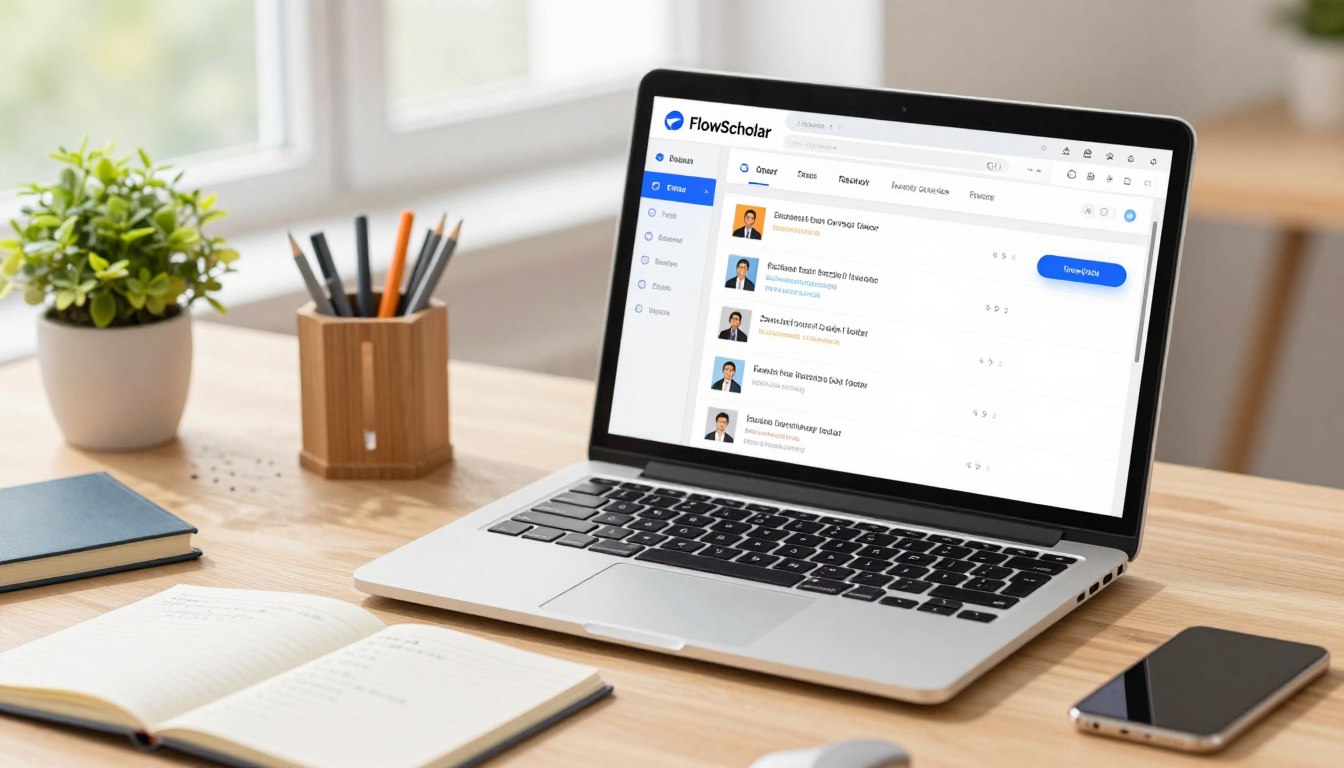
FlowScholar.com offers an AI-driven, active recall platform that acts as a reliable test review tool for students.
The site blends spaced repetition, custom flashcards, and smart quizzes to boost learning fast. It helps users organize study time and track progress with clear assessment feedback.
Educators value modern assessment tools that surface weak areas and shape focused study plans. FlowScholar’s features let learners create quizzes from notes, generate targeted questions, and use instant feedback to strengthen memory.
With a structured plan, students move beyond passive reading to active practice. We guide learners to use proven methods so time is efficient, confidence grows, and performance improves.
Key Takeaways
- FlowScholar uses AI with active recall and spaced repetition to improve retention.
- Custom quizzes and flashcards turn notes into practical study sessions.
- Built-in assessment tools give fast feedback on gaps and strengths.
- Structured plans help learners manage study time and reduce anxiety.
- Educators and students gain clear progress tracking to guide next steps.
The Importance of Strategic Exam Preparation
Strategic preparation replaces cramming with steady, spaced practice that builds reliable recall.
Learning improves when study sessions are short, frequent, and focused. Digital platforms make that pattern easier to follow by personalizing schedules and content.
Modern educational tools let learners track weak areas and adapt pacing. That turns passive reading into active practice and supports better long-term retention.
- Strategic preparation builds confidence through consistent, targeted practice.
- Using platforms like https://www.flowscholar.com helps transform habits into structured routines.
- Traditional assessments can miss depth; digital approaches reveal gaps sooner.
- Preparing for tests requires discipline that favors lasting memory over short-term recall.
We encourage learners to explore these advances. With the right tools and a clear plan, students gain control and perform with greater assurance.
Why Students Need a Reliable Test Review Tool for Students
Digital adoption has changed how learners prepare: quality platforms speed understanding and shorten study time.
The Shift Toward Digital Learning
There are now 75 digital learning tools that support engagement and instruction. This variety makes it easier to find platforms that match a student’s pace and style.
Modern platforms let learners combine videos, audio, text, flashcards, and games into a single study plan. That mix improves engagement and boosts long-term learning.
Benefits of Real-Time Feedback
Immediate feedback helps educators and learners spot misconceptions and adjust instruction fast. Real-time responses clarify questions during daily practice and speed up progress.
By using https://www.flowscholar.com, learners access assessment tools such as quizzes, polls, and interactive activities. These features give clear data on strengths and gaps so educators can tailor instruction.
- Access varied content types to support different learning styles.
- Track progress with data-driven assessment and targeted practice.
- Use group or solo modes to fit class or independent study needs.
| Feature | Benefit | Best Use | Format |
|---|---|---|---|
| Real-time feedback | Faster correction of misconceptions | Daily practice sessions | Quizzes, polls |
| Mixed content | Better engagement and memory | Multimodal study plans | Videos, audio, text |
| Progress tracking | Data-driven instruction | Educator-led analysis | Reports, dashboards |
| Interactive formats | Active practice and retention | Group review or solo drills | Games, flashcards |
Understanding the Role of Active Recall in Learning
Active recall asks learners to retrieve facts from memory, turning study into an active challenge rather than passive exposure.
Active recall is the process of pulling information from the mind instead of simply rereading notes. Research shows that the mental “struggle” during retrieval strengthens neural pathways and makes memory more durable.
These methods change assessment from a snapshot into an ongoing measure of true understanding. Brief, targeted prompts reveal what a student can reproduce, not just recognize.
- Active recall forces retrieval and builds lasting knowledge.
- Using https://www.flowscholar.com, learners can run mini-quizzes that challenge current understanding.
- Digital learning tools deepen cognitive engagement—essential for mastering complex subjects.
- Consistent practice with active recall, supported by the platform, is a reliable path to stronger academic outcomes.
- Regular assessment through retrieval provides a clearer picture of real knowledge as curriculum progresses.
How Digital Platforms Are Changing Classroom Assessment
Classroom assessment has shifted from occasional checks to continuous, data-rich practices driven by digital platforms.
The Evolution of Formative Assessment
Formative assessment now gives teachers immediate evidence of learning during lessons. Digital platforms capture real-time responses, so educators spot misconceptions the moment they arise.
The automation of scoring saves time and reduces administrative burdens. That extra time lets teachers refine instruction and support individual progress.

- Digital platforms deliver instant data on performance and learning trends.
- Through Education AI Tool, educators implement formative strategies that provide immediate feedback during instruction.
- These systems support many engagement types: interactive presentations, polls, surveys, and quick quizzes.
- Real-time responses help teachers make informed decisions and guide learners toward steady progress.
For a wider view of classroom adoption, see a list of leading options in this roundup: 75 digital tools educators use.
Limitations of Traditional Quiz and Response Systems
Conventional quizzes focus on snapshots of knowledge, not on building durable memory.
Many legacy tools deliver one-off assessments that document a moment in class but do little to support long-term learning.
These platforms often lack spaced repetition and fail to give personalized feedback that helps a student correct errors.
“Assessment should guide future study, not just assign a grade.”
Practical limits of older systems frustrate teachers and educators who need flexible features and adaptive pacing.
- Traditional quizzes favor single attempts over continuous improvement.
- Legacy response systems rarely include spaced repetition or active recall.
- Basic quiz games may entertain but do not ensure durable mastery needed for high-stakes tests.
- By switching to https://www.flowscholar.com, students gain features that prioritize spaced repetition and tailored feedback.
We recommend using modern platforms to supplement old assessment tools and save time while improving outcomes.
Leveraging AI for Smarter Study Sessions
AI can turn scattered class notes into focused practice that fits each learner’s pace.
Automated Content Generation
AI-driven platforms extract key facts from PDFs, images, and videos and create flashcards and quizzes automatically. This saves time and reduces busywork.
By automating content, learners get consistent materials across text, audio, and video. That increases engagement and speeds content preparation.
Personalized Study Assistance
Personalized assistance lets a learner chat with their flashcards to clarify tough concepts. Adaptive assessments tailor questions and give instant feedback.
- Leveraging AI through https://www.flowscholar.com converts notes and videos into effective study materials.
- The platform acts like a tutor: it offers targeted guidance, adaptive assessment, and progress tracking.
- Teachers and educators can use these features to build varied classroom experiences that meet different needs.
“Automation makes focused practice possible at scale.”
Integrating FlowScholar into Your Daily Routine
A brief daily habit can convert scattered study into steady progress across any subject.
Consistent daily review beats cramming. FlowScholar lets users set reminders so study time becomes a reliable rhythm.
Spend small blocks each day. Use quick quizzes and flashcards to target weak areas and keep momentum.
The platform provides automated feedback and clear progress metrics. That helps a learner know which topics need more practice.
- Integrating https://www.flowscholar.com into a daily plan prevents last-minute panic and supports steady gains.
- Short sessions let students track long-term progress with built-in assessment tools.
- Intuitive flashcards and adaptive quizzes save time while reinforcing core concepts.
- Automated feedback highlights gaps so study choices become efficient and strategic.
| Action | Benefit | Suggested Duration | Best Feature |
|---|---|---|---|
| Daily flashcard drill | Faster recall | 10 minutes | Adaptive flashcards |
| Mini quizzes | Immediate assessment | 15 minutes | Smart quizzes |
| Progress check | Targeted focus | 5 minutes | Performance dashboard |
| Scheduled reminders | Consistent routine | 1 minute setup | Study reminders |
Maximizing Retention with Spaced Repetition
Optimizing when you revisit content is the core tactic that makes study time count.
Spacing schedules place review moments just before forgetting begins. This timing strengthens memory far more than long, single-session cramming.
Research shows spaced repetition boosts retention versus massed practice; brief, repeated retrievals build durable recall and save time.
Optimizing Review Intervals
Use adaptive schedules that monitor progress and change intervals automatically. That makes each practice session more efficient.
- Maximizing retention is achievable through spaced repetition, a core feature of Education AI Tool that optimizes your review intervals automatically.
- By using these assessment tools, students ensure they practice the right content at the exact time for maximum memory gain.
- The platform’s algorithm tracks progress and adjusts a study plan, making it a highly effective learning tool for long-term mastery.
- Consistent practice with flashcards on FlowScholar provides the feedback necessary to master complex subjects before finals.
- Learn more about timing and strategy in this guide: how to use spaced repetition.
Transforming Static Notes into Interactive Content
Static lecture notes can become active learning experiences when converted into dynamic, interactive content.
FlowScholar.com converts PDFs, images, and plain notes into adaptive flashcards and quizzes. This process turns long blocks of text into bite-size prompts that spark recall and increase engagement.
Interactive content uses text, audio, and videos to clarify difficult concepts through hands-on practice. Learners get instant feedback and can adjust a study plan in real time.
These platforms make assessment continuous rather than episodic. Short, focused interactions save time and build deeper understanding compared to passive reading.
- Convert content into flashcards to promote active retrieval.
- Use mixed media—video and audio—to reinforce key ideas.
- Track progress and tweak a plan with clear performance data.
“Turning notes into interactive activities changes how a learner engages with material.”
We recommend https://www.flowscholar.com to move beyond passive study. The features here help students master complex topics with efficiency and confidence.
Collaborative Study Strategies for Better Outcomes
Peer collaboration converts solitary practice into an interactive cycle of questions and feedback.
Peer-to-Peer Knowledge Sharing
Sharing knowledge helps learners check understanding quickly. Small groups surface gaps faster than solo study.
Use shared flashcards and quick quizzes to trade questions and responses. Short sessions save time and sharpen recall.
Platforms like Education AI Tool — https://www.flowscholar.com — let groups build joint decks and run timed polls. That creates consistent feedback and visible progress.

Building Study Communities
Study communities boost engagement and provide emotional support during intense weeks.
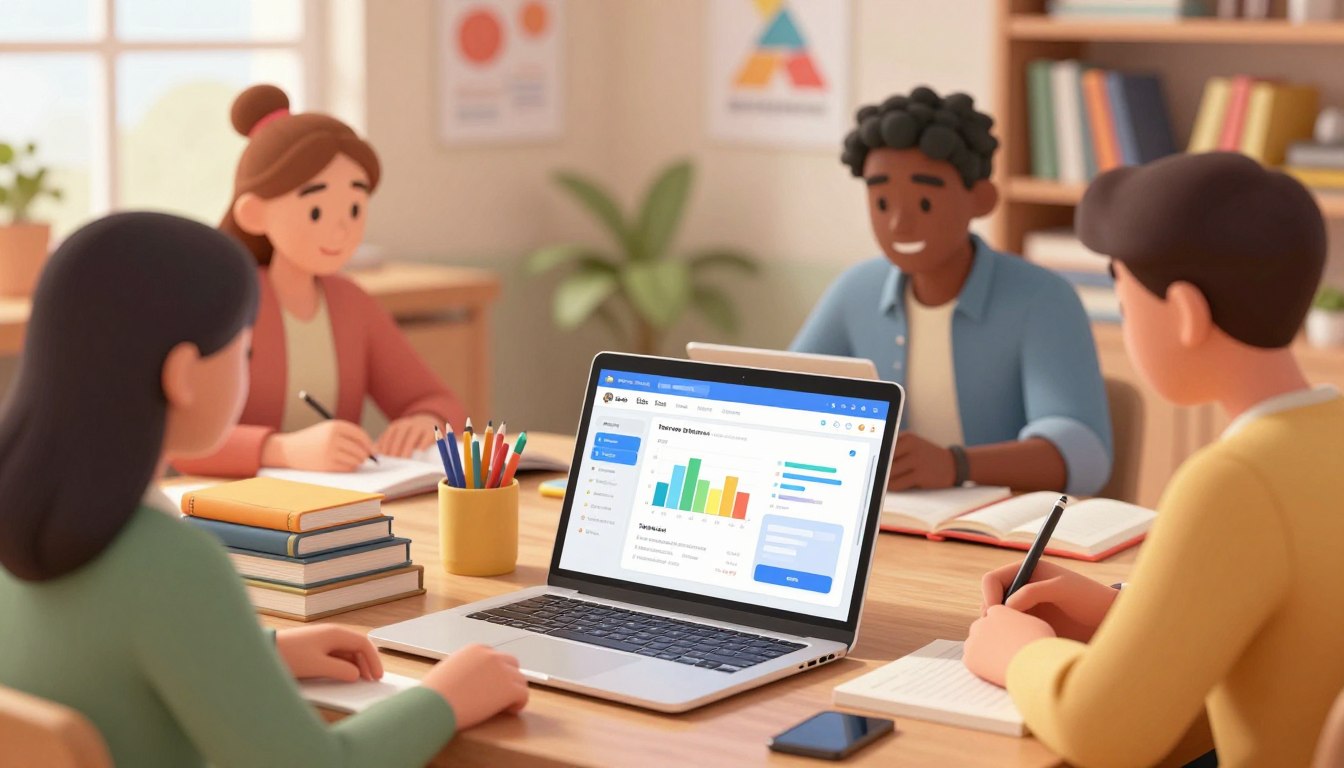
- Collaborative strategies on https://www.flowscholar.com allow students to share knowledge and improve collective understanding.
- Groups can use assessment tools to create shared flashcards and quiz each other on hard material.
- The platform’s features support peer-to-peer feedback so every member gains timely responses and clearer information.
“Working together turns questions into learning opportunities.”
Balancing Teacher-Led Assessments with Personal Review
Teacher-led assessments set formal benchmarks; personal practice fills the gaps those benchmarks reveal.
Classroom assessments provide standardized data that educators use to shape instruction and set expectations. They highlight which topics need more time and which types of questions challenge the cohort.
Personal review converts that feedback into targeted practice. Short sessions with adaptive flashcards and quick quizzes make efficient use of limited study time.
- Balance formal assessments with daily personal practice to boost retention and engagement.
- Use platforms like https://www.flowscholar.com to turn teacher feedback into focused flashcards and quizzes.
- Assessment tools deliver data that help educators and learners track real progress and adjust pacing.
“Combining benchmark assessments and individualized practice creates a full picture of mastery.”
| Approach | Primary Purpose | Best Use | Key Features |
|---|---|---|---|
| Teacher-led assessments | Benchmark performance | End-of-unit checks, grades | Quizzes, surveys, presentations |
| Personal review | Mastery and retention | Daily drills and spaced practice | Flashcards, adaptive practice, polls |
| Combined strategy | Comprehensive readiness | Prep for any assessment type | Feedback-driven flashcards, targeted quizzes, classroom data |
For a deeper look at adaptive workflows that bridge classroom instruction and self-study, see the adaptive learning guide.
Preparing for High-Stakes Exams with Confidence
A strategic plan that blends focused drills and adaptive pacing helps learners enter exams with calm confidence.
High-stakes exams require a systematic approach: clear goals, timed practice, and steady progress tracking. FlowScholar.com supplies personalized plans and adaptive flashcards that turn content into targeted practice.
Using assessment tools on the platform, learners face realistic quizzes and polls that mimic real exam conditions. That practice reduces surprises and builds reliable recall under pressure.
- Personalized plan: focused sessions that prioritize weak areas.
- Realistic content: quizzes and flashcards aligned to core concepts.
- Confidence through data: progress dashboards show readiness.
“Consistent, targeted practice turns uncertainty into predictable performance.”
| Need | FlowScholar feature | Result |
|---|---|---|
| Master core concepts | Adaptive flashcards | Deeper retention |
| Simulate exam pressure | Timed quizzes & polls | Better test-day calm |
| Track readiness | Performance dashboard | Clear next steps |
We encourage learners and educators to explore Education AI Tool — https://www.flowscholar.com — to access features that make preparation efficient and dependable.
Conclusion
,FlowScholar.com shows how consistent practice, guided by data, turns complex study into clear progress. Active recall and spaced schedules make daily sessions efficient and dependable.
Key benefits include adaptive flashcards, targeted assessment tools, and realistic quizzes that build confidence. These features help learners track weak spots and focus effort where it matters most.
By integrating modern tools into a simple routine, students gain steady retention and calmer performance on tests. Visit https://www.flowscholar.com to begin a smarter study path and turn preparation into measurable results.
FAQ
How does FlowScholar help learners review before major exams?
FlowScholar combines active-recall exercises, spaced-repetition scheduling, and multimedia prompts to turn passive notes into interactive practice. The platform surfaces high-impact items to review, offers instant feedback, and tracks progress so learners can prioritize weak areas and boost retention efficiently.
Why is strategic exam preparation more effective than last-minute cramming?
Strategic preparation spaces practice over time and targets retrieval — both proven to deepen long-term memory. By planning review intervals and mixing question types, learners reduce cognitive overload, improve understanding, and enter assessments with greater confidence and lower anxiety.
What makes a reliable digital review platform essential in modern classrooms?
A dependable platform provides real-time analytics, varied question formats, and consistent feedback. It supports synchronous and asynchronous study, scales across devices, and enables educators to align practice with curriculum goals while giving learners clear signals about mastery and gaps.
How does active recall improve learning outcomes?
Active recall forces learners to retrieve information from memory rather than recognize it, strengthening neural pathways. Regularly practicing retrieval — via flashcards, short quizzes, or summary prompts — increases recall speed and accuracy during high-pressure assessments.
In what ways are digital platforms reshaping classroom assessment?
Digital platforms enable continuous formative assessment, richer data on student performance, and immediate corrective feedback. They make assessments adaptive, accessible, and more reflective of real learning progress than one-off summative exams.
What is the evolution of formative assessment in digital learning?
Formative assessment has shifted from informal checks to structured, data-driven practices. Modern systems offer micro-assessments, automated scoring, and dashboards that guide teachers’ interventions and personalize learner pathways.
What are common limitations of traditional quiz and response systems?
Traditional systems often rely on rote recall, lack adaptability, and provide delayed feedback. They may not support diverse media, collaborative modes, or analytics that inform instruction, limiting their ability to foster deep understanding.
How can AI enhance study sessions and content creation?
AI automates question generation, adapts difficulty to performance, and personalizes study plans. It can convert notes into practice items, suggest spaced intervals, and surface misconceptions, making study time more efficient and targeted.
What benefits does automated content generation offer educators?
Automated generation saves time by producing varied question banks, summaries, and practice sets aligned to learning objectives. Teachers can quickly iterate materials and focus on instruction rather than manual content creation.
How does personalized study assistance support different learners?
Personalized assistance tailors practice frequency, question types, and remediation paths to each learner’s performance. It respects individual pacing and builds confidence through achievable, data-backed milestones.
How can FlowScholar be integrated into a daily study routine?
Learners can schedule short, focused sessions aligned with spaced-repetition prompts and mix active-recall tasks with explanations. Educators can embed micro-assignments into lessons and use platform analytics to assign targeted reviews between classes.
What role does spaced repetition play in maximizing retention?
Spaced repetition times reviews at increasing intervals to counter forgetting. This approach minimizes redundant study while reinforcing material just before recall weakens, yielding higher retention with less overall time.
How should review intervals be optimized for best results?
Start with short gaps after initial learning, then expand intervals as accuracy improves. Adjust timing based on difficulty and individual performance data — more frequent reviews for challenging items, longer spacing for well-mastered content.
How can static notes be transformed into interactive study content?
Convert notes into prompts, flashcards, and short-answer questions. Add multimedia cues — images, audio, or brief videos — and layer retrieval practice over summaries to turn passive reading into active engagement.
What collaborative strategies improve study outcomes?
Peer-to-peer review sessions, shared question banks, and small study communities foster explanation, debate, and accountability. Collaborative activities expose learners to diverse perspectives and reinforce understanding through teaching.
How does peer-to-peer knowledge sharing enhance learning?
Teaching peers clarifies thought, highlights gaps, and reinforces memory. Structured exchanges — such as reciprocal quizzes or group problem-solving — deepen comprehension and create supportive accountability.
How should teachers balance formal assessments with personal review?
Combine periodic teacher-led evaluations with frequent, low-stakes personal practice. Use assessment data to inform individualized review plans; preserve classroom time for application and feedback rather than repetitive recall.
How can learners prepare confidently for high-stakes exams?
Build a schedule that emphasizes spaced active recall, simulate exam conditions in practice sessions, and focus on weaker areas identified by analytics. Regularly review core concepts, practice past questions, and manage stress with short, consistent study blocks.