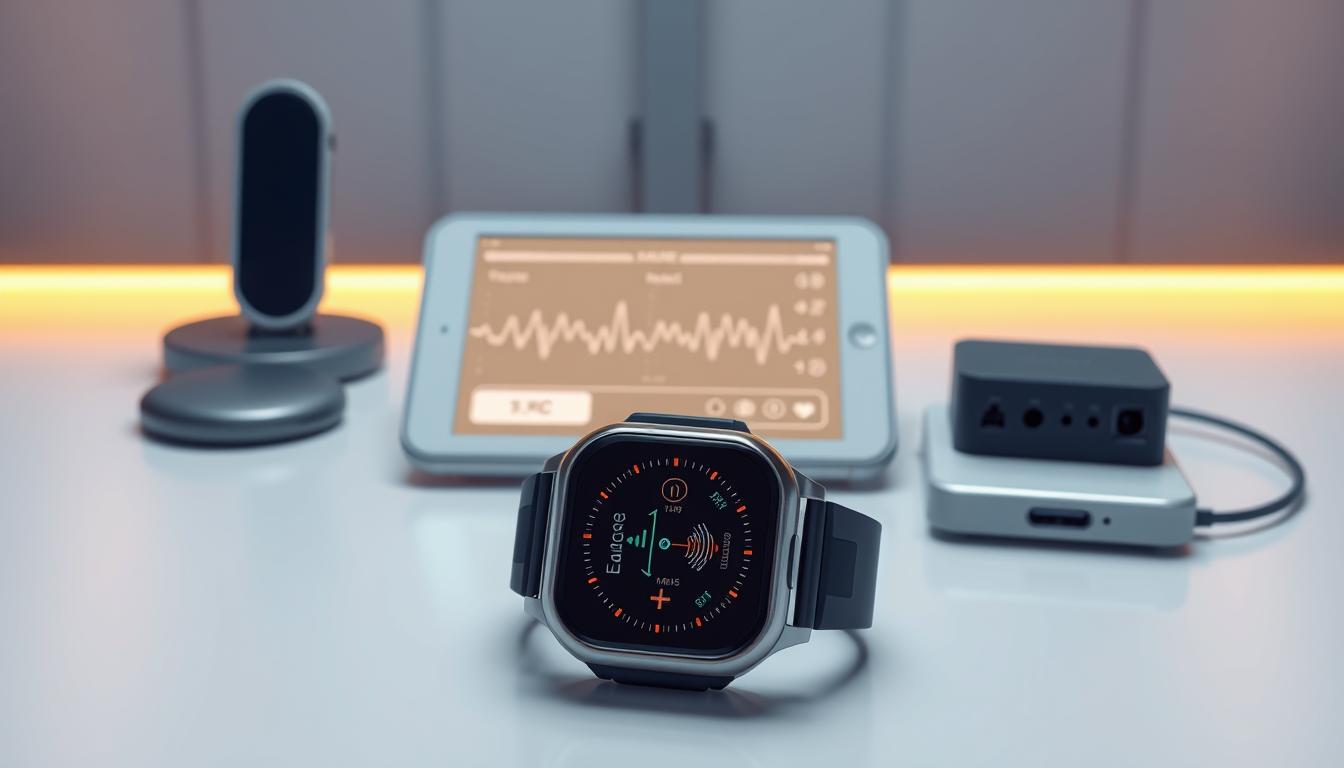
Going to the clinic can feel like climbing a mountain. For those with diabetes or heart disease, it can mean missed care and stress. Miloriano.com offers a solution: virtual care for chronic conditions that meets people where they are.
This guide sees digital healthcare as more than a convenience. It combines telemedicine, remote patient monitoring, and secure messaging. It also includes team-based workflows to improve access and lower emergency visits.
Video consultations, messaging, and RPM for vitals and glucose are key. EHR integration and AI-enabled decision support are also important.
Real-world programs show how virtual care teams work. They pair off-site doctors with nurses, pharmacists, and dietitians. This approach supports continuity and reduces readmissions.
Ambitious professionals and healthcare leaders will find strategies here. They can design, implement, and measure virtual-first models. These models deliver clinical and operational value.
Key Takeaways
- Virtual care for chronic conditions reduces barriers caused by geography and mobility.
- Digital healthcare for chronic illnesses integrates telemedicine, RPM, and secure messaging.
- Online health management for ongoing diseases supports team-based, continuous care.
- Telemedicine for chronic illness can lower emergency visits and readmissions.
- Implementing virtual care requires EHR integration, workflow changes, and provider training.
What is Virtual Care for Chronic Conditions?
Virtual care for chronic conditions uses digital tools to connect patients and doctors. It includes video visits, secure messaging, and remote monitoring. This helps manage ongoing diseases.
Definition and Importance
Virtual care sees care as ongoing, not just visits. Patients with diabetes or heart disease can share data online. This helps doctors catch problems early.
It makes care easier to get, even in places far from doctors. Workers can keep appointments without missing work. Rural patients can see specialists without long trips.
How It Differs from Traditional Care
Telemedicine for chronic illness moves many interactions online. It keeps monitoring going all the time. But, clinic visits are also key.
Team work changes too. Doctors work with nurses and pharmacists from afar. This helps keep care smooth through digital tools.
Doctors talk more with each other online. This helps get quick advice on tough cases. It also keeps an eye on patients better.
Benefits of Virtual Care for Patients
Virtual care changes how we get medical help. It means no long drives or lost work time. Instead, patients use video calls and online chats.
Clinics have special rooms for video calls. This helps those without internet at home. It makes sure everyone can get the care they need.
Increased Accessibility and Convenience
Telehealth makes it easier to see doctors. No more long trips or missing work. You can even book appointments online.
Health systems make it fair for everyone. They use video rooms or kiosks in clinics. This way, everyone can use virtual care, even without internet.
Improved Patient Engagement
Digital tools make patients more involved. They use apps and messaging to stay in touch. This helps doctors catch problems early.
Studies show better control over diabetes and high blood pressure. This is thanks to digital tools. They help patients stick to their treatment plans.
AI helps too. It makes sure patients keep their appointments. It also helps them take their medicine. You can learn more at virtual health assistant case studies.
Cost-Effectiveness for Healthcare Systems
Virtual care cuts down on ER visits. It also lowers costs for patients who need to travel. This saves money and time.
Health systems work better with virtual care. They use AI to help doctors. This makes care more efficient and reaches more people without costing too much.
- Access: fewer missed visits and more flexible scheduling.
- Engagement: better adherence through reminders and self-monitoring.
- Efficiency: lower ER visits and reduced hospital readmissions.
Common Chronic Conditions Managed via Virtual Care
Virtual care helps manage many long-term illnesses. It uses teams and technology. This section talks about diabetes, heart disease, and mental health using telemedicine.
Diabetes Management
Remote glucose monitoring lets doctors check trends between visits. They can quickly change insulin or oral therapies. Registered dietitians give video counseling, and pharmacists check medications during visits.
When remote monitoring finds dangerous readings, it can send help or speed up clinic visits. A mobile diabetes clinic showed good results. It showed how digital care can help keep follow-up on track; see a detailed study on virtual diabetes programs.
Heart Disease Monitoring
Telemonitoring tracks blood pressure, heart rate, weight, and symptoms. It helps catch problems early. Devices send data to EHRs for cardiology teams to act fast.
Remote monitoring helps reduce travel and makes clinics more efficient. Studies from Johns Hopkins and Mayo Clinic show fewer readmissions with RPM and follow-up.
Mental Health Support
Teletherapy and telepsychiatry make counseling and medication easier to get. They cut down travel and stigma. Virtual programs work with primary care for long-term support.
Digital care for chronic illnesses uses teams like counselors and nurse practitioners. They use telehealth to track mood and adherence. They call for in-person care when needed.
Wearable sensors and AI help catch changes early. Summaries show less readmissions and cost savings with these tools describing RPM and wearable AI use.
Programs mix virtual and face-to-face visits. This keeps hands-on care while making more visits possible through telemedicine.
Technology Enabling Virtual Care
Digital tools are key for virtual care for chronic conditions. They must keep patient data safe and connect with medical records. Good tech and clear rules help make telemedicine a regular part of care.
Telehealth Platforms
Video visit systems need strong encryption and follow HIPAA rules. Systems from Epic, Cerner, and Amwell work with EMRs. This shows labs, meds, and notes.
Clinic kiosks or hubs help those without internet at home. They make telemedicine reach more people in need.
Mobile Health Applications
Mobile apps make booking, reminders, tracking, and messaging easy. They send data to EHRs for better care. Good apps help keep care going smoothly for patients and doctors.
Wearable Devices and Remote Monitoring
Wearables and home devices send vital signs to doctors. They include glucose monitors, blood pressure cuffs, and more. This helps catch problems early and helps doctors act fast.
Combining devices with local services works well. For example, a health center worked with paramedics to get better results. Training and support help people use devices right.
Good internet, VoIP, secure email, and privacy checks are needed. Patients must agree to AI use for care. They should know how their data is used.
| Technology | Primary Function | Key Benefit | Example Vendors |
|---|---|---|---|
| Telehealth Platforms | Video visits, scheduling, EMR integration | Streamlines clinician workflow and records | Epic, Cerner, Amwell |
| Mobile Health Apps | Reminders, symptom logs, secure messaging | Improves adherence and patient engagement | MyChart, Apple Health, Omada |
| Wearables & RPM Devices | Continuous or periodic physiologic data | Enables proactive interventions for long-term conditions | Dexcom, Withings, AliveCor |
| AI Decision Support | Triage, scribing, risk stratification | Prioritizes urgent cases and reduces documentation time | Nuance, Google Health, Philips |
| Connectivity & Admin Tools | VoIP, secure email, network services | Supports operations and patient outreach | Microsoft 365, RingCentral, Comcast Business |
Challenges of Virtual Care in Chronic Disease Management
Virtual care is promising for managing long-term illnesses. But, there are practical challenges. Systems need to solve access, privacy, and keeping patients engaged.
Technology accessibility issues
Some areas lack good internet and not everyone has devices. Clinics can help by setting up video rooms or lending tablets. They can also provide Wi-Fi.
For older adults and those who read slowly, making setup easy helps a lot.
Data privacy and security concerns
Platforms must follow strict privacy rules. They need to explain how data is shared and used. This builds trust.
Using secure systems and checking them often is key. This keeps patient information safe.
Patient compliance and engagement
Keeping patients involved is important. Clear instructions and easy-to-use tools help. This keeps them coming back.
Helping patients understand their health and making it easy to join helps too. This keeps staff happy and patients coming back.
Workforce and workflow pressures
Doctors need training for virtual care. They also need help with paperwork. This makes sure care is good and keeps staff happy.
Having a team helps manage virtual care. This keeps quality high and staff happy.
Funding and reimbursement
How doctors get paid varies. But, clear rules help everyone. This makes sure care can grow without hurting providers or patients.
Regulatory Considerations
The rules for telemedicine for chronic illness vary a lot. Each state and the federal government has its own rules. Providers must follow these laws for licensure, privacy, and billing.
Having clear policies helps health systems grow. It also helps them manage legal risks.

Telehealth Policies in the United States
State medical boards set rules for doctors to work across state lines. Medicare and Medicaid have their own rules for telehealth. Hospitals and clinics need to keep up with these changes.
HIPAA is very important. It makes sure patient data is safe during video visits and messaging. This rule applies to telemedicine for chronic illness and AI tools in documentation.
Insurance Coverage for Virtual Care
Insurance companies have different rules for what they cover. Medicare has added some telehealth codes. But Medicaid and private insurers vary by state and plan.
Health systems need to plan how to fund virtual care. They can use salaries, blended payments, or capitation. Knowing what insurance covers helps plan programs and talk to patients.
Guidelines for Healthcare Providers
The American Medical Association and specialty societies give advice. They talk about virtual visits, documentation, and getting consent. Providers should have clear plans for checking in, escalating care, and following up.
Consent forms must explain how data will be used. They should mention AI tools and research. Data policies should cover storage, access, and audit trails for telemedicine devices.
Working together is important. Tele-mentoring, consults, and messaging need clear rules. Good governance helps reduce risks and improves patient care when growing virtual care.
Best Practices for Implementing Virtual Care
Successful programs mix clear plans with real steps. Health systems need to set up clinical paths and goals. They should also track how well care is given to everyone.
Ensuring Quality of Care
First, write down rules for common situations. This includes when patients get worse, when medicines change, and regular check-ups. Use data to see how care is fair for all.
Training Healthcare Providers
Teach doctors and nurses how to work online. They need to know about using computers, talking to patients online, and using special tools. Use guides and tools to help them learn.
Patient Education and Support
Help patients understand how to use services. Give them clear steps to follow. Make videos and guides to help them use devices and report symptoms.
Workflows are important: plan how to schedule and collect data. Don’t overload teams to avoid delays. Learn from others to improve.
Keep improving by listening to patients and others. Plan how to check if care is getting better. Make changes to help more people.
| Area | Key Action | Measure |
|---|---|---|
| Clinical Protocols | Define pathways for common conditions and escalation | Adherence rate; time-to-escalation |
| Training | Structured modules on EMR, RPM, and video care | Completion rate; clinician confidence scores |
| Operations | Scheduling templates and consent workflows | Onboarding time; administrative backlog |
| Patient Navigation | Stepwise guides, device setup help, support lines | Device activation rate; patient satisfaction |
| Equity & Evaluation | Stratified data review and stakeholder advisory | Disparity indices; improvement actions completed |
Case Studies in Virtual Care Success
Real-world programs teach us how to grow virtual care. This part looks at a community-led model and examples from the industry. They show how telemedicine and digital tools change how we care for chronic conditions.
PCFHC Integrated Virtual Care (IVC) in Renfrew County helped patients find doctors. They used video visits, messaging, and online booking. They also used remote patient monitoring (RPM).
Paramedics set up devices and taught patients how to use them at home.
More people got care because of this program. They made it easier to join and gave clear questions for patients. They used RPM data to plan care.
Real-world Examples of Effective Use
Amwell and others say virtual care cuts down on emergency visits. They use AI to help doctors and guide patients. They work with EHRs too.
Primary care networks that use remote monitoring and local help do better. They help patients take their medicine and avoid hospital stays. Using both telemedicine and local help works well.
Lessons Learned from Implementation
It’s important to have clear roles and not too many new patients at once. Training doctors helps them give the same care. Helping patients navigate helps everyone get the care they need.
Choose tech that works well with others and track important numbers. This helps make sure everyone gets the care they need. It also helps find and fix any unfairness.
- Start with clear plans and small groups to keep things simple.
- Invest in training and a systems navigator to help patients.
- Make sure everyone can get care and work with local groups for help.
- Use tech that works with other systems to make care better.
These examples show how to mix telemedicine, remote monitoring, and local help. They give a guide for teams wanting to grow virtual care. They help keep care good and fair for everyone.
Future Trends in Virtual Care for Chronic Conditions
The next decade will change how we handle long-term illnesses. New devices, software, and care models will make virtual care better. It will be more proactive and include more people.
Innovations in Telehealth Technology
Remote patient monitoring will grow with new sensors and reliable wearables. Platforms will share data with health records. Clinics will use video kiosks for patients without internet at home.
This will help teams spot trends early and change treatments quickly.
Predictions on Patient Engagement
More people will get involved through mobile apps and games. Asynchronous messaging will fit into busy lives. Virtual group visits will help build support for managing chronic illnesses.
Equity programs will provide Wi-Fi and access to clinics. This ensures everyone can participate.
The Role of AI and Big Data
AI will help with triage and predicting risks. It will also automate clinical notes, making things easier for doctors. Big data will improve health strategies and find care gaps.
It will help decide where to put resources. But, it’s important to be open about how these tools are used.
Hybrid care models will mix virtual visits with in-person care. They will also use community resources like paramedic monitoring. Teams will work together more, and specialists will reach more people.
Changes in policies and more money for remote care will help grow it. Providers should keep an eye on new rules. They should also have flexible funding for the long term. For more tips, see this guide: virtual consultations and chronic disease care.
Integrating Virtual Care into Existing Healthcare Systems
Switching to virtual care for chronic conditions needs changes in how we work and interact with patients. Planning carefully helps avoid problems and keeps care consistent. It also makes sure services grow safely and effectively over time.
Workflow Adjustments for Providers
Clinics should plan their schedules to include both in-person and virtual visits. This way, they can manage virtual visits well without messing up their usual work.
It’s important to have clear rules for recording patient data, like measurements and medication lists. Having specific roles for setting up digital tools and helping patients get started makes things easier.
Make sure doctors, nurses, and pharmacists know when to step in. Having clear rules for when to call for help makes care better and faster.
Collaboration among Care Teams
Using secure messaging and video calls helps doctors talk quickly. This helps with tough cases and improves skills of local doctors.
The IVC model teams up specialists with local health workers like dietitians and pharmacists. They work together to make care plans. Sharing patient information and regular meetings keep everyone on the same page.
Working with local services helps too. Paramedics can set up monitoring devices, hospitals can help with care transitions, and social services can help with other needs. This support helps patients more.
Patient-Centric Approaches
Make onboarding kits and tools that fit what patients like. This could be video at home, in-clinic, phone, or face-to-face. This makes patients more likely to stick with their care plans.
Having a regular doctor and keeping track of medications helps keep care consistent. Shared care plans also help avoid doing the same thing twice and keep patients in the loop.
Keep an eye on important numbers like how many people join, how often they get care, and how well care is working. This helps make the program better. Groups should watch over money, quality, and making changes.
Studies show telehealth can save money and help people get help faster. This makes a strong case for using it more. You can find more about this in a review here.
Resources for Patients and Providers
Getting the right tools and clear advice makes virtual care work well. Providers and patients need platforms that follow HIPAA rules. They should also have EMR integration, secure messaging, and tools for long-term conditions.
Look at options like Amwell for video visits and EHR support. This helps clinics use these tools smoothly.
Finding virtual care platforms
When picking a vendor, check if they offer RPM, have good uptime, and support clinical workflows. Make sure they integrate well with EMR systems. Tools from places like Providence Community Family Health Centers can help with setup and checking how well things work.
Educational materials on chronic conditions
Providers should use toolkits to make care consistent. Guides from Healthcare Excellence Canada and Canada Health Infoway are helpful. In the U.S., CMS and professional groups offer tips on telehealth.
Patient guides should explain how to use devices, book appointments, and understand privacy. This helps with managing ongoing health issues online.
Support groups and community resources
Connect patients with groups like the American Diabetes Association and NAMI. These groups offer support and learning. Local health programs and clinic help can also link patients to care.
Keep learning to make programs better. Encourage training and joining peer networks. Stay updated on payment and rules to keep virtual care going strong.
FAQ
What is virtual care for chronic conditions and why does it matter?
Virtual care uses digital tools for managing long-term illnesses. This includes video visits and remote monitoring. It helps patients get care without needing to travel.
It also helps doctors keep an eye on patients more often. This can lead to better health outcomes and fewer emergency visits.
How does virtual care differ from traditional episodic clinic care?
Virtual care uses digital tools for more frequent check-ins. It focuses on remote monitoring and team-based care. This is different from traditional care that focuses on occasional visits.
Virtual care helps keep patients engaged between visits. It also allows for proactive management of health risks.
What core capabilities should a virtual care program include?
A good program should have secure video visits and messaging. It should also include remote monitoring and integration with electronic health records. AI tools can help with decision-making.
It’s important to have clear team roles and consent processes. Options for patients without internet access are also key.
Which chronic conditions are well suited to virtual care?
Diabetes, heart disease, and mental health conditions work well with virtual care. Diabetes benefits from remote glucose monitoring and medication reviews.
Heart disease uses remote monitoring to catch problems early. Mental health conditions can get therapy and medication management remotely.
How does remote patient monitoring (RPM) improve chronic disease management?
RPM sends regular health data to doctors. This helps them catch problems early and adjust treatments. It also helps patients stick to their treatment plans.
Programs can send help when needed. This can include home visits or paramedic assistance.
Can virtual care improve access for underserved populations?
Yes, if done with equity in mind. Virtual care reduces barriers like transportation and time off work. It also reaches more people.
But, it’s important to offer help in different languages and monitor equity. This ensures everyone has access.
What technologies should organizations evaluate for virtual care delivery?
Look for HIPAA-compliant platforms. They should support video, messaging, and remote monitoring. Make sure they work with electronic health records.
Choose platforms that are easy to use and integrate with your systems. They should also support data export for quality checks.
How do platforms integrate with electronic health records (EHRs)?
Good platforms integrate with EHRs smoothly. This means data flows into the patient’s chart easily. It helps doctors make better decisions.
This integration also helps keep care consistent. It’s important for patient care.
What are the main privacy and security considerations?
Privacy and security are top priorities. Platforms must follow HIPAA and state laws. They should keep data safe and get consent from patients.
It’s also important to have clear data governance. This includes who can access data and how long it’s kept.
How should programs address technology access and digital literacy barriers?
Offer different ways for patients to access care. This includes video, phone, and in-clinic options. Help patients set up devices and provide training.
Use simple apps and materials in different languages. Offer in-person help when needed.
How do virtual care teams organize roles and workflows?
Define clear roles and workflows. This includes who does what and how tasks are done. Use templates and standards to keep things organized.
This helps balance workloads and maintain quality. It’s important for team success.
What training do clinicians need for virtual chronic care?
Clinicians need training on virtual care. This includes how to use tools and interpret data. Use toolkits and check for competency.
Peer mentoring is also helpful. It keeps skills sharp and encourages teamwork.
How do programs measure quality and outcomes?
Track key performance indicators (KPIs) like enrollment and access. Look at visit types and continuity of care. Also, track RPM use and clinical outcomes.
Monitor equity by looking at data by demographic. This helps improve care for everyone.
What reimbursement and funding models support virtual care?
There are different funding models for virtual care. This includes fee-for-service and salaried clinicians. Reimbursement varies by payer.
Consider mixed funding to support virtual care. It helps keep operations running smoothly.
What regulatory issues should U.S. programs watch for?
Watch for state licensure rules and telehealth parity laws. Make sure to follow HIPAA and stay updated on Medicare/Medicaid policies.
Keep records of consent and follow state and federal guidelines. This ensures compliance.
When is in-person care is necessary?
In-person care is needed for some things. This includes procedures and urgent situations. Virtual care can’t replace these needs.
Make sure to have clear plans for when to use in-person care. This ensures patients get the care they need.
What are common implementation pitfalls and lessons learned?
Avoid unclear roles and too much onboarding at once. Make sure workflows are integrated and equity is considered.
Learn from successful programs. They show the importance of clear roles, manageable onboarding, and strong patient navigation.
How can organizations start implementing virtual care for chronic conditions?
Start with clear workflows and choose the right technology. Pilot with a small group and invest in staff training.
Set goals and track progress. Work with community partners and plan for equity. Use feedback to improve.
What role will AI and big data play in the future of virtual chronic care?
AI will help with early detection and decision-making. Big data will improve population health. But, use these tools responsibly.
Ensure transparency and equity. This keeps care safe and effective for everyone.
Where can patients and providers find resources and support?
Providers can find resources from Healthcare Excellence Canada and CMS. Patients can get help from disease organizations and clinic navigation services.
Choose telehealth vendors that are HIPAA-compliant and work with EHRs. This ensures safe and effective care.