
“The secret of getting ahead is getting started.” — Mark Twain. This article opens with that simple challenge: act with clarity and purpose.
SaaSGyver.com guides founders through practical steps to build a product, refine pricing, and find repeatable channels for growth. Rob Walling’s track record and the stark industry stat — 95% of startups fail — sharpen the need for focused action.
We present a concise path for a solo founder or a small team to validate an idea, measure customer data, and improve the product with minimal time and funding. The resource emphasizes positioning, sales, and marketing that beat larger competitors by being nimble and deliberate.
Visit https://www.saasgyver.com to access the full saas playbook and tools that turn strategy into measurable results.
Key Takeaways
- Clear steps help founders reduce time to market and cut costly mistakes.
- Validating customers early saves money and improves product fit.
- Pricing and positioning drive sustainable growth for small companies.
- Effective channels and sales processes let small teams outmaneuver competitors.
- Data and user feedback should guide product and marketing decisions.
Defining the Lean SaaS Playbook
This guide lays out a practical framework for founders to iterate quickly, learn from customers, and grow without excessive upfront spending.
Customer feedback drives every decision. Teams build small, release fast, and measure reactions. This reduces waste and reveals what users truly value.
Focus matters: pick a niche where a small team can win. Serving a specific audience lets you design features that solve real problems and command higher retention.
Resource management is strategic. Founders prioritize high-impact work, avoid broad feature bloat, and preserve runway while validating revenue paths.
| Principle | What it forces | Expected outcome |
|---|---|---|
| Customer-led development | Short feedback cycles | Higher product-market fit |
| Niche targeting | Focused features | Better retention and pricing power |
| Resource discipline | Prioritized roadmaps | Longer runway and smarter growth |
For a deeper framework and step-by-step tools, explore the saas playbook resource that complements these principles.
Adopting the Founder Mindset
A founder’s mindset shapes daily choices and sets the tempo for product, sales, and team decisions.
Psychological Resilience
Developing mental toughness helps founders handle the push and pull of early growth. Resilience reduces frantic pivots and keeps people focused.
Rob Walling notes founders must often live with a problem for 5–10 years. That horizon forces discipline and steady work on the core idea.
Long-term Vision
A clear vision guides daily priorities and aligns a company around value, not vanity metrics.
We recommend using data to learn fast but planning for years, not quarters. This balance supports sustainable software and stronger sales over time.
- Commit to the idea long enough to test real market signals.
- Surround yourself with people who share the mission.
- Use setbacks as data to refine product and growth strategy.
For practical mindset shifts and personal positioning, see the personal brand guide and visit https://www.saasgyver.com for deeper reading.
Identifying Your Target Market
Identify a compact set of businesses where your software delivers clear value. Start by naming the companies and customer types that face the pain you solve.
Research local CSR policies and mission statements — Luca Stirbat highlights this as a fast way to find early adopters whose values align with your product. Those businesses often buy from vendors who match their priorities.
Choose a tight niche rather than trying to serve everyone. Founders who focus convert faster, learn quicker, and improve product-market fit with less effort.
- Collect data on potential customers to tailor your value proposition.
- Design your sales process to solve specific problems for that audience.
- Scale outward only after you validate demand and see measurable growth.
Practical way: test outreach with three pilot companies, iterate on messaging, then expand the list. This method reduces risk and sharpens product decisions.
Next step: use the results to refine your idea and prioritize features that matter most to paying customers. Visit https://www.saasgyver.com for tools and templates to map your market and accelerate traction.
Strategies for Competing in Crowded Markets
To outmaneuver bigger players, a founder should focus scarce time and resources on one differentiator. Pick a clear axis—pricing, sales model, or product experience—and optimize relentlessly.
Price Differentiation
Pricing can win attention fast. Offer a simpler tier, bold introductory rates, or usage-based fees that align value with cost.
Track lost deals and ask why prospects chose others. Use that data to refine your pricing and feature set.
Sales Model Innovation
Innovate the sales model: no-touch trials, self-serve onboarding, or a hybrid approach can beat high-touch sellers.
Smaller teams often convert more efficiently when the process matches the customer’s buying style.
Product UX Superiority
Product experience remains a decisive advantage. Pipedrive captured users by simplifying workflows that legacy platforms made complex.
Focus on features that remove friction for users. Over years, careful positioning and steady improvements let a small company turn size into a strength.
- Focus one niche at a time.
- Use lost-deal data to guide product and pricing.
- Leverage speed: a small team can react faster than incumbents.
Our book provides practical advice to use underdog status to your advantage and drive growth in a noisy market. Visit https://www.saasgyver.com to explore tactics and templates that scale.
Leveraging Your Position as an Underdog
An underdog company can convert frustrated users into vocal advocates by fixing pains that big players overlook.
Large companies often move slowly, have dated UX, and provide weak support. A startup that acts fast wins attention.
Start by mapping why customers leave incumbents: collect churn reasons, support tickets, and onboarding feedback. Use that data to refine positioning and product priorities.
- Offer superior support: quick responses build trust and word-of-mouth growth.
- Target frustrated users: find groups tired of legacy software and tailor messaging to them.
- Show concrete value: highlight solved problems in sales and marketing materials.
Focus on consistent, small wins. Every customer interaction is a chance to prove your company is more responsive and tuned to user needs than larger competitors.
For practical tactics on turning users into advocates, read this guide on monetization and branding with AI avatars and trend scripts: monetize a TikTok brand. Visit https://www.saasgyver.com to craft a narrative that positions your company as the clear choice for modern businesses.
Building Sustainable Moats
A startup that adds real utility to other tools makes itself indispensable to customers over time.

Defensible advantage comes from four core moats: deep integrations, a strong brand, owned traffic channels, and high switching costs.
Network Effects and Integrations
Integrations turn a product into a platform. Every connector you build increases the tool’s value for users and businesses.
Zapier shows how integrations create a network effect: once many companies link their workflows, the platform becomes harder to replace.
- Owned channels reduce dependence on third-party algorithms and deepen relationships with customers.
- High switching costs — such as critical data and workflow ties — keep users engaged and lessen churn.
- Brand and reputation are earned through consistent value and strong team support.
Collecting data on integration use uncovers new product opportunities and guides sales efforts. Prioritize these moats early; they buy time and protect growth as the market evolves.
“Every integration you add makes your platform more essential.”
Mastering the Art of Pricing
Pricing often decides whether a product scales or stalls—it’s the single lever that magnifies revenue and shapes buyer behavior.
Mastering pricing drives growth and keeps a business profitable over time. Avoid underpricing: low rates can create an impossible cac and destroy margin before you reach scale.
Use data to design a sustainable model. Analyze churn, usage, and conversion to find the sweet spot between attracting new users and capturing value from existing customers.
Test multiple tiers and measure results. Small experiments reveal which features buyers will pay more for and which audiences need lower entry points.
“Price reflects value; charging appropriately funds better product, stronger sales, and faster growth.”
| Focus | Metric | Action |
|---|---|---|
| Entry tier | Conversion rate | Test lower friction, add usage caps |
| Mid tier | ARPU | Bundle high-value features |
| Enterprise | CAC & LTV | Introduce contract discounts and SLA |
Our book offers frameworks to structure pricing that captures maximum value. Visit https://www.saasgyver.com to access tools that help optimize pricing and improve long-term growth.
Hiring and Team Dynamics
Small teams win when hiring choices and meeting discipline protect focus.
Hiring the right people is vital. It keeps the scrappy, high-velocity culture that fuels early growth.
Make sure to run efficient 1-on-1s and batch tasks. Grouping reviews reduces context switching and saves time for high-impact work.
Building a strong team takes years of steady effort. Hire people who share values and the company vision; that alignment scales with the business.
- Clear roles: everyone should know responsibilities and how they contribute to success.
- Regular communication: predictable check-ins keep priorities aligned.
- Accountability: a transparent culture attracts and retains top talent.
Companies that treat hiring as strategic — not tactical — see sustained growth. They balance product, software, and sales needs with the right people at the right time.
| Focus | Practice | Outcome |
|---|---|---|
| 1-on-1s | Task batching, weekly cadence | Less context switching |
| Hiring | Skills + cultural fit | Higher retention |
| Team ops | Clear roles and metrics | Faster decision-making |
“Investing in people is investing in the company’s future.”
Visit https://www.saasgyver.com to learn frameworks for building a team that sustains growth and withstands market change.
Implementing Effective Marketing Channels
Smart distribution lets a product meet users where they already look for solutions. Select channels that show your value quickly and drive measurable growth for the company.
Start with a simple process: pick two channels, test messages, then scale the best performer. Use short experiments so the team spends time learning, not guessing.
Make sure to track conversion and retention. Use data to compare cost per customer, and drop channels that do not help your sales model.
- Content splintering: repurpose one long asset into blog posts, email snippets, and a podcast clip to reach more users with minimal effort.
- Align with sales: match messaging to the sales process so leads convert faster.
- Test broadly: SEO, podcasts, and niche communities work at different paces—experiment to find the right mix for your market.
“Track each channel with simple experiments and let data decide where to invest.”
Optimizing SaaS Metrics for Growth
Tracking core metrics turns guesswork into strategy for any growing software company.
Monitor CAC and churn first. Keep net revenue churn in the range Airtree Ventures calls healthy: roughly -0.5% to 0.5%. Anything near 1–2% is a red flag and needs immediate action.
Use the 40/40/20 customer split to prioritize where to invest as you approach $1M ARR. That split helps founders decide which market segment to double down on.
- Track CAC vs. LTV to know when marketing and sales spending scales profitably.
- Measure product usage and users to spot rising churn before it bites growth.
- Benchmark your metrics against similar companies to set realistic targets.
“Consistent growth follows disciplined tracking and the willingness to change course when data demands it.”
We recommend using these signals to tune pricing, product, and the sales model. Visit https://www.saasgyver.com for templates that make this process repeatable and actionable.
Navigating the Product Development Process
Smart founders treat each idea as an experiment that must survive customer scrutiny first. Validation saves time and prevents costly detours in product work.
Validating Ideas with Customers
Run short customer interviews before building. Ask open-ended questions to gather honest data and avoid leading answers.
Focus on problems, not solutions: learn what users struggle with today and how they solve it now. That tells which idea deserves development.
Avoiding Feature Bloat
Keep the product focused on one core problem for users. Every new feature must map to clear business goals and measurable value.
Many founders build too much too soon. A simple platform reduces support load, speeds onboarding, and improves retention.
- Validate the idea with at least five customer interviews.
- Use open questions: “How do you handle X today?” not “Would you use Y?”
- Prioritize features that increase value, not vanity metrics.
| Stage | Key Action | Success Signal |
|---|---|---|
| Idea | Customer interviews, market tests | Consistent pain reported by users |
| Build | MVP of core feature | Usage and retention above baseline |
| Iterate | Measure, collect feedback, refine | Improved conversion and lower churn |
“By listening first, founders turn guesses into products customers actually want.”
Our book explains this process and shows how to align pricing and the sales model with real user value. Visit https://www.saasgyver.com to learn more.
Avoiding Common Founder Pitfalls
Practical caution beats chasing shortcuts when building a software company. Early choices compound quickly; simple errors in structure or messaging cost time and momentum.
Most startups register as Delaware C Corps because investors and many companies understand that structure. Choosing the right form early reduces legal friction and saves precious funding rounds.
Founders should avoid the silver-bullet hunt. Growth rarely comes from a single trick; it arrives from steady work, clear sales processes, and honest customer feedback.
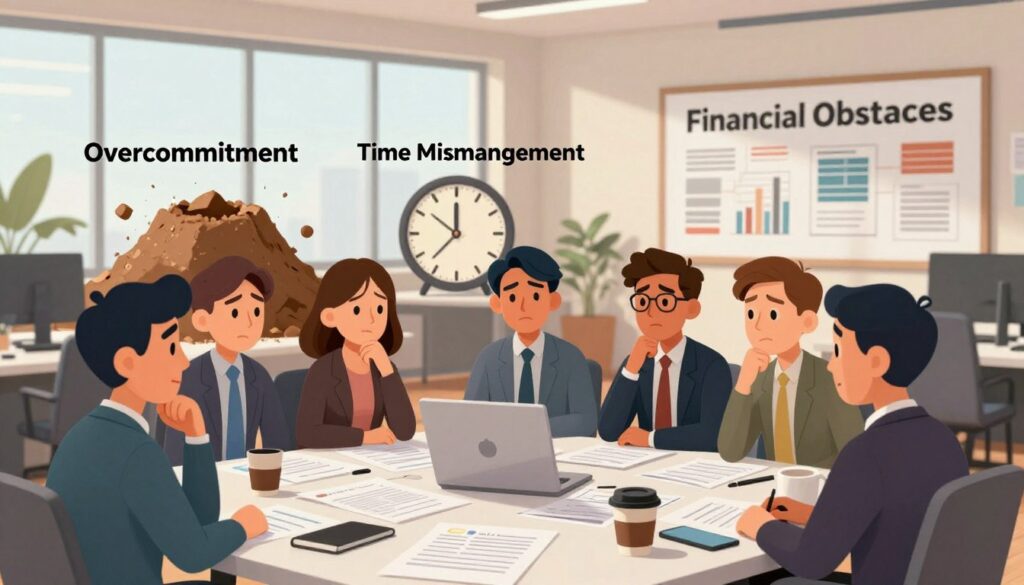
Focus on real customer value over hype. Use data to test an idea, prioritize product tasks that improve retention, and tell your story with experience—not hope.
- Stay disciplined: protect your runway and resist chasing every market fad.
- Learn from others: read the book or seek concrete advice to avoid repeat mistakes.
- Every decision—from corporate setup to roadmap—should tie back to sales and value for customers.
For a practical guide and resources, see our piece on startup pitfalls to avoid and visit https://www.saasgyver.com to build a company that lasts.
The Role of Vibe Coding in Modern Development
When time is tight, Vibe Coding helps teams focus on feel and function to deliver meaningful software quickly.
Vibe Coding represents a modern approach that blends speed and intuition. Teams rely on short experiments, quick feedback, and deliberate demos to learn what matters to users.
The method pushes developers to prioritize the overall user experience over perfection. That emphasis speeds iterations and keeps the team aligned on real outcomes.
Visit https://www.saasgyver.com to learn how to integrate these practices into your workflow and stay competitive.
“Focus on the feel of the feature; ship early, then refine based on use.”
- Build quickly: short cycles reduce wasted effort.
- Validate by touch: test how users actually interact with the product.
- Keep momentum: fresh trends keep teams motivated and the software relevant.
We believe Vibe Coding is a practical tool for teams that must iterate fast and deliver value without delay.
Scaling Your SaaS Builder Workflow
Scaling a builder workflow means turning ad hoc habits into repeatable systems that keep a team productive as the company grows.
Start with efficiency: map handoffs, standardize tools, and set a single source of truth for product work. This reduces wasted time and keeps software delivery steady.
Follow the strategies in our saas playbook to streamline operations and prepare companies for the next stage. Revisit processes every few years so systems still match goals as markets shift.
Scaling is systems, not headcount: build automation, clear roles, and metrics that support sales and marketing. That alignment keeps product work tied to revenue and customer value.
“A repeatable workflow lets startups grow without losing quality or culture.”
| Step | Toolset | Outcome |
|---|---|---|
| Document | Wikis, sprint templates | Faster onboarding |
| Automate | CI/CD, task automation | Lower manual work |
| Align | Roadmap + sales signals | Higher conversion |
| Review | Quarterly audits | Process fit over years |
Share your workflow wins and hurdles with other founders to learn and improve. Visit https://www.saasgyver.com to optimize your development cycle and build a team ready for growth.
Conclusion
Success demands clear choices, steady effort, and a tested playbook. Small teams gain momentum when they tie product work to measurable sales results and protect runway with wise time use.
We covered practical strategies for every stage — from market selection to scaling software and improving product-market fit. Adaptation, data, and consistent delivery remain the core duties of modern founders.
Take the next step: visit https://www.saasgyver.com to access the saas playbook and tools that help turn ideas into lasting businesses.
Thank you for reading. Your commitment and the time you invest will shape the impact of the product you build.
FAQ
What is the core idea behind SaaSGyver.com: The Lean SaaS Playbook for Solo Founders and Small Teams?
SaaSGyver presents a focused approach for solo founders and small teams to build software businesses fast and with minimal waste. It emphasizes quick customer validation, disciplined product scope, efficient marketing channels, and metrics-driven decisions to create a repeatable growth process without heavy funding or large teams.
How does the playbook define a "lean" approach for software businesses?
The approach prioritizes early customer feedback, rapid iterations, and measurable experiments. It recommends launching a minimum viable product, tracking unit economics like CAC and LTV, and using data to decide which features, channels, and hires to pursue—reducing risk and preserving runway.
What founder mindset does the guide recommend for long-term success?
Founders should combine psychological resilience with a clear long-term vision. Resilience helps endure setbacks and iterate quickly; vision keeps the product aligned to a meaningful outcome. The recommended mindset is pragmatic optimism: ambitious goals with disciplined, incremental steps.
How should founders identify and prioritize target markets?
Start with a tightly defined early adopter profile based on pain severity, willingness to pay, and ease of reach. Validate with qualitative interviews and small paid tests. Prioritize segments where the product delivers outsized value and acquisition channels are affordable.
What strategies work when competing in crowded markets?
Effective strategies include price differentiation for specific use cases, innovating on the sales model (self-serve vs. human-assisted), and delivering superior product UX that reduces onboarding friction. Choose one lever to optimize first, measure impact, and then broaden tactics.
How can small teams leverage their position as underdogs?
Underdogs can move faster, personalize customer relationships, and experiment without bureaucratic overhead. Use niche focus, rapid feature releases, and closer feedback loops to outmaneuver larger competitors that are slower to react.
What constitutes a sustainable moat for a software product?
Sustainable moats combine differentiated data, integrations that lock in workflows, and network effects where value grows as more users participate. Documentation, automation, and strong developer or partner ecosystems also raise switching costs over time.
How should founders approach pricing to maximize growth and retention?
Start with value-based pricing: charge based on the outcome or time saved for customers. Test multiple tiers and packaging, monitor churn and conversion rates, and use usage-based or seat-based models when they align with customer value.
What hiring and team dynamics work best for early-stage builders?
Hire for versatility and ownership. Early roles should combine product, growth, and engineering skills. Establish clear decision rights, rapid feedback cycles, and a culture of asynchronous documentation to keep a small team effective and scalable.
Which marketing channels are most effective for small software companies?
Prioritize channels that match the customer’s workflow: content and SEO for discovery, product-led growth for hands-on trials, partnerships for bundled distribution, and targeted paid ads when CAC remains sustainable. Measure channel ROI and double down on winners.
Which metrics should founders optimize for sustainable growth?
Track activation, retention, revenue per user, CAC, LTV, and churn. Early focus should be on activation (time-to-value) and retention—improvements here compound and lower the pressure on new acquisition.
How does the playbook recommend validating product ideas with customers?
Validate through structured interviews, prototype tests, concierge MVPs, and small paid pilots. Measure willingness to pay and frequency of use. Avoid building full features before observing real customer behavior and commitment.
What practical steps prevent feature bloat during product development?
Use clear success criteria for every feature, prioritize by customer value and implementation cost, and run time-boxed experiments. Maintain a public roadmap for early adopters and sunset features that don’t demonstrate measurable impact.
What common founder pitfalls should be avoided?
Avoid building for “everyone,” over-indexing on vanity metrics, hiring too quickly, and ignoring unit economics. Also beware of chasing premature scale without validated retention and a repeatable acquisition channel.
What is "vibe coding" and how does it apply to modern development?
“Vibe coding” emphasizes rapid, human-centered development—pairing creativity with pragmatic constraints. It encourages prototypes, shared ownership of code, and iterative releases that prioritize customer feedback over perfection.
How can teams scale a builder workflow without losing speed?
Standardize processes: templates for experiments, clear handoffs between product and engineering, and automated CI/CD pipelines. Keep teams small and outcome-focused; use metrics and customer feedback to decide when to expand roles or add specialized talent.