“Education is the most powerful weapon which you can use to change the world.” — Nelson Mandela.
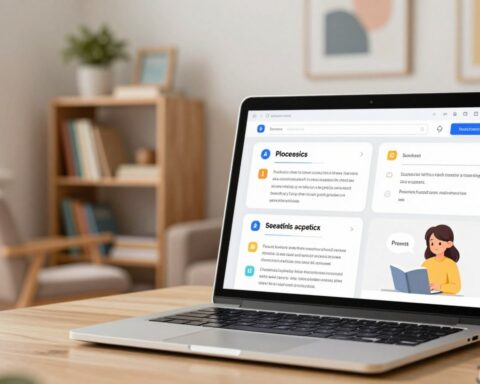
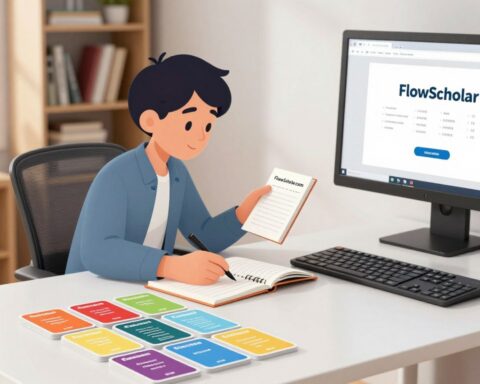
FlowScholar.com offers a robust personalized learning AI tool that meets diverse student needs in a fast-changing digital world. The platform bridges traditional classrooms and future workplace demands with clear pathways and adaptive paths.
We examine how platforms reshape professional growth across the United States. By using responsive interfaces and smart tools, organizations save significant time while ensuring each individual gets targeted support.
Our analysis guides leaders and educators through practical strategies. Visit https://www.flowscholar.com to explore solutions that transform training into dynamic, outcome-focused experiences.
Key Takeaways
- FlowScholar blends a strategic platform with adaptive features to address varied needs.
- One integrated personalized learning approach can close gaps between education and work.
- Responsive platforms and tools reduce administrative time and increase impact.
- Organizations in the U.S. are adopting systems that support professional and academic growth.
- Explore FlowScholar to design training that adapts to each participant’s path.
The Rise of AI in Modern Education
The education landscape is evolving as advanced systems reshape curriculum delivery and outcomes.
A recent IBM report warns that 1.4 billion people will need to reskill within three years due to the growth of artificial intelligence. This projection underscores why institutions in the United States are moving quickly to adopt adaptive approaches.
Schools and colleges now treat tech integration as essential—not optional. By blending targeted content with real-time feedback, these platforms help students stay competitive in a global job market.
The shift changes how knowledge is taught and retained across academic and professional sectors. Educators report better engagement, faster mastery, and clearer skill tracking when systems focus on individual progress.
- Reskilling needs are driving institutional change.
- Advanced systems speed up skill acquisition for students.
- Focused pathways reduce the risk of learners falling behind.
Understanding the Personalized Learning AI Tool Landscape
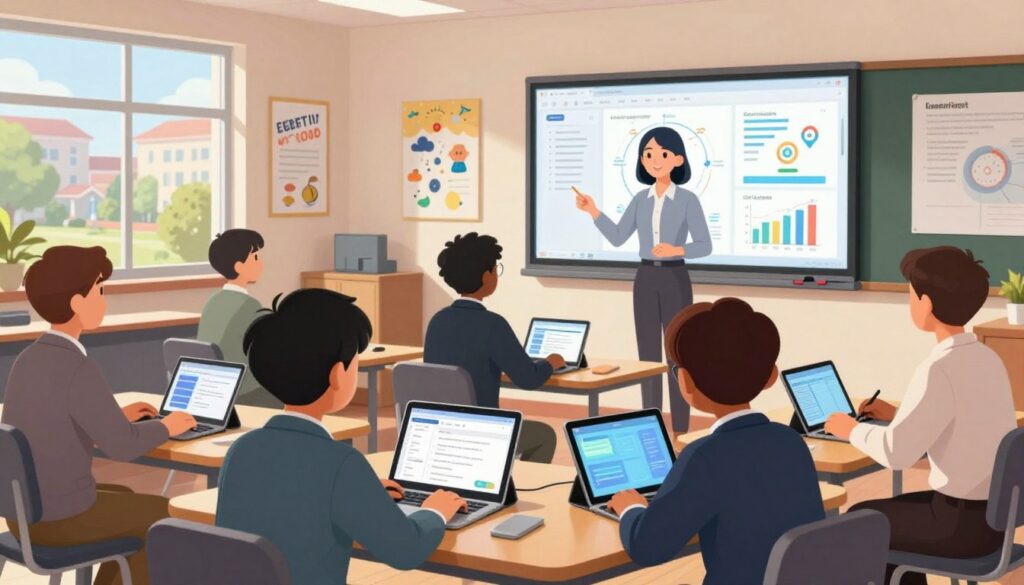
Adaptive platforms now shape how students progress through curricula by adjusting content to performance in real time.
Defining Adaptive Learning
Adaptive learning refers to systems that change the sequence, pace, or difficulty of content based on a student’s actions. These platforms gather simple signals—answers, time on task, and error patterns—to guide next steps.
Such responsiveness reduces wasted practice and targets skill gaps. That focus helps students move faster through familiar topics and spend more time on hard concepts.
The Role of Machine Learning
Machine learning powers the analysis of progress and the delivery of timely feedback. Models spot patterns in data and predict which content will boost a learner’s mastery.
When combined with analytics, these systems refine pathways and improve training outcomes over time.
- Real-time adaptions tailor practice to current skills.
- Analytics identify where students need extra support.
- Data-driven feedback creates a continuous improvement loop.
| Feature | Impact on Students | Practical Example |
|---|---|---|
| Adaptive sequencing | Faster mastery of weak areas | Remediation modules after error clusters |
| Performance analytics | Clear progress tracking | Dashboards showing skill gains |
| Predictive feedback | Reduced guesswork for instructors | Automated hints based on past responses |
For a practical guide on how to implement adaptive approaches, explore this implementation guide.
Core Benefits of Implementing AI-Driven Learning
Organizations gain speed and clarity when they adopt adaptive learning platforms that use data analytics to guide course content and practice paths.
Over 40% of business leaders report higher productivity after automating routine tasks—an outcome that frees L&D teams to focus on high-value training and strategy.
- Trackable progress: Data-driven dashboards show learner progress and pinpoint areas that need extra practice.
- Faster course creation: Machine learning models speed up content updates so resources stay current and relevant.
- Stronger outcomes: Students using adaptive programs saw a 62% increase in test scores, showing real impact on performance.
- Time savings: Automation returns time to designers and instructors, improving program quality and engagement.
- Skill alignment: Platforms tailor experiences to specific upskilling needs across the organization.
These benefits combine to improve retention, boost engagement, and create a more efficient path to professional goals. For a deeper implementation guide on adaptive learning platforms, explore this resource: adaptive learning platforms for students.
Essential Features to Look for in Learning Platforms
Choosing the right system starts with capabilities that drive outcomes for students and staff.
Top platforms combine smart assistants, rapid authoring, and skills dashboards to meet real workplace needs. These features reduce administrative time and improve course quality.
Smart Virtual Assistants
Smart virtual assistants act as go-to agents that streamline interactions. They give instant answers, automate routine admin, and deliver timely feedback to learners.
That reduces interruptions for instructors and keeps students in focused practice.
Prompt-Controlled Authoring
Prompt-controlled authoring lets subject-matter experts create content fast. It preserves quality while scaling course rollout.
Teams can update concepts quickly and keep course material aligned with current development needs.
Skills-Based Management
Skills-based management tools analyze data to target gaps and boost performance. Dashboards show which skills need short remediation or more practice.
These systems help align training with business goals and track measurable growth for students and learners.
| Feature | What it does | Benefit |
|---|---|---|
| Virtual assistant | Automates Q&A and admin | Saves instructor time; faster feedback |
| Prompt authoring | Rapid course and content creation | Scales delivery; keeps material current |
| Skills management | Maps skills and tracks progress | Targets gaps; improves performance |
For guidance on choosing a suitable platform, review an expert checklist on AI LMS selection.
How Adaptive Learning Transforms Student Outcomes
Real-time adjustment of materials can turn moments of confusion into quick mastery for many students.
Adaptive learning dynamically adjusts content to match each student’s level. Platforms use predictive analytics to spot setbacks early and route extra practice where it helps most.

The mix of video, simulations, and text-based resources keeps engagement high. Natural language analysis of lecture transcripts creates concise study aids and highlights key concepts for learners.
Integration of machine learning and data analytics improves the quality of learning experiences across demographics. Systems can even flag socio-emotional needs so instructors support the whole student.
- Faster remediation: Automated paths close gaps in specific areas.
- Real-time feedback: Students see progress and adjust effort immediately.
- Better outcomes: Performance rises when content aligns with ability and pace.
We find that these platforms save time for educators and empower learners to own their progress—turning data into clearer, more effective training.
Top Platforms for Personalized Training and Development
Top enterprise platforms now blend adaptive features with practical workflows to speed skill build-out across teams.
Organizations need platforms that turn data into clear practice paths. The right system reduces time to competence and raises performance for students and employees.
Spotlight on FlowScholar
FlowScholar.com stands out for scalable course authoring, skills dashboards, and actionable analytics that support training programs across companies.
“Select platforms that match your goals: content creation, measurable outcomes, and sustained engagement.”
- 360Learning ranks highly for collaborative course creation and peer-driven content within companies.
- Whatfix Mirror provides a safe sandbox so learners can practice workflows and reach required performance levels.
- Docebo improves discoverability with smart tagging and deep search for learning materials.
- Sana Learn transcribes meetings with speech recognition to capture institutional knowledge.
We find these platforms offer the best mix of capabilities, tools, and analytics to manage complex training. Choosing the right option creates lasting impact on skills development and engagement.
Addressing Ethical Considerations and Data Privacy
Protecting student data requires proactive policy, clear design choices, and steady oversight. Institutions and vendors must make protection a design requirement, not an afterthought.
Transparency builds trust. Platforms should disclose what data they collect, how it is stored, and who can access it. Clear disclosures let students and administrators consent with confidence.
Algorithmic bias presents real risks. Poorly designed models can amplify disparities and harm underrepresented students. Rigorous testing and diverse datasets help reduce those gaps.
- Guard data: Encrypt sensitive fields and minimize retention.
- Audit systems: Regular reviews detect bias and security flaws.
- Explain decisions: Offer interpretable feedback so stakeholders understand outcomes.
Adopting industry standards and third-party audits ensures platforms meet high protection levels. For practical guidance on implementing safeguards and ethics, review this resource on data privacy and ethical considerations.
“Ethics and privacy are not add-ons — they are core to any successful education technology deployment.”
Getting Started with Your Chosen Learning Solution
Start with clear goals: define what success looks like for your teams and students before choosing a system.
Assess needs first. Translate business priorities into measurable development goals. List the skills you want to build and the performance gaps to close.
Assessing Your Organizational Goals
Break objectives into short, trackable targets. Use data to rank which areas will yield the biggest returns in time and performance.
Decide which metrics matter: course completion, skill gains, or reduced time-to-competence. These shape platform selection and analytics needs.
Mapping Out Learning Pathways
Build modular courses that stack. Each module should reinforce prior content and lead to measurable progress.
Ensure the platform can adjust content based on individual performance. Real-time feedback and analytics help trainers intervene when practice stalls.
| Starter Step | Action | Outcome |
|---|---|---|
| Goal audit | Define 3–5 measurable targets | Clear selection criteria for platforms |
| Data review | Analyze performance and engagement | Prioritize areas for course and skills work |
| Modular design | Break training into short courses | Faster mastery and better retention |
| Platform check | Verify analytics, feedback, and adjust content ability | Aligned system that supports learners |
Takeaway: Start small, use data, and choose a platform that supports modular courses and real-time analytics. This approach creates engaging experiences and steady progress for learners.
Conclusion
Well-designed systems give fast feedback and adaptive paths that boost performance across teams. These approaches make personalized learning a practical standard. They help students and staff move from knowledge to measurable skill.
Choose platforms that deliver concise content, clear metrics, and timely feedback. Align training with real needs and track progress for each learner. This focus keeps learners engaged and improves outcomes.
The future of education is bright: targeted systems and smart workflows close skill gaps and scale impact. Visit https://www.flowscholar.com to see how FlowScholar turns strategy into results and drives meaningful growth for organizations.
FAQ
What is FlowScholar.com and how does it support adaptive instruction?
FlowScholar.com is a platform that integrates advanced adaptive systems and analytics to tailor instruction to individual student needs. It analyzes performance data and adjusts content, pacing, and practice so learners receive targeted resources and feedback that improve skills and engagement.
How does the system use machine learning to improve outcomes?
The platform applies machine learning models to identify patterns in performance, predict areas of struggle, and recommend interventions. These models continually refine recommendations based on new data, boosting accuracy in assessment, pathway suggestions, and content sequencing.
What are the core benefits of deploying an AI-driven education platform in a school or company?
Benefits include improved learner outcomes through tailored instruction, efficient use of instructor time, data-driven progress tracking, and scalable delivery of personalized experiences. Organizations also gain insight into skills gaps and can align training to measurable goals.
Which essential features should decision-makers look for in a modern learning platform?
Key features include adaptive content engines, robust analytics dashboards, smart virtual assistants for on-demand support, prompt-controlled authoring for quick course design, and skills-based competency management to map growth and certification.
What is a smart virtual assistant and how does it help learners?
A smart virtual assistant offers real-time help, answers questions in natural language, and guides learners through concepts or tasks. It reduces friction, provides instant feedback, and frees instructors to focus on higher-value coaching and curriculum refinement.
How does prompt-controlled authoring speed content creation?
Prompt-controlled authoring lets educators and trainers generate or modify modules quickly using guided prompts and templates. This accelerates course development, standardizes quality, and enables rapid iteration based on learner analytics.
What does skills-based management entail and why is it important?
Skills-based management maps competencies to learning activities, tracks mastery, and ties progress to roles or career paths. It ensures training aligns with organizational needs and helps learners build concrete, measurable capabilities.
Can adaptive platforms improve retention and engagement?
Yes. By presenting the right challenge at the right time and offering personalized practice, adaptive platforms increase motivation and reduce dropout. Analytics also surface disengagement early so educators can intervene effectively.
How does FlowScholar handle data privacy and ethical use of learner information?
FlowScholar follows strict data governance, uses encryption, and adheres to applicable privacy standards. The platform limits data access, anonymizes analytics where possible, and provides transparency about how models use learner data to make recommendations.
What steps should an organization take when selecting and implementing an adaptive learning platform?
Start by assessing organizational goals and learner needs, map desired learning pathways and skills outcomes, pilot with representative groups, measure impact with clear metrics, and scale based on results and feedback loops.
How long does it typically take to see measurable results after deploying an adaptive solution?
Many organizations observe early indicators—improved engagement and formative gains—within weeks. More substantial shifts in mastery and performance metrics often appear after a full learning cycle, commonly three to six months, depending on scope and adoption.
Are these platforms suitable for different education levels and corporate training?
Yes. Adaptive systems scale across K–12, higher education, and corporate settings by adjusting content complexity, assessment design, and competency frameworks to fit each audience’s goals and constraints.
How does analytics help instructors and administrators make better decisions?
Analytics provide granular insights into learner progress, content effectiveness, and skills gaps. Administrators can prioritize resources and instructors can tailor interventions—both decisions are driven by real-time evidence rather than guesswork.