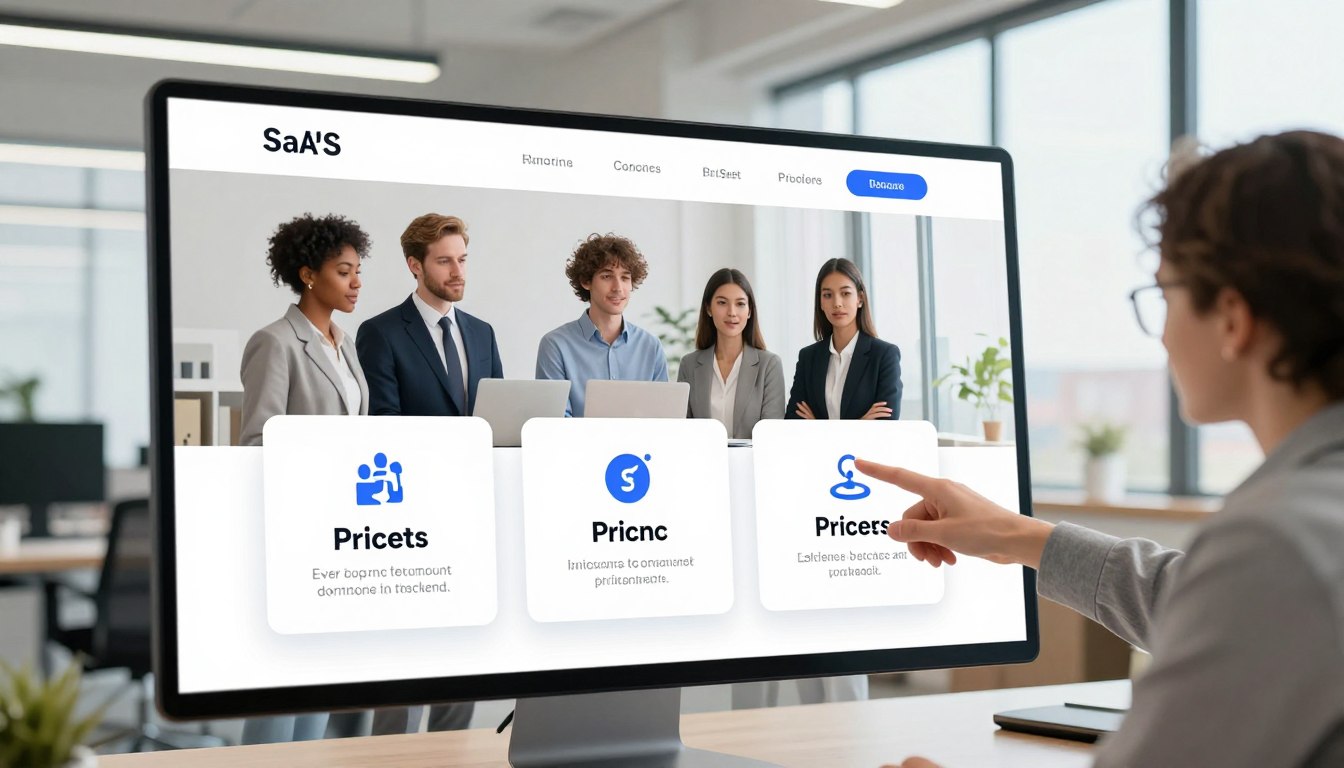
“The secret of getting ahead is getting started.” — Mark Twain. This line frames the urgency: visitors decide fast, and transparency wins trust. Today’s B2B buyers expect clear numbers and simple tiers to make a quick, confident choice.
When companies neglect the pricing page, they lose leads who want straightforward options. A well-structured pricing page acts as the decision hub: clear tiers, a concise feature comparison, and direct CTAs reduce friction.
Scriptos.ai helps teams align product structure with user expectations. By applying best practices and real examples, teams can redesign a pricing page to guide visitors through plan selection and build trust fast. For a practical walkthrough, see this saas pricing page guide.
Key Takeaways
- Transparent pricing shortens decision time and builds trust.
- Design clear tiers and a feature table to reduce confusion.
- Use targeted CTAs per plan to guide action.
- Analyze pricing pages to find and fix friction points.
- Real-world examples help teams organize tiers for higher conversion.
The Critical Role of Pricing Pages in SaaS Growth
A pricing page often acts as the final checkpoint that turns browser interest into committed customers. It is where product details, tiers, and price meet user intent—so design must reduce friction and speed decision-making.
Research shows 86% of B2B buyers prioritize transparent numbers when evaluating software. When saas companies hide fees or bury plan details, visitors leave for competitors that make choices clear.
User experience matters: simple tier names, a clear toggle for annual versus monthly billing, and a concise feature table help teams shorten the path from interest to purchase.
- Test every CTA from hero to footer to know what drives action.
- Use a compact comparison table so customers scan options fast.
- Include enterprise signals—logos and an easy contact path—for larger buyers.
Conclusion: Treat the pricing page as a strategic asset. Optimize structure, test elements, and measure how users interact to increase conversion and trust.
Mastering Offer Clarity, Pricing Page Copy, Value Communication, and SaaS Positioning
Explicit outcomes tied to each tier guide visitors toward the right plan quickly. Start by defining a compact value statement that explains what the product does and who benefits most.
Defining your value proposition
Focus on outcomes, not specs. Describe the main result a customer gets in one sentence. Use that line in hero text and above the feature comparison to align expectations.
Aligning messaging with user needs
Map common user questions to each plan. Keep messaging simple so users scan and compare without friction. Reinforce trust by showing who uses each plan and why it fits them.
“Make the right plan obvious — tie benefits to job-to-be-done.”
Quick checklist:
- Show clear plan purpose.
- Highlight one key outcome per tier.
- Position CTAs to match user intent.
| Plan | Best For | Key Feature | CTA |
|---|---|---|---|
| Starter | New teams | Core workflows | Get Started |
| Growth | Scaling teams | Advanced analytics | Try Growth |
| Enterprise | Large orgs | Single sign-on & support | Contact Sales |
Why Simple Tier Names Outperform Creative Gimmicks
Most visitors decode plan intent instantly when labels use standard terms like Pro or Enterprise.
Simple names reduce cognitive load and speed decisions. Users can scan a pricing page and find the right plan in under ten seconds.
Standard terminology borrows common mental models from other products. That familiarity removes friction and builds trust.
A clear structure helps customers compare options. When tiers map to specific jobs-to-be-done, visitors see which product fits their needs without a decoder ring.
- Use short, recognizable names for tiers.
- Match each tier to a customer segment.
- Keep the design clean so each feature and price stands out.
“Every plan name should guide the user — not puzzle them.”
| Tier | Best For | Key Feature |
|---|---|---|
| Starter | Individual users | Core workflows |
| Pro | Growing teams | Advanced analytics |
| Enterprise | Large customers | SSO & support |
Recommendation: avoid quirky names that alienate professionals. Consistent naming across pricing pages keeps the brand professional and makes CTAs more effective.
Moving Beyond Features to Highlight Tangible Outcomes
The best pricing experiences translate features into dollars and hours saved—simple, relatable metrics.
Focusing on time and revenue savings
High-converting pricing pages show impact. State how many hours a plan saves or the typical revenue uplift clients see.
That concrete framing helps busy decision-makers compare plans quickly and justify the price.
Use calculators and short case studies to quantify results. A quick ROI calculator or one-paragraph example makes outcomes believable.
| Metric | Starter | Growth | Enterprise |
|---|---|---|---|
| Hours saved/week | 3 | 10 | 25 |
| Avg revenue impact | +$200/mo | +$1,200/mo | +$6,000/mo |
| Best used for | Individuals | Scaling teams | Large customers |
For guidance on aligning outcomes with market position, see brand positioning. Clear comparison tables and outcome-focused messaging build trust and drive visitors toward the right CTA.
Guiding User Decisions Through Visual Hierarchy
Visual cues steer decisions faster than text—smart layout wins attention in seconds. Design choices guide the eye and reduce the mental work required to compare plans.
The Webflow model shows how a sticky nav and a monochromatic UI keep focus on the most important elements. Contrast, spacing, and bold CTAs nudge visitors toward the most popular plan.
Badges and highlights draw attention to the plan that fits most users. A single highlighted tier simplifies comparison and lowers cognitive load.
- Use contrast and whitespace to lead the eye from headline to price.
- Place CTAs where they are visible without long scrolling.
- Show a compact feature table so users can scan differences quickly.
We recommend measuring interactions to refine design. Small adjustments in layout or tier emphasis often raise trust and conversion for enterprise and smaller buyers alike.
For practical layout guidance, see this pricing design guide.
The Strategic Advantage of Limiting Pricing Options
A compact menu of plans speeds decisions and highlights the best path forward for users. Limiting a saas pricing page to three core tiers reduces noise and prevents decision fatigue. Users scan faster and choose with confidence.
Focus beats friction. When companies list dozens of options, visitors often leave without picking a plan. A simplified pricing page keeps the most popular plan front and center.
Design the page with a monthly/annual toggle so visitors can switch billing rhythm without extra options. Keep the comparison table tight: three plans, three to five key features.
- Three tiers reduce cognitive load and increase conversions.
- Use a short table for quick comparison of features and price.
- Highlight the most-selected plan with subtle visual cues and CTAs to guide visitors.
| Tier | Best for | Key feature | Monthly price |
|---|---|---|---|
| Starter | Individuals | Core workflows | $9 |
| Growth | Scaling teams | Advanced analytics | $39 |
| Enterprise | Large companies | SSO & support | Contact |
We recommend testing which options users pick and iterating. Consistent, lean design across all pricing pages builds trust and makes product comparisons straightforward.
Building Trust at the Final Commitment Point
At the final checkout, small trust signals often make the difference between a conversion and an abandoned cart.
Security and privacy badges belong near the payment area. Display TLS, PCI, and a clear privacy note so users feel secure before they enter card details. These badges reduce hesitation and raise confidence in the product.
Security and privacy badges
Place badges close to the CTA and form fields. Keep them visible but unobtrusive so the core pricing information stays the focus.
Using testimonials for reassurance
Social proof matters: short quotes, customer logos, and star ratings validate the decision. Use tight testimonials that reference outcomes tied to a plan or feature.
- Show a compact FAQ that answers common questions and removes last doubts.
- Highlight logos of real customers to reinforce trust across pages.
- Analyze where users drop off and add targeted trust signals at those touchpoints.
“A single credible endorsement can tilt a hesitant user toward action.”
Leveraging Scriptos.ai for Deeper Product Analysis
Scriptos.ai turns product signals into specific, testable changes that improve conversion. Founders and product owners use the platform to analyze how each plan and feature reads on a pricing page.
Products SaaS (https://www.scriptos.ai/try/products-saas) delivers actionable insight: it flags confusing lines, suggests clearer segmenting, and ranks features by buyer impact.
Use Scriptos.ai (https://www.scriptos.ai) to benchmark your pages against industry examples. The tool shows where your product messaging diverges from what users expect.
- Identify which plan descriptions reduce signups.
- Compare feature sets to target-audience needs.
- Export suggestions to iterate design and plan labels fast.
| Insight | What it Finds | Action | Impact |
|---|---|---|---|
| Message drift | Misaligned plan text | Rewrite hero and bullets | Faster user decisions |
| Feature gaps | Missing comparisons | Add clear feature rows | Higher plan fit |
| Benchmarks | Top competitor examples | Apply tested design patterns | Better conversion |
Data-backed reviews make each pricing page a measured experiment.
Essential Elements of a High-Converting Pricing Menu
A concise pricing menu acts like a map: it points users to the quickest route to purchase. Keep the layout tight and the language modular so visitors scan options and decide fast.
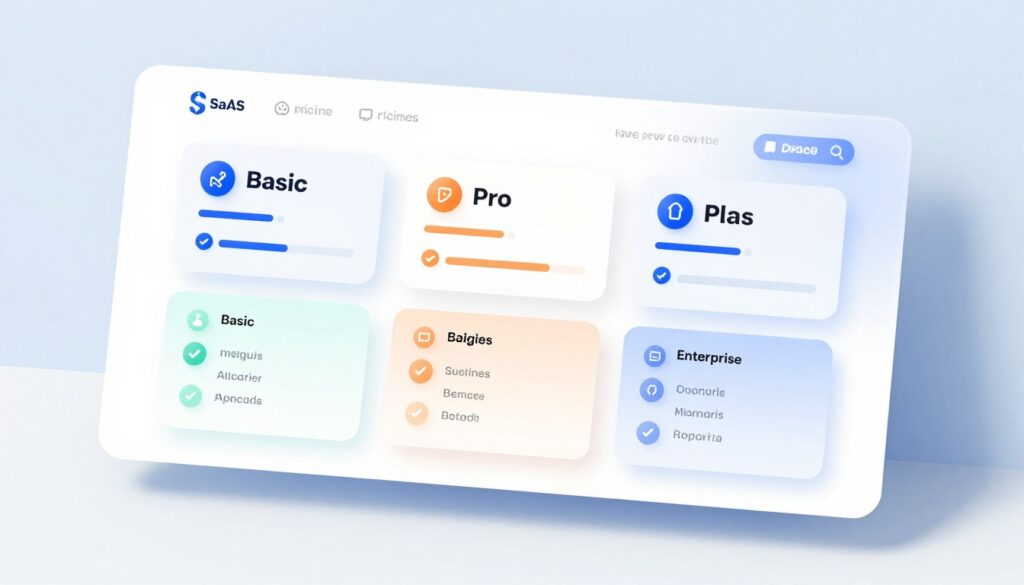
Define whether you use a flat fee, per-user license, or usage-based model. Each model changes how users see price and fit.
Selecting the right value metric
Choose one metric that ties cost to outcome — seats, tasks, or events. Notion is a useful example: minimal, modular, and icon-led language helps users understand what they pay for.
Implementing clear calls to action
Place a distinct CTA under each plan. Use short verbs and matched intent so users take immediate action without second-guessing.
Design matters: use contrast, concise tier names, and a compact comparison table so differences stand out.
| Element | Why it matters | Quick fix |
|---|---|---|
| Billing model | Shapes buyer expectations | List with examples |
| Value metric | Links price to outcome | Show per-unit impact |
| CTAs | Drives conversions | Distinct, action-led labels |
Structuring Effective Feature Comparison Tables
Organize similar features together to speed decision-making across plans. Group capabilities into clear categories—security, integrations, analytics—so visitors read horizontally and spot real differences fast.
Use visual signals like icons or checkmarks to make complex comparisons digestible. A compact legend and consistent symbols reduce scanning time and help users match features to needs.
Design the comparison for both desktop and mobile. Collapse secondary rows on small screens and keep three to five key feature lines visible without scrolling. This approach preserves readability for busy users.
Measure interactions: heatmaps and click data show which rows matter most. Iterate by removing low-impact features and highlighting the metrics that drive conversions.
“Clear comparison tables build trust by showing exactly what each plan includes.”
- Group features into logical categories.
- Highlight higher-tier benefits without overwhelming readers.
- Ensure the table reads well on phones and laptops.
| Category | Starter | Growth | Enterprise |
|---|---|---|---|
| Core feature set | ✔ | ✔ | ✔ |
| Advanced analytics | ✔ | ✔ | |
| SSO & support | ✔ | ✔ |
Optimizing for Mobile and Global Accessibility
Many users open a pricing page on a phone; design to let them compare plans without pinching or scrolling.
Make the layout responsive. Keep the core comparison visible on small screens. Collapse secondary rows, keep three to five key features in view, and place CTAs where thumbs can reach them.
Handle international currency conversion so users see familiar amounts. Show local currency selectors or auto-detect by IP and display converted totals alongside the default unit.
Test the design on multiple devices and networks. Check that tables remain readable and buttons never overlap. Track mobile traffic to find where users drop off and iterate.
- List clear currency options near prices to build trust for global buyers.
- Use compact comparison rows so users scan features fast on phones.
- Measure conversions by device and prioritize fixes that lift mobile performance.
“Mobile-friendly pricing pages convert more users researching on their phones.”
| Challenge | Fix | Impact |
|---|---|---|
| Unreadable tables | Collapse secondary rows | Faster scans |
| Currency confusion | Auto-detect + selector | Higher trust |
| CTA reach | Thumb-friendly placement | More clicks |
Using Social Proof to Validate Your Pricing Tiers
Seeing respected brands use a product gives visitors immediate confidence. Logos from HBO or BlackRock signal that the plan can scale and protect large customers.
Place social proof where decisions form: between the pricing menu and the features comparison. This spot connects trust signals directly to a user’s plan selection and the comparison that follows.
Use short testimonials that name results: hours saved, revenue lifted, or smoother onboarding. Bullet-style quotes work best—scannable, specific, believable.
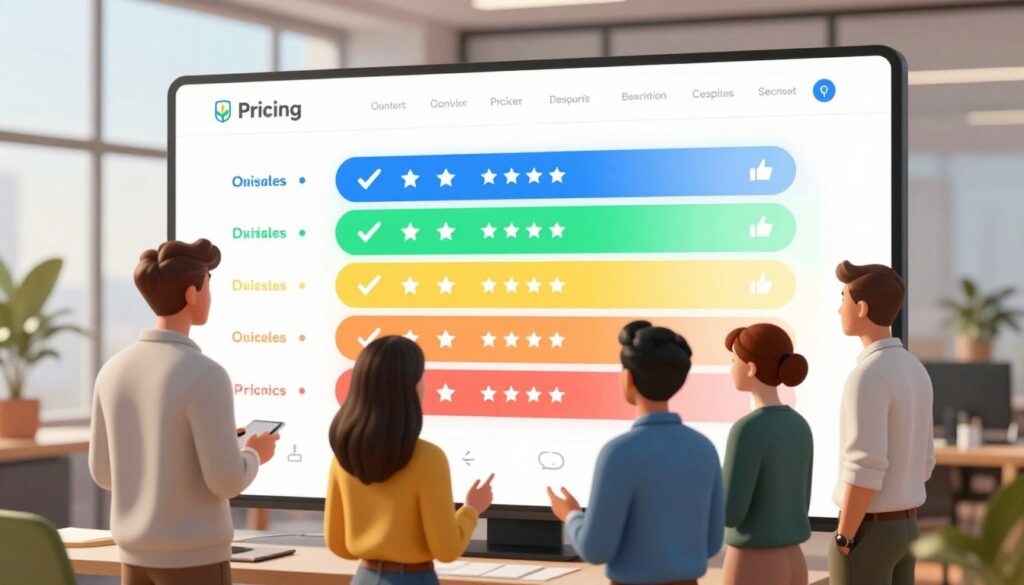
“Showing real customers reduces doubt faster than a long feature list.”
Design the logos and quotes in a clean grid so they support—not distract from—CTAs. Test which testimonial types lift conversions and rotate the top performers.
| Proof Type | Placement | Benefit |
|---|---|---|
| Brand logos (HBO, BlackRock) | Above comparison | Instant trust signal |
| Short testimonials | Near each tier | Shows plan fit by outcome |
| Case snippets | Below features | Quantified results |
Analyzing User Behavior to Refine Your Messaging
Watching how visitors move across your pricing page reveals the exact moments they decide or stall. That insight turns vague hunches into precise fixes: wording tweaks, layout shifts, or different plan emphasis.
Record sessions and build heatmaps to see where users click, hover, and drop off. These tools show which plans draw attention and which features get ignored.
Measure time on section and scroll depth. If visitors skim past comparisons, the structure or design needs tightening. If they linger but do not convert, the price or description may lack impact.
Treat every pricing page as a living guide. Test alternate headlines, badges, and CTA labels. Run small experiments and roll forward winners.
Data-driven strategies win over guesswork. Consistent analysis across pages keeps teams responsive to users and ahead of competitors.
- Use session recordings to spot hesitation points.
- Apply heatmaps to prioritize layout changes.
- Iterate copy and structure based on real user data.
“Convert observation into action: every test reduces friction and increases confidence.”
Common Pitfalls That Kill SaaS Conversions
Small details on a pricing page can quietly repel the exact customers you want. Fixing those elements is often the fastest path to higher signups.
Avoiding feature overload
Too many features creates cognitive friction. When tables spill dozens of rows, users stop scanning and leave.
Keep each plan focused on its primary job. Highlight three to five differentiators per tier and group similar items together. We recommend testing which rows users read and removing low-impact features.
Eliminating hidden fees
Surprise charges kill trust. Show all costs up front and use clear labels for billing rhythm and extra fees.
Every pricing pages must be free of hidden costs—that reduces churn and protects reputation.
“Simplicity and transparency on a pricing page turn hesitant visitors into customers.”
| Problem | Why it hurts | Quick fix |
|---|---|---|
| Feature overload | Confuses users and increases drop-off | Limit to 3–5 key features per plan |
| Hidden fees | Breaks trust at checkout | List all fees and billing examples |
| Dense layout | Slows scanning and decisions | Use whitespace and clear headings |
Analyze your saas pricing page regularly. Use tests and session data to remove friction. For guidance on packaging services and presenting clear plans, see this pricing and packaging guide.
Conclusion
Small layout choices can transform hesitation into a quick signup for the right plan. Focus on what users scan first: headings, prices, and a single highlighted choice. Keep the structure clean and the copy direct.
Mastering saas pricing pages is an ongoing process. Test headings, visuals, and CTAs to learn which plan converts best. Use data to guide each change and keep users at the center of decisions.
Design matters: simple tables, thumb-friendly buttons, and clear testimonials reduce doubt. Review your pages regularly to spot friction and drive steady growth.
FAQ
What is the fastest way to clarify a SaaS offering for prospective buyers?
Start by defining a single, measurable benefit that matters to the buyer—time saved, revenue gained, or error reduction. Use that benefit as the headline across plans and detail outcomes in short bullets. Test messaging with user interviews and click data to validate which promise resonates.
How should companies structure tiers to reduce decision fatigue?
Limit options to three sensible tiers: entry, core, and premium. Use clear, descriptive names tied to user intent—for example, Starter, Growth, and Scale. Highlight the recommended plan visually and call out the most common use case to guide choice.
Which elements belong on a high-converting menu of plans?
Include price, billing cadence toggle, value metric (per user or per usage), top-level features, and a bold call to action. Add trust signals—security badges, money-back terms, and short testimonials—close to the CTA to reduce friction at the commitment point.
How can teams show outcomes rather than listing features?
Translate features into benefits: state time saved per task, percentage uplift, or dollars recovered. Use concise examples and micro-case studies that quantify impact. This shifts attention from product attributes to business results.
When should a company use usage-based pricing versus per-seat pricing?
Choose usage-based when value scales with consumption (API calls, data processed). Prefer per-seat for collaborative tools where value tracks headcount. Hybrid models work when both drivers matter—just keep the metric clear for buyers.
What are best practices for building a feature comparison table?
Organize rows by outcome-focused capabilities, not internal modules. Place the most popular plan in the center column and use checkmarks, limits, or exact quotas. Keep labels simple and avoid overwhelming technical detail; link to deeper docs for power users.
How many pricing options is too many on one page?
More than four choices usually increases cognitive load and lowers conversions. If multiple variants exist for distinct segments, separate them behind a segment chooser (e.g., Freelancer vs. Enterprise) or surface advanced options on a secondary page.
What trust signals most influence buyers at checkout?
Security certifications (SOC 2, ISO), clear privacy and refund policies, and authentic customer testimonials with logos and metrics. Real-world outcomes and short quotes from recognizable brands reduce perceived risk and accelerate decisions.
How should mobile and international users be accommodated on plan pages?
Use responsive tables that stack cleanly on small screens, keep CTAs prominent, and offer a currency toggle with logic for local pricing. Communicate billing terms and taxes upfront, and localize copy to match regional expectations.
What common pitfalls reduce conversion on pricing menus?
Feature overload, hidden fees, unclear billing cycles, and vague value claims. Remove jargon, disclose total costs, and emphasize the primary benefit per tier. Run usability testing to catch sticking points before launch.
How can Scriptos.ai assist teams in refining plan messaging?
Scriptos.ai analyzes product descriptions, competitor pages, and user feedback to suggest tighter headlines, outcome-focused bullets, and testable hypotheses. It surfaces language patterns that drive engagement and helps prioritize experiments.
How should enterprise buyers be handled differently on a pricing page?
Offer a clear path to human engagement—“Contact Sales” with an estimated response window, tailored collateral, and a short form capturing company size and goals. Highlight SLAs, onboarding support, and integration capabilities to match enterprise needs.
What role do testimonials and logos play in validating tiers?
Social proof signals credibility and demonstrates fit. Use short customer quotes tied to measurable outcomes and recognizable logos near the relevant plan. Rotate testimonials to keep the page fresh and aligned with target segments.
How can teams measure which plan messaging performs best?
Track funnel metrics—page visits, plan clicks, trial starts, and conversion rates—by variant. Run A/B tests on headlines, CTAs, and tier order. Combine quantitative data with session recordings and user interviews for deeper insight.
When is it worth renaming tiers versus changing benefits?
Rename tiers when names confuse target buyers or misalign with buyer intent. Change benefits when data shows users are choosing based on specific capabilities not currently emphasized. Test both—name and content—to find the clearest match.