“Education is the kindling of a flame, not the filling of a vessel.” —Plutarch.
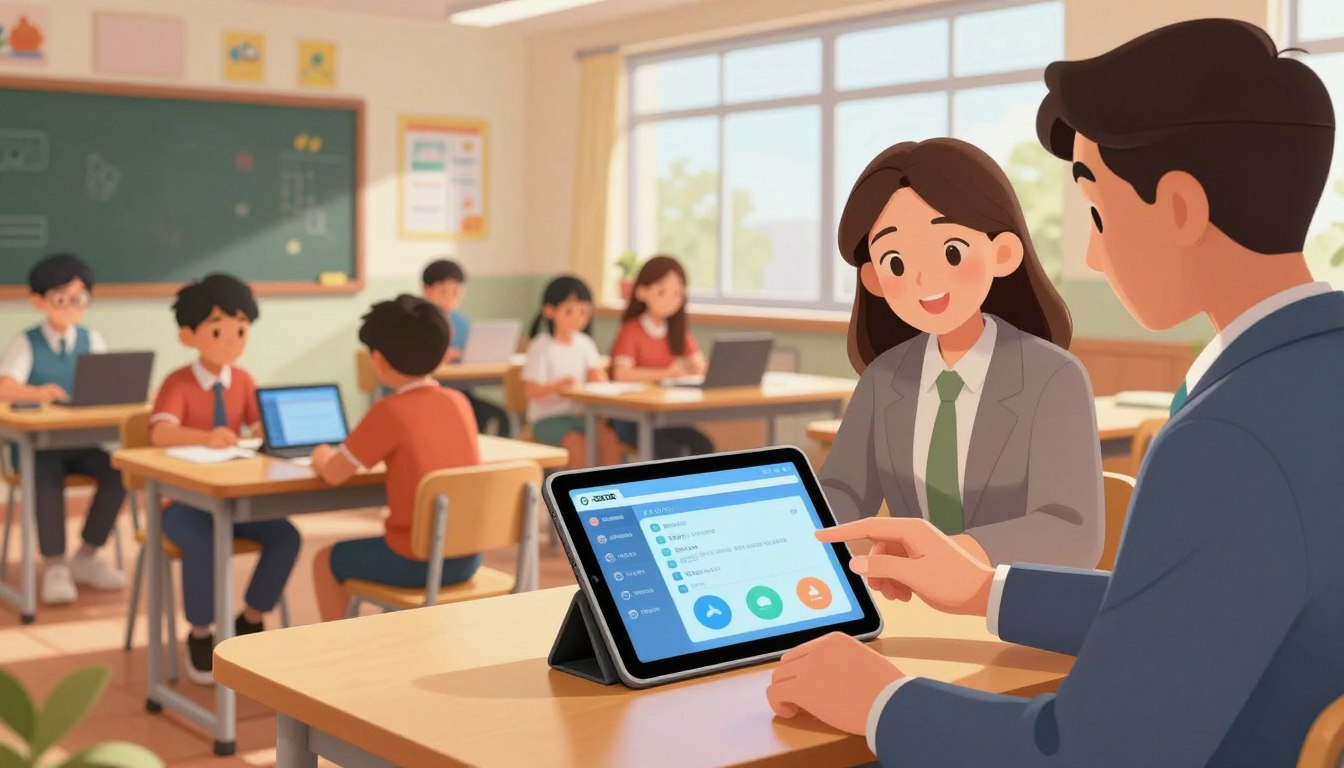
Many educators in the United States juggle heavy workloads—some logging up to 54 hours a week—and lose precious time that could be spent with students. FlowScholar.com offers a modern platform designed to streamline planning and materials creation so educators can reclaim that time.
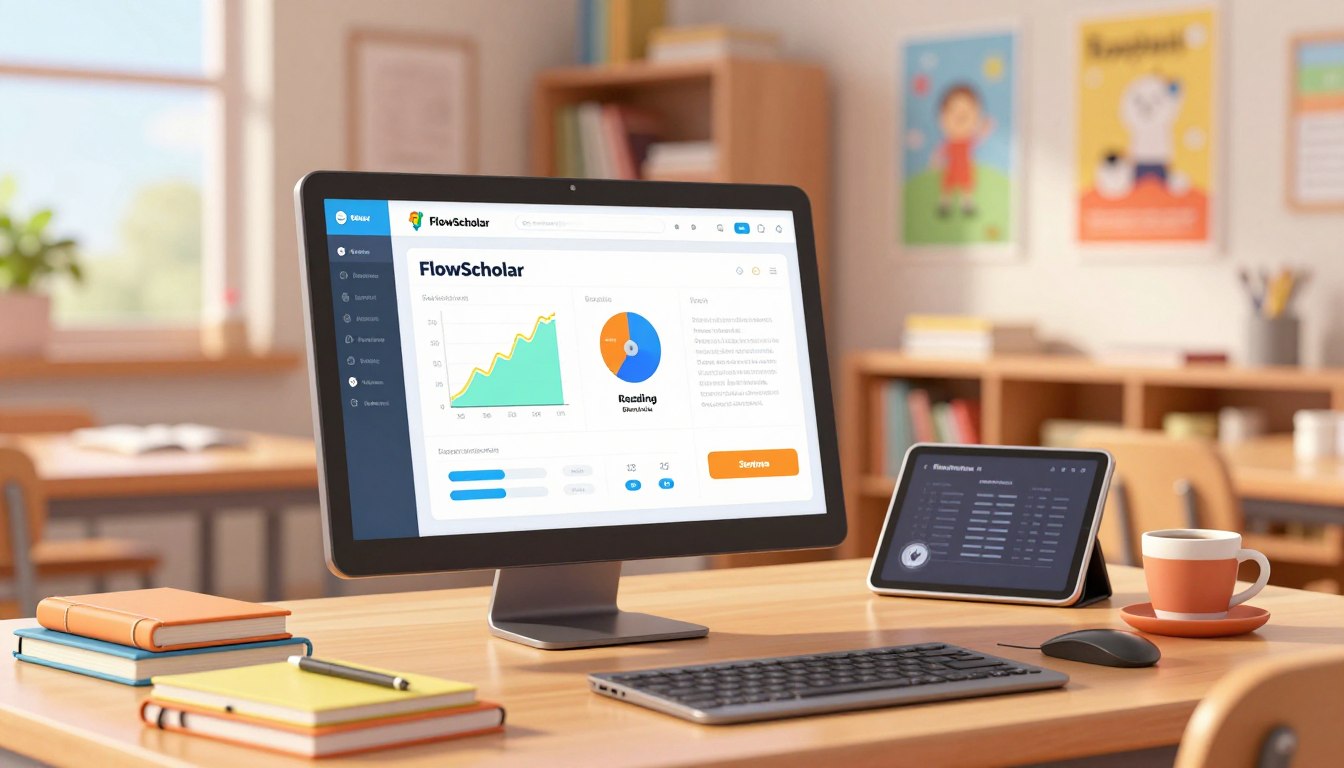
FlowScholar automates lesson creation, aligns content to standards, and provides customizable templates for any grade level or subject. The tool helps teachers produce lesson plans, worksheets, and activities quickly while keeping learning objectives central.
By reducing administrative overhead, FlowScholar empowers educators to focus on student growth and classroom instruction. Explore practical adoption tips and time-saving workflows in this guide, and learn how districts combine platforms to measure minutes saved and gains in student outcomes. For deeper implementation strategies, see this overview on building AI-powered educational tools: AI-powered educational tools.
Key Takeaways
- FlowScholar reduces planning time and automates lesson and materials creation.
- The platform aligns lessons and worksheets to academic standards and grade levels.
- Custom templates support diverse learners across math, reading, and writing.
- Educators can shift effort from paperwork to meaningful student learning.
- Adopting targeted tools yields measurable time savings and improved outcomes.
The Evolution of Modern Lesson Planning
Lesson planning has moved beyond paper and file cabinets. Digital platforms now help educators manage layered curriculum needs with clarity.
Modern planning strikes a balance between strict standards and flexible methods that support diverse learning. AI-driven tools can generate a complete lesson in minutes, cutting hours of manual work each week.
“Effective planning today is not about storing documents; it is about creating dynamic lessons that respond to real-time feedback.”
That shift changes how teams design learning experiences. Successful teachers adopt technology to refine one plan into many targeted plans, and to let lessons evolve with student data.
- Digital tools simplify alignment with standards and make updates faster.
- Flexible templates support differentiation without extra administrative load.
- Real-time feedback turns static files into adaptive lesson sequences.
Why Teachers Need a Skill-Based Practice Generator for Teachers
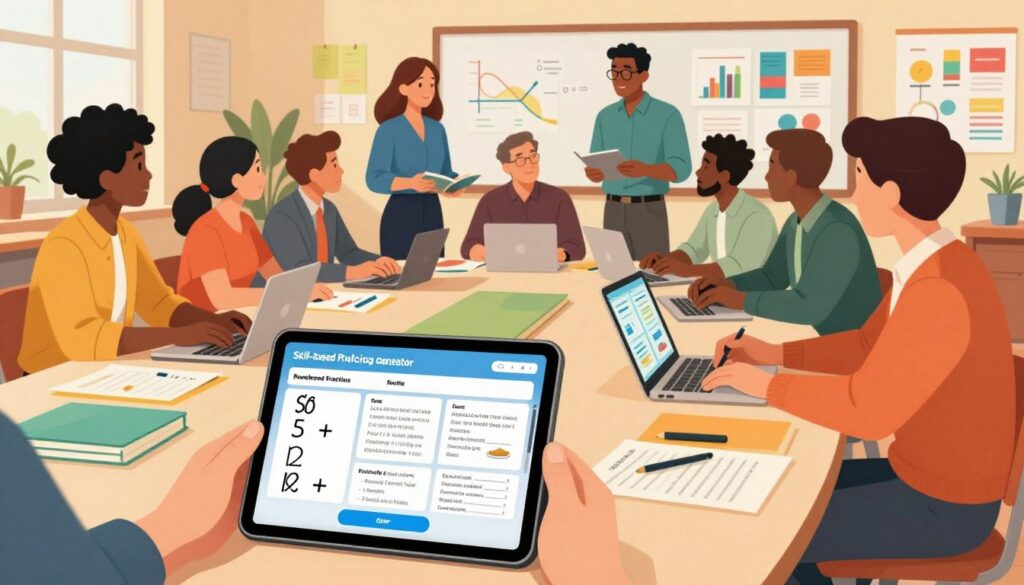
Teachers face a growing stack of administrative tasks that dilute time with students. A targeted solution streamlines planning and keeps daily work aligned to standards.
Reducing Administrative Burden
FlowScholar and similar platforms reduce repetitive steps. Many classrooms juggle TSHA, Planboard, and Google Classroom—a centralized tool cuts duplicate entry and speeds the creation of lesson plans and worksheets.
Automated templates produce materials across grade levels and subjects. That saves time and lowers clerical errors. It also makes content ready to assign and assess.
Focusing on Student Growth
With less paperwork, educators can analyze assessments and refine daily lessons. The platform shifts effort from logistics to instruction, so students get targeted feedback faster.
| Task | Before | After | Impact |
|---|---|---|---|
| Creating worksheets | 60–90 min | 10–20 min | More time for feedback |
| Aligning to standards | Manual lookup | Auto-matched | Consistent quality |
| Managing assignments | Multiple platforms | Centralized | Smoother classroom flow |
Explore a practical option with a free AI lesson plan generator to see how a single platform can transform planning into purposeful teaching.
Enhancing Student Outcomes in Math and Literacy
When lessons align tightly to learning goals, students make steadier gains across subjects. Consistent, targeted practice that matches state standards produces clearer progress in both math and reading.
Brisk is an AI tool that helps educators generate high-quality practice tests and worksheets for math and literacy. By using intelligent tools, teachers deliver materials that target specific skills and questions students struggle with most.
That focused approach saves time and gives more minutes back to direct teaching. Educators can refine a plan, add science connections, and build lessons that bridge content areas.
Key advantages:
- Alignment with standards so each lesson meets clear objectives.
- Custom resources that challenge students and surface misconceptions.
- Faster turnaround on worksheets and activities, freeing time for instruction.
“High-quality materials plus consistent routines turn effort into measurable gains.”
FlowScholar.com supports this workflow by supplying vetted content and adaptive resources. The result: students receive the targeted practice they need to master complex concepts and succeed across the curriculum.
How FlowScholar Simplifies Curriculum Alignment
Aligning curriculum can be straightforward when a platform lets educators tag every lesson to standards. FlowScholar maps standards to lesson plans and learning objectives so content stays consistent across grades.
Targeting Specific Standards
Educators can search by state or national standards and attach those codes to each lesson. This makes assessment design and reporting simpler.
Result: students see clear goals and educators save time during planning.
Customizing Practice Sets
FlowScholar lets users adjust difficulty by grade level. Teachers can pull materials and tweak questions to match student needs.
The platform generates worksheets and activities that align to a single learning target. That keeps content focused and measurable.
Building Consistent Learning Paths
Sequenced lessons create a predictable arc from topic to mastery. Teams can reuse plans and refine them as data arrives.
In short: reliable alignment, ready resources, and streamlined planning help districts maintain curriculum integrity while giving educators back time.
Streamlining Classroom Workflows with AI
AI can cut friction from daily classroom tasks, moving materials from concept to student in minutes.
FlowScholar and Monsha connect content creation to existing systems so educators spend less time on logistics. The platform exports lesson plans and materials directly into Google Classroom, which keeps assignments and assessments synced.
The system rapidly produces worksheets, templates, and questions that match grade standards. That automated creation frees up time for targeted teaching and quicker feedback to students.

Streamlined workflows also reduce errors from manual entry. Educators can publish plans, assign work, and monitor student progress without hopping between apps.
“When planning is efficient, classrooms run smoother and educators reclaim time for instruction.”
- Faster assignment creation—less busywork, more teaching.
- Seamless export to Google Classroom keeps content live and organized.
- High-quality resources and templates that align to standards.
In short: integrated tools transform planning into a steady rhythm of useful resources and measurable learning gains.
Comparing Digital Tools for Modern Educators
Not all classroom tools deliver the same mix of flexibility, standards alignment, and export formats.
Practical comparison helps districts and individual educators choose a platform that fits daily needs. There are ten major platforms in common use—TSHA, Planboard, iDoceo among them—and each offers different workflows for lesson creation.
Evaluating Platform Flexibility
Focus on formats and export options: can the tool push a plan to Google Classroom, export CSVs, or produce printable worksheets? These capabilities determine real classroom value.
- Compare how each platform maps to standards.
- Check supported file formats and LMS integrations.
- Prioritize tools that let teachers adapt content quickly.
“A flexible platform turns one good lesson into many tailored versions.”
| Platform | Export Options | Standards Mapping | Best Use |
|---|---|---|---|
| FlowScholar | Google Classroom, PDF, CSV | Auto-match state standards | Rapid lesson and worksheet creation |
| Planboard | PDF, LMS sync | Manual tagging | Weekly planning and pacing |
| TSHA | Printable, XML export | District-level mapping | Compliance and reporting |
| iDoceo | CSV, PDF | Custom standards | Gradebook and schedules |
Supporting Diverse Learning Needs and Pacing
Classrooms host a wide range of learners, each progressing at a different pace and needing targeted support.
FlowScholar.com offers a flexible approach to planning that adapts lessons and materials to individual readiness. The platform helps educators build plans and worksheets that meet varied grade level needs across math, reading, and science.
Effective tools let a teacher adjust difficulty, swap topics, and group students by skill. That keeps engagement high and prevents gaps from widening.
- Customize by level: quick edits let staff match a lesson to any grade.
- Subject-specific content: ready resources in math, reading, and science save prep time.
- Maintain standards: every plan links to learning goals and school expectations.
In practice, these capabilities free educators to monitor progress and refine instruction. The result: a curriculum that respects pace and supports each student’s goals.
Integrating Technology Without Sacrificing Human Connection
The best systems quietly do the heavy lifting so teachers can lead meaningful learning experiences. Technology should free time and sharpen focus on classroom relationships, not replace them.
Prioritizing Teacher-Led Instruction
FlowScholar.com automates routine material creation so educators spend more minutes on direct instruction. When systems handle the creation of worksheets and assessments, the teacher’s role as facilitator and questioner becomes central.
Maintaining Classroom Engagement
High-quality digital resources must align to lesson objectives and remain relevant to the topic at hand. That alignment keeps students curious and helps teachers tune pacing and formative assessments.
“Tools should extend a teacher’s reach—connecting content, plans, and student needs without replacing professional judgment.”
- Use tech to reduce busywork and reclaim time for questioning and feedback.
- Keep control of pacing and objectives when integrating platforms like AI that supports teachers.
- Design lessons that combine digital resources with live discussion and hands-on tasks.
Conclusion
A well-chosen platform can turn hours of planning into minutes, freeing educators to teach with intent.
FlowScholar.com stands as a premier tool that helps educators streamline planning and lift outcomes for students. Its skill-based generator keeps curriculum aligned to standards and simplifies daily lesson creation.
Visit https://www.flowscholar.com to start a more efficient planning workflow and see how one platform scales quality across reading, math, and writing.
Built to support diverse learners, FlowScholar helps schools maintain clear learning goals while returning time to instruction. Join thousands who have transformed workflows by choosing the right tools and platforms to keep learning central in every classroom.
FAQ
What is FlowScholar and how does it help build targeted practice for math, reading, and writing?
FlowScholar is an instructional platform that creates tailored lessons, worksheets, and assessments to support curriculum goals. It helps teachers save planning time by producing standards-aligned content and varied formats — quizzes, homework, and classroom activities — so educators can focus on instruction and student growth.
How has modern lesson planning evolved with digital tools?
Lesson planning shifted from static, one-size materials to adaptive, data-informed workflows. Platforms like FlowScholar integrate learning objectives, assessments, and pacing guides, enabling teachers to assemble content quickly, iterate based on results, and maintain consistent learning paths across grades and subjects.
How does FlowScholar reduce administrative burden for educators?
The platform automates routine tasks — generating rubrics, grouping students by skill level, and exporting materials for Google Classroom. That reduces time spent on formatting and record-keeping, freeing teachers to design instruction and provide targeted feedback.
In what ways does the system help teachers focus on student growth?
FlowScholar aligns practice items to standards and learning objectives, tracks mastery, and recommends next steps. This lets teachers plan interventions, differentiate assignments, and monitor progress through clear data dashboards that support goal-driven instruction.
Can FlowScholar enhance outcomes in math and literacy?
Yes. By providing leveled content, formative assessments, and iterative practice cycles, the platform strengthens skill development in math, reading comprehension, and writing. Teachers can reinforce concepts with short exercises, targeted feedback, and cumulative review.
How does FlowScholar simplify curriculum alignment with state or district standards?
The tool maps items to common core and state standards, allowing educators to filter and assign activities by specific objectives. This makes it straightforward to ensure lesson plans meet required competencies and to document standards coverage for observers or curriculum teams.
Can teachers customize practice sets and materials?
Absolutely. FlowScholar offers editable templates and multiple formats — printable worksheets, digital assignments, and assessment banks — so teachers can tailor content to their class level, pacing, and preferred instructional approach.
How does the platform support building consistent learning paths?
The system sequences skills progressively and recommends follow-up tasks based on student performance. That creates coherent learning trajectories across units and grade levels, helping educators scaffold instruction and reduce gaps over time.
What role does AI play in streamlining classroom workflows?
AI accelerates content creation, generates distractor-aware multiple-choice items, and suggests differentiated grouping. It handles repetitive formatting and alignment tasks, while teachers retain editorial control and final instructional decisions.
How does FlowScholar compare to other digital teaching tools?
FlowScholar emphasizes curriculum alignment, adaptive practice, and integration with platforms like Google Classroom. When evaluating options, consider flexibility, assessment features, reporting clarity, and how well a tool supports your school’s instructional model and professional learning needs.
What should educators look for when evaluating platform flexibility?
Prioritize editable content, export options, LMS integrations, and the ability to adjust difficulty or format. A flexible platform supports different teaching styles, grade levels, subjects, and resource constraints while preserving data privacy and interoperability.
How does the platform support diverse learning needs and pacing?
FlowScholar provides leveled items, scaffolds, and varied modalities (text, visuals, formative checks) to meet diverse learners. Teachers can assign individualized practice, set mastery thresholds, and pace instruction through small groups or station rotations.
How can technology be integrated without sacrificing human connection?
Use tech to handle routine tasks and surface insights, then dedicate face-to-face time to discussion, modeling, and formative feedback. The platform should amplify teacher expertise — not replace personal interactions that build relationships and motivation.
How does FlowScholar prioritize teacher-led instruction and classroom engagement?
The system supplies ready-to-use materials and formative reports so teachers can design active lessons, lead targeted mini-lessons, and facilitate collaborative tasks. Engagement is maintained through interactive assignments, timely feedback, and teacher-driven adaptations.