“Education is the most powerful weapon which you can use to change the world.” — Nelson Mandela.
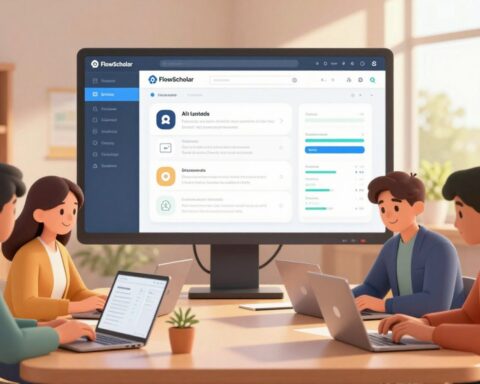
FlowScholar.com offers a clear path to streamline daily planning so every lesson aligns with specific learning objectives. The platform helps educators map instructional sequences and focus on impact rather than paperwork.
By using advanced automation and collaborative features, FlowScholar reduces time spent on administrative tasks. This frees teachers to engage students and refine instruction based on research-based practices.
We position the platform as a central hub where school leaders and staff work together to ensure consistent academic growth across grades. Our mission is to provide practical support that drives measurable student success.
Key Takeaways
- FlowScholar aligns lessons with clear learning objectives.
- The platform reduces planning time and administrative burden.
- Educators gain a collaborative hub for consistent instruction.
- Research-based practices are built into lesson mapping.
- The site empowers teachers to focus on student engagement.
The Importance of Effective Curriculum Support
School systems that centralize guidance see faster gains in teaching consistency and instructional quality.
Dr. Norma Gerrell calls a one-stop guide a game changer for district work. Her view underlines how a clear framework removes guesswork and aligns daily practice.
Instruction Partners offers a replicable set of leadership actions that help leaders move high-quality content into classrooms. Implementation needs intentional coaching, not just a box of materials.
When a school sets clear expectations for instruction, materials are used with purpose. That combination—strong content plus coaching—builds teacher confidence and drives student outcomes.
- Centralized guidance improves consistency across grades.
- Leadership actions create sustainable instructional routines.
- Coaching ensures materials translate into effective teaching.
| Element | Purpose | Expected Impact |
|---|---|---|
| One-stop guide | Align daily planning | Faster district-wide consistency |
| Leadership actions | Drive implementation steps | More reliable classroom practice |
| Coaching | Build teacher confidence | Improved student outcomes |
“A single, accessible guide helps districts scale strong practice across classrooms.”
Why Teachers Need a Modern Curriculum Support Tool for Teachers
When planning stays manual, meaningful instruction and student needs often take a back seat.
The Challenge of Manual Planning
Manual planning creates a heavy load. Teachers must balance mandated scope with the needs of each learner.
This process wastes time that could improve teaching or review assessment data.
Benefits of Digital Integration
Centralized resources let staff access lesson outlines, materials, and pacing in one place. Instruction Partners offers downloadable workbooks that guide leadership teams through implementation and make those resources actionable.
Digital systems simplify planning, streamline content management, and reduce paperwork. Educators then focus on instruction quality rather than logistics.
| Challenge | Digital Advantage | Impact |
|---|---|---|
| Paper binders and scattered files | Central repository with searchable content | Faster prep and consistent lessons |
| Unclear assessment pacing | Visual overview of assessment windows | More cohesive evaluation and instruction |
| Time spent organizing materials | Automated distribution of resources | More classroom time for teaching |
“A single hub reduces friction and keeps instruction focused on students.”
Streamlining Lesson Planning with Artificial Intelligence
AI now reshapes how lesson plans are created, turning hours of prep into minutes. Platforms like TeachShare generate complete plans from a single prompt and auto-apply evidence-based strategies to every lesson.
TeachShare reduces manual work by producing editable content, layout, and structure that teachers can refine in moments. This conserves time and improves the quality of instruction.
Practical customization lets educators adapt resources to classroom needs—adjusting activities, pacing, and assessment without rebuilding a plan from scratch.
AI also trims administrative tasks and repetitive duties. That frees educators to focus on student learning and high-impact teaching moves.
- Generate full lessons from one prompt.
- Auto-embed evidence-based strategies.
- Edit text and layout quickly to fit classroom needs.
“AI-driven guidance helps apply complex pedagogical strategies at scale.”
Enhancing Instructional Strategies Through Data
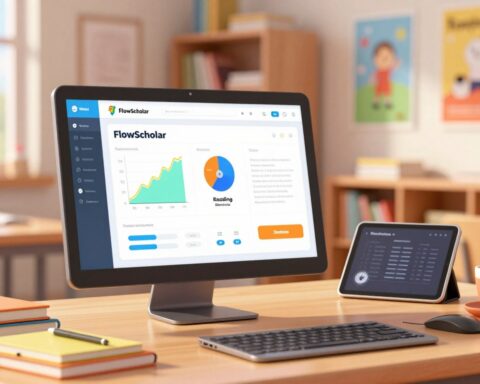
Real-time classroom data changes how educators tune instruction each day. Immediate results let staff shift focus to gaps and accelerate growth.
Real-Time Insights for Educators
TeachShare’s auto-grading provides live performance signals. These updates allow rapid adjustments to pacing, questioning, and small-group work.
Continuous data collection means assessment is no longer episodic. Instead, it becomes a running dialogue about student progress.
- Real-time data collection lets educators monitor progress continuously.
- Advanced assessment tools reveal mastery and reveal concepts needing reteach.
- Auto-grading frees time to focus on high-leverage instruction strategies.
Data-driven decision-making is the cornerstone of effective instruction. With accurate information, staff can tailor strategies to diverse student needs and deploy the right interventions at the right moment.
“When insights arrive instantly, instructional choices become evidence-based and timely.”
Learn more about practical AI applications in classrooms with a helpful roundup of AI tools that help educators work more.
Personalization and Differentiation for Diverse Learners
One-click personalization turns a single lesson plan into many pathways that reach each student.
TeachShare makes it simple to create leveled variations. By changing language and structure, staff ensure equitable access to the same learning objectives.
Effective assessment practices include options that let learners show mastery in different ways. These choices honor varied profiles and keep expectations high.
Practical benefits include faster prep and consistent quality across the classroom. Creating multiple versions of core materials makes busy schedules manageable while preserving rigor.
- Personalization meets diverse needs and increases engagement.
- Adjusting tasks and wording supports comprehension and access.
- Varied activities let each student demonstrate understanding.
For a deeper look at models and distinctions, see personalized vs differentiated approaches. We advocate practical, scalable adjustments that lift learning for every student.
Collaborative Planning and Team Alignment
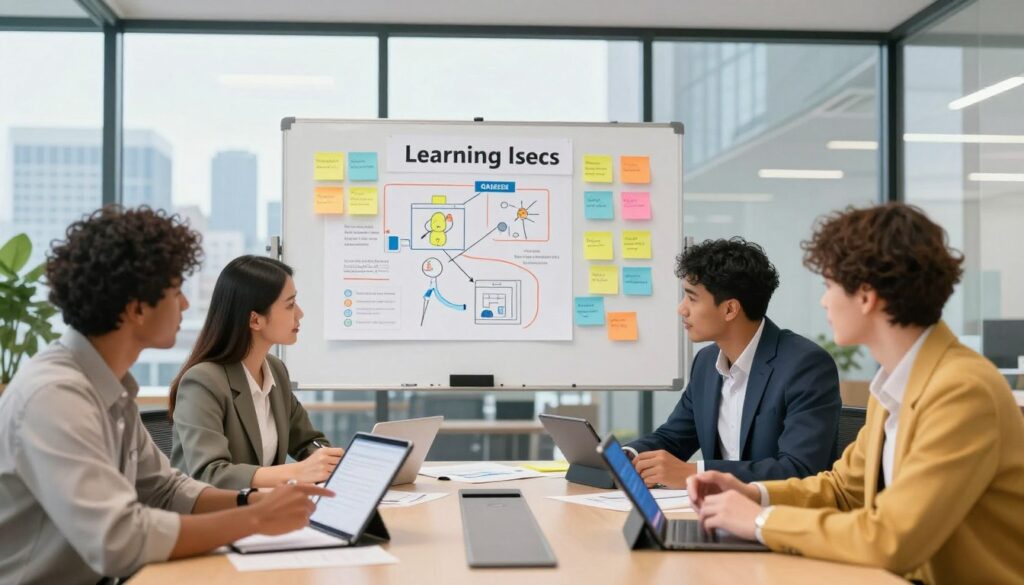
Simple meeting structures let staff move quickly from evidence to classroom moves. Teams benefit when agendas, timekeepers, and shared protocols set the pace.
Structuring Collaborative Meetings
Quarterly stepbacks—like Instruction Partners’ norms—give teams a predictable rhythm to analyze assessment and prioritize actions. A short agenda keeps discussions focused on student work and next steps.
Building Team Norms
Agreeing on a common language helps teams judge quality and track progress. Standardized protocols make data review objective and reduce debate about interpretation.
- Use a timed agenda to protect analysis work.
- Rotate roles: facilitator, recorder, and evidence reviewer.
- Embed coaching cycles so feedback links directly to classroom plans.
“Structured collaboration turns scattered observations into concrete strategies that improve learning.”
For practical templates and tech-guided agendas, see the Quarterly Stepback Meeting Norms.
Managing Assessment and Grading Workflows
Clear grading workflows turn scattered measures into reliable signals about student progress. A simple system maps each assessment to purpose, frequency, and reporting cadence. Using an Assessment Inventory Template helps leaders see every task and its role in the annual plan.
When assessment data is organized and accessible, educators make faster, smarter adjustments to instruction. Transparent grading policies align scores with curriculum goals and keep communication with families consistent.
Streamlining the use of assessment items reduces administrative burden and protects time to write meaningful feedback. That clarity also preserves fairness across the classroom and across grades.
- Track each assessment: purpose, timing, and reporting.
- Use an inventory to spot overlap and missing measures.
- Share clear grading rubrics so results reflect true learning.
| Component | Function | Impact |
|---|---|---|
| Assessment Inventory | Catalog tasks and purposes | Fewer redundant assessments |
| Transparent Grading | Standardize scoring and reporting | Fairer student outcomes |
| Accessible Data | Quick retrieval of results | Timely instructional adjustments |
“An assessment system that is visible and simple changes how teams act on evidence.”
Implementing Evidence-Based Learning Science
Classroom practice improves most when lessons, assessments, and materials all reflect what research shows about how people learn.
Southbridge schools ground math and ELA in evidence-based shifts—focus, coherence, and rigor—to help students think more deeply. This alignment makes instruction intentional and measurable.
Applying Learning Science to Resources
Applying learning science to classroom resources ensures activities promote deep cognitive engagement and long-term retention.
Effective assessment strategies must measure genuine understanding, not just recall. When assessment matches learning goals, feedback drives growth.
- Research-backed strategies make activities more coherent across lessons.
- Grounded instruction builds student language and critical thinking skills.
- Designing resources with learning science bridges theory and classroom application.
| Focus Area | Implementation | Expected Result |
|---|---|---|
| Standards-aligned planning | Sequence tasks by coherence and rigor | Stronger reasoning and retention |
| Assessment design | Use formative checks tied to objectives | Clear signals of true mastery |
| Activity design | Embed retrieval and spaced practice | Improved long-term recall |
“Grounded instruction turns learning science into practical strategies that help every student.”
Explore ways to build GPT-powered educational tools via this practical guide: GPT-powered educational tools.
Scaling Professional Development and Coaching
A scalable coaching model turns occasional workshops into daily practice that improves classroom outcomes.
Instruction Partners offers models and resources that train coaches to use high-quality materials and guide colleagues with clarity.
Effective systems pair coaching with regular classroom visits and targeted feedback. Leaders focus on assessment-driven conversations that link data to simple, actionable moves.
- Train coaches in observation and feedback cycles.
- Use short cycles of practice and reflection to embed new strategies.
- Align coaching work with school goals and classroom priorities.
| Component | Role | Impact |
|---|---|---|
| Coach Training | Builds observation and feedback skills | More consistent teaching moves |
| Assessment-Focused Cycles | Links data to actionable steps | Faster improvement in student work |
| Ongoing PD Rhythm | Schedules regular learning checkpoints | Culture of continuous growth |
“When coaching is routine, instructional choices become deliberate and results follow.”
Leveraging FlowScholar for Classroom Success
When educators get predictable routines and smarter resources, classroom time becomes more productive.
FlowScholar.com offers a powerful suite of tools that help teachers maximize impact by simplifying preparation of high-quality classroom resources.

By leveraging the platform, educators keep curriculum aligned with standards and adapt content to real-time learning needs. AI-driven features generate drafts, suggest adjustments, and save planning minutes each week.
- Faster prep with editable, standards-aligned materials.
- Personalized pathways that raise student engagement.
- Data-linked recommendations that sharpen instructional choices.
| Feature | Benefit | Classroom Impact |
|---|---|---|
| Auto-plan generation | Reduces prep time | More small-group instruction |
| Standards mapping | Ensures alignment | Clearer assessment signals |
| Personalization engine | Targets learning levels | Higher student mastery |
“FlowScholar turns complex planning into clear, day-to-day action.”
Explore the Education AI Tool at https://www.flowscholar.com to see how our features transform planning and instructional delivery.
Conclusion
FlowScholar.com brings together research-driven practices and time-saving automation to make planning faster and more focused. This platform acts as a reliable tool that helps staff align lessons, use real-time data, and keep attention on student growth.
Explore how integrated evidence-based strategies and clear workflows lift classroom impact. Visit https://www.flowscholar.com to see practical examples and start building a more efficient teaching environment today. Together, we can turn everyday planning into consistent gains for learners.
FAQ
What is FlowScholar.com and how does it help with planning around learning objectives?
FlowScholar.com is an online platform that streamlines lesson design by aligning units, activities, and assessments to clear learning objectives. It reduces manual work with templates, content libraries, and automated alignment checks so educators spend less time formatting and more time refining instruction and student tasks.
Why is effective curriculum support important for schools?
Effective curriculum support ensures coherence between goals, instruction, and assessment. It creates predictable learning progressions, improves equity across classrooms, and helps teams use data to adjust teaching strategies—leading to stronger student outcomes and consistent instructional quality.
What common challenges do educators face with manual planning?
Manual planning is time-consuming, inconsistent, and prone to gaps between objectives and assessments. Teachers often duplicate work, struggle to source vetted resources, and find it hard to track student progress across units—limiting their ability to personalize instruction and scale best practices.
How does digital integration benefit instructional design?
Digital integration centralizes lesson plans, resources, and assessment data. It enables version control, easy sharing across teams, and faster iteration. With the right platform, educators can access aligned content, apply rubrics consistently, and generate reports that inform in-class decisions.
In what ways can artificial intelligence streamline lesson planning?
AI can suggest standards-aligned activities, generate formative assessments, and propose scaffolds for diverse learners. It accelerates routine tasks—like creating learning targets or differentiating materials—so teachers can focus on pedagogy, coaching, and student feedback rather than paperwork.
How does FlowScholar provide real-time insights for educators?
The platform aggregates formative data and visualizes trends by objective, skill, or cohort. Teachers receive alerts on learning gaps, progress dashboards, and recommendations for targeted interventions—helping teams respond quickly and plan instruction based on evidence rather than guesswork.
How can educators personalize and differentiate instruction for diverse learners?
FlowScholar supports multiple pathways: tiered tasks, scaffolded resources, and adjustable pacing guides. Teachers can tag resources by complexity and modality, assign targeted practice, and monitor growth to ensure every student receives the right level of challenge and support.
What features support collaborative planning and team alignment?
The system provides shared planning spaces, comment threads, and version history so teams co-design units efficiently. Built-in agendas and templates help structure collaborative meetings and keep decisions documented for consistent implementation across classrooms.
How can teams structure collaborative meetings using the platform?
FlowScholar offers meeting agendas tied to standards and data, time-boxed discussion prompts, and action-item trackers. Teams can review student evidence, set measurable goals, and assign follow-ups—making meetings focused, productive, and aligned to instructional priorities.
What practices help build strong team norms for planning?
Establish clear roles, create shared success criteria, and use common artifacts (like unit maps and assessment templates). Regularly review data together and commit to iterative trial-and-refine cycles; the platform reinforces norms by keeping materials and decisions visible to all members.
How does the platform manage assessment and grading workflows?
FlowScholar integrates formative and summative assessment tools with customizable rubrics and gradebook exports. It streamlines scoring, provides item-level analytics, and reduces duplicate entry so teachers save time while maintaining consistent, standards-based grading practices.
How is learning science applied to resource selection and design?
Resources in the system are curated with evidence-based practices—spaced retrieval, interleaving, elaboration prompts, and formative checks. Educators can filter materials by learning-science features to ensure lessons promote durable understanding and transfer.
How can schools scale professional development and coaching through FlowScholar?
The platform supports job-embedded coaching via shared lesson observations, feedback cycles, and curated PD pathways tied to classroom artifacts. Leaders can roll out micro-credentials, track implementation fidelity, and scale successful strategies across campuses.
How does FlowScholar translate planning tools into classroom success?
By linking clear objectives, aligned resources, and actionable data, FlowScholar helps teachers make instruction more intentional. The result is better-targeted lessons, timely interventions, and measurable growth—so classroom practice matches schoolwide goals.