“That’s one small step for man, one giant leap for mankind.” Neil Armstrong’s line still reminds educators that bold tools can change a field overnight.
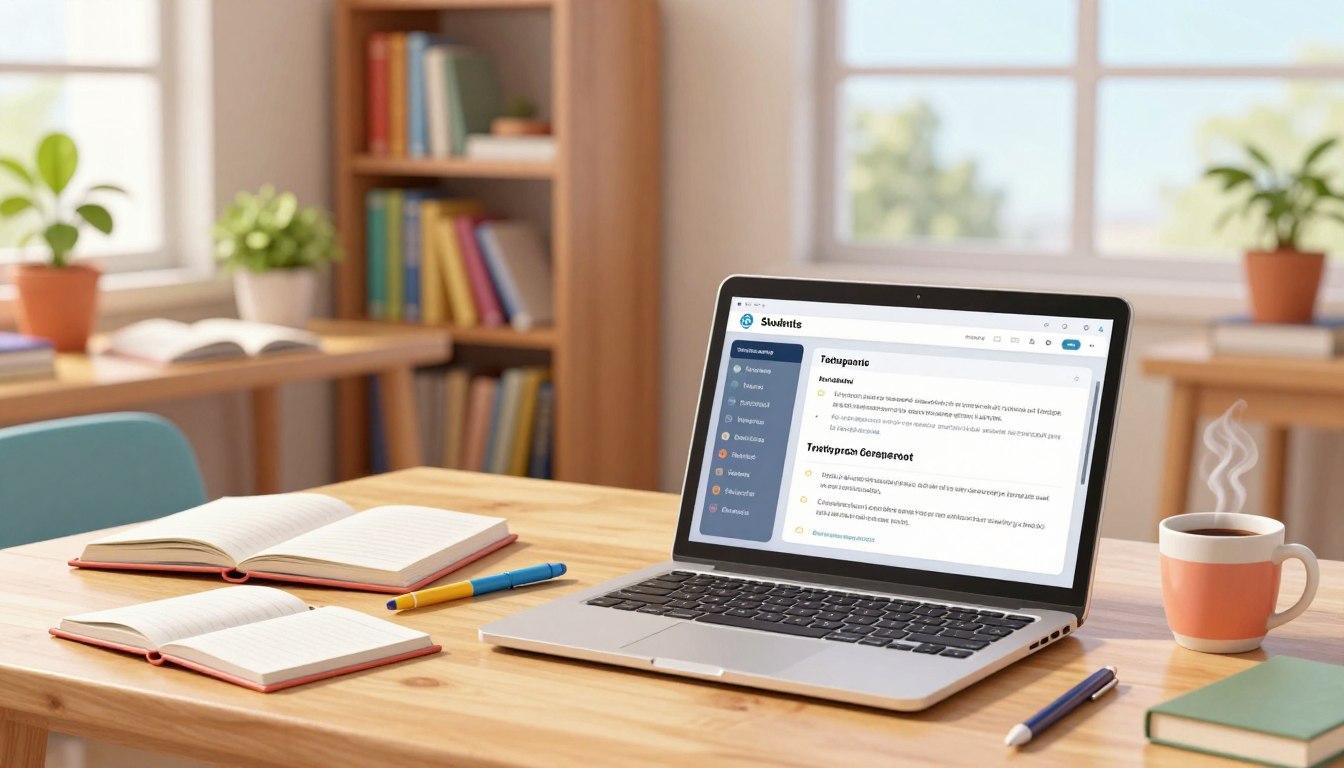
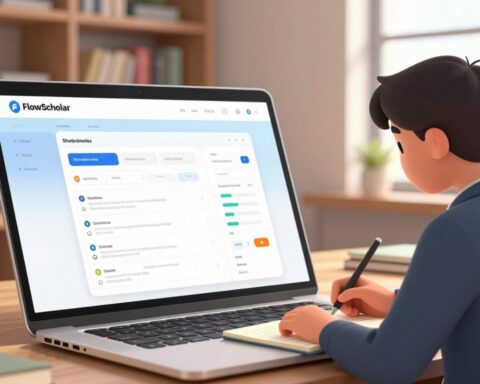
FlowScholar.com streamlines how teachers build classroom materials. The platform blends an AI tool and clear workflows to save time and boost quality. Educators generate text and quizzes that match grade level and test complexity in minutes.
The system offers varied types and answer keys so students master comprehension at every level. Teachers can build quizzes, track progress, and refine content to match standards. Visit FlowScholar or explore a related showcase on our LinkedIn post to see the tool in action.
Key Takeaways
- FlowScholar reduces prep time while ensuring grade level alignment.
- Teachers can generate content and clear answers for easy grading.
- Tools support varied question types and quiz complexity.
- The platform helps students advance comprehension and vocabulary.
- Try FlowScholar to transform how educators design tests and materials.
The Challenge of Creating Quality Reading Materials
Educators must juggle tight schedules while producing texts that match diverse student needs. Limited prep time and high standards create a real gap between intent and delivery.
Overcoming Time Constraints
Teachers often spend hours crafting assessments that feel balanced and fair. That lost time reduces opportunities for direct instruction and feedback.
Automated tools can reclaim those hours by generating a text and aligned questions in minutes. FlowScholar streamlines the workflow so teachers focus on teaching, not paperwork.
Balancing Text Complexity and Comprehension
Matching complexity to grade level is harder than it sounds. Materials must stretch students without causing frustration.
FlowScholar’s platform automates alignment to standards and tailors difficulty across levels. That makes it easier to build a test that measures deep comprehension for every student.
- Save time while keeping standards intact.
- Adjust difficulty for diverse learners.
- Generate grade-aligned content fast.
Try FlowScholar to reduce prep load and keep classroom quality high: https://www.flowscholar.com.
How a Reading Passage Generator with Questions Transforms Lesson Planning
A smart platform replaces repetitive drafting, letting teachers design higher-quality assessments faster.
FlowScholar and similar education AI toolsets turn a long afternoon of prep into minutes. Teachers can produce full content bundles: a short text, aligned items, and clear answers.
That efficiency matters. By automating quiz creation, educators reclaim hours each week and focus on instruction and feedback.
- Generate multiple-choice items and detailed answers for immediate grading.
- Produce passages sized by word count and matched to complexity goals.
- Include literal, inferential, and evaluative types to boost comprehension.
Try FlowScholar to create a passage and a corresponding quiz in minutes: https://www.flowscholar.com. This tool simplifies how teachers build quizzes, items, and questions answers for class.
Getting Started with FlowScholar for Your Classroom
Start simple: set up a teacher profile, choose a grade level, then define the topic you need.
Setting Up Your Account
Setting Up Your Account
Create an account at FlowScholar and complete a short profile. This lets the tool match content to your grade level and standards.
Defining Your Topic
Specify the subject, theme, and the complexity you want. This helps the platform produce a text that fits lesson objectives.
Generating Your First Passage
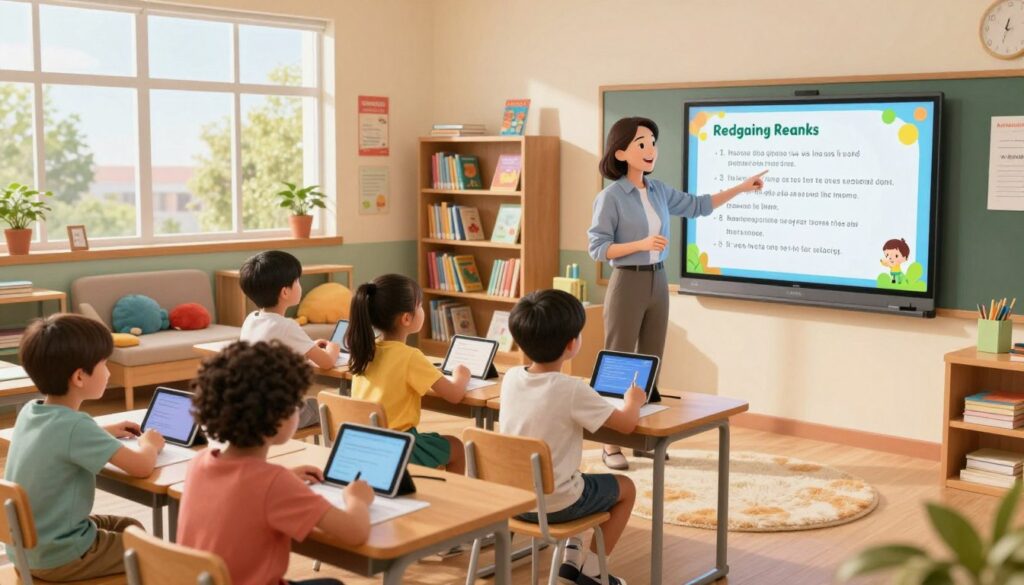
Use the generator to produce a short passage and aligned items in minutes. Review the draft and edit vocabulary or depth so students can show comprehension.
- Quick start: visit https://www.flowscholar.com to register and set your topic.
- Select grade level, adjust difficulty, then generate reading content tailored to students.
- Review results and tweak the text or question set to match goals.
| Step | Action | Result |
|---|---|---|
| Sign up | Create teacher profile | Grade-level alignment |
| Define topic | Choose theme and complexity | Relevant text output |
| Generate | Produce passage and questions | Ready-to-use materials |
| Review | Edit as needed | Classroom-ready content |
Tip: Teachers who explore the automated content workflow often find fresh ways to save planning time while improving student comprehension.
Customizing Content to Meet Diverse Student Needs
Adaptive materials let educators tailor challenge and support across a classroom. This approach keeps lessons fair and effective while honoring varied skill levels.
At FlowScholar, teachers can set grade level targets and shift complexity on the fly. They change vocabulary, sentence length, and task demands to match learners.
Translation and accessibility matter. Monsha supports more than 60 languages, so teachers can offer parallel materials for multilingual classrooms.
“Personalized assessments help students show growth while teachers capture meaningful feedback.”
| Feature | What it adjusts | Impact |
|---|---|---|
| Difficulty slider | Text complexity | Better comprehension for each grade level |
| Question types | Multiple-choice, open-ended | Targeted feedback and varied answers |
| Language options | 60+ translations | Supports multilingual students |
| Output | Quizzes and answer keys | Ready-to-use classroom materials |
Teachers can mix formats to challenge advanced learners and scaffold others. For more tools and examples, see a roundup of options at best free AI reading passage generators.
Try FlowScholar to tailor content and build quizzes that strengthen comprehension and deliver clear answers and feedback: https://www.flowscholar.com.
Aligning Passages with Curriculum Standards
When standards guide item design, educators can target higher-order skills reliably. Aligning every reading text to state expectations helps teachers measure what matters: critical analysis, not just recall.
Bloom’s Taxonomy and DOK levels frame that work. Use them to craft question types that demand analysis, synthesis, and evaluation rather than simple recall. This raises classroom rigor while keeping assessment fair across grade levels.

FlowScholar makes alignment practical. Our tool integrates Bloom’s and DOK so each question maps to a clear cognitive level. Teachers can set complexity, tag standards, and produce quizzes that track student growth.
- Align every passage to grade standards for consistent assessment.
- Design items that measure deep comprehension and critical thinking.
- Generate quizzes and answer keys that match state frameworks.
Try FlowScholar to streamline alignment and keep classroom materials both rigorous and usable: https://www.flowscholar.com.
Best Practices for Integrating AI into Your Teaching Workflow
Practical AI adoption focuses on controls, review, and templates to protect academic quality. Start by treating AI as an assistant rather than an author: generate drafts, then edit for difficulty and standards alignment.
Palm Beach County School District found that AI tools can change item styles and levels quickly without heavy effort. That case shows the value of iteration—run outputs, check alignment, and adjust.
Use checks and balances. Teachers should review every output to ensure the question types and difficulty match class needs. Keep an editable library of texts and answers to reuse and refine over time.
- Integrate tools like FlowScholar to save time and produce high-quality passages and questions.
- Build balanced tests: mix item types, tag cognitive levels, and include clear answers for swift grading.
- Maintain a growing bank of validated materials to support long-term instruction and feedback cycles.
“When teachers pair AI output with careful review, they gain both speed and instructional control.”
For deeper guidance, consult our brief on Using AI to Enhance Reading Comprehension. Try FlowScholar to streamline quiz creation and keep materials fresh: https://www.flowscholar.com.
Conclusion
Teachers gain control over content quality without sacrificing time or standards. FlowScholar.com is a comprehensive Education AI Tool that simplifies how educators create a short reading passage and aligned items. Use the platform to save hours of planning while keeping materials tied to clear curriculum goals.
Explore the full feature set at https://www.flowscholar.com. Customize difficulty, vary item types, and join thousands of teachers transforming lesson planning today through smarter tools and faster workflows.
FAQ
How does FlowScholar.com help teachers create reading materials with questions?
FlowScholar streamlines lesson prep by producing short, grade-appropriate texts and related items. Teachers enter a topic, select grade level and objective, and the platform returns editable content that aligns to standards and saves planning time.
What common challenges do educators face when developing quality classroom texts?
Many teachers juggle limited prep time, varied student ability, and the need to match curriculum goals. FlowScholar addresses these by automating generation, offering level adjustments, and providing standards-aligned options to reduce workload.
How does the tool help overcome time constraints in lesson planning?
By generating ready-to-use materials in minutes, FlowScholar frees teachers to focus on instruction and feedback. Templates, reusable banks, and quick edits cut hours of work into a few simple steps.
Can FlowScholar balance text complexity and student comprehension?
Yes. The platform adjusts vocabulary, sentence length, and question types to match target grades, ensuring texts challenge students without overwhelming them. It also offers scaffolds for struggling learners.
In what ways does an automated generator transform lesson planning?
It enables rapid iteration, consistent quality, and tailored content for diverse classrooms. Teachers can test variations, align items to objectives, and build assessments that reflect classroom needs more efficiently.
How do teachers get started with FlowScholar for their classroom?
Begin by creating an account, verifying school or district details, and exploring sample templates. The onboarding flow guides users through setting preferences, so they can quickly generate materials that fit their goals.
What is involved in setting up a teacher account?
Account setup asks for basic information, school affiliation, and grade ranges. Users can connect to rostering systems or import student groups to personalize content and tracking.
How should educators define topics to generate effective texts?
Teachers choose specific objectives or themes—such as main idea, science concepts, or historical events—and specify grade level and desired complexity. Narrow topics yield more focused items and clearer assessment targets.
What happens when generating the first text and associated items?
After defining parameters, FlowScholar creates a draft text plus aligned prompts and answer guidance. Teachers can edit language, adjust difficulty, and export or assign the material directly to students.
How can teachers adjust difficulty levels for diverse learners?
The platform offers sliders or presets for vocabulary, sentence structure, and question depth. Educators can produce tiered versions—remediation, on-level, and enrichment—to match individual needs.
Does FlowScholar align materials with curriculum standards?
Yes. Users can tag standards (state, Common Core, or district-specific), and the system generates content mapped to those targets, including indicators for skill coverage and assessment alignment.
What best practices exist for integrating AI-generated materials into teaching?
Use generated texts as starting points—customize for context, verify accuracy, and blend with teacher-created resources. Pair items with formative checks, and review student responses to refine future prompts.
Can FlowScholar support formative assessment and feedback cycles?
The platform supports quick quizzes, answer keys, and rubrics that make feedback faster and more consistent. Data dashboards help teachers spot patterns and plan targeted interventions.
Are the materials editable and compatible with common classroom tools?
Yes. Outputs are editable and exportable to PDF, Google Classroom, Microsoft Teams, and LMS platforms. This ensures seamless integration into existing workflows and lesson plans.
How does FlowScholar protect student data and privacy?
FlowScholar follows industry-standard security and privacy practices, including encryption, role-based access, and compliance with relevant regulations. Schools can review policies and sign data-protection agreements.
What support resources are available for teachers using the platform?
FlowScholar offers tutorials, best-practice guides, webinars, and responsive customer support. District partners can access professional development and implementation coaching.