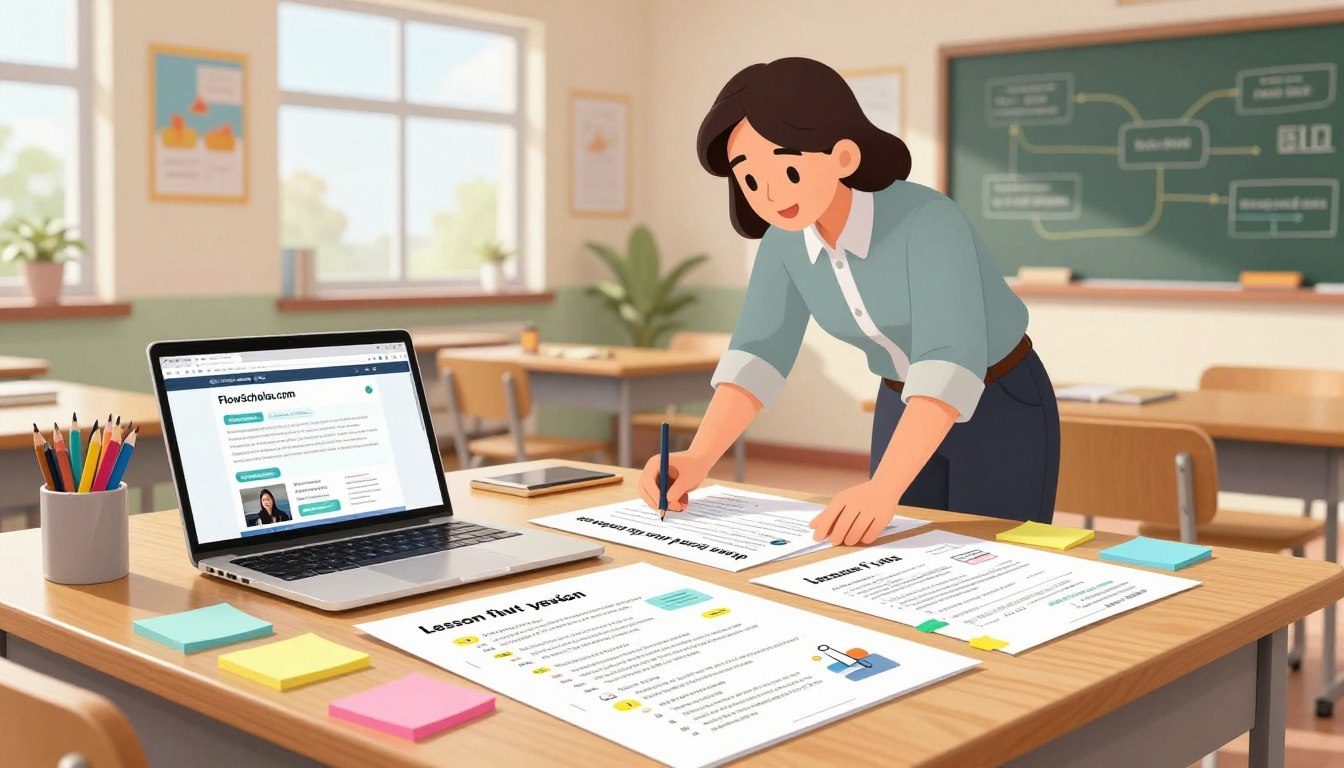
“Tell me and I forget. Teach me and I remember. Involve me and I learn.” — Benjamin Franklin. This quote sets a clear aim: make each lesson meaningful and the planning efficient.
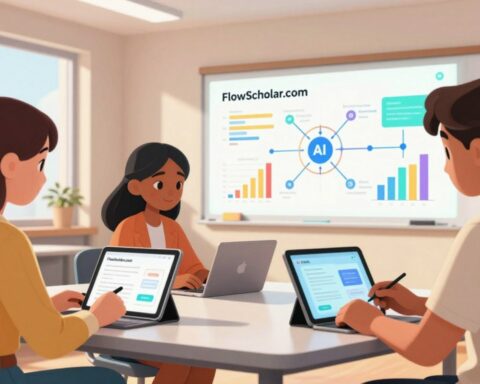
FlowScholar.com combines an ai-powered lesson plan approach with practical tools to cut administrative time. Many educators in the United States report working up to 54 hours a week; less than half of that is spent on direct learning with students. By using lesson plan generators and plan generators, professionals reclaim hours and focus on classroom growth.
The platform offers templates, resources, and support that streamline task management. Teachers can organize content, craft engaging activities, and align materials with curriculum goals. The result: stronger lessons, more time with students, and a strategy that scales across classes.
Key Takeaways
- FlowScholar saves time and reduces administrative burden.
- AI-powered lesson plan tools help educators create aligned materials.
- Templates and resources support consistent lesson planning.
- Integrating digital tools shifts focus back to student learning.
- Teachers reclaim hours to deepen classroom engagement.
The Modern Challenge of Lesson Planning
Modern lesson work often expands into evenings and weekends, reducing direct contact with students. Educators juggle administrative duties and instructional design, which cuts into the time meant for teaching and reflection.
The Time Burden on Educators
Many professionals report working up to 54 hours a week. That leaves little room for deep planning or one-on-one learning.
When paperwork and meetings dominate, a well-crafted lesson plan becomes harder to sustain. We prioritize solutions that recover those crucial hours.
The Need for Flexible Planning
Curriculum expectations change by grade and classroom. Rigid methods fail to adapt to varied student needs.
Flexible planning lets educators mix resources and materials to match different learning styles. The right tools make lessons more responsive and less time-consuming.
- Streamlined steps reduce paperwork and protect instructional time.
- Adaptability supports diverse learners and keeps lessons aligned with standards.
- Efficient tools free educators to focus on meaningful learning outcomes.
How a Project Idea Generator for Teachers Transforms Curriculum Design
When planning shifts from blank pages to guided prompts, teachers gain clarity and momentum.
A thoughtful planning tool helps K–6 educators design coherent units that blend literacy, math, and science. Using the American Emergent Curriculum at The School House Anywhere, this approach maps lessons to real-world contexts and grade-level standards.
These plan generators break creative blocks and speed early-stage lesson planning. By suggesting activities, resources, and assessment points, the tool reduces repetitive work and saves time. That frees educators to tailor lessons to each student’s learning needs.
Integrating diverse resources ensures content challenges and inspires every learner. The platform also supports alignment with national standards so lessons remain rigorous and manageable.

To explore a recommended resource that helps structure unit plans and classroom materials, try the project-based learning tool. We designed these features to empower educators to create clearer, more engaging lessons with less friction.
Streamlining Research Assignments with Artificial Intelligence
AI can turn a vague research prompt into a clear, graded roadmap in minutes.
Integrating an ai-powered lesson plan approach into Google Classroom automates the structure of research assignments and sets measurable objectives. Google Classroom syncs with Workspace for Education to host materials, share rubrics, and collect submissions.
Automating Structure and Objectives
SchoolAI’s “Spaces” gives students a place to break down questions and draft presentation ideas. Immediate feedback helps learners move past frustration and refine their methodology.
These plan generators speed creation of assessments and formative checks. Educators create clearer lesson plans that map to standards and include engaging activities.
- Use Google Classroom to organize materials and manage student submissions.
- Apply lesson plan generators to build multi-step tasks with criteria and rubrics.
- Automate objectives to give each student a transparent roadmap for their research.
Result: Less administrative time and more meaningful feedback in the classroom. Teachers spend fewer hours on setup and more time supporting student learning.
Balancing Digital Efficiency with Hands-On Learning
Digital efficiency shines when it supports real-world, hands-on lessons rather than replacing them. Teachers can use technology to save time while keeping the classroom active and engaging.
Brisk Teaching converts a YouTube video into an interactive slide deck or comprehension activity. That tool turns a single video into meaningful classwork that prompts movement and discussion.
Use lesson plan generators to design short activities that move learners between screens and hands-on stations. This keeps students focused and makes learning memorable.
We recommend blending online research with offline tasks so educators have time to observe learners closely. That observation improves feedback and refines future planning.

For a useful resource on automating lesson planning while preserving active learning, try the free AI lesson plan generator. The best lesson plans use tools to enhance the human experience and protect quality classroom time.
Key Features to Look for in Educational Planning Tools
Smart features shrink admin time and keep learning goals visible across every lesson. Choosing tools with clear benefits helps schools scale consistent planning and maintain alignment with standards.
Standards Alignment Capabilities
Standards mapping ensures lesson plans tie directly to curriculum objectives. Platforms like Planboard by Chalk let educators attach standards to a calendar, track progress, and generate reports.
Adaptability for Mixed-Age Groups
Look for flexible templates that adapt content and assessments across grade levels. The right design lets instructors differentiate activities and share resources across classes while saving time.
User-Friendly Interface Design
A clean interface reduces clicks and accelerates planning. Compare top platforms—Google Classroom, Planbook, TeacherEase, and others—to find a tool that fits workflow and gives quick access to video, materials, and rubrics.
- Features to prioritize: standards tracking, easy media attachment, and straightforward assessment tools.
- Review a curated comparison and consider access, support, and long-term scalability.
To learn how AI can jumpstart this work, see guidance on using AI to generate lesson ideas.
Why Educators are Choosing FlowScholar for Classroom Success
FlowScholar gives educators a single framework that turns planning into a clear, repeatable workflow. The platform bundles lesson plan templates, alignment checks, and rapid assessments so teachers spend less time on setup and more time with students.
Practical support matters. FlowScholar’s lesson plan generators and plan generators help teachers map lessons to standards, build engaging activities, and collect actionable feedback.
The result is a smoother lesson planning cycle and consistent curriculum alignment across grades. Educators report faster prep and clearer student pathways for learning.
- Clear guide: step-by-step templates that simplify assessments and rubrics.
- Real support: resources and feedback loops that improve classroom practice.
- Saved time: reduce paperwork and focus on student experience.
Visit https://www.flowscholar.com to see how these tools transform lesson plan work and create lessons that truly resonate with students.
Conclusion
A deliberate shift to AI-assisted planning reduces busywork and boosts classroom impact. Educators gain time to focus on instruction, feedback, and student growth.
Choose tools that support your goals—then use them to amplify your judgment and craft. FlowScholar streamlines lesson workflows and keeps standards visible without replacing professional choices.
Explore deeper guidance on building efficient, AI-driven courses in our AI-powered course guide. Start small, measure results, and scale what works in your classroom.
Takeaway: The right platform reclaims time and strengthens teaching—so educators can do more of what matters most.
FAQ
How does FlowScholar help teachers build project concepts and research assignments?
FlowScholar provides AI-assisted lesson planning tools that outline objectives, standards alignment, materials, assessment tasks, and step-by-step activities. The platform generates scaffolded research assignments with suggested resources and differentiation strategies, saving planning time while ensuring curricular relevance.
What time savings can educators expect when using FlowScholar?
Teachers typically cut planning time by up to half on units and lessons. Automated templates, prebuilt rubrics, and instant alignment to common standards reduce repetitive work so educators can focus on instruction and student feedback.
Can FlowScholar adapt lessons for mixed-age or multi-level classrooms?
Yes. The system offers adaptability features that create tiered tasks and extension options. It designs entry, on-level, and challenge activities so a single lesson can meet diverse readiness levels and learning profiles.
How does the platform ensure alignment with state or national standards?
FlowScholar maps objectives and assessment criteria to Common Core, NGSS, and state standards. Users can select a standards set during planning; the tool then tags learning outcomes and suggests measurable success criteria.
Does FlowScholar integrate with Google Classroom and other LMS platforms?
FlowScholar supports export and sync options for Google Classroom, Canvas, and Schoology. Teachers can publish assignments, share resources, and push grades or rubrics directly to their chosen LMS for streamlined workflow.
How does the AI automate structure and objectives for research assignments?
The AI analyzes topic inputs and desired grade level to generate a clear research question, learning objectives, scaffolded steps, source suggestions, and assessment prompts. It also recommends formative checks to monitor student progress.
Can educators control the level of digital versus hands-on activities?
Yes. FlowScholar allows teachers to choose delivery modes—digital, blended, or hands-on—and it adjusts materials and time estimates accordingly. This helps balance screen-based work with experiential learning.
What user-interface features make FlowScholar easy to learn?
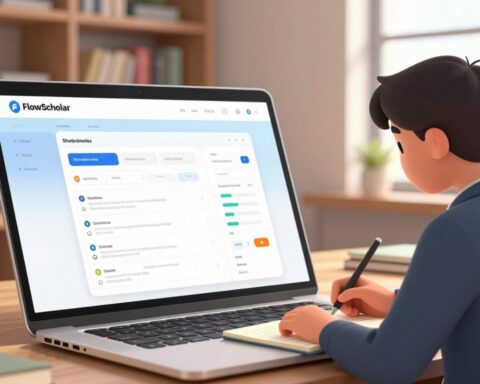
The interface uses guided wizards, drag-and-drop lesson blocks, and clear visual indicators for time, materials, and standards. Built-in help, templates, and sample lessons speed onboarding for new users.
How are assessments and feedback handled within the tool?
The platform offers customizable rubrics, formative quizzes, and exit-ticket templates. Teachers can record observations, provide targeted feedback, and export assessment data for report cards or parent communication.
Is student data and privacy protected?
FlowScholar follows FERPA and COPPA-compliant data practices. It uses encrypted storage, role-based access, and minimal data retention policies to protect student information.
What types of materials and resources does FlowScholar suggest?
The system recommends vetted videos, primary-source documents, lesson handouts, interactive simulations, and assessment templates. Resources are curated for grade level and aligned to learning objectives.
Can FlowScholar support interdisciplinary units and long-term units?
Absolutely. The tool helps authors create multi-week units with cross-curricular links, pacing guides, and summative project frameworks. It supports tagging by subject, standards, and competencies for coherent planning.
How customizable are the generated lesson plans?
Generated plans are fully editable. Teachers can modify objectives, timing, grouping strategies, materials, and assessment criteria to match classroom context and student needs.
Does FlowScholar offer professional development or support?
FlowScholar provides tutorials, live webinars, and a resource library. District-level packages include onboarding workshops and dedicated account support to scale usage across schools.
What device compatibility should schools expect?
The platform is web-based and optimized for Chrome, Firefox, Edge, and Safari. It works on desktops, laptops, tablets, and most Chromebooks used in classrooms.
How does FlowScholar help teachers collect evidence of learning?
The platform centralizes student work samples, assessment scores, and feedback notes. Teachers can compile portfolios, generate progress reports, and export evidence for parent conferences or evaluations.
Are there examples or sample units teachers can review before adopting?
Yes. FlowScholar includes a gallery of sample units and completed lesson plans across grade levels and subjects, allowing educators to preview structure, pacing, and assessment approaches.
How does FlowScholar support formative assessment during lessons?
The tool suggests quick checks—exit tickets, quick polls, observation checklists—and offers templates to capture responses. These help teachers adjust instruction in real time and provide targeted interventions.
What pricing or licensing models are available?
FlowScholar offers individual teacher subscriptions, school-site licenses, and district agreements. Pricing scales with feature access and support level; districts can request custom quotes.
How can educators begin using FlowScholar in their classroom?
Educators can sign up for a free trial on the FlowScholar website, explore templates, and attend an orientation webinar. District administrators can request a demo to evaluate district-wide deployment.