“The secret of getting ahead is getting started.” — Mark Twain.
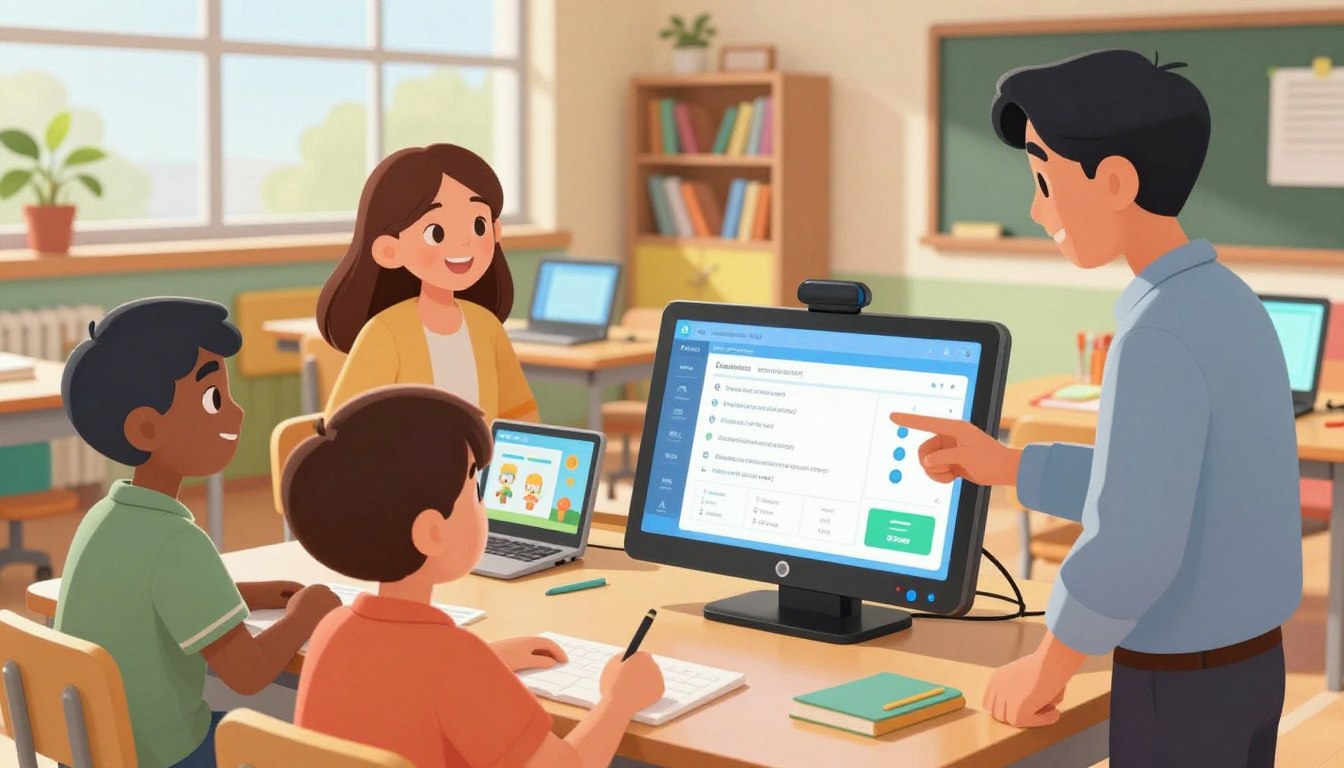
In modern school life, educators juggle many systems while keeping student learning high. FlowScholar.com positions itself as the practical answer. It automates repetitive lesson planning and administrative tasks so teacher time returns to the classroom.
By blending smart systems with familiar interfaces, FlowScholar helps teachers reclaim hours each week. That freed time goes straight to better instruction and richer student engagement.
We believe every educator deserves tools that simplify grading, organization, and prep. The platform integrates planning, lesson creation, and assessment into a single workflow that reduces busywork and increases focus on learning.
Key Takeaways
- FlowScholar.com reduces time spent on planning and routine tasks.
- The platform centralizes lesson planning, grading, and organization.
- Teachers and educators can focus more on student learning and engagement.
- Integrated systems replace scattered productivity tools.
- Adopting FlowScholar leads to a more balanced professional life.
The Reality of Modern Teaching Workloads
Daily expectations for teachers often stretch into long evenings and weekends. Recent research shows the average teacher works nearly 11 hours each day — about three hours more than paid contracts require. That extra span of hours eats into personal time and increases stress.
Much of this additional work comes from administrative tasks and the constant flow of information that schools generate. Documenting student performance, filling forms, and coordinating with staff siphon attention away from direct instruction.
“Understanding the scope of these demands is the first practical step toward change.”
When teachers identify the things that consume the most time, they can choose systems that return minutes and hours to the classroom. Adopting smart productivity tools can reduce paperwork so educators spend less time on clerical duties and more on improving student performance.
For a concise research summary, see research summary that outlines work-hour findings and implications today.
Why Every Educator Needs an Education Productivity Tool for Teachers
When daily routines run smoothly, educators reclaim time that once vanished into admin chores. This shift matters: saved minutes add up to hours of focused instruction and professional planning.
Benefits for Time Management
Right options let staff prioritize what impacts students most. With the proper systems, routine tasks move from manual to automated steps. That frees teachers to design lessons and coach students.
Reducing Administrative Burnout
Automated communication and organized classroom resources reduce repetitive work. Parents get updates faster, and staff face fewer late-night tasks. Over a school year, this lowers stress and prevents burnout.
- Choose diverse options so you can match features to real needs.
- Automate routine tasks like messaging, grading reminders, and resource storage.
- Adopt systems that scale with class size and school demands.
We encourage teams to explore these digital options—small changes deliver lasting gains.
Streamlining Lesson Planning with AI
Modern platforms can turn a lesson idea into full plans, materials, and assessments in minutes.
AI-driven services like MagicSchool.ai let teachers create differentiated lesson plans quickly. Educator Tiffany Sutter uses AI to generate complete units that match standards and classroom needs.
High school teacher Kristen Starnes relies on the same systems to draft crisp, source-backed text for history lessons. That approach saves hours of research and frees days of prep work.
Automated assessments and grading rubrics reduce repetitive tasks and let staff spend more time on individual student learning needs.
- Aligns with standards: content maps to curricula automatically.
- Differentiates quickly: multiple entry points for diverse classrooms.
- Saves time: fewer hours on admin and more with students.
| Process | Manual Hours | AI-Assisted Hours |
|---|---|---|
| Lesson plan drafting | 4 | 0.5 |
| Research and sourcing | 3 | 0.5 |
| Assessment & rubrics | 2 | 0.3 |
| Total weekly prep | 9 | 1.3 |
When integrated into planning workflows, these systems help teachers create richer lessons with less time spent on routine work. The result: more focused teaching and better learning outcomes.
Enhancing Classroom Management and Organization
Daily rhythms become manageable when simple digital widgets take over timing and transitions.
Small systems remove guesswork from the day. They free staff to teach and let students know what comes next.
Using Digital Widgets for Daily Routines
Classroomscreen, favored by educator Caitlin Grisham, bundles interactive widgets that keep routines visible and consistent.
Widgets include group randomizers, noise monitors, timers, and pause screens. These features make it easy to run transitions without constant reminders.

- Objective group randomizers cut bias in grouping decisions and speed up start times.
- Noise level monitors help maintain focus and protect learning moments.
- Automated timers and transition cues reclaim small chunks of time across a school day.
Implementing these systems helps teachers create a clear structure. Students respond faster and engage more deeply with each lesson.
| Function | Manual Method | Widget Advantage | Average Saved Time (min/day) |
|---|---|---|---|
| Grouping | Verbal calling and lists | Randomizer with display | 5 |
| Noise control | Repeated reminders | Live noise meter | 6 |
| Transitions | Teacher timing and prompts | Auto timers and alerts | 8 |
| Daily signals | Manual schedule checks | Persistent on-screen routine | 4 |
Recommendation: Adopt a small set of widgets to simplify common tasks. Over time, these modest changes build a calmer, more efficient classroom management approach that can help teachers and educators focus on teaching.
Interactive Tools to Boost Student Engagement
Real-time interactive materials change how students show understanding—and how quickly teachers respond. Curipod, used by science teacher Bonnie Nieves, turns static slides into live checks that give instant feedback.
These platforms include drawing prompts, open-ended responses, and built-in polls. Students draw diagrams, type explanations, or vote in word clouds. That variety helps each student express knowledge in ways that suit them.
When teachers create interactive lessons, class energy shifts. Peers share information, answer live polls, and build ideas together. The result: more on-task time and clearer signals about what the class understands.
- Immediate feedback: teachers see misconceptions and adjust the lesson.
- Multiple entry points: drawing, text, and polls let all students participate.
- Better retention: active practice reinforces learning and materials stay memorable.
Integrating these systems into daily practice gives students varied ways to engage with lessons. Over weeks, that leads to deeper comprehension and stronger classroom outcomes.
Simplifying Grading and Assessment Workflows
Automated grading pipelines turn stacks of assignments into clear signals about student learning. This approach shortens turnaround and makes feedback usable.
Automating Feedback Loops
Kami is one example Lexi Rose uses daily to annotate work and give personalized comments. Quick annotations help students revise faster and improve performance.
These systems score objective items, flag submissions that need review, and return work in hours instead of days. That saves educators real hours of repetitive work.
Data-Driven Performance Tracking
A single platform can collect grades, comments, and assessment trends in one place. Teachers use that data to spot gaps and adjust lesson planning.
- Track standards-aligned scores across units.
- Identify students who need targeted support.
- Share clear, data-backed updates with parents and staff.
Recommendation: Adopt these systems to spend less time on grading tasks and more time on meaningful teaching and mentoring.
Leveraging Transcription for Accessible Learning
Transcription converts spoken lessons into searchable text that widens access and saves planning time. Accurate transcripts make lecture content easy to review, annotate, and archive.
Services like Ditto Transcripts report near 99% accuracy. That precision helps teachers turn audio and video into materials students can read and search.
Research supports this approach: a 2022 study at the University of Southern California found that students with lecture transcripts attend more regularly and often earn higher grades.
- Support diverse learners: transcripts help students with hearing needs and those who learn better by reading.
- Track and share: digitized discussions make it simple to monitor student performance and update parents or administrators.
- Speed feedback: searchable text shortens grading and feedback cycles, saving valuable time.
We encourage schools and educators to adopt reliable systems that ensure all students access the same information—regardless of learning style or ability.
FlowScholar.com for Educational Productivity
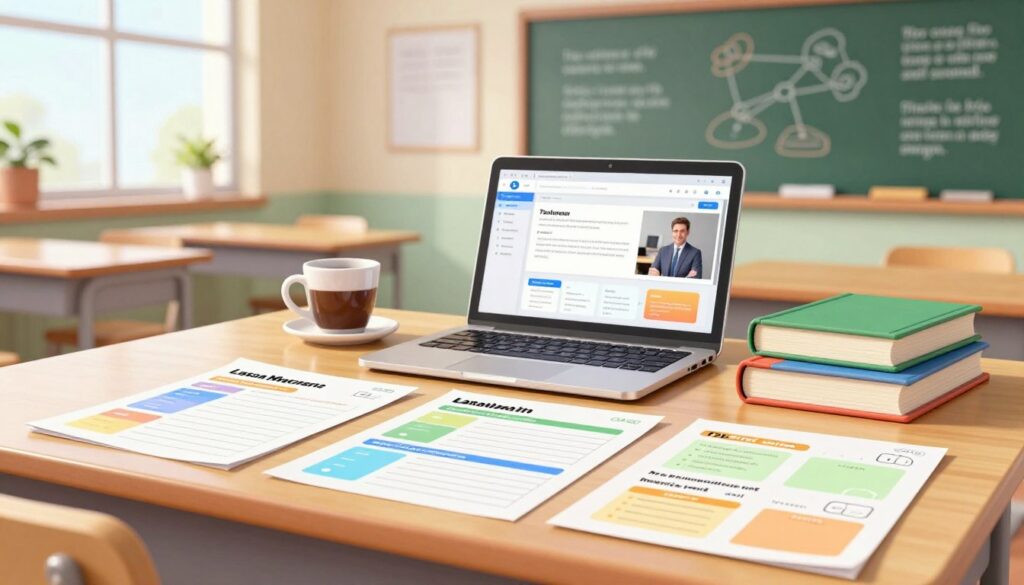
With guided templates and smart imports, FlowScholar shortens the path from idea to a teachable plan. The platform packages lesson planning into clear steps so a teacher spends more time teaching and less on admin.
How to Get Started with FlowScholar
Begin by visiting the FlowScholar.com platform and create your account. Setup is guided: pick grade level, subject, and a template that matches your routines.
Generate high-quality lesson plans in minutes. Use prebuilt templates and customizable plans to convert an outline into ready materials. That means less time on prep and more time with students.
- Streamline tasks: automate routine steps like standards mapping and resource links.
- Integrate systems: FlowScholar connects with major classroom management tools to keep your workflow intact.
- Support and onboarding: dedicated help and clear tutorials make adoption straightforward.
Try one unit this week and measure the time you reclaim—small changes compound into measurable gains. FlowScholar helps teachers deploy reliable plans, reduce daily tasks, and move toward a calmer, more focused school week.
Fostering Better Communication with Parents and Students
Clear, timely messages tighten the bridge between the classroom and home. Using concise snippets saves significant time and keeps information consistent across interactions.
Effective communication tools like Text Blaze—used by D.J. Conger—let a teacher send standardized messages quickly. Snippets reduce repetitive typing and free up work minutes to focus on instruction and planning.
These systems preserve a personal tone while automating routine notes. Parents receive clear updates about student progress, upcoming events, and classroom expectations without delay.
- Save time: reusable snippets cut repetitive messaging.
- Maintain warmth: templates keep messages personal and consistent.
- Build trust: steady updates align school and home around student goals.
Integrate these tools into daily routines to improve the flow of information and to strengthen classroom management. We recommend starting with one set of templates and expanding as needs evolve.
Conclusion
Simple, strategic changes free up hours and reshape how lessons reach students. Clear workflows and smart systems reduce busywork in the classroom and let staff focus on teaching and learning. Small shifts lead to steady gains in day-to-day practice.
We explored AI-assisted planning, better communication with parents and students, and faster grading to show practical ways educators can reclaim time. A single teacher who adopts a few of these steps can improve feedback cycles and deepen student engagement.
Ready to begin? Visit FlowScholar.com to test one workflow and measure the impact on your lessons, grading, and classroom routines.
FAQ
What is FlowScholar.com and how does it save time on planning, prep, and practice?
FlowScholar.com is a platform that centralizes lesson plans, materials, and scheduling to cut hours from prep work. It uses AI-assisted templates and reusable units so teachers spend less time creating lessons and more time guiding students. The system also integrates classroom routines and grading workflows to reduce daily administrative load.
Why is there a growing workload for modern teachers?
Today’s classrooms demand more than instruction: teachers juggle lesson design, individualized feedback, parent communication, data tracking, and compliance paperwork. Those layered responsibilities create longer days and higher burnout risk; streamlined systems help reclaim time and focus on instruction.
How does FlowScholar help with time management?
FlowScholar offers scheduling tools, task lists, and prioritized workflows that align with weekly goals. Teachers can batch-create lessons, set automated reminders, and assign routine tasks to students—cutting context switching and freeing blocks for planning or small-group instruction.
Can FlowScholar reduce administrative burnout?
Yes. By consolidating forms, attendance, and communication in one platform, FlowScholar minimizes repetitive tasks. Automated grading summaries and template-driven reporting reduce after-hours work, allowing educators to maintain a healthier work-life balance.
In what ways does FlowScholar streamline lesson planning with AI?
The AI generates standards-aligned lesson outlines, suggests differentiated activities, and produces printable materials on demand. Teachers can tweak generated content, save versions, and deploy lessons across classes—making planning faster and more consistent.
How does the platform support classroom management and organization?
FlowScholar provides seating charts, behavior logs, and daily routine widgets that keep procedures predictable and transparent. These digital tools help maintain order, track incidents, and reinforce expectations without extra paperwork.
What are the digital widgets for daily routines and how do they work?
Widgets include check-in timers, exit-ticket forms, and bell timers that integrate with lesson flows. Teachers launch widgets from a dashboard; students interact via classroom devices. The result is smoother transitions and clearer routines that save minutes each day.
What interactive tools does FlowScholar offer to boost student engagement?
Interactive features include live quizzes, collaborative whiteboards, and formative polls. These tools provide immediate responses and keep students active during lessons. They also give teachers quick insight into comprehension so instruction can be adapted in real time.
How does FlowScholar simplify grading and assessment workflows?
The platform automates score entry, aggregates rubrics, and offers batch feedback options. Teachers can grade more consistently and return results faster, which improves student learning cycles and reduces weekend grading sessions.
What does automated feedback look like in the system?
Automated feedback uses preset rubrics and comment banks tailored to task types. Teachers can customize suggestions; the system applies comments based on rubric criteria, speeding up responses while preserving personalized guidance.
How does FlowScholar support data-driven performance tracking?
It compiles assessment results, attendance, and behavior metrics into visual reports. Educators can filter by student, standard, or timeframe to spot trends and intervene proactively. These insights inform instruction and parent conversations.
How can transcription features improve accessibility and study habits?
Built-in transcription captures lecture audio and converts it to searchable text, making lessons accessible for diverse learners. Transcripts help students review content, support IEP accommodations, and speed up note-sharing for absent students.
How do teachers get started with FlowScholar?
Getting started involves a short onboarding that imports existing lesson files and class lists. Teachers then select templates, connect gradebooks, and explore AI-generated lesson drafts. The platform offers guided tutorials and live support during initial setup.
Can FlowScholar improve communication with parents and students?
Yes. FlowScholar centralizes announcements, progress reports, and assignments with customizable notification settings. Parents receive clear updates and teachers can schedule conferences or send targeted feedback, strengthening home-school collaboration.
Is student data secure on FlowScholar?
FlowScholar uses industry-standard encryption and access controls to protect student records. The platform complies with common privacy regulations and provides role-based permissions so only authorized staff and families can view sensitive information.
Which integrations are available to connect existing systems?
FlowScholar supports popular LMS and gradebook integrations, calendar syncing, and single sign-on providers. This connectivity reduces duplicate entry and keeps class data synchronized across tools already in use.
How does FlowScholar support differentiated instruction?
The system recommends lesson variants and scaffolded resources based on student profiles and assessment data. Teachers can assign tiered activities and monitor progress, ensuring each student receives appropriate challenge and support.
What training and support does FlowScholar offer to schools?
Schools receive role-based training, implementation guides, and ongoing professional development workshops. Dedicated success managers help align the platform with school goals and measure impact on teacher workload and student outcomes.
How does the platform help with lesson materials and resource management?
FlowScholar stores templates, multimedia, and printable packets in a searchable library. Version control and tagging make it easy to reuse and adapt resources across classes and grade levels, reducing duplicate work.