“Education is the most powerful weapon which you can use to change the world.” — Nelson Mandela.
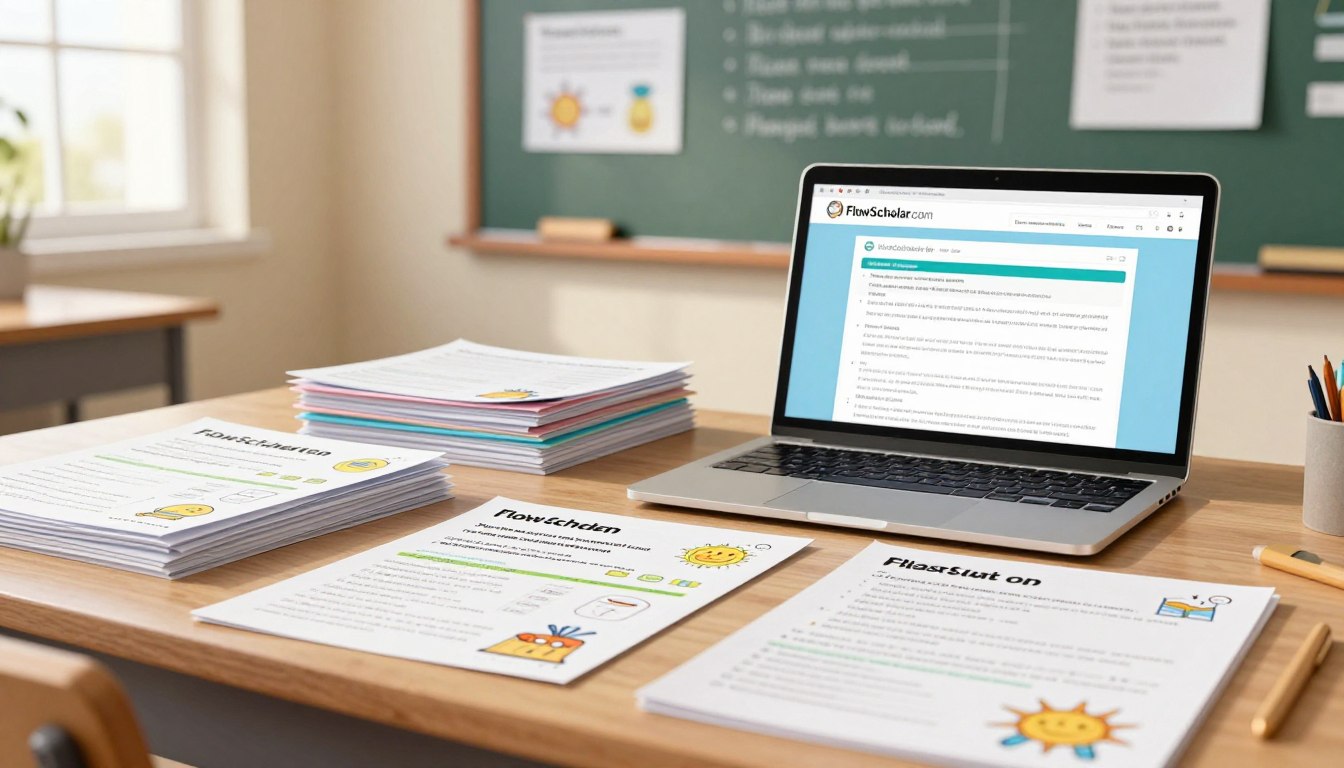
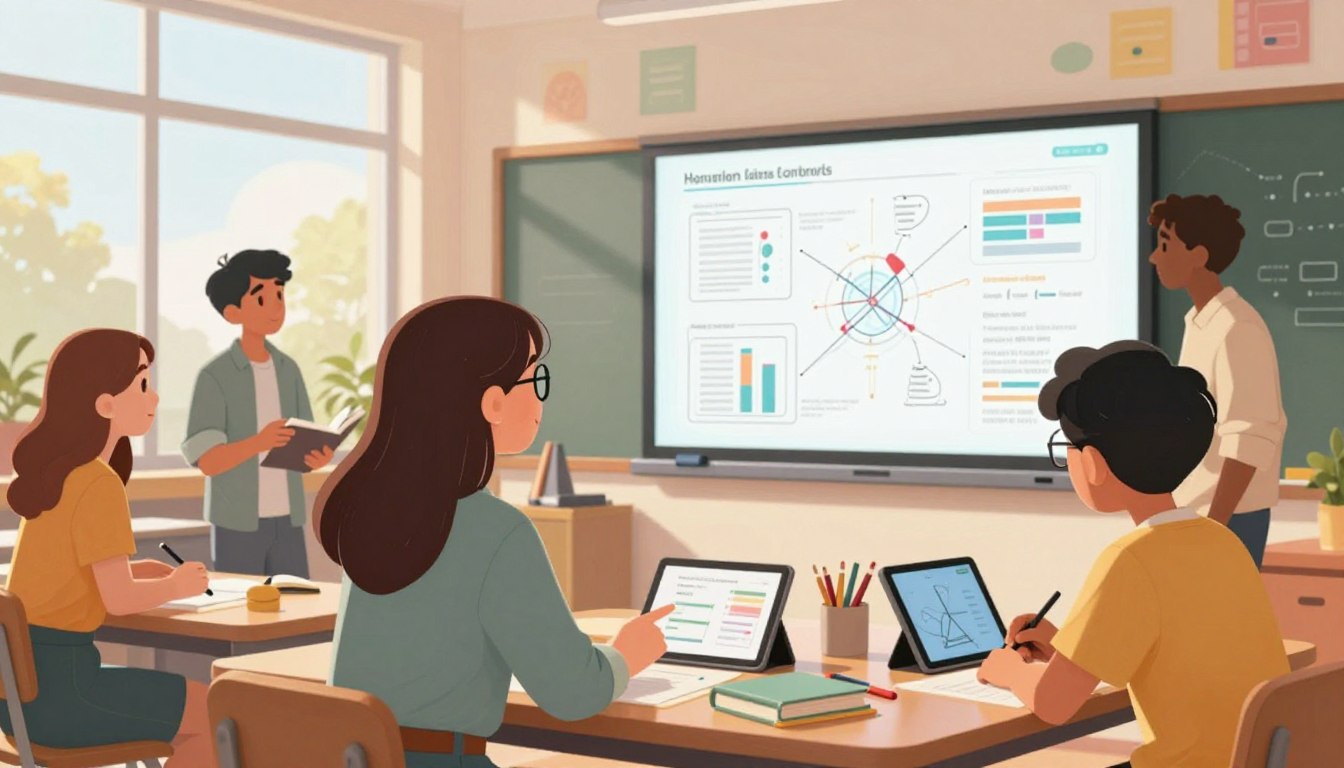
FlowScholar streamlines how teachers address student needs in busy classrooms. The platform offers an intuitive tool that saves time and helps craft focused behavior intervention plans and lesson plan adjustments. It supports teachers with data-driven insights and clear steps that reduce guesswork.
The system links individualized goals, IEP notes, and accommodations into one manageable process. Schools gain consistent strategies for behavior and learning, and teachers find that monitoring progress becomes simpler. Visit FlowScholar.com to explore the tool and see immediate benefits.
Key Takeaways
- FlowScholar offers a robust behavior intervention plan process to streamline classroom management.
- The tool saves teacher time by centralizing IEP notes, reports, and lesson plan adjustments.
- Personalized behavior strategies align with grade-level standards and special education needs.
- Data and analysis drive clearer progress tracking and actionable insights.
- Learn more about adaptive learning and analytics in related work at adaptive learning platforms.
Understanding the Need for Targeted Student Intervention
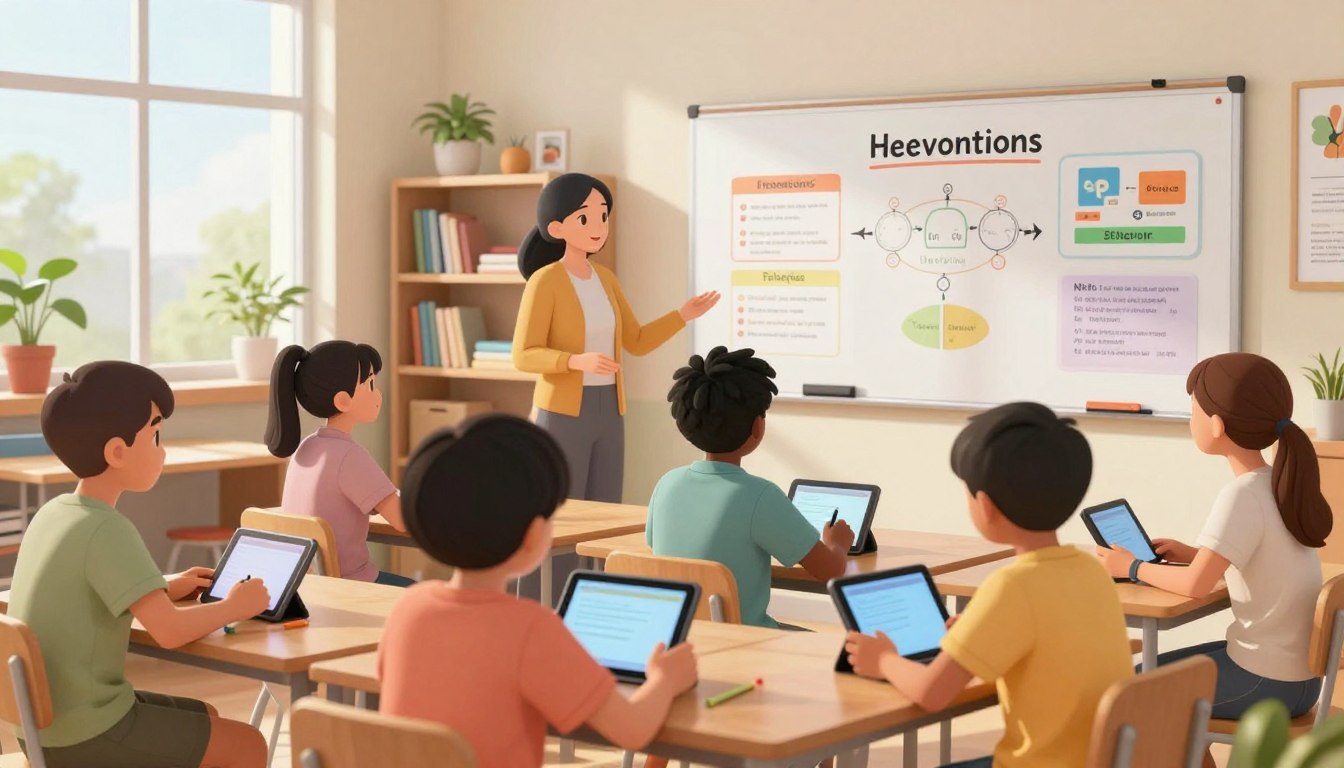
Early signs of academic or social struggle often show up as subtle shifts in engagement and routine. Recognizing those cues helps schools act quickly and avoid prolonged setbacks. Targeted supports let teachers tailor a plan to meet individual needs rather than applying one-size-fits-all solutions.
Identifying Struggling Learners
Observation and simple data points—work completion, participation, and behavior—reveal who needs help. Julie Tarasi, a Special Education Teacher at Park Hill School District, MO, emphasizes that developmentally informed management makes early identification practical and respectful.
The Role of Early Intervention
Early response reduces long-term gaps and improves classroom climate. FlowScholar.com supports teachers by automating parts of the behavior intervention plan process, saving valuable time and helping craft clear strategies.
“Developmentally informed management strategies are essential for student success.”
- Identify warning signs quickly using daily routines and assessment data.
- Use tools that reduce paperwork so teachers spend more time teaching.
- Build a behavior intervention plan that aligns with learning goals and school expectations.
Discover how FlowScholar streamlines this process: visit https://www.flowscholar.com to learn how the platform helps teachers save time and support every student in the classroom.
How an Intervention Practice Generator for Students Transforms the Classroom
When teachers can pull tailored resources instantly, instruction becomes both efficient and effective. FlowScholar’s education AI tool gives access to over five million resources, so a teacher can build targeted lesson aids in minutes.
Teachers can assign a unit or a specific vocabulary word list that matches each student’s needs. This reduces prep time and keeps lessons focused on measurable goals.
Staff can also create a quick study guide or a custom note that reinforces a concept outside class. These ready-made supports improve learning and help maintain positive behavior across the classroom.
Practical strategies—from short quizzes to step-by-step word lists—help students master tricky topics without extra paperwork.

Explore FlowScholar to see how AI-driven plans and resources streamline support and save time: https://www.flowscholar.com.
Streamlining Behavior Intervention Plans with AI Technology
AI can turn fragmented notes and observations into a clear, actionable behavior plan in minutes.
FlowScholar automates BIP creation so teachers spend less time on paperwork. A 2nd grade homeroom example shows how the tool addresses verbally disruptive behaviors during non-preferred tasks.
Aligning Plans with Standards
Teachers align each behavior intervention with state standards and grade-level goals. This keeps goals measurable and tied to growth in the classroom.
Monitoring Progress in Real Time
Real-time reports deliver behaviour analysis and insights that guide quick adjustments. Staff can draft an email to specialists within the platform to enhance collaboration.
- Automate a BIP for a 2nd grade student exhibiting disruptive behaviors.
- Distinguish a BIP vs an IEP to match accommodations and academic needs.
- Access AI-driven reports and progress data to refine plans and supports.
Explore FlowScholar: visit https://www.flowscholar.com to access tools, real-time reports, and actionable insights.
Tailoring Academic Support to Individual Student Needs
Personalized learning begins when materials reflect a student’s strengths and gaps. Teachers can move beyond one-size-fits-all lessons and make targeted adjustments that improve engagement and outcomes.
Personalizing Practice Materials
FlowScholar.com excels at addressing tailored student needs by creating materials matched to each learner’s profile. The platform uses an education AI tool to craft short, focused lesson aids that align with classroom goals.
This approach supports special education requirements and lets teachers design a behavior intervention plan that respects individual needs. Quick custom content keeps learning relevant, reduces reteach time, and boosts confidence.
- Generate tailored materials that target specific learning gaps and behavior goals.
- Keep lessons concise and measurable to track individual progress.
- Use tools that free teachers to adapt strategies rather than rewrite entire plans.
Ready to personalize lessons? Explore FlowScholar’s tool at FlowScholar.com and learn how to create plans that support every learner. For goal-writing support, see the IEP goal generator to speed alignment with objectives.
Enhancing Teacher Efficiency and Lesson Planning
A streamlined lesson plan workflow frees teachers to respond to classroom moments in real time.
FlowScholar cuts administrative time by automating lesson plan creation and behavior intervention summaries. This gives each teacher more time for direct teaching and classroom management.
Teachers can generate a unit study guide or a quick vocabulary word list for any grade level in minutes. The tool also helps craft a brief note or email to keep every student on track with goals.

Efficient workflows reduce repetitive steps and improve consistency across grade levels. Teams use fewer documents and spend more time refining strategies that influence learning outcomes.
“By saving time on planning, educators expand the space to observe behavior and adjust plans that drive progress.”
- Save time: automate lesson plan tasks and unit-level resources.
- Improve management: centralize notes, behavior logs, and progress emails.
- Scale quality: use the tool to support complex subjects with consistent plans.
Visit FlowScholar.com to see how AI-driven tools help teachers deliver higher-quality lessons and support every student in the classroom.
Ensuring Data Privacy and Ethical AI Use in Schools
Data safety becomes central when a school adopts any AI-driven tool that tracks behavior and progress. Clear policies help protect each student record and maintain trust between families and staff.
FlowScholar.com prioritizes data privacy and partners with organizations like AI for Education to provide training and resources. This approach keeps every behavior intervention plan confidential and aligned with special education rules.
Teachers can use the tool to securely share reports and collaborate with parents. Access controls, encrypted storage, and role-based permissions reduce risk while supporting coordinated goal-setting and progress analysis.
“Ethical use of AI means combining technical safeguards with clear school policies and staff training.”
- Secure collaboration: controlled access for teachers and families.
- Compliance: meets school and IEP requirements for sensitive records.
- Training and support: resources to answer questions about data safety and ethical use.
| Area | Feature | Benefit | How FlowScholar Helps |
|---|---|---|---|
| Privacy | Encrypted storage | Protects student records | Policy-aligned security |
| Compliance | Role-based access | Meets IEP and school standards | Built-in audit logs |
| Collaboration | Secure sharing | Improves teacher-parent communication | Permission controls and secure email links |
| Training | Ethical AI resources | Answers key questions on use | Partnerships with AI for Education |
Learn more: visit https://www.flowscholar.com to access ethical AI strategies that protect rights and support growth.
Conclusion
A focused approach to goals and reports helps teams turn small wins into lasting growth.
FlowScholar empowers teachers with a single education tool that simplifies plan creation and tracking. It makes the classroom more manageable and gives each student clear steps toward measurable goals.
Use the platform to create lesson aids, unit resources, and behavior intervention plans with less admin work. The result: consistent strategies that raise engagement and speed progress.
Explore FlowScholar: visit https://www.flowscholar.com to access support, join other teachers, and start building plans that drive growth and help every student master each word and concept.
FAQ
What is FlowScholar.com and how does it support extra practice for struggling learners?
FlowScholar.com is a platform designed to help teachers create targeted supplemental activities and personalized lesson components. It uses data-driven tools to generate practice items, accommodations, and progress-monitoring suggestions that align with grade-level standards and individualized education program (IEP) goals.
How do educators identify which learners need targeted support?
Teachers can use formative assessments, behavior observations, and classroom performance data to pinpoint gaps. FlowScholar integrates assessment results and classroom behavior insights to highlight students who need academic or behavioral adjustments and suggests next-step strategies.
Why is early targeted support important?
Early, focused assistance reduces learning gaps before they widen. Timely interventions improve long-term outcomes by addressing foundational skills, reducing behavior escalation, and allowing teachers to tailor instruction to each learner’s progress.
How does the tool transform classroom instruction?
By automating the creation of differentiated practice sets, scaffolds, and formative checks, FlowScholar frees teachers to concentrate on instruction. The system recommends lesson adjustments, practice pacing, and grouping strategies tied to standards and observable learning needs.
Can FlowScholar help create Behavior Intervention Plans (BIPs)?
Yes. The platform streamlines BIP development by offering structured templates, evidence-based strategies, and measurable objectives. It assists teams in documenting antecedents, replacements, and reinforcement systems while keeping the plan aligned with school policies and student needs.
How are BIPs aligned with academic standards and school goals?
FlowScholar maps behavioral targets to classroom routines and curricular expectations. It recommends instructional accommodations and universal supports that reinforce academic standards, ensuring behavior goals support access to the core curriculum.
Does the system allow real-time monitoring of progress?
Yes. Teachers can record observations, track objective metrics, and visualize progress over time. Real-time dashboards flag when adjustments are needed and provide recommendation prompts for reteaching or modifying supports.
How does the platform personalize practice materials for individual learning needs?
The system uses assessment data, IEP accommodations, and teacher input to generate tailored tasks—varying complexity, modality, and scaffolds. Materials include vocabulary supports, step-by-step prompts, and differentiated question sets to match each student’s zone of proximal development.
In what ways does FlowScholar improve teacher efficiency and lesson planning?
FlowScholar reduces preparation time by producing ready-to-use practice pages, accommodation notes, and grouping recommendations. It organizes resources by unit and standard, enabling faster planning, consistent documentation, and smoother collaboration with co-teachers and specialists.
How does FlowScholar protect student data and ensure ethical AI use?
The platform adheres to FERPA and common school privacy standards, employing encryption and role-based access. It emphasizes transparent AI recommendations, provides human-in-the-loop review, and avoids automated high-stakes decisions without educator approval.
Can the system be integrated with existing school tools and workflows?
FlowScholar supports common LMS and student information system integrations, allowing import of rosters, assessment scores, and IEP accommodations. Integration streamlines data flow and minimizes duplicate entry for teachers and support staff.
How does FlowScholar support collaboration among teachers, specialists, and families?
The platform creates shareable plan summaries, progress reports, and suggested home strategies. It facilitates interdisciplinary notes and meeting-ready exports, helping teams coordinate interventions, document outcomes, and communicate clear next steps with caregivers.
What evidence-based strategies does the platform recommend for behavior and learning supports?
FlowScholar draws on proven approaches such as explicit instruction, gradual release, positive behavior supports, errorless learning, and frequent formative checks. Recommendations are tied to research-informed practices and tailored to the student’s profile.
How are goals and success criteria defined and measured?
The tool helps teams write measurable, time-bound objectives with observable success criteria. Progress metrics—accuracy rates, frequency counts, or rubric scores—are tracked and visualized to show growth and inform plan revisions.
What training or support is available for schools adopting FlowScholar?
Onboarding includes professional development modules, implementation guides, and live support options. Training focuses on using data effectively, creating individualized supports, and integrating the tool into existing planning cycles.
Are accommodations and modifications documented for IEP compliance?
Yes. FlowScholar provides templates and documentation fields that align accommodations and instructional modifications with IEP goals, making it easier to maintain compliance and produce audit-ready records.
How does the platform handle grade-level differences and subject areas?
FlowScholar supports multiple grade bands and subjects, mapping standards and vocabulary to each level. It proposes age-appropriate materials and scaffolds that respect developmental differences while keeping learning objectives consistent.
What reporting features help demonstrate growth to administrators and families?
Built-in reports synthesize academic progress, behavior trends, and intervention fidelity. Visual charts and plain-language summaries clarify impact for administrators and families, supporting data-driven decisions and transparent communication.
How quickly can teachers generate materials and plans with the tool?
Teachers can produce practice sets, BIP drafts, and progress trackers in minutes—then review and customize. The rapid turnaround supports responsive instruction and timely adjustments to meet evolving student needs.