“Education is the most powerful weapon which you can use to change the world.” — Nelson Mandela.
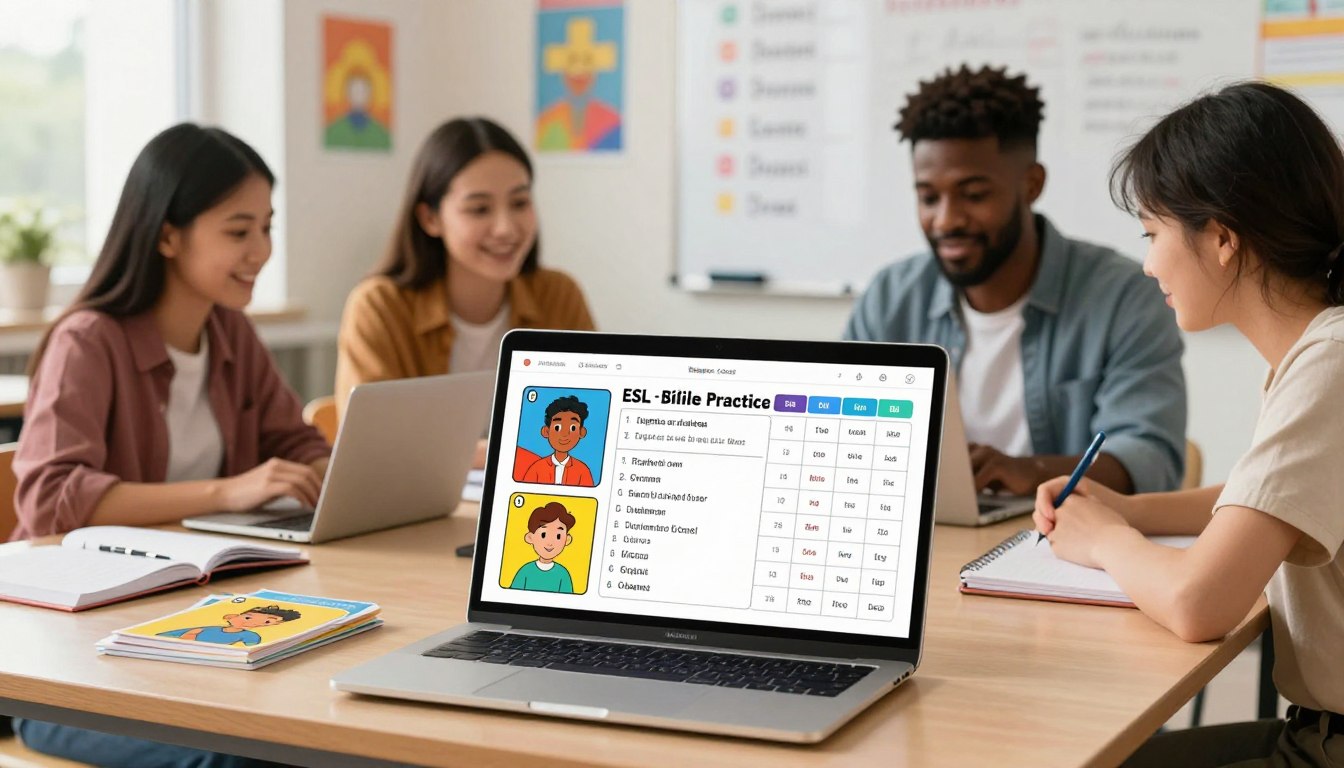
FlowScholar.com delivers a focused ESL and bilingual practice generator crafted for classrooms and tutors who aim for measurable gains. The platform blends AI with teacher insight to make custom lessons fast and meaningful.
Educators find a straightforward tool to build exercises that match student levels. The interface supports varied language needs and keeps setup time minimal.
We believe steady work builds fluency. FlowScholar.com offers adaptable tools that scale across proficiency stages and learning goals.
Visit https://www.flowscholar.com to explore how this tool transforms lesson planning and boosts outcomes for learners today.
Key Takeaways
- FlowScholar.com offers an AI-driven solution for targeted language learning support.
- The platform simplifies creation of custom materials for diverse classrooms.
- Short, regular exercises help students progress across proficiency levels.
- Teachers save time while keeping content aligned to real needs.
- Visit https://www.flowscholar.com to try the solution and improve student results.
The Evolution of Language Learning with AI
Modern language instruction uses AI to reduce repetitive tasks, speed lesson design, and deliver focused feedback. Many classrooms now rely on integrated tools to help students reach higher proficiency.
OpenEduCat includes 91 AI tools that keep student data secure within institutional systems. This shift lets teachers spend less time on routine setup and more time on direct instruction.
“AI handles repetitive tasks, allowing teachers to focus on direct instruction.”
- AI-driven feedback supports varied level groups in a single class.
- A 2023 review by Crompton & Burke shows language use leads AI adoption in education.
- Yet, EdWeek Research Center notes 59% of teachers are not using tools like ChatGPT.
| Metric | Value | Implication |
|---|---|---|
| Integrated AI tools | 91 (OpenEduCat) | Scalable automation; secure data flow |
| Teacher adoption | 41% using AI | Opportunity for training and rollout |
| Primary AI use | Language learning (2023 study) | Proven impact on vocabulary and lesson delivery |
For teachers and learners seeking a focused education AI tool, visit FlowScholar to explore solutions that bridge gaps. For deeper evidence, see this research summary.
Key Features of an Effective ESL and Bilingual Practice Generator
A focused set of features lets educators tailor reading passages and quizzes to each student’s level. These capabilities bridge the gap between raw content and targeted learning materials.
Vocabulary Scaffolding
Key vocabulary lists and example sentences reduce cognitive load for students. Tools such as Diffit can generate reading passage lists and comprehension questions from a topic or URL.
Image descriptions and simple definitions help students link words to context. Quizlet-style spaced retrieval supports memorization for long-term knowledge.
Text Leveling Capabilities
Adjustable text levels let teachers match material to proficiency levels. Twee creates gap fills and comprehension questions from video or transcripts in seconds, saving time for lesson planning.
Formats like short passages, quizzes, and interactive games (Wordwall templates) keep class engagement high. By using targeted NLP lessons, teachers craft materials that align with class goals.
- Aligned content: vocabulary, example sentences, and image cues tailored to levels.
- Time savings: AI-generated lesson plans and quiz prompts reduce prep time.
- Flexible formats: reading passages, gap fills, and assessment prompts for varied use.
Visit FlowScholar to see how these features integrate into a single tool for teachers and students.
Enhancing Classroom Differentiation and Accessibility
Inclusive classrooms thrive when teachers can quickly match reading materials to each learner’s needs. Small adjustments—translations, key vocabulary, and leveled texts—make lessons accessible from day one.

Supporting Multilingual Student Needs
FlowScholar supports more than 40 languages, letting teachers produce bilingual vocabulary lists and reading passage content that serve every student. Six CEFR proficiency levels—from A1 Beginner to C1 Advanced—help match text to skill level.
Teachers can add example sentences, brief grammar notes, and scaffolded comprehension prompts. This helps students build background knowledge in their first language while joining class activities immediately.
- 40+ languages: translation and bilingual materials for diverse topics.
- Six levels: A1–C1 text leveling for accurate placement and growth.
- Data safety: student data protections designed for secure classroom use.
One newcomer from Guatemala joined a 7th-grade reading lesson on day one thanks to scaffolded supports. For teachers who want tools that scale inclusion, visit https://www.flowscholar.com to explore how tailored learning materials improve outcomes for learners and teachers alike.
Streamlining Assessment Design for Language Proficiency
C. A streamlined assessment workflow turns raw class content into reliable measures of language proficiency.
Automated question crafting speeds creation of valid quizzes from a reading passage, transcript, or topic. The system generates multiple-choice, short-answer, and gap-fill questions that focus on true comprehension, not mere memorization. Teachers can edit prompts to match a target level or contextual goal in minutes.
Explanation-Based Learning
Every answer option includes clear explanations and rationale. Students receive immediate feedback that ties choices to grammar rules, vocabulary use, or contextual meaning. This approach builds deeper knowledge of syntax and word use.
Exporting for Offline Study
Assessments export to QTI 2.1, PDF, and DOCX for seamless LMS integration and offline review. That means teachers can deliver the same quiz in Moodle or hand out a printed version for in-class review.
- Fast authoring: import existing material and produce a quiz in minutes.
- Professional formats: QTI 2.1, PDF, DOCX for LMS or paper use.
- Deeper learning: explanations foster transfer from short-term recall to lasting skills.
| Feature | Benefit | Use Case |
|---|---|---|
| Automated questions | Saves teacher time | Generate quizzes from a reading passage |
| Explanation feedback | Improves comprehension | Clarify grammar and vocabulary choices |
| Export formats | Flexible delivery | QTI 2.1 for LMS; PDF/DOCX for offline study |
FlowScholar streamlines assessment design for teachers and students alike. For classroom-ready guidance on using AI tools in language lessons, see supporting instruction with AI. Visit https://www.flowscholar.com to try exportable assessments that map to lesson plans and proficiency levels.
Integrating FlowScholar into Your Daily Study Routine
Small, consistent study blocks help students convert lessons into durable language skills. Short sessions focused on vocabulary, grammar, and reading comprehension fit into busy school days and build momentum.
Teachers can assign a short lesson or quiz before class to prime students for discussion. Students then review the same material with flashcards or adaptive review tools like Quizlet to reinforce retention.

Set clear weekly goals: one passage, two short quizzes, and three grammar prompts. This structure gives measurable feedback for assessment and helps students track level gains.
- Flexible formats: exportable materials and quizzes for in-class or at-home study.
- Time-efficient: short prompts produce quick wins that boost confidence.
- Teacher tools: assign content, monitor quiz results, and adapt plans by proficiency.
Visit https://www.flowscholar.com to explore how this tool fits daily study routines and helps students gain independence in learning.
Conclusion
Conclusion: Effective classroom platforms turn raw content into tailored lessons that reach every learner. FlowScholar.com offers a comprehensive suite designed to help teachers create custom materials and generate insightful quiz questions with clear prompts.
The platform supports targeted reading text, guides comprehension, and speeds lesson design so students get timely feedback. Teachers can assign short study tasks or a quick quiz to reinforce vocabulary and grammar.
We invite educators to explore how this education AI tool improves outcomes. Visit https://www.flowscholar.com to see sample materials, try a demo, and begin a practical path to better learning for students.
FAQ
What is FlowScholar.com and who benefits from it?
FlowScholar.com is a learning platform designed to provide extra language support for learners and instructors. It helps emerging professionals, classroom teachers, and independent learners access leveled reading passages, targeted vocabulary lists, and ready-to-use assessment materials that reinforce comprehension and fluency.
How does AI improve language learning on FlowScholar?
AI personalizes content by analyzing learner level and producing appropriately leveled texts, adaptive quizzes, and tailored vocabulary practice. This reduces manual lesson design time and creates consistent progression—students receive materials matched to their proficiency and teachers gain actionable insights.
What key features support vocabulary acquisition?
The platform offers vocabulary scaffolding with word lists grouped by frequency and topic, example sentences, spaced-repetition prompts, and contextualized activities. These elements reinforce retention and promote practical use across reading, writing, and speaking tasks.
How does text leveling work on the site?
Text leveling analyzes syntax, vocabulary density, and sentence length to assign a grade-equivalent level. Educators can adjust complexity settings to make passages simpler or more challenging, ensuring materials align with learning objectives and student readiness.
Can FlowScholar support differentiated instruction in mixed-ability classrooms?
Yes. The system generates multiple versions of the same passage at varied levels, plus tiered question sets and scaffolded supports. Teachers can quickly assign appropriate materials to small groups, accelerating progress while maintaining consistent curricular goals.
How does the platform address multilingual student needs and accessibility?
FlowScholar includes translation aids, glossaries, and audio narration to support speakers of other languages. It also follows accessibility best practices—clear fonts, adjustable playback speed, and exportable resources for offline or low-bandwidth use.
What assessment tools are available for measuring proficiency?
The site provides automated question crafting for quizzes, formative checks, and summative tests. Questions include multiple-choice, short answer, and comprehension prompts, paired with immediate scoring and performance analytics to guide instruction.
How does explanation-based learning function within the platform?
Explanation-based learning delivers model answers and step-by-step reasoning for complex items. It highlights common misconceptions and offers targeted feedback so learners understand not just what is correct, but why it is correct.
Can teachers export materials for offline use or printing?
Yes. Educators can export passages, vocabulary lists, and quizzes as PDFs or editable documents. This feature supports blended learning, parent review, and distribution in settings with limited internet access.
How easy is it to integrate FlowScholar into a daily study routine?
Integration is straightforward: users set proficiency goals, select preferred content types, and schedule short daily sessions. The platform’s adaptive recommendations and progress tracking keep motivation high and study time effective.
Is student data secure and how is privacy handled?
FlowScholar follows standard data protection practices—encrypted storage, role-based access, and compliance with applicable privacy regulations. Educators and administrators retain control over student records and export permissions.
What support is available for teachers new to the platform?
FlowScholar provides onboarding guides, lesson templates, sample unit plans, and customer support. Professional development resources help teachers learn how to leverage vocabulary scaffolding, automated assessments, and differentiation tools effectively.