
“Education is the most powerful weapon which you can use to change the world.” — Nelson Mandela.
FlowScholar.com for tutors brings that idea into the present by helping educators design and publish a professional tutoring website in minutes.
In the modern digital landscape, this Education AI Tool saves valuable time while keeping online tutoring sessions focused and engaging.
It gives tutors clear tools, actionable insights, and practical tips to shape each session around the student’s needs.
By simplifying routine tasks, the platform creates a smooth flow of learning and frees tutors to concentrate on impact.
Visit the site to start building tailored materials that help students learn faster and retain more.
Key Takeaways
- Set up a professional tutoring presence in under 15 minutes.
- Use AI-driven tools to save time and improve session quality.
- Design materials that match each student’s pace and goals.
- Gain actionable insights and practical tips for better outcomes.
- Streamline operations so educators focus on teaching, not admin.
The Evolution of Modern Online Tutoring
The rise of virtual lessons creates both income potential and operational demands for educators. Many online tutors now charge $25–$100 per hour; top providers scale to five- and six-figure annual earnings by expanding classes and systems.
Shifting to online tutoring reduces overhead and opens a global market. Yet success hinges on sound management: steady cash flow, automated payment reminders, and reliable session scheduling keep the work sustainable.
Adopting simple business tools turns subject expertise into a predictable revenue stream. This opportunity rewards strategic planning as much as teaching skill.
- Scale offerings to increase income while keeping quality high.
- Automate payments and reminders to protect cash and time.
- Use digital management to serve more students without adding overhead.
| Tier | Hourly Rate | Annual Potential | Key Management Needs |
|---|---|---|---|
| Starter | $25–$40 | $15k–$30k | Scheduling, simple payments |
| Professional | $40–$75 | $30k–$80k | Automated reminders, invoicing |
| Scaled | $75–$100+ | $80k–$250k+ | Class management, payment systems |
Preparing for Your First Session with Students
A well-prepared first meeting sets the tone for future learning and professional relationships. This short checklist helps tutors start confidently and keep operations smooth.
Setting Up Your Digital Workspace
Test your whiteboard and video conferencing before the session. Confirm audio, camera, and screen-share work to create a professional atmosphere.
Choose a quiet, well-lit place and clear visual clutter. A tidy background and good lighting show parents and students you take tutoring seriously.
Reviewing Student Materials
Collect materials from students parents in advance and centralize records in one folder. That makes tracking learning progress and payments easier.
- Familiarize yourself with digital tools to provide live support during the session.
- Prepare a simple session plan and a few focused questions to personalize instruction.
- Set expectations with parents about payment, reminders, and management of scheduling to protect cash flow.
When tutors ask clear questions before meeting, they tailor content and increase the chance of early success. For a practical primer on session setup, see this quick guide.
Personalizing Learning Styles for Better Engagement
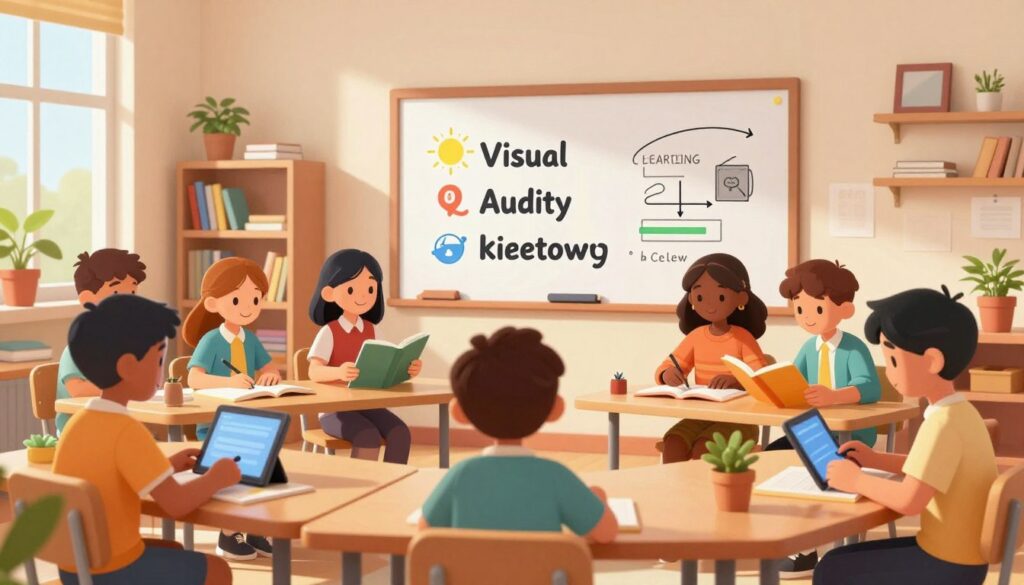
Personalizing instruction starts by mapping how each learner best absorbs new ideas. This approach improves teaching and supports deeper learning.
Adapt to three main styles: use visuals for visual learners, audio and discussion for auditory learners, and hands-on tasks for kinesthetic learners. In online tutoring, quick checks reveal preferences before a live session.
Gather practical insights about how a student processes knowledge. Use short diagnostics and past work to shape materials and set clear goals. This is the most reliable way to tailor content.
Ask open-ended questions during the session to see how learners respond. Their answers show confidence, gaps, and the best path forward. Keep prompts simple and direct.
Create a safe space: invite feedback and celebrate small wins. When tutors customize the approach, each student gains ownership of progress and a richer learning experience.
| Learning Style | Quick Technique | Example Materials |
|---|---|---|
| Visual | Diagrams, color cues | Mind maps, annotated slides |
| Auditory | Read-aloud, discussion | Podcasts, guided questions |
| Kinesthetic | Practice tasks, models | Simulations, write-and-build activities |
Leveraging FlowScholar.com for Tutors to Build Custom Materials
Good materials shape every effective session. A modern platform combines automation, simple analytics, and authoring tools so educators can produce tailored course content fast.
Automating Lesson Content
Automating Lesson Content
Automation turns repeatable tasks into templates. Tutors can generate lesson outlines, quizzes, and homework in seconds.
This saves time and reduces admin work by over half for many educators—some report doubling monthly income after adopting automation.
Tracking Student Progress
Built-in trackers let tutors monitor progress at a glance. Dashboards show mastery, missed topics, and upcoming assessments.
Use these metrics to adjust pacing and personalize each session. That keeps students engaged and improves learning outcomes.
Creating Tailored Learning Paths
Design branching paths that match skill levels and goals. A tailored path guides a student through a course with clear milestones.
Manage classes and payment workflows in one place to protect cash flow and focus on teaching, not paperwork.
- Automate content to scale offerings without extra hours.
- Track progress to intervene early and raise success rates.
- Create paths that turn lessons into measurable progress for students.
| Feature | Benefit | Impact |
|---|---|---|
| Lesson automation | Faster content creation | Save time; scale classes |
| Progress dashboard | Real-time student insights | Improve outcomes; tailor sessions |
| Path builder | Customized course flows | Higher engagement; steady income |
Interactive Teaching Strategies for Virtual Classrooms
Interactive digital classrooms transform passive lectures into active learning moments.
Instructors should mix short group tasks with vivid multimedia to keep students focused during an online tutoring session.
Asking higher-level questions encourages critical thinking and gives tutors quick insights into mastery. Use open prompts that nudge learners to explain reasoning.
Choose simple digital tools that let every student collaborate: shared whiteboards, polls, and timed quizzes. The right tool reduces friction and improves the class experience.
Educators who use interactive methods often see better retention. Small group work and real-time feedback make the session more enjoyable and effective.
Provide timely comments during exercises. Immediate feedback helps a student fix mistakes and stay motivated throughout the class.

| Strategy | Action | Outcome |
|---|---|---|
| Group activities | Breakouts with roles | Higher participation |
| Multimedia | Videos + annotations | Improved recall |
| Targeted questions | Open prompts | Deeper insight |
| Real-time feedback | Live comments | Faster correction |
For a practical session guide, review this concise reference: practical session guide.
Streamlining Business Operations and Cash Flow
Consistent payment processes turn irregular income into reliable cash flow. Automating invoicing and reminders means less admin and more time teaching.
Automating Invoicing and Payment Reminders
Tutors who centralize billing in one place get paid faster. Studies show automated tools help educators receive payments 38% faster.
“Automated reminders reduce late payments and create predictable cash for growing classes.”
- Centralize invoicing and reminders in one place to cut chasing time.
- Accept credit card payments to improve client experience and speed up payment.
- Use systems with real-time insights to track cash and spot late payers.
| Action | Benefit | Impact |
|---|---|---|
| Centralized invoicing | Single place to manage bills | Get paid 38% faster |
| Automated reminders | Fewer overdue payments | Better cash flow |
| Credit card acceptance | Smoother client checkout | Faster deposits; professional feel |
Tip: Try a 14-day free trial like PayTrack to manage invoicing without a credit card and see immediate progress in cash management.
Marketing Your Tutoring Services for Growth
A focused marketing plan helps tutors fill classes while protecting the tutor’s time and cash flow.
Start by showcasing results. Publish short testimonials and sample progress reports that highlight student gains. These prove your knowledge and make it easier for parents to choose a course.
Use social media and a simple email sequence to reach more families. Share quick tips, short video demos, and clear calls to action to attract group sessions and one-on-one bookings.
Implement a single system to track marketing efforts in one place. Log leads, session bookings, and invoicing so you spot what converts.
- Offer flexible payment options — include credit card processing and recurring payment setup to simplify payment and reminders.
- Publish helpful content and tips to build authority and steady referrals.
- Measure campaigns weekly and reallocate time to what brings new students.
“Consistent outreach and clear value propositions turn occasional interest into reliable income.”
Conclusion: Elevating Your Tutoring Career
Prioritizing both learning and simple systems transforms a tutoring practice. Invest a little time today to align lesson design with scheduling and payment workflows. This makes each session more focused and repeatable.
Support your students by standardizing intake, tracking progress, and automating one payment task. Clear records reduce late payment issues and protect cash flow. A calm schedule frees cash and reduces friction for the student and family.
Focus on measurable success: optimize classes, refine materials, and convert knowledge into a sustainable business. We encourage educators to apply these steps so every session delivers maximum value and long-term impact.
FAQ
What is FlowScholar.com for Tutors and how does it help build custom learning materials?
The platform is a centralized toolkit that helps educators design tailored lesson plans, worksheets, and course content. It streamlines content creation with templates, editable resources, and automated prompts so tutors can adapt materials to each learner’s goals and pace.
How has online tutoring evolved and what should modern educators expect?
Online tutoring shifted from ad-hoc video calls to data-driven, interactive experiences. Tutors now use real-time collaboration, analytics, and integrated payment tools to manage sessions, measure progress, and scale offerings—bridging teaching with business operations.
What should a tutor do to prepare for the first session with a new student?
Begin by reviewing the student’s background, learning goals, and past materials. Set clear objectives for the first meeting, prepare a short diagnostic activity, and confirm the session logistics—platform, time, and payment method—so the lesson starts smoothly.
How do tutors set up an effective digital workspace for online lessons?
Choose a stable video platform, organize lesson files in cloud storage, and ensure a quality microphone and camera. Create quick-access folders for activities, notes, and assessments to reduce interruptions and maintain professional flow during sessions.
What is the best way to review student materials before a session?
Skim recent assignments and assessments to identify gaps, note strengths, and prioritize topics. Annotate materials with targeted questions and sample exercises to personalize the session. Use progress data to guide pacing and focus.
How can tutors personalize learning styles to boost engagement?
Assess a student’s preferred modalities—visual, auditory, kinesthetic—and adapt activities accordingly. Rotate formats: short micro-lessons, interactive problems, and applied tasks. Personalization increases retention and encourages sustained motivation.
In what ways can the platform automate lesson content creation?
Tutors can use content templates, auto-generated worksheets, and lesson outlines that populate from student profiles. Automation reduces prep time while maintaining customization, allowing educators to deliver consistent, high-quality sessions.
How does tracking student progress work and why is it important?
Progress tracking collects scores, session notes, and completion metrics to create a clear learning trajectory. It reveals trends, informs interventions, and provides evidence of growth for students and parents—strengthening trust and outcomes.
What are tailored learning paths and how are they created?
Tailored paths sequence lessons, resources, and assessments around a student’s goals and current level. Tutors build these paths using diagnostics and milestones, then adjust them with ongoing data to keep learners on an efficient growth path.
What interactive strategies work best in virtual classrooms?
Use short, focused activities, live problem-solving, breakout tasks, and instant feedback loops. Incorporate multimedia, polls, and collaborative documents to keep sessions dynamic and ensure active participation throughout class time.
How can tutors streamline business operations and maintain steady cash flow?
Consolidate scheduling, invoicing, and messaging into one system. Automate recurring payments, set clear cancellation policies, and use reminders to reduce missed sessions. Consistent processes protect income and free time for teaching.
How does automated invoicing and payment reminders improve revenue management?
Automated invoices and reminders reduce late payments and administrative overhead. They allow tutors to accept credit card and bank payments, generate receipts for parents, and maintain predictable cash flow without manual follow-up.
What are effective marketing tactics for growing a tutoring business?
Combine targeted online ads, social proof from reviews, and content that showcases expertise—sample lessons, free workshops, or case studies. Partner with schools and use local SEO to reach parents and students actively seeking support.
How can tutors use class insights and analytics to improve services?
Analyze engagement, completion rates, and assessment data to identify which lessons work and where students struggle. Use insights to refine curricula, personalize interventions, and demonstrate measurable results to parents and learners.