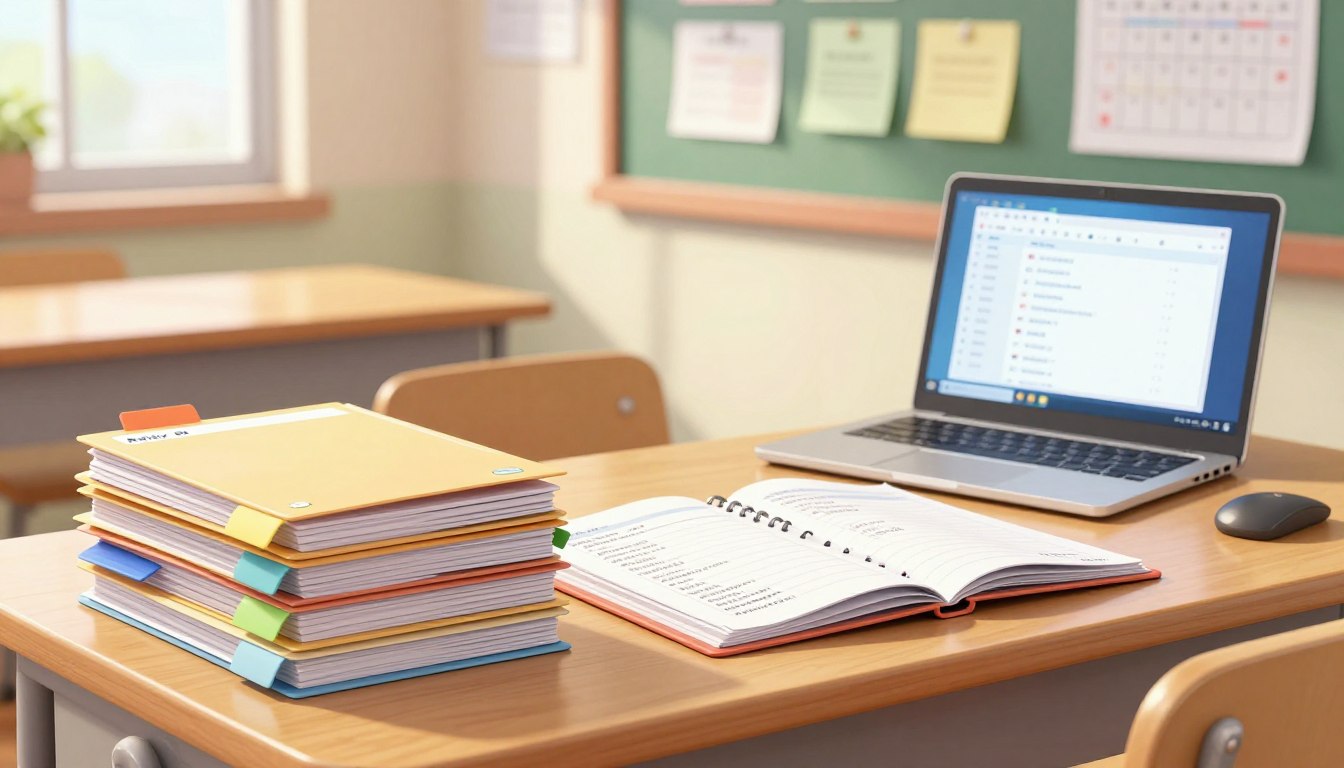
Albert Einstein once noted, “Out of clutter, find simplicity.” This wisdom perfectly captures the goal for any household navigating the daily influx of student paperwork. The challenge is real: a constant stream of assignments, artwork, and reports can quickly create overwhelming piles.
Without a clear strategy, these stacks grow, leading to stress and lost information. The solution lies not in frantic sorting, but in a deliberate system for managing both physical and digital items. This approach preserves precious memories while preventing clutter from dominating living spaces.
Modern families need integrated solutions. They must handle tangible school papers and digital assignments with equal ease. Combining time-tested organization methods with smart technology creates a robust, long-term strategy. This guide will explore specific, actionable tips, including insights from resources like this guide on organizing kids school papers.
Key Takeaways
- A deliberate plan is essential to prevent paperwork from becoming overwhelming.
- Successful management addresses both physical documents and digital files.
- The goal is to preserve meaningful academic memories while minimizing clutter.
- Integrating traditional methods with technology offers the most robust solution.
- Actionable strategies can transform chaos into an orderly, sustainable system.
Understanding the Importance of an Organized School File System
Effective management of academic materials begins with recognizing the systemic challenges that modern households face. The constant flow of documents requires more than occasional sorting—it demands a strategic approach.
Identifying Common Challenges with School Papers
Children bring home what feels like a tree’s worth of paper each day. This creates immediate pressure to decide what deserves retention versus disposal.
The emotional dimension adds complexity. Young students attach deep significance to their creations, while parents balance preservation against practical space limits. This tension creates ongoing stress throughout the school year.
Specific pain points emerge without clear systems. Important documents mix with routine papers, homework deadlines get missed, and sentimental pieces risk damage. Families experience decision fatigue from constant judgment calls about individual items.
The Impact of Clutter on Home and School Life
Clutter reduces living space and creates visual chaos that affects mental well-being. The stress of knowing important items exist somewhere within disorganized piles impacts daily family dynamics.
School performance suffers when students cannot reference past work or reflect on academic growth. Missed assignments and lost permission slips create unnecessary scrambling. A clear reason to organize becomes evident when considering these compounding effects across multiple children and grade levels.
How to Keep School Files Organized and Backed Up
The cornerstone of a sustainable academic management strategy is a daily ritual of processing the day’s influx. This simple habit prevents overwhelming piles from ever forming.
Developing a Customized Organization Plan
Establish a triage system immediately after the child arrives home. Sort every piece into one of three categories: discard, action-required (like homework), or keepers for preservation.
A display area, such as a wire with clips, honors recent achievements. It naturally cycles older papers out of prominence, making purging easier.
For long-term storage, a single file box per child proves remarkably effective. Using a product like a 19L Really Useful Box with hanging folders, one for each grade, contains an entire academic journey.
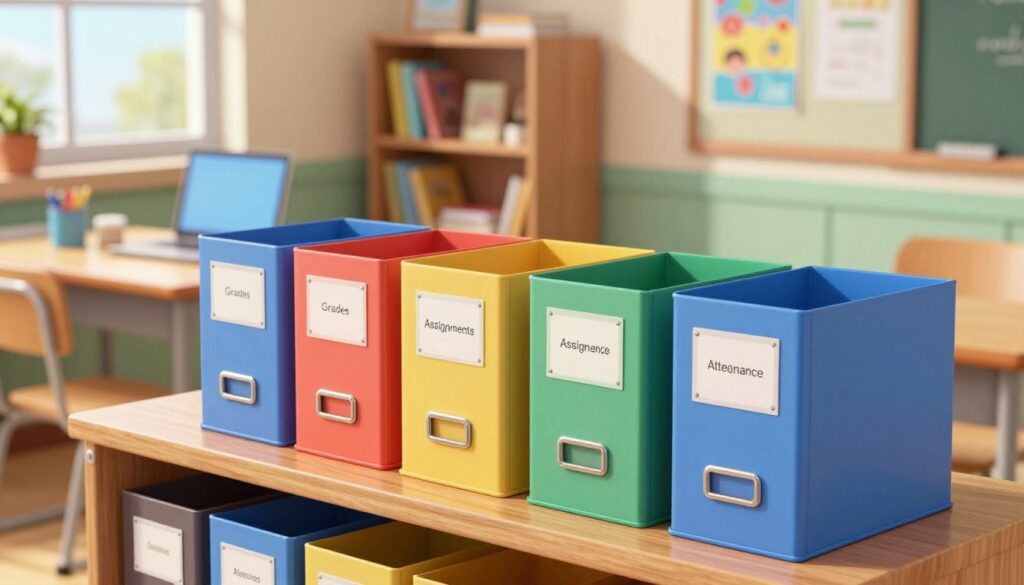
This method teaches valuable decision-making skills. When the box fills, the student must select their most meaningful pieces, a practice discussed in communities exploring long-term storage solutions.
Balancing Physical Files with Digital Backups
Digital strategies offer unlimited capacity. Photograph flat artwork on a white background for high-quality preservation. This allows discarding originals without losing memories.
Services like Chatbooks can transform these images into tangible albums. Children often access these books more frequently than a stored file box.
A hybrid approach is most effective. Reserve physical space for truly dimensional items, like handprint art. Digitize everything else to maximize preservation without clutter.
| Method | Best For | Capacity | Accessibility |
|---|---|---|---|
| Physical File Box | 3D artwork, select flat pieces | Limited (one box) | Infrequent browsing |
| Digital Photo Albums | Most flat paperwork, standard assignments | Unlimited | High (easy browsing) |
| Hybrid System | Comprehensive collection | Optimized (unlimited digital, limited physical) | Very High |
Leveraging Technology: Flowscholar’s AI Tool for Education
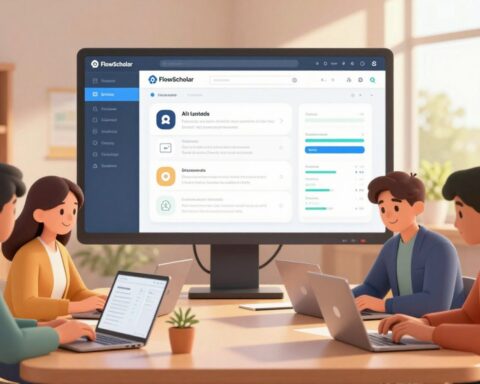
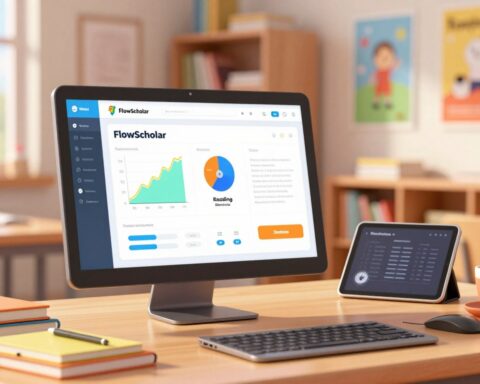
Technology now offers sophisticated solutions to the perennial challenge of managing academic materials. Flowscholar’s AI-powered platform represents a significant advancement for families navigating both physical and digital school work.
This intelligent tool automatically organizes and categorizes educational content. It eliminates the manual sorting burden that consumes valuable family time.
How Flowscholar Enhances File Management
Flowscholar centralizes scattered digital files from multiple platforms into one searchable repository. Students can locate specific assignments using natural language queries—transforming hours of searching into seconds.
The system preserves important school work against device failures or accidental deletions. This provides peace of mind throughout the entire academic year.
Integrating AI into Your Organizational Workflow
Flowscholar complements traditional methods rather than replacing them. Families can maintain their physical file box while enhancing it with digital capabilities.
The AI analyzes patterns in student work over time, identifying strengths and tracking development. This data-driven approach helps inform educational decisions and celebrate growth.
Students benefit from reflection features that prompt them to analyze their progress. They can curate their best work and create compelling portfolios of their academic journey.
Practical Systems and Tips for Managing School Documents
Families seeking lasting solutions for academic paperwork must evaluate both traditional and digital approaches. The right system balances efficiency with personal habits.
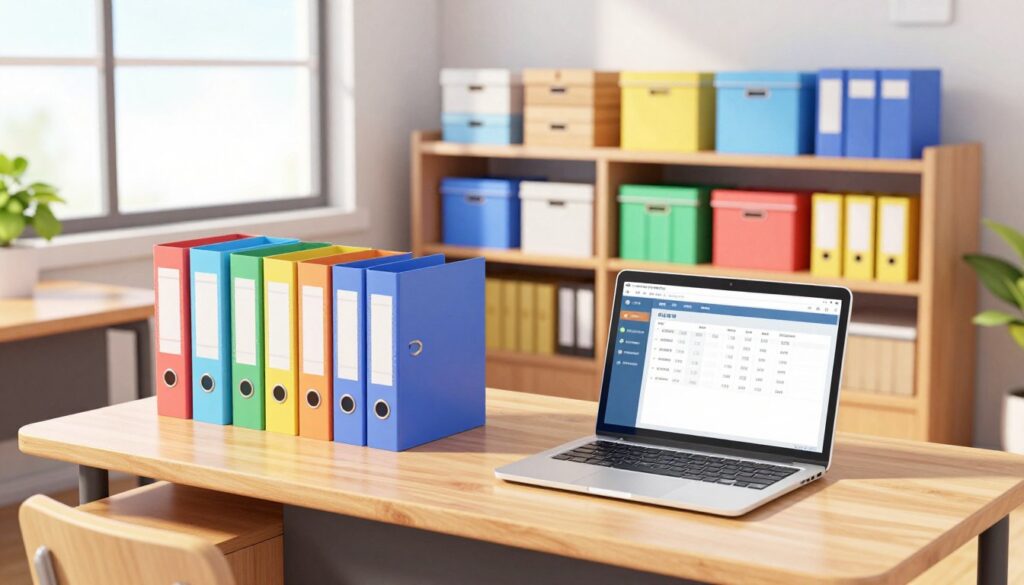
Traditional methods like the file box with hanging folders for each grade offer remarkable space efficiency. One container can hold an entire educational journey from early childhood through graduation.
Comparing Traditional Methods and Digital Solutions
Memory binders provide immediate accessibility but typically accommodate only 4-5 years before requiring additional space. Digital-first strategies using apps like Notability organize work into subjects with consistent naming systems.
Google Apps for Education offers unlimited storage when students create class folders and subfolders. This approach saves documents directly to appropriate locations rather than sorting later.
Strategies for Maintaining Consistency Throughout the School Year
The maintenance challenge often proves more significant than initial setup. Systems fail when they’re not easily accessible during busy daily routines.
A command center on main floors with temporary collection folders for each child reduces friction. This allows daily paper deposits without trips to storage areas, supporting sustainable organizing your kids school papers.
End-of-year review sessions where students select favorites teach decision-making while ensuring preserved items hold genuine meaning. Monthly quick-sorts and seasonal purges aligned with report card periods prevent overflow.
Conclusion
Sustainable organization emerges when families blend intentional planning with tools that adapt to their unique rhythm. The most effective way to manage academic papers combines a personalized system with daily habits that prevent accumulation.
This approach delivers dual rewards: practical ease and emotional connection. Families gain quick access to important information while preserving meaningful memorabilia. As children advance through each grade, the system evolves with them.
Modern solutions like Flowscholar enhance traditional methods with AI-powered capabilities. They offer powerful search and backup features without disrupting existing workflows. Start your organizational journey today by visiting Flowscholar.com.
Organized academic collections represent more than tidy spaces—they create opportunities for reflection and celebration across the entire educational journey.
FAQ
Why is it so important to have a specific system for organizing kids’ school papers?
A dedicated system prevents important documents like graded homework, teacher notes, and permission slips from getting lost. It saves time during busy mornings and reduces stress for the entire family. An organized approach also makes it easier to track a child’s progress over the school year and preserves special memorabilia.
What are the best tools for physically organizing school paperwork at home?
Many families find success with a simple file box equipped with hanging folders. Label a folder for each child or for specific categories like “current homework,” “graded work,” and “school info.” For daily papers, a dedicated tray or inbox near the entryway provides a quick “drop zone” to sort through later.
How can I effectively back up important school files digitally?
Start by using your smartphone’s camera to snap a photo of essential papers like awards or graded projects right when they come home. Create a digital folder structure on a cloud service like Google Drive or Dropbox that mirrors your physical system. This gives you remote access and protects against loss from spills or damage.
How does a tool like Flowscholar’s AI help with managing school documents?
Flowscholar’s AI tool can automate the organization process. It can intelligently categorize scanned documents, extract key information like due dates or grades, and even suggest the best place to file them—both physically and in your digital backup. This integration saves a significant amount of manual sorting time.
What is a good routine for maintaining the system throughout the school year?
Consistency is key. Set a weekly “paperwork power hour” where you and your kids sort through the week’s accumulation. Purge non-essential items and file the keepers. At the end of each grading period or semester, do a deeper review to archive the previous term’s work, making room for new papers and keeping the system manageable.