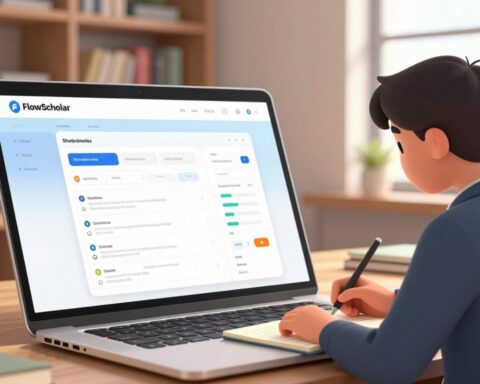
“The way we spend our time defines who we are, and our children’s screen time is a reflection of our values as a society.” This quote resonates deeply in today’s digital age, where the debate around screen time for kids is heating up. As parents and educators, finding the right balance between beneficial technology use and harmful overconsumption is a pressing concern.
Traditional approaches to managing screen time often fall short, leading to unnecessary family conflict. A more balanced approach acknowledges both the benefits and drawbacks of digital technology in students’ lives. By introducing a thoughtful, evidence-based screen time plan, we can support rather than hinder student development.
This article will provide actionable strategies for creating a balanced approach to technology use, exploring how tools like FlowScholar can be part of a healthy digital learning environment.
Key Takeaways
- Understand the digital dilemma facing parents and educators today.
- Learn why traditional screen time management approaches often fail.
- Discover the importance of a balanced approach to screen time.
- Explore how a thoughtful screen time plan can support student development.
- Find out how educational tools like FlowScholar can be part of a healthy digital learning environment.
Understanding the Screen Time Dilemma
Understanding the Screen Time Dilemma
As screens become increasingly integrated into daily life, parents, educators, and health professionals are grappling with the implications of excessive screen time on children’s development. The concern is multifaceted, encompassing impacts on physical health, social skills, and cognitive development.
### Why Screen Time Concerns Parents
Parents are worried about screen time for several legitimate reasons. Excessive screen use has been linked to a range of negative effects, including decreased attention span, reduced physical activity, and potential impacts on mental health. For instance, excessive screen time can lead to a sedentary lifestyle, contributing to obesity and other health issues. Moreover, the content consumed on screens can influence children’s behavior and attitudes, with exposure to violence or inappropriate content being a significant concern for many parents.
### The Reality of Screens in Modern Education
Screens are now an integral part of the educational landscape. Many schools have adopted digital learning tools as part of their curriculum, recognizing the potential of technology to enhance learning outcomes. However, this increased reliance on screens for educational purposes has also raised concerns about the balance between screen time and other aspects of children’s lives. The challenge for parents and educators is to ensure that screen time is used in a way that supports learning without negatively impacting other areas of children’s development.
By understanding the nuances of screen time and its effects on children, parents and educators can work together to establish guidelines that promote healthy screen use habits. This involves not only setting limits on screen time but also ensuring that the content consumed is appropriate and educational.
Not All Screen Time Is Created Equal
Screen time is not a monolith; it encompasses a wide range of activities with different effects on kids. Understanding this distinction is crucial for parents and educators aiming to create a balanced digital environment for children.
Educational vs. Entertainment Screen Time
The distinction between educational and entertainment screen time is significant. Educational content, such as interactive learning apps, can enhance cognitive skills and provide valuable knowledge. In contrast, passive entertainment consumption, like watching TV shows or playing non-educational games, may have less positive impacts on development. For instance, research on screen time and kids highlights the importance of discerning between these types of screen activities.
The 5 C’s of Screen Time: Content, Context, Child, Calm, and Conversation
Dr. Michael Rich, a pediatrician and founder of the Digital Wellness Lab at Boston Children’s Hospital, introduced the framework of the 5 C’s of screen time to help families navigate the complexities of digital media consumption. These C’s are: Content, Context, Child, Calm, and Conversation.
| The 5 C’s | Description | Impact on Kids |
|---|---|---|
| Content | What kids are watching or doing on screens | Significantly impacts the value of screen time; educational content can be beneficial |
| Context | Whether screen time is spent alone or with others | Co-viewing can transform screen experiences into social learning opportunities |
| Child | Individual factors like age, temperament, and needs | Influences screen time decisions; different children have different needs |
| Calm | How screen use affects emotional regulation and behavior | Screen time can either calm or agitate children, depending on the content and context |
| Conversation | Discussing digital experiences to develop critical thinking skills | Enhances understanding and critical thinking about digital media |
By considering these factors, parents can make informed decisions about their children’s screen time, leveraging tools like FlowScholar to support healthy digital learning habits.
How Screen Time Affects Student Development
The relationship between screen time and child development is complex, influencing attention span, language skills, and emotional regulation in profound ways. As children spend more time in front of screens, it’s crucial to understand the multifaceted impacts on their cognitive, social, and physical health.

Cognitive and Academic Impacts
Excessive screen time, particularly with fast-paced, passive content, can lead to changes in critical cognitive areas. Research has linked high screen use to challenges in attention span, executive function, and information processing. These changes can ripple into academic performance, with both positive and negative correlations observed depending on the type of content consumed.
Social and Emotional Effects
Screen time also significantly affects children’s social and emotional development. Excessive use, especially on social media, can impact social skill development and emotional well-being. There’s a potential link between high screen time and increased risks of anxiety, depression, and challenges in emotional regulation. The type of content consumed plays a crucial role, with interactive and slow-paced content generally being less harmful than passive, fast-paced content.
Physical Health Considerations
Furthermore, excessive screen time is associated with several physical health concerns. These include sleep disruption due to screen use before bed, sedentary behavior replacing physical activity, and eye strain from prolonged screen viewing. Ensuring a balance between screen time and other physical activities is essential for maintaining overall health.
In conclusion, the impact of screen time on student development is multifaceted, requiring a balanced approach to manage its effects. By understanding these impacts, parents and educators can make informed decisions to support healthy development in children.
Age-Appropriate Screen Time Guidelines
Establishing healthy screen time habits is crucial for children’s development. The American Academy of Pediatrics (AAP) provides guidelines to help parents make informed decisions about their child’s screen time.
Elementary School Students (6-10 years)
For kids aged 6-10, the AAP recommends limiting screen time to 1-2 hours per day. This should include high-quality, educational content that is supervised by parents. It’s essential to set clear boundaries and ensure that screen time does not interfere with physical activity, sleep, and other activities.
- Focus on educational content that promotes learning and development.
- Encourage physical activity and outdoor play.
- Set screen-free zones, such as the dinner table and bedrooms.
Middle School Students (11-13 years)
As children enter middle school, they begin to use technology more independently. The AAP suggests that parents continue to monitor and limit screen time, focusing on high-quality content and ensuring that it does not negatively impact their child’s physical and mental health.
- Discuss online safety and digital citizenship.
- Encourage responsible use of technology.
- Monitor screen time and set limits as needed.
High School Students (14-18 years)
For high school students, the focus shifts from strict time limits to developing self-regulation skills and healthy boundaries around screen time. Parents should continue to monitor and guide their child’s screen time, encouraging responsible use and discussing the potential risks associated with excessive screen time.
- Teach self-regulation skills to manage screen time effectively.
- Discuss the risks of excessive screen time, such as cyberbullying and screen addiction.
- Encourage a balance between screen time and other activities, such as physical activity and socializing.
It’s also important to consider individual factors, like a child’s temperament and any existing conditions, when determining appropriate screen time guidelines. For more information on managing screen time, visit AACAP’s guide on children and TV.
Creating The Student Screen-Time Plan That Doesn’t Feel Extreme
## Creating The Student Screen-Time Plan That Doesn’t Feel Extreme
By assessing current screen habits and setting realistic goals, parents can help students achieve a healthy balance between screen time and other activities. Creating a balanced screen-time plan involves several key steps.
### Assess Current Screen Usage Patterns
To develop an effective screen-time plan, it’s essential to start by understanding how students currently use their screens. This involves tracking screen time across different devices and apps, identifying patterns, and noting the contexts in which screen time occurs. Utilizing tracking tools and maintaining a screen time diary can provide valuable insights into screen usage habits.
### Identify Educational and Social Needs
Understanding the educational and social needs that technology fulfills in a student’s life is crucial. This step involves distinguishing between screen time that is educational or socially beneficial and that which is merely entertaining. Dr. Kalil suggests giving kids autonomy over their screen time choices, teaching them responsibility and self-regulation by allocating their screen time across different activities.
### Set Realistic Goals and Boundaries
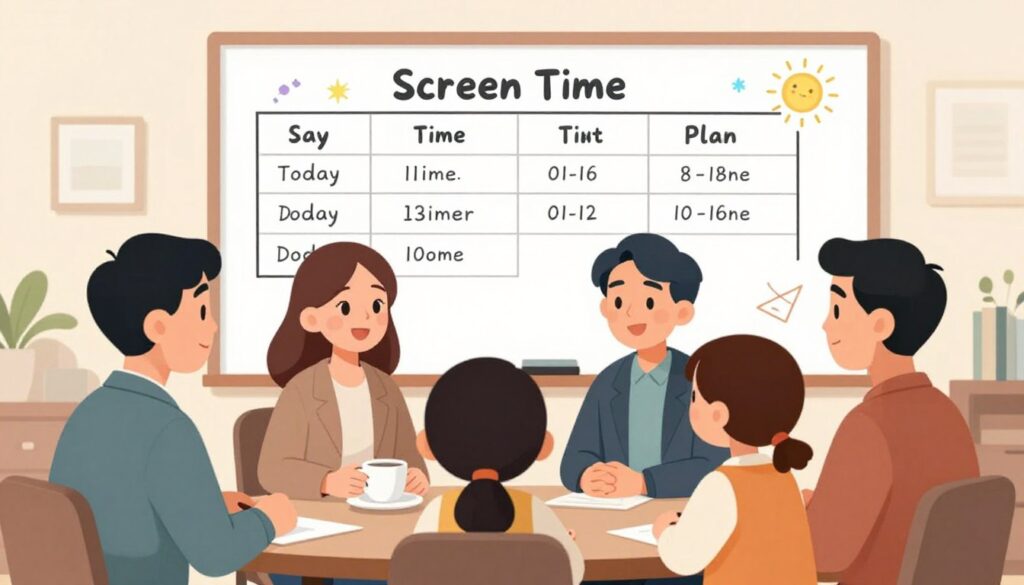
Setting realistic, age-appropriate goals and boundaries is vital for a successful screen-time plan. This involves not only limiting screen time but also ensuring that the time spent on screens is used productively. By involving students in the planning process, parents can increase buy-in and teach valuable self-regulation skills, making the plan feel like a collaborative agreement rather than imposed restrictions.
Implementing Screen-Free Zones and Times
Implementing screen-free policies in strategic areas and times can be a game-changer for families seeking to reduce their screen time and enhance their quality of life. By designating specific zones and times as screen-free, families can protect important family activities and physiological processes like sleep.
Bedrooms and Overnight Policies
One of the most critical screen-free zones is the bedroom. For younger kids, it’s especially important to keep screens out of bedrooms to prevent exposure to inappropriate content and to promote healthy sleep habits. Ensuring that devices are not used overnight is crucial, as the blue light emitted from screens can interfere with sleep quality and duration.
Meal Times and Family Activities
Meal times should also be screen-free to encourage family connection and conversation. By keeping devices off the table, families can foster a more engaging and interactive dining experience. This practice helps strengthen family bonds and promotes healthier eating habits.
The 3-2-1 Rule Before Bed
To wind down before bed, families can adopt the 3-2-1 rule: no social media 3 hours before bedtime, no video games 2 hours before bedtime, and no screens 1 hour before bedtime. This gradual reduction in screen time helps signal to the brain that it’s time to sleep, improving sleep hygiene.
| Screen-Free Zone/Time | Benefits |
|---|---|
| Bedrooms | Improved sleep quality, reduced exposure to inappropriate content |
| Meal Times | Enhanced family connection, healthier eating habits |
| Before Bed (3-2-1 Rule) | Better sleep hygiene, reduced screen time before sleep |
Balancing Screen Time With Other Activities
Balancing screen time with other activities is not just about limiting screen use; it’s about creating a lifestyle that includes a variety of enriching experiences for kids. In today’s world, where screens are ubiquitous, it’s crucial to ensure that children engage in a range of activities that promote their overall development.
Physical Activities and Outdoor Time
Physical activities and outdoor time are essential for kids’ health and development. Engaging in outdoor play helps improve physical fitness, enhances cognitive function, and supports emotional well-being. Encourage kids to participate in sports, go on family hikes, or simply play in the backyard. These activities not only provide exercise but also opportunities for social interaction and learning. By making outdoor time a regular part of their routine, parents can help kids develop a healthy lifestyle and a positive relationship with physical activity.
Creative and Hands-On Projects
Engaging in creative and hands-on projects is vital for kids’ cognitive and emotional development. Activities such as arts and crafts, building with LEGOs, or cooking can foster creativity, improve problem-solving skills, and enhance fine motor skills. These projects also provide an opportunity for kids to express themselves and develop a sense of accomplishment. By incorporating creative activities into their daily routine, parents can help kids develop a wide range of skills and interests that go beyond screen-based activities.
Social Interactions and Family Time
Social interactions and family time are critical components of a balanced lifestyle for kids. Engaging in family activities, such as game nights, meal times, or outings, helps strengthen family bonds and promotes social skills. Encouraging kids to participate in group activities or team sports can also help them develop important social skills, such as communication, cooperation, and conflict resolution. By prioritizing family time and social interactions, parents can help kids build strong, healthy relationships and a positive sense of self.
Managing Screen Time During School Breaks
As the school year comes to a close, parents often find themselves wondering how to manage their kids’ screen time during the long summer days. With a little bit of forethought and planning, you can come up with a summertime screen time solution that keeps kids from overloading on what can be called “junk food screen time” and doesn’t force you to become your child’s personal camp counselor.

Creating a Summer Screen Time Schedule
To manage screen time effectively during summer breaks, it’s essential to create a schedule that provides structure without feeling overly restrictive. Here are the steps to follow:
- Step 1: Sit down with your calendar and plan out the summer days.
- Step 2: Reach out to your kids’ friends and plan some fun activities.
- Step 3: Make a list of ‘Must Dos’ and other fun activities.
- Step 4: Brainstorm a Summer Bucket List.
- Step 5: Put it all together into a Plan of Action.
For more information on finding the right balance, you can visit this article on screen time in school.
Balancing Freedom and Structure During Vacations
Balancing the need for freedom and relaxation during vacations with healthy limits on screen consumption is crucial. By setting clear boundaries and involving your kids in the planning process, you can create a summer screen time plan that works for everyone.
For example, you can establish screen-free zones and times, such as during meals or before bed. You can also encourage physical activities, outdoor time, and creative projects to keep your kids engaged and active.
By following these steps and being mindful of your kids’ screen time, you can help them have a fun and healthy summer break.
How FlowScholar Supports Healthy Digital Learning
FlowScholar is leading the charge in making digital learning both effective and engaging. By leveraging advanced AI technology, FlowScholar provides a comprehensive educational platform that supports critical thinking, knowledge retention, and personalized learning.
Educational Benefits of FlowScholar
FlowScholar’s design aligns with research on effective educational technology, ensuring that it engages students without distracting them. The platform offers a range of tools that cater to different learning needs, making it an invaluable resource for both parents and educators. With FlowScholar, children can develop a deeper understanding of complex subjects, enhancing their academic performance.
Integrating FlowScholar Into Your Screen Time Plan
To maximize the benefits of FlowScholar, it’s essential to integrate it thoughtfully into a balanced screen time plan. Parents can set limits on screen time while still allowing access to FlowScholar as “quality” screen time. By doing so, families can ensure that screen time is both productive and educational. FlowScholar’s flexibility makes it easy to adapt to different learning styles and needs.
To maximize the benefits, parents and educators should explore FlowScholar’s features at https://www.flowscholar.com.
Addressing Common Screen Time Challenges
Navigating the complexities of screen time rules is a common concern for many parents. As we strive to create a balanced digital life for our children, we often encounter several challenges that can make implementing screen time boundaries difficult.
When Friends Have Different Rules
One of the significant hurdles in managing screen time is dealing with peer pressure. When friends have more lenient screen time rules, children may feel excluded or disadvantaged. Parents can help their children understand that different families have different rules, and it’s okay to have boundaries. Encouraging open conversations about these differences can help children navigate social situations without feeling pressured to conform.
Handling Resistance and Negotiation
Children often resist screen time limits, leading to negotiation attempts. It’s essential to remain firm yet empathetic, explaining the reasons behind the rules. By setting clear expectations and being consistent, parents can reduce resistance over time. Consistency is key in enforcing screen time rules.
Adapting Plans as Children Grow
As children grow, their needs and abilities change. Screen time plans should evolve accordingly, gradually shifting from external controls to self-regulation. Parents should regularly review and adjust their screen time policies to ensure they remain relevant and effective. This adaptability helps children develop healthy digital habits that will serve them well into the future.
By understanding these common challenges and implementing strategic approaches, parents can create a screen time plan that works for their family. Staying consistent and being open to adjustments as needed are crucial in maintaining a healthy balance between screen time and other activities.
Conclusion: Finding Balance in a Digital World
As technology continues to evolve, it’s essential for parents to stay informed and adapt their approach to managing their kids’ screen time. Finding a balance between screen time and other aspects of life is crucial for a healthy and well-rounded childhood. Successful screen time management is ultimately about values, relationships, and communication rather than strict rules. Parents can model healthy digital habits by being mindful of their own screen time and engaging in open conversations with their children about the potential risks and benefits of technology.
By being proactive and flexible, parents can create a positive digital experience for their kids. Tools like FlowScholar can be part of a thoughtful overall plan, supporting children’s educational journey and promoting healthy digital habits. For more information on finding balance in a digital world, you can refer to resources such as this document on managing screen time effectively.
Ultimately, it’s up to parents to decide what works best for their family, using their judgment to set boundaries and monitor what and how much their kids are viewing. By staying informed and adapting to the changing digital landscape, parents can help their children navigate the complexities of screen time and foster a healthy relationship with technology.
## FAQ
### Q: How can parents determine if their child’s screen time is excessive?
A: Parents can assess their child’s screen time by monitoring the amount of time spent on screens, the type of content being consumed, and the impact it has on their daily routine, social interactions, and overall well-being.
### Q: What are some strategies for creating a balanced screen time plan for students?
A: To create a balanced screen time plan, parents can set realistic goals, identify educational and recreational screen time, establish screen-free zones and times, and encourage physical activities, creative projects, and social interactions.
### Q: How can parents manage screen time during school breaks?
A: Parents can manage screen time during school breaks by creating a summer screen time schedule, balancing freedom and structure, and encouraging outdoor activities, creative projects, and social interactions.
### Q: What are the benefits of implementing screen-free zones and times?
A: Implementing screen-free zones and times, such as during meals or before bed, can help promote healthy digital habits, improve family interactions, and reduce the risk of sleep disturbances.
### Q: How can parents address common screen time challenges?
A: Parents can address common screen time challenges by setting clear rules, handling resistance and negotiation, and adapting plans as their child grows and matures.
### Q: What role does FlowScholar play in supporting healthy digital learning?
A: FlowScholar can support healthy digital learning by providing educational resources, promoting digital literacy, and helping students develop a balanced approach to screen time.
### Q: How can parents ensure that their child’s screen time is educational and beneficial?
A: Parents can ensure that their child’s screen time is educational and beneficial by monitoring the content being consumed, setting limits on recreational screen time, and encouraging the use of educational apps and resources.