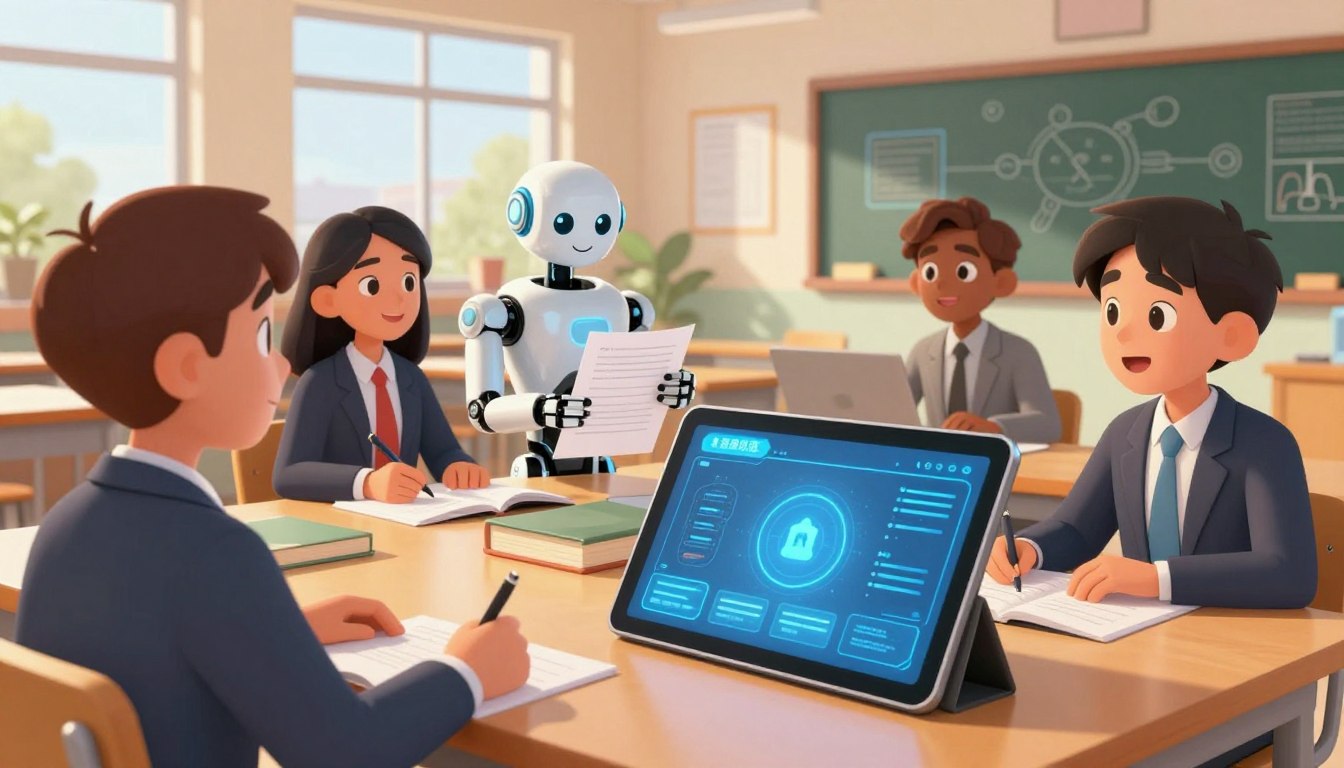
There is a small, steady thrill when a simple idea becomes a playable moment that moves a player. The author knows that urge: late-night notes, tacking a scene, testing a choice that makes someone smile or wince. This guide turns that energy into a practical plan.
Readers will get clear information on turning an idea into a playable game. It covers ideation, structure, and the stepwise process to ship on platforms like itch.io and Steam. The focus stays on content and storytelling, not needless tooling drama.
Along the way, we point to useful distribution platforms and communities, and explain tools that speed up making game assets. We also note CustomGPT.ai’s anti-hallucination and citation capabilities so narrative logic holds over time. For a compact industry roundup, see distribution platforms for more context: distribution platforms.
Key Takeaways
- Turn ideas into playable content with a clear, time-smart pipeline.
- Keep the player central: choices and text shape satisfaction.
- Use tools like Twine or Unity based on scope and visual needs.
- Leverage gpt to speed worldbuilding, dialogue, and structure.
- Validate narrative facts with citation-capable platforms to reduce drift.
- Ship early, iterate fast, and gather user feedback to grow audience.
What You’ll Build: An Overview of GPT-Powered Interactive Fiction
This overview sketches a compact blueprint: an adaptive narrative engine that responds to player input while preserving character continuity.
Definition: The project is a story-driven game where AI supplies prose, dialogue, and branching choices in real time. Prompts act as levers; the system keeps context so characters remain consistent across scenes.
Design blends authored beats with AI-assisted connective text. Use genres like adventure, mystery, or sci-fi to set tone. The player chooses options or types input and the engine maps those decisions to new storylines.
Where AI adds value: faster iteration on characters and scenes, quick prototyping of dialogue, and spot examples for tone and world rules. For reliability, integrate a citation-capable layer such as CustomGPT.ai to reduce hallucination and keep information traceable.
| Layer | Role | Typical Tools |
|---|---|---|
| Author | Core plot beats, emotional arcs | Text editor, design docs |
| AI | Dialogue, scene connective tissue, examples | ChatGPT, CustomGPT.ai |
| Engine | Branching logic, state tracking | Twine, Unity, Inklewriter |
| Delivery | Distribution and feedback | itch.io, Steam, Discord, r/gamedev |
Scope guidance: automate repetitive text and sampling; hand-author core scenes, pacing, and final payoffs. Start with a vertical slice, gather user feedback, and refine prompts, context tracking, and design elements as you learn.
Plan Your Game Concept and Audience
Start with a tight concept that answers who your players are and what feeling the story should leave. Define the core idea, the experience style—adventure, RPG, or interactive storytelling—and the audience you want to reach. A focused concept keeps scope realistic and informs design choices.
Pick a genre and experience style. Match mechanics to expectations: adventure favors exploration, RPG supports progression, and narrative-first formats reward choice density. Note platform and session length when choosing an experience style.
Define player agency. Clarify the kinds of choices players will face, the visible consequences, and how replayability appears. Map one decision that branches into two outcomes as an early example to reveal scope and content needs.
Use prompts to refine world and mechanics. Ask targeted prompts to generate three concept variants, character archetypes, and core loops. Compare variants to validate market fit, then lock scope—chapters, major decisions, and endings—to guide production.
- Profile your audience by platform and attention span.
- Document examples from similar titles to spot effective choices and pacing.
- Run a short concept test with users and iterate before scaling content.
Set Up Your Tools and GPT Workflow
Start by matching scope to an authoring stack. Choose lightweight editors when speed matters and full engines when visuals, physics, or custom code are required. This decision sets the project’s pace and complexity.
Select foundational tools: Twine and Inklewriter suit branching text and rapid prototypes. GameMaker fits tight 2D builds. Unity or Unreal power richer visuals and extendable systems.
Plan a gpt workflow that treats the model as a content engine. Let the game system manage state, variables, and scene transitions. Keep code thin: route AI text into the UI and let your logic enforce rules.
- Use CustomGPT.ai to lower code overhead; its anti-hallucination and citation capabilities preserve factual information across long arcs.
- Define prompt templates that pass world rules, character goals, tone, and player input to generate consistent scene variations.
- Establish a content pipeline: source control, glossary, and style guide for coherent updates and team learning.
Build Branching Storylines and Choice Systems
Outline chapters as nodes in a flowchart to estimate branch volume and control scope early. Start with a high-level chapter outline and mark key plot points. Visual maps show where branching will multiply text and effort.
Design a choice architecture: use if-then outcomes so every player selection triggers visible effects—unlocking scenes, shifting relationships, or changing resources. That makes decisions feel meaningful.
Track state with variables, flags, and counters. A scene metadata schema (required flags, set flags, consumed items) keeps the system predictable and reduces integration bugs.
Use prompts to draft first-pass branches and edge cases. Test short stories to catch context leaks and tune the prompts so characters and tone stay consistent.
“Map two critical branches and distinct endings first; validate the architecture before expanding the full narrative.”
- Favor recombining paths after major moments to control scope while preserving unique stories.
- Establish difficulty gates and clue thresholds to protect adventure pacing.
Craft Characters, Dialogue, and Context-Aware Prompts
Clear character work and context-aware prompts keep scenes coherent as the story branches. Strong bios and tight constraints give automated text predictable purpose. This anchors stakes and makes choices feel earned.
Create compact character sheets
Document goals, fears, secrets, and relationships. A short sheet guides every scene and keeps the world consistent. Hand-author key beats; let the model fill incidental content.
Write branching dialogue that signals intent
Structure each node so a choice sets variables: trust, access, or reputation. Test lines aloud to check rhythm and subtext. That keeps player responses meaningful.
Engineer prompts for tone and rules
Include constraints—word counts, idioms, and lore checks. Pass recent context and mood flags to gpt or citation-capable layers like CustomGPT.ai to reduce drift and preserve continuity.
- Provide voice exemplars for each character.
- Tie choices to measurable variables.
- Iterate on confusing branches from user feedback.
“Blend authored payoffs with model-driven connective text to scale without losing dramatic intent.”
create, interactive, fiction, games, powered, by, gpt
Open with a concise brief that defines mood, player inputs, and the scene’s success condition. Start by asking for two text variants so you can compare pacing and clarity. Pick the stronger variant as your base.
Pass state variables: include inventory, clues, prior alliances, and visible flags so responses adapt to the current player context. This reduces generic output and makes choices meaningful.
Implement guardrails and citations. Define forbidden topics and require sources for factual claims. Use a citation-capable layer like CustomGPT.ai to lower hallucination risk and keep reviewable outputs.
Integrate responses into your system
Render generated text and choices in your authoring tool—Twine macros or Unity UI work well. Wire each choice to state changes so the system updates variables and triggers the correct next node.
Keep code light: use ScriptableObjects or simple macros to bind responses to UI. Then test the slice end-to-end: text, choices, state, and branching behavior.
Editorial and review loop
Pass outputs through a human checklist for continuity, tone, and lore. Log revisions and refine prompts over time. Require citations for claims and flag suspect lines for manual editing.
Short examples
- Mystery: an interrogation node with three branching alibi responses that set suspicion flags.
- Sci‑fi: a station console check that alters systems status and unlocks options based on tech skill.
- Fantasy: revealing a relic changes NPC trust and opens a quest branch with different payoffs.
Measure performance: track read time, choice rates, and drop points. Use those metrics to tighten text density, adjust choices, and improve the player flow.
Test, Refine, and Share Your Game
Testing turns a draft into a polished player experience. Early runs validate whether storylines, prompts, and state updates behave as intended. Treat testing as a disciplined part of the production process.
Alpha and beta testing: feedback loops and bug tracking
Start with an alpha self-play to catch logic bugs and readability issues. Then invite a small beta group to collect structured feedback.
- Ask specific questions: rate enjoyment 1–10, note bugs, mark confusing choices.
- Label reports for scene, variable, and UI so fixes are quick and traceable.
- Keep builds versioned to avoid regressions and to track when a fix introduced new issues.
Iterate on pacing, dialogue, and branch balance
Use quantitative signals—completion rates, average scene time, and drop-off points—to find friction. Combine that data with tester notes to refine text density and tone.
Balance branches so bold choices lead to rewarding content, not thin scenes. Trim excess words and tune subtext to improve player engagement.
Publish and promote on itch.io, Steam, Reddit, and Discord
Prepare clear storefront pages with a concise description, screenshots, and a short trailer. Align tags to reach the right audience and set expectations.
| Platform | Best For | Promotion Tips |
|---|---|---|
| itch.io | Indie discovery, rapid uploads | Post demos, devlogs, and tag genre clearly |
| Steam | Broader audience, sales tools | Build wishlists early; use a trailer and screenshots |
| Reddit / r/gamedev | Peer feedback and visibility | Share focused questions and short examples to solicit critique |
| Discord | Community building and live testing | Host play sessions and collect real-time user comments |
Post-launch: plan updates from metrics and community signals. Expand popular routes, fix pacing problems, and publish small improvements on a cadence that keeps players returning.
Monetization and Sustainable Live Ops
A deliberate release strategy turns a strong prototype into a living product that keeps players returning.
Select a release model that fits scope and audience: a free pilot with paid episodes, a premium launch with optional DLC, or a hybrid that rewards early supporters. Pair episodic drops with community engagement to sustain interest without overwork.
Release strategies: free, paid, episodic, and DLC
Tie content cadence to sustainable live ops: schedule chapters, side stories, or cosmetic packs on a predictable timeline. Use itch.io for early access and Steam for wider paid releases.
Ethical AI use: transparency, moderation, and trust
Be transparent about where AI assists—note review steps and use citation tools like CustomGPT.ai to back lore or factual claims. Implement moderation: filter prompts, flag risky outputs, and create escalation paths.
- Align monetization with player value; reward meaningful decisions and replayability.
- Build a lightweight telemetry system that respects privacy to track popular branches and stuck points.
- Offer a clear roadmap—pilot, Chapter 1, QoL update, bonus ending—to set expectations for expanding storylines.
Conclusion
Prototype one memorable sequence to test pacing, player reactions, and prompt behavior.
Start small: ship a polished slice that shows core characters, world rules, and a clear player choice. That short demo helps validate the concept and saves time when expanding storylines.
Use disciplined tools—Twine, Inklewriter, Unity—and a citation-capable layer like CustomGPT.ai to keep context and reduce hallucination. Track metrics, gather user feedback, and treat iteration as the core process.
Learning happens fast when teams pair smart prompts, tight review checklists, and community playtests on itch.io, Steam, r/gamedev, or Discord. Take the first step: prototype, share, and refine the next chapter of your game experience.
FAQ
What is GPT-powered interactive storytelling and how does it differ from traditional branching design?
GPT-powered interactive storytelling uses large language models to generate text, dialogue, and scene descriptions on the fly. Unlike fixed branching trees, it supports flexible responses and emergent variations while still allowing designers to enforce structure, state tracking, and meaningful outcomes.
Which tools are best for prototyping a text-driven adventure?
Twine and Inklewriter excel for rapid prototyping of branching narratives. GameMaker and Unity offer more control for UI, variables, and live ops. Choose Twine for fast iteration; use Unity when you need integration with external APIs and richer interfaces.
How do designers maintain narrative coherence when using a language model?
Maintain coherence by tracking state and variables, defining clear world rules in prompts, using character bios, and implementing guardrails such as system-level constraints and citation features. Regularly reconcile generated output with canonical story nodes during playtests.
What is a practical workflow from prompt to playable scene?
Start with a concise scene brief, define player choices and expected outcomes, craft context-aware prompts that include character goals and state, call the model to generate content, then parse and map responses into your game state and UI for the player to interact with.
How should branching and consequences be designed to maximize replayability?
Focus on consequential choices tied to variables that affect later encounters. Use a mix of short-term and long-term consequences, hidden metrics, and divergent scenes. Balance branches so each path offers unique payoff without exploding development overhead.
What safety measures are recommended when integrating a language model?
Implement moderation filters, instruction-level constraints, and human review for sensitive content. Use citation and anti-hallucination features from platforms such as Anthropic or OpenAI where available. Provide players with reporting tools and transparent content disclaimers.
How do you handle dialogue trees that must reflect player decisions?
Build dialogue templates that include variables for prior choices, emotional tone, and relationship scores. Use the model to expand lines within those templates while preserving key decision-driven tokens so responses remain consistent with prior events.
What testing strategy ensures branches and pacing feel right?
Run iterative alpha and beta tests with targeted scenarios to exercise edge cases. Track pacing, branch frequency, and player feedback. Use telemetry to identify underused branches and rebalance by adjusting choice salience or rewards.
Which monetization models work well for episodic narrative titles?
Episodic releases, season passes, and micro-DLC can support ongoing development. Offer a free or low-cost entry episode to build audience, then monetize with premium episodes or cosmetic options. Prioritize transparent communication about AI use and content updates.
How can creators prevent overreliance on the model and retain authorial control?
Treat the model as a creative assistant: use it for drafts, variations, and idea generation but lock key plot beats and character arcs in authored assets. Implement review loops where writers edit and approve generated content before it reaches players.
What are effective prompt-engineering practices for consistent character voice?
Supply concise character bios, examples of tone, and explicit stylistic constraints in the system prompt. Include one to three exemplar lines to anchor the voice. Keep prompts small and deterministic where consistency is essential.
How do teams manage branching complexity without ballooning script size?
Use modular nodes, conditional logic, and shared scene templates. Track variables centrally and reuse dialogue fragments. Prioritize meaningful divergence over superficial choices to keep the script maintainable.
Where should developers publish and promote narrative experiences?
Start on itch.io for indie visibility, then expand to Steam if the title scales. Leverage communities on Reddit (r/gamedev), Discord servers, and Twitter/X for targeted outreach. Use developer blogs and walkthroughs to showcase design thinking.
What legal or ethical concerns should creators consider when using language models?
Ensure licensing compliance for model outputs, respect copyrighted source material, and disclose AI-generated content to players. Implement moderation and avoid generating defamatory or harmful content; consult legal counsel for distribution and monetization plans.
How can small teams sustain live operations and content updates?
Prioritize modular content pipelines, automate content generation with human review, and gather player-driven data to guide updates. Monetize sustainably with episodic content and community-supported funding such as Patreon or in-game passes.