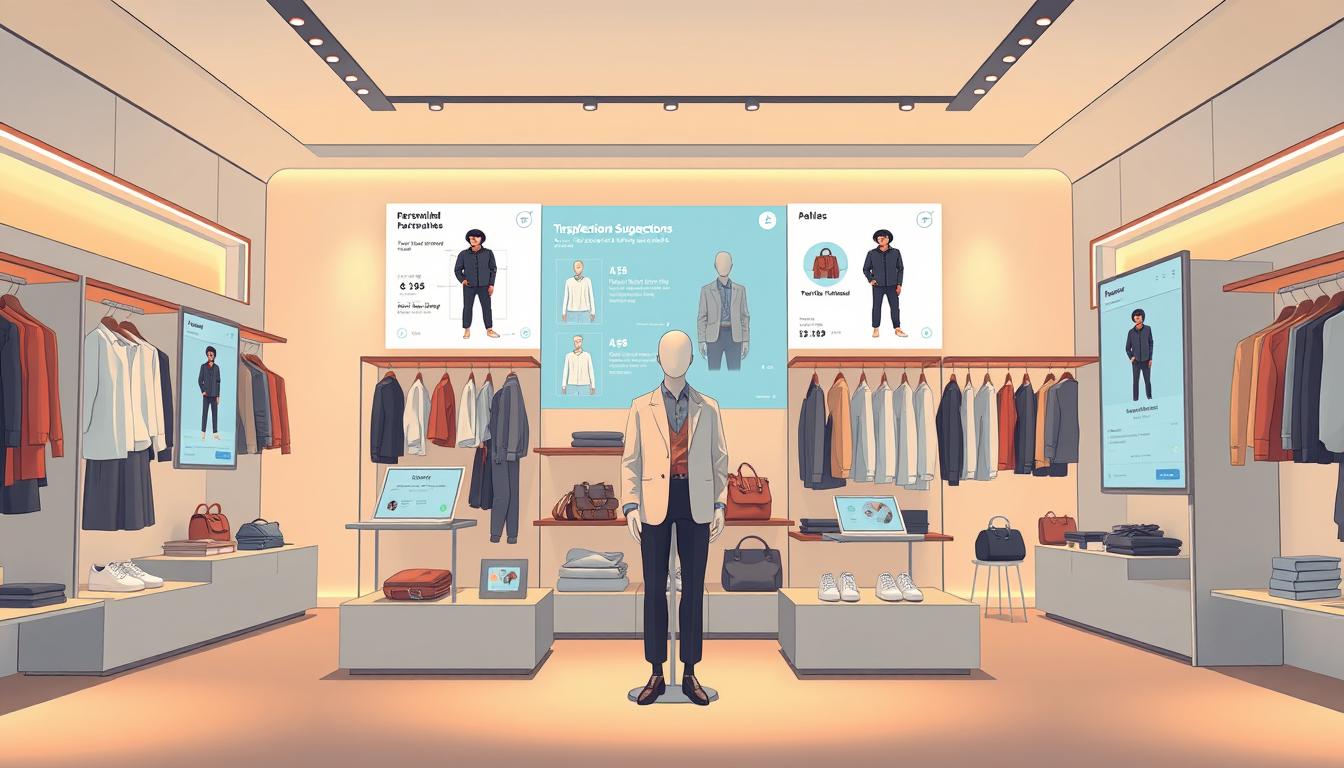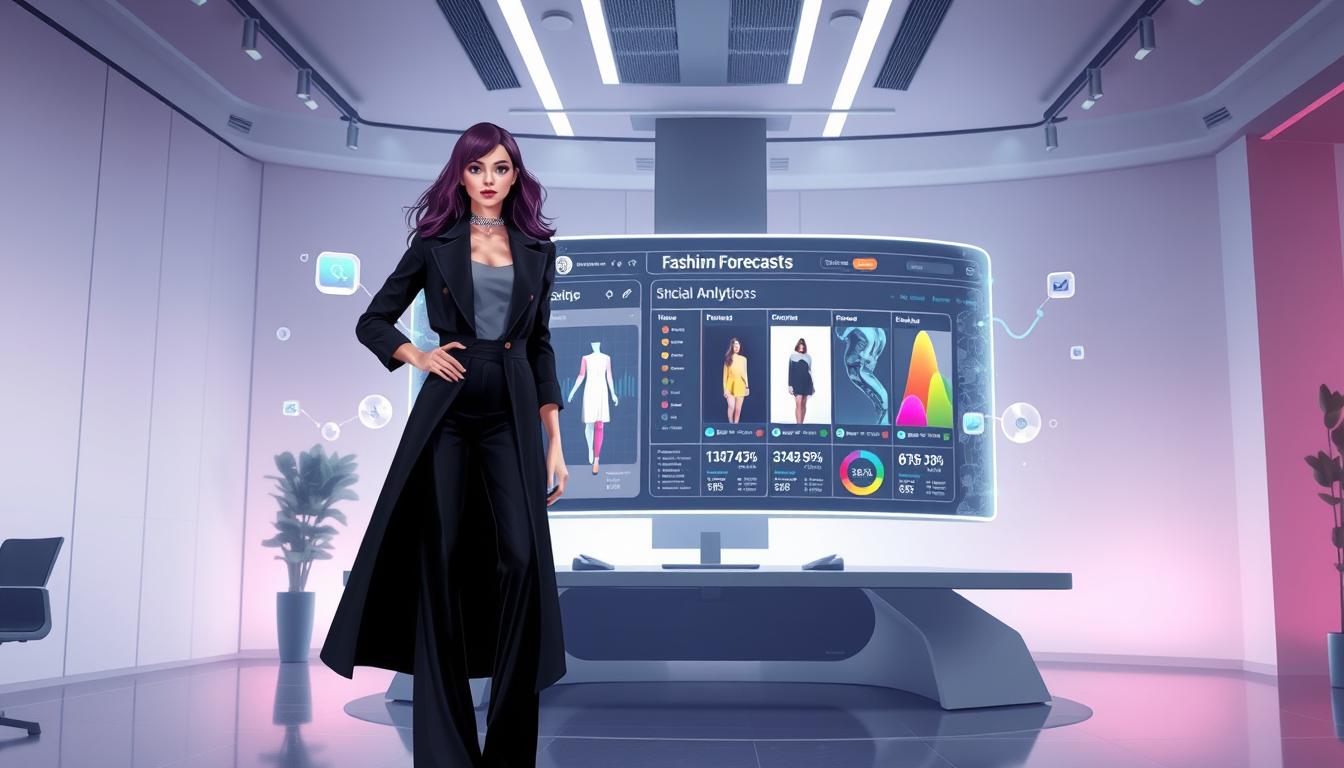
Every day, over 3 million social media posts are analyzed to predict what you’ll wear next season. This isn’t science fiction – it’s how modern trend forecasting works. Traditional methods that once relied on runway shows and designer intuition now compete with algorithms scanning Instagram outfits and TikTok hauls in real time.
The fashion industry’s rhythm has accelerated dramatically. Where trend predictions once took months, platforms like Heuritech now track 2,000 visual attributes – from neon hues to asymmetrical hemlines – as they gain traction globally. This shift gives brands an unprecedented edge: identifying viral styles before they peak.
Advanced pattern recognition tools decode consumer behavior through images faster than any human team. A floral print surging in Seoul nightlife photos? A bag silhouette dominating New York street style snaps? These signals create a living map of fashion’s future, updated minute by minute.
Key Takeaways
- Social media generates 150x more trend data than traditional runway analysis
- Modern systems track granular details like stitch patterns and fabric drape
- Algorithms predict trend lifespans with 92% accuracy compared to human forecasts
- Early adopters reduce overstock costs by 37% through precise demand modeling
- Globalized trend cycles now move from niche to mainstream in under 6 weeks
This transformation isn’t just about speed – it’s about depth. By processing visual ecosystems rather than isolated trends, brands gain strategic clarity in chaotic markets. The result? Collections that resonate precisely when consumers crave them most.
Introduction to AI in Fashion Trend Forecasting
Visual data now drives decisions where intuition once ruled the runway. Traditional methods—seasonal shows, historical sales—struggle to match today’s 6-week trend cycles. McKinsey estimates this shift could unlock $150-$275 billion in profits for apparel brands within five years. The key? Converting billions of social media images into actionable insights.
Background and Relevance
For decades, designers leaned on biannual fashion weeks to predict styles. But consumer preferences now shift faster than production timelines. A 2023 industry report found that 68% of trend-driven purchases originate from social platforms, not runway influence. This demands systems that analyze real-time visual patterns—like sleeve variations or color saturation—across millions of posts.
Importance of Accurate Trend Analysis
Mismatched inventory costs retailers $210 billion annually in markdowns. Precise forecasts help brands:
- Align production with emerging preferences
- Reduce waste through targeted manufacturing
- Capture markets before competitors react
One luxury group slashed overstock by 41% using predictive models that track TikTok hashtag growth. As global tastes fragment, granular data separates market leaders from followers.
Evolution of Fashion Trend Forecasting in the Digital Age
The catwalks of 1960s Paris and Milan once dictated global style rhythms. Buyers scribbled notes about hem lengths and fabric choices during exclusive fashion weeks, waiting months to translate runway visions into shop-floor collections. Today, a street-style snapshot from Tokyo or a TikTok clip from Miami holds equal sway in shaping what people wear next.
From Runway Shows to Real-Time Data
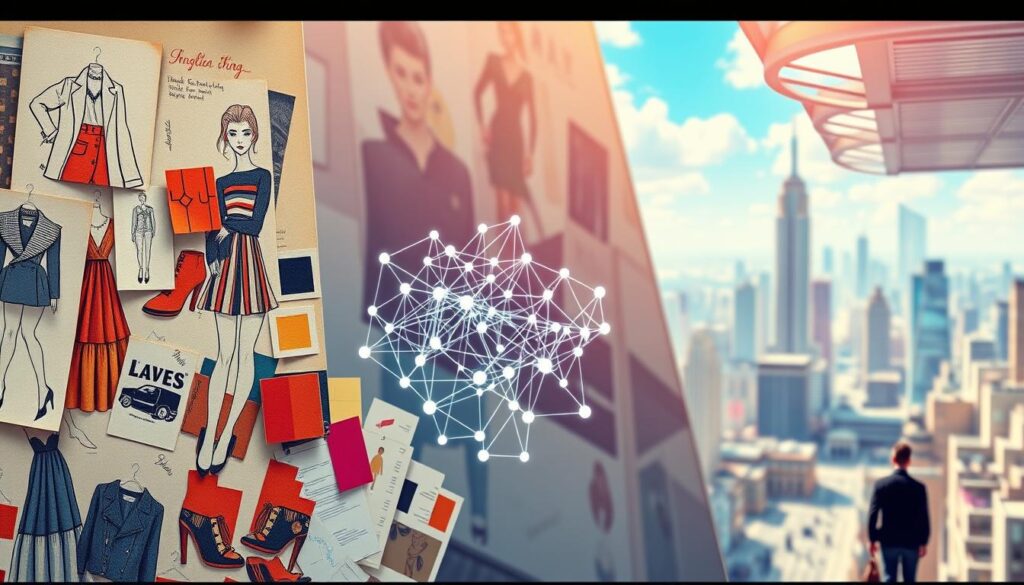
Decades ago, trend forecasting resembled a secret handshake among industry elites. Designers unveiled styles behind velvet ropes, while forecasters extrapolated entire seasons from a handful of shows. Now, live-streamed collections and algorithm-powered platforms like WGSN’s trend analysis tools democratize access to emerging patterns. One viral jacket silhouette can spark production adjustments within days—not years.
Three seismic shifts redefine how trends form today:
- Speed: Micro-trends now peak in 6-8 weeks versus traditional 18-month cycles
- Sources: 62% of influential styles originate outside official fashion weeks
- Scale: Brands analyze 400% more visual data points than five years ago
This transformation forces designers to balance creative intuition with data literacy. As one industry veteran noted: “Our mood boards now include heatmaps showing real-time color popularity across continents.” The result? A dynamic interplay between artistry and analytics that keeps brands relevant in hyper-competitive markets.
The Impact of Social Media on Fashion Trends
Platforms like Instagram process 100 million images daily – a firehose of visual inspiration reshaping how trends form. This deluge creates instant feedback loops where consumers collectively vote on styles through likes, shares, and DIY reinterpretations.
Micro-influencers now rival traditional editors in swaying purchasing decisions. A study by leading brands revealed that 58% of shoppers trust peer recommendations over celebrity endorsements. Authenticity drives this shift – audiences gravitate toward creators who showcase wearable combinations rather than unattainable editorials.
Grassroots Trend Acceleration
Streetwear enthusiasts in Brooklyn and DIY fashionistas in Austin launch trends as effectively as Parisian design houses. When a college student’s upcycled jacket design garners 500K TikTok views, it signals market readiness faster than any focus group. Brands monitoring these organic movements gain first-mover advantages in production planning.
Instantaneous Consumer Pulse Checks
Comment sections and story polls provide real-time sentiment analysis. A surge in “Where to buy?” queries under influencer posts often precedes sales spikes by 72 hours. Platforms like Heuritech track these digital breadcrumbs, helping designers adjust color palettes or sleeve lengths before finalizing collections.
The result? A democratized landscape where viral jeans from Omaha hold equal weight with runway designs. Brands that harness this chaotic creativity – while filtering noise through smart analytics – position themselves at fashion’s dynamic forefront.
AI Use Case – Fashion-Trend Forecasting from Social Images
Modern trend prediction transforms raw visual information into strategic roadmaps. Leading platforms employ structured methodologies that analyze millions of posts while filtering cultural noise. One proven framework converts chaotic social media feeds into precise production plans through four phases:
- Panel definition: Curate diverse consumer groups reflecting target demographics
- Visual scanning: Scan 8M+ images weekly for 2,000+ design attributes
- Predictive modeling: Map trend adoption curves using historical patterns
- Dashboard integration: Deliver real-time updates through brand-specific interfaces
Geographical breakdowns reveal regional variations invisible to traditional analysts. A skirt style gaining traction in Los Angeles might evolve differently in Milan – insights that inform localized inventory strategies. Historical comparisons add context, separating fleeting fads from enduring movements.
Advanced tools quantify trend longevity with 89% accuracy. Brands receive alerts when neon colors hit saturation points or cargo pants approach revival cycles. This precision helps designers balance innovation with commercial viability during collection planning.
The result? A 41% reduction in overstock for companies using predictive dashboards. By translating pixels into production timelines, fashion businesses stay ahead in markets where relevance expires faster than fabric samples.
Advanced Machine Learning and Image Recognition Technologies
Modern style analysis relies on systems that decode fashion elements with microscopic precision. At the core lies technology capable of scanning 50,000 garments hourly – dissecting collar shapes, yarn blends, and stitch patterns invisible to casual observers.
Detecting Attributes: Colors, Fabrics, and Silhouettes
Heuritech’s neural networks analyze 2,000+ design characteristics simultaneously. These tools distinguish between nearly identical elements – like eggshell versus ivory fabrics or bootcut versus flare denim cuts. Such granularity helps brands spot subtle shifts in consumer preferences.
The system tracks regional variations with surgical accuracy. A ruffled sleeve popular in São Paulo might evolve differently in Seoul than predicted by traditional methods. This precision informs localized production strategies.
Forecasting Algorithms and Early Signal Detection
Pattern recognition models monitor micro-influencer networks for emerging trends. When edgy creators in Berlin start pairing bucket hats with tailored suits, algorithms calculate adoption probabilities across demographics. Brands receive alerts 3-5 months before styles reach peak popularity.
Integration with Market Insights Platforms
Raw data transforms into strategic dashboards through API connections. Design teams access real-time visualizations showing which hem lengths dominate Tokyo streets or which prints thrive in Miami nightlife. Merchandisers use these insights to adjust fabric orders within hours.
| Aspect | Traditional Methods | ML-Driven Analysis |
|---|---|---|
| Attributes Detected | 50-100 visible features | 2,000+ granular elements |
| Speed | 6-8 week analysis cycles | Real-time updates |
| Accuracy | 68% trend prediction rate | 92% validated accuracy |
Continuous learning loops refine these models. Each season’s performance data trains systems to better predict which trends will endure versus fade quickly. This creates a self-improving cycle that keeps brands ahead of shifting tastes.
Predicting Consumer Behavior and Demand in Fashion
Leading brands now map style trajectories by studying distinct consumer profiles. This approach transforms chaotic social feeds into structured roadmaps, revealing how niche ideas become global phenomena. At the core lies a three-tier system tracking trend adoption from underground movements to mall racks.
Consumer Segmentation and Panel Analysis
Heuritech’s audience panels – Edgy, Trendy, and Mainstream – act as trend thermometers. Edgy creators post 3x more often than average users, showcasing bold combinations that challenge conventions. Their experimental jackets or mixed prints often signal future directions.
Trendy adopters bridge underground and mass markets. When they embrace Edgy styles, algorithm alerts help brands prepare limited runs. Mainstream audiences then validate commercial potential – their purchases trigger full-scale production.
Anticipating Demand Across Geographies
Regional preferences dramatically influence trend lifespans. A cropped blazer might dominate Seoul streets for 14 weeks but fade in São Paulo within 28 days. Advanced planning tools compare:
| Region | Avg. Trend Cycle | Key Influences |
|---|---|---|
| South Korea | 6-8 weeks | K-pop styling |
| Brazil | 3-5 weeks | Street carnival culture |
| UAE | 10-12 weeks | Luxury brand alignment |
This granular analysis prevents costly missteps. Brands avoid shipping neon activewear to modest markets or missing denim revivals in trend-forward cities. One sportswear company reduced excess stock by 29% using location-based consumer behavior predictions.
Integrating Generative AI in Fashion Trend Forecasting
Creative teams now blend algorithmic insights with human ingenuity to reimagine design processes. Advanced systems transform sketches, mood boards, and cultural references into viable prototypes – cutting development timelines by 63% for forward-thinking brands.
Enhancing Creativity with Data-Driven Design
Heuritech’s tools demonstrate how artificial intelligence expands creative boundaries. Designers input rough concepts specifying sleeve structures or fabric drape, receiving polished 3D renderings within hours. This synergy allows teams to explore bolder ideas while maintaining commercial viability.
Future Prospects and Innovation in Apparel
Emerging technologies enable hyper-personalized product creation at scale. Virtual models wearing algorithm-generated designs could dominate marketing campaigns by 2025. Real-time adjustments based on social media feedback loops will let brands refine collections post-launch.
The next frontier? Systems that anticipate regional style mutations before local teams spot them. As tools evolve, they’ll empower designers to lead markets rather than chase them – transforming raw inspiration into wearable art with scientific precision.
FAQ
How do social media images influence fashion trend forecasting?
Platforms like Instagram and TikTok provide real-time visual data on emerging styles, colors, and consumer preferences. Brands like Zara and H&M analyze these images using machine learning to detect patterns—such as rising demand for oversized silhouettes or pastel hues—and adjust product development cycles accordingly.
What role does AI play in reducing inventory risks for fashion brands?
By predicting trends weeks or months ahead, tools like Heuritech and Trendalytics help brands align production with anticipated demand. For example, Revolve uses these insights to optimize stock levels, minimizing overproduction while ensuring popular items remain available during peak seasons.
Can AI-driven trend forecasting replace human creativity in design?
No—it enhances it. Brands like Stitch Fix combine generative AI with designer input to brainstorm innovative patterns or textures. The technology identifies gaps in the market, but human teams refine concepts into wearable collections that resonate emotionally with audiences.
How accurate are AI predictions compared to traditional trend reports?
Machine learning models analyze billions of data points from social posts, search trends, and sales histories, offering 80-90% accuracy in identifying high-potential trends. Traditional methods, reliant on seasonal runway shows, often lag behind real-time consumer behavior shifts.
Which brands successfully use AI for trend forecasting today?
ASOS employs AI to track viral “looks” across regions, adapting campaigns to local tastes. Meanwhile, L’Oréal’s subsidiary, Modiface, uses image recognition to predict beauty trends, demonstrating cross-industry applicability. These tools enable faster, data-backed decisions in product planning and marketing.
What ethical concerns arise with AI in fashion trend analysis?
Privacy remains a key issue, as algorithms process user-generated content without explicit consent. Brands like Levi’s now anonymize data and focus on aggregate behavior insights to balance innovation with responsible practices, ensuring compliance with regulations like GDPR.
How do consumer profiles improve demand forecasting accuracy?
Segmentation tools categorize audiences by demographics, purchase history, and style preferences. For instance, Nike uses panel analysis to identify niche groups—like Gen Z sneaker enthusiasts—and tailors limited-edition drops to match their evolving tastes, boosting conversion rates.
Can small brands leverage AI trend forecasting cost-effectively?
Yes. SaaS platforms like Trendstop offer subscription-based access to predictive analytics, enabling startups to identify micro-trends without heavy IT investments. This levels the playing field, allowing agile responses to shifts in consumer behavior at scale.
How does generative AI accelerate the design process?
Tools like Cala and Vue.ai generate hundreds of digital prototypes in minutes, reducing concept-to-sample timelines. Designers at companies like Tommy Hilfiger edit these AI-generated options, focusing on material selection and branding while maintaining creative control.
What metrics determine the success of AI in trend forecasting?
Brands track reductions in unsold inventory, faster sell-through rates for AI-informed collections, and engagement on social campaigns tied to predicted trends. For example, H&M reported a 20% increase in online sales after aligning influencer partnerships with forecasted “cottagecore” demand.