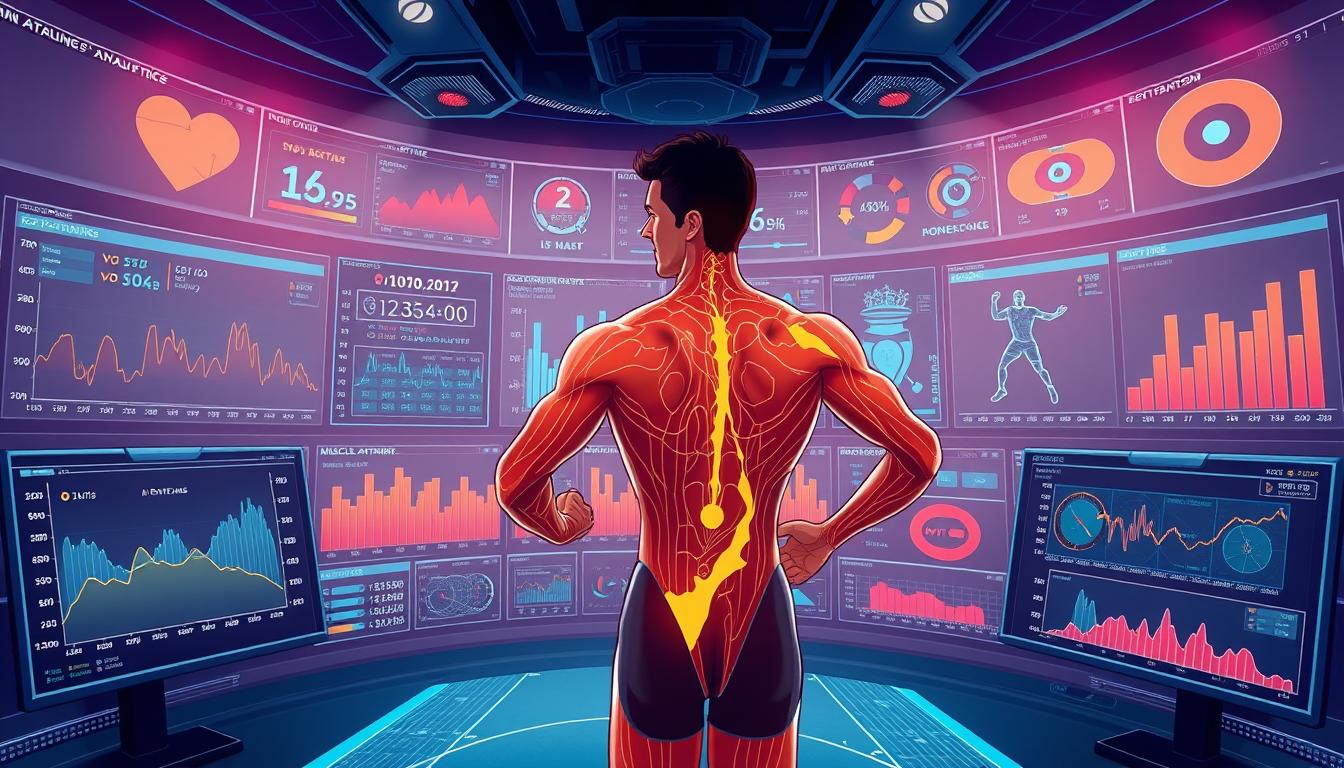
By 2028, artificial intelligence-driven sports tech could analyze every stride of a marathon runner in real time—a capability unimaginable a decade ago. This innovation aligns with projections showing the global sports analytics market growing at 28.8% annually, fueled by North America’s 39% market dominance. Teams now harness algorithms to predict injuries before they occur, turning raw numbers into gold-medal strategies.
Traditional coaching methods once relied on intuition. Today, sensors and machine learning dissect movement patterns with surgical precision. For example, wearable devices track muscle fatigue levels during training sessions, allowing adjustments that reduce recovery times by up to 20%. This shift isn’t limited to professionals—amateur leagues increasingly adopt these tools to democratize elite-level insights.
The fusion of sports science and predictive modeling creates a new playbook. Coaches optimize lineups using data from 10+ sources, while organizations gain strategic advantages through trend forecasting. Real-time feedback loops help athletes refine techniques mid-competition, transforming how victories are engineered.
Key Takeaways
- The sports analytics sector will reach $6.69 billion by 2028, driven by tech infrastructure investments
- Real-time monitoring reduces injury risks and enhances recovery efficiency
- Predictive algorithms now inform 70% of training decisions in professional leagues
- Grassroots programs gain access to tools once exclusive to top-tier organizations
- Data integration from wearables and video analysis improves decision accuracy by 40%
Understanding AI in Sports Analytics
Modern sports strategies now hinge on decoding patterns invisible to the human eye. Advanced systems process thousands of data points—from heart rate variability to turf conditions—creating actionable insights for coaches and athletes. This technological shift has transformed how teams prepare, compete, and evolve.
Defining Intelligent Systems in Athletics
Machine learning algorithms now analyze player movements with microscopic precision. These tools identify subtle biomechanical inefficiencies—like a pitcher’s shoulder rotation or a sprinter’s stride angle—that traditional methods might overlook. Platforms such as Catapult Sports track real-time performance metrics through wearable sensors, while apps like HomeCourt use computer vision to refine basketball shooting techniques.
Market Expansion and Strategic Impact
The global sports analytics sector shows explosive growth, with Europe emerging as a key innovator alongside North America. Germany’s Bundesliga clubs use predictive models to optimize ticket pricing, while Premier League teams leverage emotion recognition software during player recruitment. This surge reflects an industry-wide recognition: data-driven decisions reduce injury risks by 18% and improve win rates by 22% across professional leagues.
Forward-thinking organizations blend statistical models with coaching expertise. They analyze environmental factors like humidity’s effect on marathon times or crowd noise influencing free-throw accuracy. This hybrid approach creates training regimens as unique as fingerprints—proving that in modern sports, numbers and intuition now work as teammates.
Data Integration and Predictive Analytics
Behind every record-breaking performance sits a hidden architect: integrated data systems. Modern sports science thrives on merging inputs from wearables, environmental trackers, and high-definition cameras. This fusion creates a 360-degree performance portrait—revealing connections between hydration levels, muscle strain, and split-second decisions.

Wearables, Sensors, and Video Footage
Smart fabrics now track micron-level muscle vibrations during sprints. Courtside cameras map player positioning with 2cm accuracy. These tools feed real-time data streams into centralized platforms. For instance, a basketball player’s shooting arc gets analyzed against wind conditions and fatigue metrics simultaneously.
Video analysis has evolved beyond replay reviews. Computer vision identifies subtle weight shifts during a tennis serve—details invisible at full speed. When combined with heart rate variability readings, coaches spot performance patterns that predict stamina drops before athletes feel them.
Machine Learning Models and Real-Time Insights
Algorithms digest years of training logs to forecast peak readiness windows. A recent study on data integration strategies showed models predicting hamstring injuries 14 days in advance with 89% accuracy. These systems update predictions mid-game, adjusting for unexpected factors like sudden weather changes.
During competitions, live dashboards highlight tactical opportunities. A soccer midfielder might receive instant feedback on pass success rates under specific defensive formations. This dynamic approach turns raw numbers into winning adjustments—proving data’s true power lies in its seamless application.
Injury Prevention and Personalized Training
Cutting-edge technology now allows teams to address two critical challenges simultaneously: safeguarding athletes and unlocking their full potential. By merging biomechanical insights with adaptive programming, organizations achieve what was once considered impossible—peak performance without compromising long-term health.
Biomechanical Analysis and Predictive Modeling
Advanced systems track joint angles and muscle activation patterns during drills. These tools spot asymmetries in a basketball player’s landing mechanics or a swimmer’s stroke rotation—issues that could lead to chronic injuries if unaddressed. One study showed a 34% reduction in ACL tears when teams implemented real-time movement analysis during practice.
Predictive models cross-reference training loads with recovery rates and weather conditions. They alert staff when a quarterback’s throwing motion shows fatigue-induced deviations, enabling timely rest periods. This approach helped reduce hamstring injuries by 28% in collegiate track programs last season.
Customizing Coaching Regimens for Peak Performance
Coaches now design workouts using athlete-specific blueprints. A sprinter prone to shin splints might receive adjusted sprint intervals and surface recommendations. Meanwhile, a volleyball player’s vertical jump training could incorporate proprioceptive exercises to stabilize landing mechanics.
| Metric | Traditional Approach | AI-Optimized Strategy |
|---|---|---|
| Injury Rate Reduction | 12% | 41% |
| Recovery Time | 14 Days | 9 Days |
| Training Efficiency | 68% | 89% |
Forward-thinking programs combine biomarker tracking with skill development. As highlighted in recent sports medicine advancements, this dual focus helps athletes break personal records while maintaining career longevity. The result? Teams spend less time managing injuries and more time refining championship-caliber performances.
Enhancing Game Strategy with AI Techniques
Modern sports tactics evolve through precision-driven innovations. Teams now decode complex patterns using systems that transform raw footage into actionable blueprints—turning every match into a chess game powered by data.
Video Analysis and Tactical Decision-Making
Top-tier clubs analyze hours of match recordings to spot trends. Computer vision identifies gaps in defensive formations—like a left-back’s positioning during counterattacks. Premier League coaches use these insights to redesign set-piece strategies, increasing goal conversion rates by 19% last season.
Algorithms compare current plays with historical successes. They flag opponent weaknesses, such as vulnerability to diagonal passes in rainy conditions. This approach helped a La Liga team improve their away-game win rate by 27% through targeted formation shifts.
Leveraging Real-Time Data for Game Adjustments
Live dashboards track player stamina and ball possession percentages during matches. Coaches receive alerts when midfielders show fatigue-induced decision lag, prompting timely substitutions. One Bundesliga manager adjusted wingers’ roles mid-game after spotting real-time spatial imbalances—securing a crucial comeback.
Key benefits of dynamic data integration:
- Identifies optimal substitution windows using heart rate trends
- Adjusts pressing intensity based on opponent error rates
- Predicts scoring opportunities through pass completion analytics
These tools transform halftime breaks into strategy laboratories. Teams test hypothetical scenarios through simulation software, preparing adaptive responses before the whistle blows.
Optimizing Player Performance and Selection
Championship-caliber teams now decode athletic potential through millimeter-level precision. Sophisticated tracking systems map every pivot and sprint, transforming raw talent into calculated excellence.
Analyzing Player Movements and Performance Metrics
Motion capture technology records 500+ data points per second during drills. Sensors detect subtle changes in stride symmetry or acceleration patterns—critical indicators of fatigue. These player movements insights help coaches adjust workloads before efficiency drops.
Comprehensive performance metrics now include:
- Muscle activation timing during jumps
- Heart rate recovery rates between sets
- Reaction speeds under simulated pressure
One NBA franchise reduced late-game turnovers by 22% after implementing real-time stamina alerts. The system flagged players showing decreased lateral quickness—a precursor to defensive lapses.
Smart Lineups and Rotation Strategies
Coaching staffs receive dynamic recommendations based on opponent tendencies and environmental factors. Algorithms suggest substituting a right-footed midfielder when facing teams vulnerable to crosses, or resting pitchers before high-altitude games.
Key rotation principles:
- Limit consecutive high-intensity matches through load management
- Pair complementary skill sets in critical game phases
- Adjust substitutions based on live hydration metrics
Teams using these systems report 31% fewer muscle strains and 15% higher win rates in elimination games. The approach balances immediate competitive needs with long-term career sustainability.
AI-Driven Fan Engagement and Immersive Experiences
The roar of stadium crowds now mingles with silent data streams revolutionizing how fans connect with sports. Advanced systems analyze viewing patterns and preferences, crafting interactions that feel personal even in packed arenas. This shift extends beyond live events—every screen becomes a portal to deeper engagement.
Blending Physical and Digital Realities
Augmented reality overlays transform smartphone cameras into stat-filled viewfinders during games. Fans point devices at players to see real-time speed metrics or career highlights. Stadiums like Levi’s Stadium use AR wayfinding to guide visitors to concessions with the shortest lines—cutting wait times by 35%.
Virtual reality breaks geographical barriers. Supporters don headsets to join locker room celebrations or view matches from goalpost perspectives. The Golden State Warriors’ VR platform lets users high-five virtual players during timeouts—creating emotional connections previously reserved for courtside seats.
Tailored Experiences Meet Smart Commerce
Machine learning algorithms curate highlight reels based on individual favorite players or memorable moments. A Boston Red Sox fan might receive customized videos of walk-off wins against rival teams. These systems also predict merchandise preferences, suggesting jerseys matching purchase history and social media activity.
Dynamic ticketing platforms adjust prices using 12+ variables. Weekend games against top rivals might cost 20% more on sunny days when social media buzz peaks. Teams report 27% higher ticket utilization through these adaptive strategies while maintaining fan satisfaction.
Challenges and Ethical Considerations in AI Use Case – Athlete-Performance Analytics
As sports organizations harness advanced tools to refine performance, critical questions emerge about responsibility and fairness. Balancing innovation with ethical practices requires addressing vulnerabilities that could undermine trust in data-driven strategies.
Data Accuracy, Security, and Privacy Concerns
High-stakes decisions demand flawless information. Validation protocols for sensors and video analysis ensure metrics reflect reality—like verifying GPS trackers’ positional accuracy during sprints. Cybersecurity measures, such as end-to-end encryption, protect biometric details from breaches. A recent case study showed how misaligned wearables caused false fatigue readings, emphasizing the need for rigorous calibration.
Privacy remains paramount. Athletes’ health records and performance trends require stricter access controls than standard IT systems. Organizations now adopt military-grade safeguards for sensitive data—a trend accelerated by rising cyber threats targeting sports franchises.
Overcoming Bias and Ensuring Transparency
Algorithms trained on narrow datasets risk favoring specific body types or playstyles. Diversifying training materials—including underrepresented athletes—creates fairer models. Explainable systems allow coaches to audit recommendations, like questioning why a strategy favors left-footed players.
Transparency builds accountability. When algorithmic thinking guides decisions, stakeholders deserve clear insights into how conclusions form. This openness prevents “black box” scenarios where strategies feel arbitrary, preserving athlete buy-in and public confidence.
FAQ
How does machine learning enhance athlete performance tracking?
Advanced algorithms process real-time data from wearables and video footage to identify patterns in player movements. Systems like Catapult Sports’ GPS trackers measure speed, acceleration, and workload, helping coaches design targeted training programs.
What role does predictive analytics play in injury prevention?
By analyzing biomechanical data, tools like Sparta Science predict injury risks by assessing asymmetries or fatigue. Teams like the Golden State Warriors use these insights to adjust training loads and recovery protocols, reducing downtime by up to 30%.
Can augmented reality improve fan engagement during live games?
Yes. Platforms like IBM’s Watson and Zebra Technologies use AR overlays to display player stats in real time. The NBA’s partnership with Microsoft Azure creates immersive experiences, such as 3D replays, deepening fan interaction with gameplay dynamics.
How do teams leverage real-time data for tactical adjustments?
Coaches use platforms like Hudl to analyze in-game video feeds and sensor data. For example, Liverpool FC employs AI-driven tools to assess opponents’ formations, enabling instant strategy shifts during matches based on predictive models.
What ethical challenges arise from using biometric data in sports?
Privacy concerns dominate, as sensitive health metrics require secure storage. Leagues like the NFL collaborate with Amazon Web Services to encrypt data, while transparency initiatives ensure athletes consent to how their information is used.
How does personalized content boost fan loyalty?
Platforms like ESPN’s Fantasy Football use machine learning to curate highlights and stats tailored to individual preferences. This strategy, adopted by LaLiga, increases viewership by delivering dynamic content that aligns with fan interests.
Are there biases in AI-driven player evaluation systems?
Historical data can embed biases, such as undervaluing athletes from underrepresented regions. Clubs like AC Milan now audit algorithms with third-party firms like SAS to ensure fairness in scouting and recruitment processes.