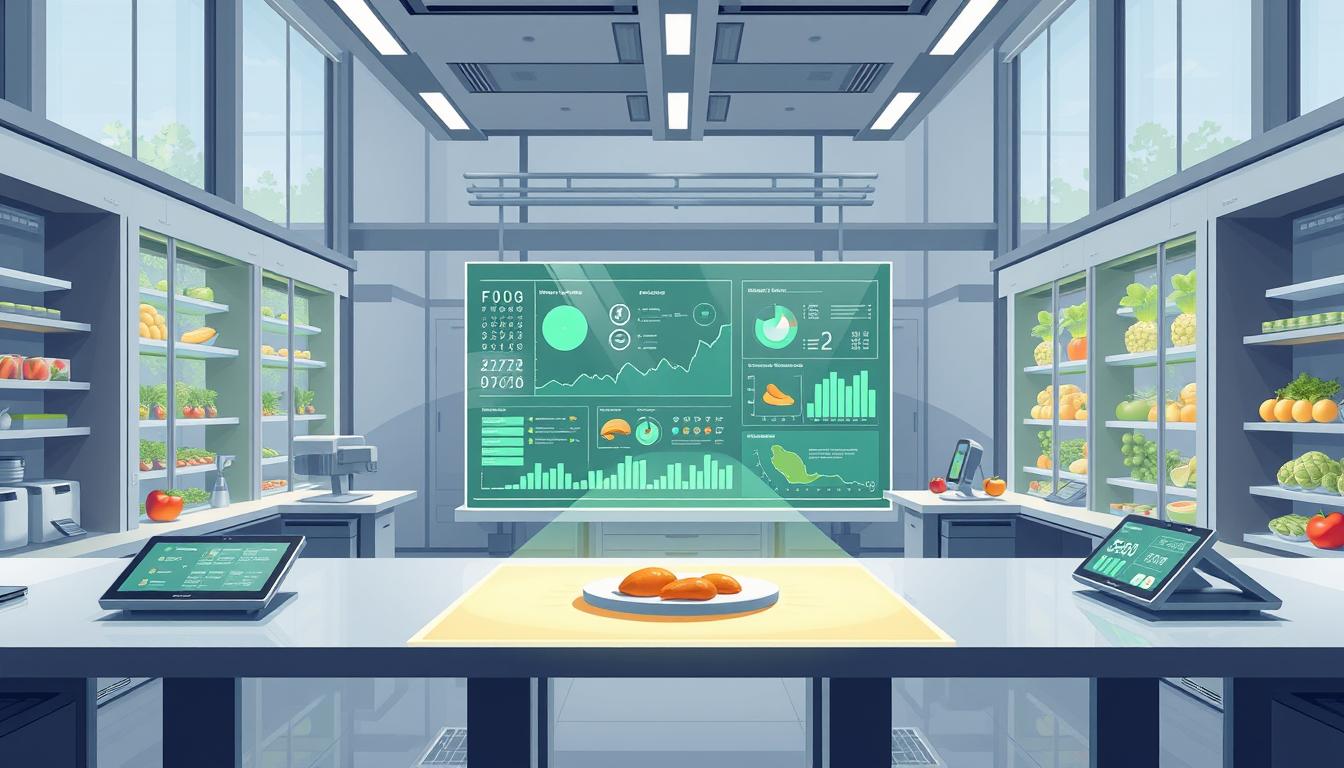
Every year, 1.3 billion tons of food meant for human consumption vanishes—enough to feed every hungry person on Earth three times over. In the U.S., restaurants discard 11.4 million tons annually, squandering 11-14% of their inventory. This waste isn’t just a moral dilemma—it’s a $218 billion economic drain and a major contributor to climate change, accounting for 8-10% of global greenhouse gas emissions.
These numbers reveal a broken system. Smaller restaurants waste 26% more food than chains, often due to poor inventory planning. Fruits, vegetables, and dairy products rot first, making up nearly 60% of discarded items. Meanwhile, spoilage claims 28% of losses before food even reaches plates.
Forward-thinking establishments are rewriting this narrative. By adopting AI-powered food waste reduction strategies, some businesses cut waste by 30-50% in their first year. One solution provider helped restaurants slash waste by 42% while lowering costs 27%—proving sustainability and profitability can coexist.
Key Takeaways
- Global food waste costs $750 billion annually, with U.S. restaurants losing $218 billion
- Discarded food generates 8-10% of worldwide greenhouse gases
- Fruits, vegetables, and dairy account for nearly 60% of restaurant waste
- Early adopters report 30-50% waste reductions within 12 months
- Advanced systems can cut costs by 27% while improving sustainability
Understanding the Impact of Food Waste in Restaurants
Behind every restaurant meal lies an unseen cost – discarded ingredients, unused portions, and expired stock. U.S. establishments generate 22-33 billion pounds of food waste yearly, equivalent to half a pound per served meal. This hidden crisis impacts profits, ecosystems, and communities simultaneously.
Economic, Environmental, and Social Implications
Financial losses hit hard: 11-14% of restaurant inventory becomes waste, draining $218 billion annually. Smaller venues suffer most, wasting 26% more than chains due to limited storage and planning tools.
Environmental damage compounds these losses. Rotting food releases methane, accelerating climate change. Landfills receive 28% of spoilage before meals reach tables, while production processes squander water and energy.
Socially, the contrast stings. While restaurants discard 37% fruits/vegetables and 22% dairy, 34 million Americans face hunger. Strategic waste reduction could redirect surplus to food banks, bridging this gap.
Key Contributing Factors in Restaurant Operations
Four critical factors drive waste generation:
- Oversized portions (20% meat waste)
- Storage failures causing 28% spoilage
- 12% preparation losses from trimming
- Inaccurate demand forecasts
| Food Type | Waste Percentage | Primary Causes |
|---|---|---|
| Fruits/Vegetables | 37% | Quick spoilage, overstocking |
| Dairy/Eggs | 22% | Temperature mismanagement |
| Meat | 20% | Portion sizes, prep waste |
These patterns reveal systemic inefficiencies. Addressing them requires rethinking portion standards, storage protocols, and production workflows – challenges modern solutions now tackle effectively.
The Role of AI and Predictive Analytics in Food Waste Management
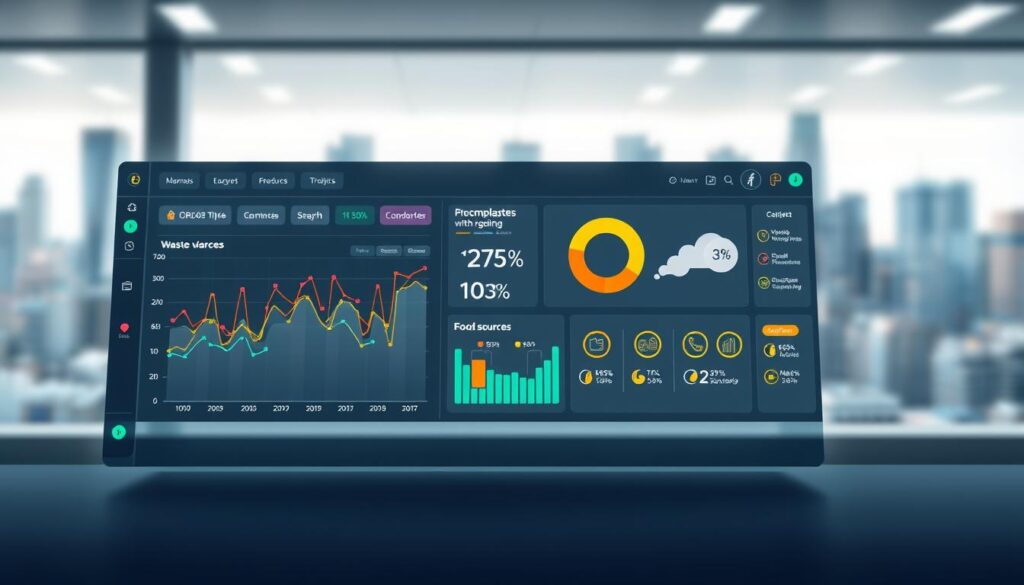
Modern restaurants now wield powerful tools to combat waste through intelligent systems. These solutions analyze patterns in sales, weather, and customer behavior to predict needs with surgical precision. Instead of relying on guesswork, teams access actionable insights that align stock levels with actual demand.
Precision Forecasting for Inventory Control
Sophisticated platforms process years of sales data, menu changes, and regional events. One Chicago-based chain reduced spoilage 38% by syncing orders with concert schedules and weather forecasts. Systems automatically adjust purchase recommendations daily—a practice shown to cut overstocking by 51% in industry trials.
Measurable Operational Improvements
Early adopters report transformative results:
- 27% lower inventory costs through optimized ordering cycles
- 19% fewer stockouts despite leaner inventories
- 43% reduction in dairy/vegetable waste via expiration tracking
| Strategy | Data Used | Outcome |
|---|---|---|
| Demand Prediction | Historical sales, local events | 22% fewer overstock incidents |
| Expiration Alerts | Product shelf life, storage temps | 31% less spoilage |
| Portion Analysis | Plate waste tracking | 17% less prepared food waste |
These methods create self-improving systems. Machine learning refines forecasts weekly, while real-time analytics flag waste hotspots. The result? Restaurants achieve what once seemed impossible—higher profits alongside smaller environmental footprints.
AI Use Case – Predictive Food-Waste Reduction: Key Technologies
Commercial kitchens now deploy intelligent systems that transform raw data into waste-reducing actions. Three innovations stand out in reshaping culinary workflows: visual monitoring tools, mathematical optimization models, and language analysis capabilities. Together, these advancements create self-correcting operations that adapt to real-time conditions.
Computer Vision for Portion Control
Smart camera systems track ingredient usage during prep and service. At Winnow Solutions, overhead sensors analyze plate compositions with 98% accuracy. Chefs receive instant visual cues – green indicators for proper portions, red warnings for excess. This approach helped one hotel chain cut protein waste 51% in six months.
92% of culinary teams using these tools report better consistency. The technology learns portion preferences over time, adjusting recommendations based on customer feedback and seasonal trends.
Optimization Algorithms and Natural Language Processing
Mathematical models crunch millions of data points to optimize menus. One algorithm-driven platform reduced overstocking 44% by correlating weather patterns with soup sales. Another system decreased prep waste 19% through smarter ingredient allocation.
Language analysis tools scan customer reviews and survey responses. They identify unpopular dishes causing waste – like a risotto recipe that 68% of diners left unfinished. Menus evolve using these insights, balancing taste preferences with sustainability goals.
Implementing AI Solutions in Restaurant Operations
Restaurants transforming their operations start with strategic technology integration. Seamless connection between existing tools and new platforms forms the foundation for sustainable change.
Integrating Inventory and Order Management Systems
Successful implementation begins with unified systems. Modern platforms sync with 94% of POS terminals, automatically updating stock levels as items sell. Smart scales track ingredient usage down to the ounce, while cameras monitor storage areas for early spoilage signs.
| Integration Step | Key Components | Operational Impact |
|---|---|---|
| POS Compatibility | Real-time sales tracking | 22% fewer manual entries |
| Smart Devices | Scales, temp sensors | 31% faster data collection |
| Supplier Links | Automated ordering | 19% fewer rush deliveries |
Staff Training and Adaptive Workflows
Effective management requires team alignment. Frontline workers receive hands-on coaching for interpreting system alerts and adjusting prep schedules. Interactive simulations help chefs adapt recipes based on surplus ingredients.
Key training components include:
- Daily waste tracking rituals
- Menu optimization workshops
- Cross-departmental data reviews
Initial setup costs average $2,500-$7,000 per location. However, early adopters recoup investments within 14 months through reduced spoilage and optimized purchasing. One Phoenix-based chain achieved 29% waste cuts while improving kitchen team satisfaction scores by 18%.
Case Studies and Success Stories in AI-Driven Waste Reduction
Innovative approaches are proving that smarter operations yield measurable results. These real-world examples demonstrate how technology transforms challenges into opportunities for growth and sustainability.
GreenBytes: Reducing Waste and Cutting Costs
Five restaurants testing GreenBytes’ system achieved 42% less waste in three months. Financial benefits matched environmental gains – 27% lower costs through optimized purchasing and storage. One location slashed vegetable spoilage 46% using expiration alerts.
The platform delivered unexpected efficiencies. Order completion accelerated 67%, while inventory accuracy jumped 41%. Participants recovered implementation savings within six months – a timeline that reshapes ROI expectations for strategic approaches.
Winnow Solutions: Enhancing Portion Control
Visual monitoring systems revolutionized plate waste management. Kitchens using Winnow’s tools reduced overall waste 51% in half a year. Plate leftovers dropped 37% as portion algorithms adapted to diner preferences.
Financial impacts proved substantial – $38,000 annual savings per site. Chef satisfaction reached 92%, highlighting seamless workflow integration. One operator noted: “We maintain quality while cutting excess – our guests barely notice the change.”
Orbisk’s analytics platform completes this trifecta of success. Their tracking tools help companies achieve 50% reduction targets through granular waste audits. Together, these solutions chart a path where environmental responsibility and profitability coexist.
Future Trends and Best Practices for AI in Food Waste Management
The next wave of innovation reshapes how kitchens operate—not through isolated tools, but interconnected ecosystems. Emerging systems combine meal planning, ingredient tracking, and automated ordering into unified platforms. These adaptive solutions respond instantly to shifting demand, weather patterns, and supply chain fluctuations.
Smart Monitoring and Adaptive Systems
Sensors now monitor storage conditions throughout the supply chain, alerting teams to temperature spikes before spoilage occurs. One pilot program reduced dairy waste 39% using humidity-controlled smart bins. Advanced algorithms analyze social media trends and economic indicators, predicting menu popularity with 89% accuracy.
Collaborative Approaches for Lasting Change
Successful adoption requires balancing technological investment with cultural change. Early adopters embed waste analytics into daily briefings, empowering staff to adjust prep schedules dynamically. A New Orleans hospitality group achieved 53% waste reduction by aligning purchasing with real-time occupancy data.
Implementation challenges persist—high initial costs, data privacy concerns, and workflow adjustments. However, industry partnerships accelerate progress through shared learning platforms. As these tools evolve, they create self-optimizing kitchens where sustainability and profitability strengthen each other.
FAQ
Why is food waste a critical issue for restaurants beyond financial losses?
Beyond direct costs, wasted ingredients strain supply chains, contribute to greenhouse gas emissions, and undermine social responsibility goals. Restaurants lose an estimated 4–10% of purchased food before reaching customers—resources that could address global food insecurity.
How do predictive analytics tools improve inventory management?
Systems like Leanpath analyze historical sales, weather patterns, and local events to forecast demand. This reduces over-ordering and spoilage. For example, Starbucks uses such tools to adjust bakery orders daily, cutting waste by 50% in pilot locations.
What role does computer vision play in reducing kitchen waste?
Cameras integrated with platforms like Winnow track discarded items, identifying trends in portion sizes or unpopular menu items. Hilton Hotels deployed this tech, achieving a 60% reduction in buffet waste by adjusting recipes and serving quantities.
Can small restaurants afford AI-driven waste reduction solutions?
Yes. Cloud-based platforms like Orbisk offer subscription models with minimal upfront costs. These tools optimize inventory and suggest menu changes based on surplus ingredients, delivering ROI within months through reduced purchasing and disposal fees.
How do staff adapt to AI-integrated workflows in kitchens?
Training focuses on interpreting real-time data dashboards and adjusting prep routines. Sweetgreen trains teams to use Shelf Engine’s expiry alerts, repurposing ingredients nearing spoilage into daily specials—turning potential waste into revenue opportunities.
What future trends will shape AI in food waste management?
Expect IoT sensors for real-time fridge temperature monitoring and NLP tools that auto-adjust recipes based on inventory. Companies like Afresh are testing systems that update ordering lists dynamically, factoring in supplier delays or sudden demand shifts.