
“Education is the most powerful weapon which you can use to change the world.” — Nelson Mandela
FlowScholar.com delivers a modern digital platform that bridges classroom work and home learning. It helps schools streamline communication so families stay informed and active. The system reduces administrative burden and frees teachers to focus on meaningful interactions.
The platform tracks progress, attendance, and assessment data in one place. A dedicated team can use FlowScholar.com to manage family engagement practices, simplify feedback loops, and plan interventions faster. This approach aims for measurable improvements in student outcomes and greater parent satisfaction.
Key Takeaways
- FlowScholar.com connects schools and families for consistent communication.
- The platform simplifies progress tracking, attendance, and assessment tasks.
- Teams save time and focus on meaningful learning interactions.
- Integrated feedback and plans lead to better student outcomes.
- Adopting FlowScholar.com strengthens family engagement and community ties.
The Critical Role of Family Engagement in Student Success
Strong connections between home and school create a consistent learning environment for every child.
Research shows that when schools actively engage families, they build a culture of shared responsibility that improves student outcomes. Project Appleseed’s Six Slices of Family Engagement framework offers a clear, research-backed roadmap for those efforts.
Teachers, leaders, and staff who adopt these practices strengthen relationships and make communication routine. That routine reduces chronic attendance problems and helps students feel connected to their learning community.
Successful partnerships depend on a coordinated team that listens and integrates family feedback into the school improvement plan. FlowScholar.com helps educators track outreach impact and measure the real-world results of their strategies.
When schools, families, and community partners align, the result is tangible: better attendance, deeper connections, and improved outcomes for students.
Assessing Your School Needs for a Parent Engagement Academic Support Tool
Start with a clear assessment that links desired results to daily practices.
Start by mapping the outcomes your school expects from stronger family connections and clearer communication. Defining desired outcomes helps leaders prioritize time and resources.

Defining Desired Outcomes
Clarify measurable goals: attendance improvements, timely feedback loops, or faster progress monitoring. A clear plan guides the team and shapes expectations for families.
Identifying Communication Gaps
Conduct a focused assessment of current practices to reveal where information is lost or delayed. MAEC’s Family Engagement Assessment Tool (FEAT) offers 91 questions to help districts reflect on capacity and reach.
- Use FEAT’s questions to gather actionable information and shape a strategic plan.
- Evaluate whether schools effectively reach families or need more robust processes.
- Let your team define who receives which updates and when—this reduces confusion and saves time.
“A well-structured assessment ensures no student is left behind because of poor communication.”
FlowScholar.com assists leaders in translating assessment results into a practical plan and makes it easier for families to get consistent updates across the year. For a guided checklist, see family engagement assessment tools.
Key Features to Look for in Engagement Platforms
When systems surface real-time metrics, educators can refine outreach and improve outcomes fast.
Data-driven insights let a school move from guesswork to strategy. Teams get clear reports on which family activities and events reach the most people. That visibility helps schools focus energy where it produces results.
Data-Driven Insights for Educators
FlowScholar.com offers dashboards that show attendance trends, communication patterns, and response rates. Educators can filter by grade, program, or community to spot gaps quickly.
A robust platform also makes collecting family feedback simple. That feedback becomes part of the assessment process and guides the next plan of outreach.
- Track which activities drive the best response.
- Use attendance and communication data to shape strategies.
- Turn feedback into measurable improvements for students and families.
| Feature | Benefit | Impact on Schools |
|---|---|---|
| Real-time Dashboards | Instant visibility into outreach | Faster decisions; better allocation of team time |
| Feedback Collection | Simple surveys and responses | Improved family communication and practices |
| Attendance & Trend Reports | Clear pattern analysis | Targeted strategies that boost outcomes |
“Data turns outreach into a measurable process, so every family counts.”
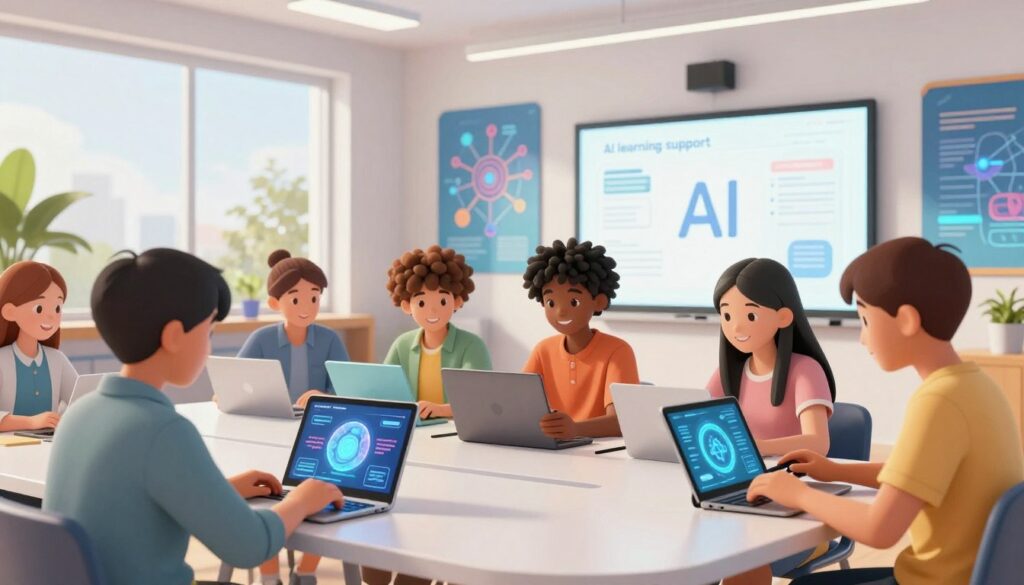
Leveraging AI for Smarter Academic Support
AI is reshaping how schools deliver tailored learning beyond the classroom.
Personalized Learning Support
FlowScholar.com uses machine learning to create custom learning paths for each student. These suggestions match pace, skill gaps, and family schedules so learning continues through the year.
Educators get clear recommendations that save time and focus effort where it moves outcomes. Families receive targeted resources that fit daily routines.
Automating Routine Communication
Automated messages reduce repetitive tasks for staff and let teams concentrate on high-impact conversations. The system sequences reminders, surveys, and follow-ups based on family responses.
- Automated alerts for attendance trends
- Smart scheduling for outreach that respects family time
- Data-driven prompts that shape the next plan
Enhancing Accessibility
AI adapts language, format, and timing so information reaches diverse families. This increases clarity, improves feedback rates, and strengthens family engagement across the community.
“Targeted outreach backed by data changed attendance in trial studies.”
Johns Hopkins (2025) found a 24% reduction in absences when families received core engagement strategies. We use that research to guide platform development and maximize impact.
Evaluating Research-Backed Frameworks and Strategies
Evaluating research-backed frameworks helps schools convert good intentions into measurable results.
Schools should review proven models to ensure family engagement practices rest on evidence. IDRA’s current work with 13 organizations in the Rio Grande Valley shows how coordinated, data-driven partnerships yield clearer progress monitoring and improved student outcomes.
Leaders can use these frameworks to assess current practice and build a long-term plan for the whole school community. A focused team translates assessment findings into actionable steps: refined communication, better activities, and targeted follow-ups.
FlowScholar.com aligns with national standards and serves as a reliable resource for schools seeking evidence-based practice. Districts may also consult federal guidance, such as the strategies for family engagement, or explore case analysis at Miloriano.
“Grounding outreach in research preserves time and increases impact across the community.”
Overcoming Common Barriers to School-Family Partnerships
Barriers like timing, language gaps, and unclear information often stall meaningful school–family relationships.
Strategies for Inclusive Outreach
FlowScholar.com helps schools address these barriers with clear, equitable practices that make families feel welcome.
At IDRA’s Annual Bilingual Parent Institute, over 200 parents emphasized accessible communication as essential to strong partnerships. We translate that feedback into practical steps for schools.
- Offer multi-language messages and flexible event schedules to reduce time conflicts.
- Provide concise updates so teachers and staff can keep families informed quickly.
- Use data to tailor outreach and measure progress in attendance and outcomes.
- Create shared plans that let teams track questions and feedback across the year.
| Barrier | FlowScholar Response | Impact on Families |
|---|---|---|
| Language gaps | Automated translations and multi-language alerts | Clearer information for all households |
| Scheduling conflicts | Flexible event invitations and recorded sessions | Higher attendance and participation |
| Scattered communications | Centralized updates and progress summaries | Stronger relationships and quicker progress |
| Limited staff time | Prioritized outreach workflows for teams | More focused, measurable engagement efforts |
“Accessible, consistent communication turns outreach into shared responsibility.”
Conclusion: Taking the Next Step with FlowScholar
Take action to turn insight into routine practice.
A focused approach converts data and outreach into a clear plan that staff can follow. Taking the next step with FlowScholar.com lets a school transform how it manages parent engagement through smarter, AI-driven academic support.
Our team stands ready to help implement a tailored plan that improves attendance and streamlines communication. If you have questions about how the platform fits your needs, visit https://www.flowscholar.com to learn more.
Prioritizing consistent engagement builds stronger relationships with parents and helps every student access the resources they need. Start today: explore https://www.flowscholar.com and see how a strategic plan can shape the coming school year.
FAQ
What is FlowScholar.com and how does it help families stay involved in learning?
FlowScholar.com is a platform designed to connect schools and families with actionable information and activities that extend learning beyond the school day. It provides communication features, progress tracking, and resources for events and at-home learning strategies so teachers, leaders, and caregivers can coordinate support, monitor student progress, and strengthen relationships that boost outcomes.
How does the platform measure impact on student progress and family-school partnerships?
FlowScholar uses data-driven insights and assessment tools to capture participation, attendance at events, task completion, and learning growth over time. Dashboards translate that data into clear indicators of effectiveness—allowing staff and school leaders to refine strategies, allocate resources, and show measurable development in achievement and family-school connections.
Can FlowScholar adapt to different school or district goals?
Yes. The platform supports defining desired outcomes and aligning features—communications, resources, and professional development—to school and district plans. Administrators can set priorities, run targeted campaigns, and use analytics to ensure practices map to local goals and equity strategies.
What communication methods are supported for families with varied needs?
FlowScholar offers multi-channel communication, including email, SMS, in-app messages, and printable materials. Messages can be translated, scheduled, and personalized so outreach is inclusive, accessible, and timely—helping staff overcome language, time, and technology barriers.
How does FlowScholar use AI to personalize learning and outreach?
The platform leverages AI to recommend targeted activities, tailor messages based on family preferences, and automate routine follow-ups. AI-driven suggestions help teachers provide individualized at-home supports and help schools scale consistent, research-aligned family engagement practices.
Is student privacy and data security maintained when using analytics and AI?
FlowScholar adheres to industry-standard data protection practices and complies with applicable regulations. Access controls limit data visibility to authorized educators and leaders, and data use is transparent—focused on improving instruction, communication, and student outcomes.
What evidence supports the effectiveness of FlowScholar’s strategies?
The platform incorporates research-backed frameworks and evidence-based practices proven to improve attendance, achievement, and family involvement. Case studies and implementation guides illustrate how targeted outreach, consistent communication, and shared responsibility between schools and families drive positive results.
How does the system support schools with limited time and staff capacity?
FlowScholar automates routine tasks, templates events and messages, and provides prioritized action lists so staff can focus on high-impact interactions. Built-in coaching materials and community resources reduce preparation time while scaling consistent, efficient practices.
Can FlowScholar help with inclusive outreach to diverse communities?
Yes. The platform includes strategies for culturally responsive communication, translation tools, flexible event formats, and guidance for building respectful partnerships. These features increase participation from families who might otherwise face barriers to involvement.
How easy is it for teachers and families to adopt the platform?
FlowScholar emphasizes user-friendly design, onboarding support, and ongoing training. The system integrates with existing school workflows and provides clear guides so educators, leaders, and caregivers can quickly use features for communication, assessment, and shared planning.
What kind of resources are available for planning family-focused activities and events?
The platform includes a library of activities, templates for events, family guides, and community partnership tools. Schools can customize materials to local contexts, schedule workshops, and track attendance and follow-up to maximize participation and learning impact.
How does FlowScholar support continuous improvement of engagement efforts?
Administrators can run assessments, gather feedback through surveys, and review engagement metrics to iterate approaches. Built-in reporting highlights what works, enabling teams to refine strategies, reassign resources, and document year-over-year progress.
Are there integrations with student information systems and other educator tools?
FlowScholar offers integrations with common student information systems and communication platforms to sync rosters, attendance, and key data. These integrations reduce duplicate work and provide a single view of family interactions and student needs.
What support is offered for launching FlowScholar at scale across a district?
District rollouts include implementation planning, professional learning for staff, technical support, and strategy consulting. The goal is to build a shared process and team approach so schools can sustain effective partnerships and measure outcomes over time.
How are teachers and families kept informed about student learning goals and expectations?
The platform enables regular updates, goal-setting tools, and clear guidance on at-home activities tied to classroom standards. Transparent communication helps align expectations, promotes shared responsibility, and supports student motivation and progress.