“Education is not the learning of facts, but the training of the mind to think.” —Albert Einstein.
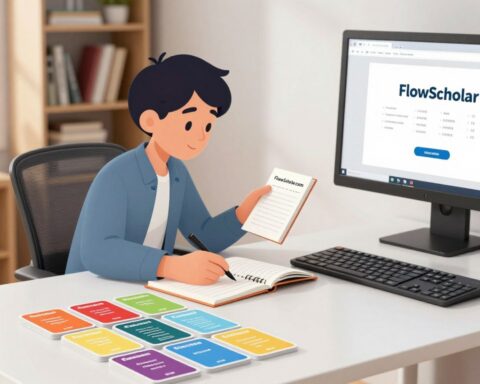
FlowScholar.com centralizes notes, quizzes, flashcards, and interactive content to make effective study manageable. The platform responds to a world where 67% of learners adopt EdTech; it turns thousands of pages of reading into organized sessions across devices.
The site syncs with calendar apps like Google Calendar to help keep track of time and progress. That easy use interface reduces reliance on paper and screen clutter. Users gain instant access to curated content and answers that speed mastery of tough subjects.
We position FlowScholar as a mentor-like platform that blends notes, tests, and study tools into one place. This approach improves time management and helps students move toward consistent, measurable progress.
Key Takeaways
- FlowScholar consolidates reading and resources into coherent study sessions across devices.
- Integration with Google Calendar supports better time management and scheduling.
- The platform offers thousands of resources—quizzes, flashcards, and notes—to boost learning.
- An easy use interface minimizes paper reliance and reduces screen clutter.
- Adopting FlowScholar supports effective study habits and steady academic progress.
The Evolution of Modern Study Habits
Digital habits have rewritten how learners manage reading, notes, and revision across devices.
The Digital Shift
Many learners have moved away from pen and paper toward dynamic online study tools that sync notes, quizzes, and flashcards. Platforms like Coursera link college-level content with industry partners—Google, Adobe, and Meta—helping users build practical skills and answers tied to real-world jobs.
Overcoming Distractions
Digital distractions are real: half of US students say technology pulls their attention from academic work. A simple app or tool such as Blocksite can block social media sites and protect valuable time on screen.
Practical approach: adopt focused sessions, use study tools that limit interruptions, and schedule brief breaks to preserve concentration. This way, learners manage reading and prep across subjects and devices without reverting to cluttered paper piles.
- Block social media access during focused blocks.
- Use courses that offer industry-aligned skills and tests.
- Choose platforms that centralize notes, quizzes, and flashcards to speed review.
Why Students Need an Independent Study Tool for Students
Consolidation changes practice from random review into a repeatable path toward mastery.
When learning materials live in one platform, practice shifts to measurable progress. Progress Learning offers 47 item types, including tech-enhanced questions that mimic real tests.
Structured practice builds recall: custom practice sets let teachers target gaps. Learners log in from anywhere and keep a steady schedule. That access turns fragmented notes into a cohesive approach.
“Independent practice creates confidence; repetition with feedback produces reliable answers.”
- Consistent practice saves time and sharpens memory.
- Interactive quizzes and flashcards offer varied review and instant feedback.
- A dedicated app or platform tracks progress and highlights weak areas.
| Feature | Benefit | Classroom Fit |
|---|---|---|
| 47 item types | Multiple formats for practice | Aligns with standards |
| Remote access | Study anytime, anywhere | Supports homework and review |
| Teacher customization | Personalized assignments | Targets college prep and tests |
Leveraging AI to Streamline Academic Admin
AI can remove repetitive tasks that steal attention from actual learning.
AI automations cut admin time by turning repetitive lists and formatting into instant, usable content. This reduces the hours spent on clerical work and frees time for focused sessions and concept mastery.

Automating Routine Tasks
Grammarly offers AI-driven writing suggestions that refine content and sharpen assignment quality.
Generative assistants like ChatGPT or Google Gemini create checklists, format notes, and propose content drafts. They process large volumes of material quickly, saving significant manual effort.
- Use AI to organize notes, quizzes, and flashcards into tidy folders.
- Automate formatting, citation checks, and simple outlines to save time.
- Set reminders and templates so college deadlines never slip.
“Automated admin lets learners focus on concepts, not clerical chores.”
| Action | AI Benefit | Result |
|---|---|---|
| Drafting outlines | Fast content generation | More efficient sessions |
| Formatting citations | Accurate references | Fewer revision cycles |
| Organizing notes | Searchable content | Quicker answers during tests |
Enhancing Focus and Time Management
Blocking specific hours on a calendar transforms vague intentions into measurable work.
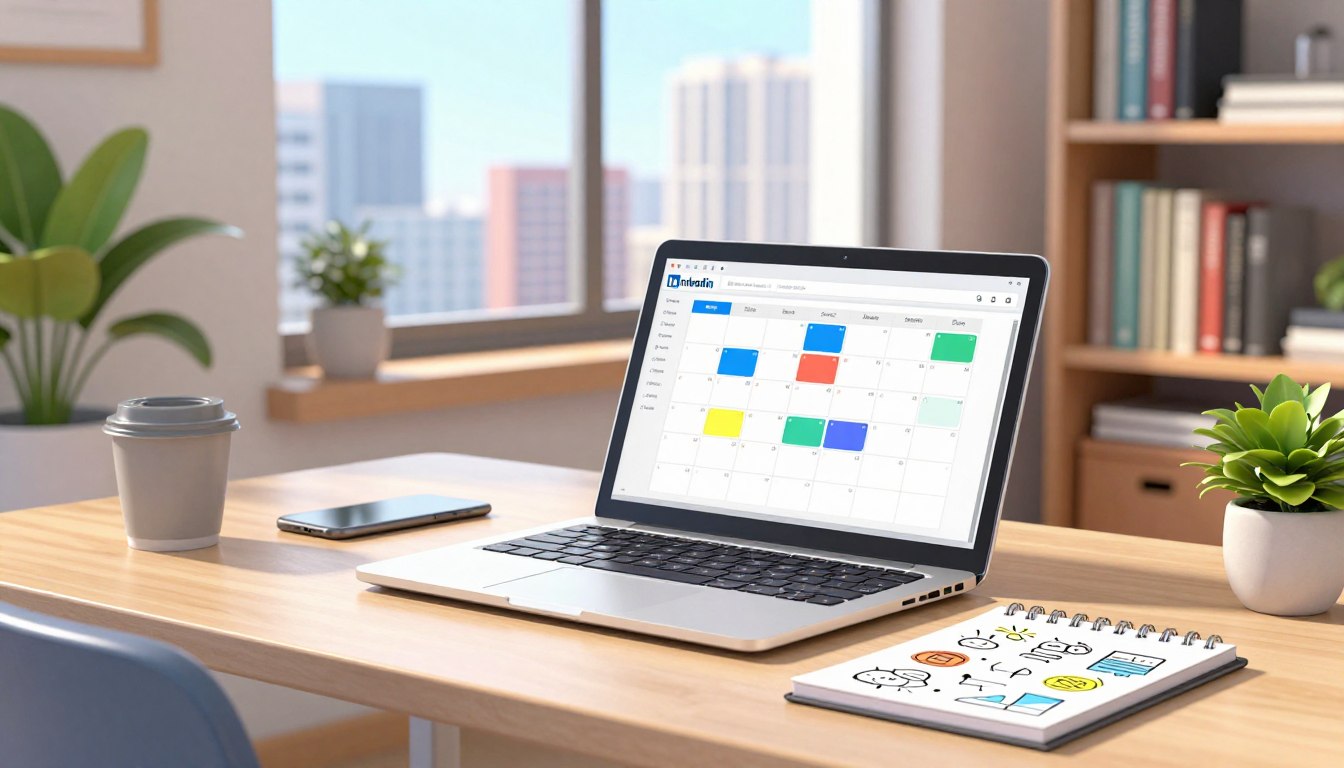
Using Google Calendar for time blocking helps keep lectures, review sessions, and breaks organized. Color-coded entries make it easy to scan priorities across devices.
The Focus Timer inside Genio Notes enforces short, single-subject sessions. That structure reduces context switching and improves concentration.
Digital distractions often derail progress. Setting a blocklist on your screen and using apps that limit distracting sites can protect study time.
- Google Calendar enhances time management and syncs schedules across devices.
- The Focus Timer is a practical study tool that promotes sustained attention on one subject.
- Use blockers to stop social media and distracting sites from interrupting focused work.
- Our platform works across devices to keep every student on track and reduce overload.
“Consistent blocks beat random bursts — protect the hours that matter.”
Mastering Complex Subjects with FlowScholar
Adaptive design helps learners tackle tough topics by turning depth into clear, repeatable work.
Personalized Learning Paths
Adaptive AI maps gaps to concise goals and adjusts session length as mastery improves. That personalization reduces wasted time and keeps momentum.
FlowScholar creates custom sequences that match pace, prior knowledge, and target grades. Learners progress through checkpoints that build toward complex concepts.

Interactive Knowledge Retention
Active features like flashcards and quizzes reinforce recall; instant feedback highlights weak areas. Mixing formats—notes, quizzes, and short videos—deepens retention.
Integration with Google Scholar lets users pull from thousands of papers, then compress that content into summaries and flashcards.
Getting Started with FlowScholar
Upload PDFs or videos and generate notes, summaries, and practice sets in minutes. A 24/7 AI tutor can clarify confusing topics and guide paced sessions.
- Free study access makes onboarding simple.
- Design your sessions to focus on skills needed for college and career work.
- Use quizzes and flashcards to measure progress and retain knowledge.
“Adaptive paths turn overwhelming syllabi into small wins that compound into mastery.”
Ready to organize readings and notes? Download a concise guide to get started: FlowScholar quick start guide.
Curating Your Digital Toolkit for Success
Build a compact digital kit that keeps essential apps and content in one reliable place.
Pick apps with clear roles: use StoryGraph to keep track of reading progress and get AI-driven suggestions. Add Canva for quick, polished graphics and Cite This For Me to speed up references.
Keep the set small. Fewer, well-chosen tools reduce friction and save time. Progress Learning provides access across devices so materials follow users wherever they work.
Centralize resources on a single platform and link schedules to Google Calendar. That setup helps keep track of deadlines and makes study time predictable.
- Curating a toolkit ensures the right study tool for every task.
- StoryGraph and Canva handle reading and design with minimal fuss.
- Easy use features like Cite This For Me free hours for focused work.
- Quizzes and flashcards integrate into one place to track progress toward college goals.
“A compact, curated toolkit reduces busywork and improves long-term progress.”
Overcoming Common Learning Roadblocks
Roadblocks clear when learners combine quick retrieval with planned review windows.
Active Recall and Spaced Repetition
Active recall and spaced repetition are science-backed methods that lock facts into long-term memory. These approaches make each session purposeful and measurable.
Ms. Sylvestre and Ms. Lee at Charles Drew Elementary reported strong gains when pupils practiced with short quizzes and flashcards. Teachers noted better retention across multiple subjects and faster recovery of answers during tests.
Why this works: quick retrieval forces the brain to reconstruct knowledge, and spacing reviews over time prevents forgetting. Traditional paper notes alone rarely provide the schedule or feedback needed to cement skills.
- Overcoming learning roadblocks is easier when you use a study tool that mixes active recall and spaced repetition into daily sessions.
- Structured practice—flashcards, short quizzes, focused reading—reveals gaps and guides progress.
- Consistent notes and a clear approach help prepare answers for college tests and build core skills.
- Interactive quizzes and regular reviews keep sessions efficient and goal-oriented.
“Constant review of focus areas improves retention and boosts test performance.”
To explore related methods, see how math apps help overcome learning. We recommend a steady routine that balances retrieval with scheduled review and brief reflection.
Conclusion: Elevating Your Academic Performance
Conclusion: Elevating Your Academic Performance
Structured sessions and smart scheduling make complex goals feel manageable. Build a routine that protects focused periods and tracks progress with simple targets.
Adopt a reliable study tool and sync tasks to your calendar to save time and cut stress. Small, repeated actions yield steady gains; prioritize what produces results.
Learn more about calendar and target planning at calendar and target planning to strengthen routines that stick.
Take the next step: visit https://www.flowscholar.com to start a free session and reclaim the time that matters most.
FAQ
How does FlowScholar.com help students study independently with better learning materials?
FlowScholar curates concise, research-backed lessons and adaptive practice that match each learner’s pace. The platform combines clear summaries, flashcards, and short quizzes to reinforce concepts — all accessible across devices for consistent progress tracking.
What is the digital shift in modern study habits and why does it matter?
The digital shift moved most reading, note-taking, and practice online, creating faster access to resources and new collaboration methods. It matters because effective digital workflows reduce friction: learners spend more time engaging with content and less time managing materials.
How does FlowScholar help users overcome distractions?
FlowScholar offers focused session modes, minimal interfaces, and scheduled reminders that discourage multitasking. These features, paired with short, timed exercises, improve attention spans and make study time more productive.
Why do students need an independent study platform like FlowScholar?
A dedicated platform centralizes notes, practice, and progress so learners can set goals and track outcomes. It supports self-directed learning with structured paths, automated review schedules, and quick assessments to identify gaps.
How does FlowScholar leverage AI to streamline academic administration?
AI automates routine tasks such as generating practice questions, summarizing long texts, and creating review schedules. This reduces administrative load and lets learners focus on higher-value activities like problem-solving and application.
What routine tasks can FlowScholar automate for quicker results?
The system can auto-create flashcards from notes, schedule spaced reviews, and produce formative quizzes tied to syllabus topics — saving time and improving long-term retention.
How does FlowScholar enhance focus and time management?
The app integrates session timers, prioritized task lists, and calendar sync to allocate study blocks efficiently. Clear progress indicators and milestone rewards keep motivation high and time use intentional.
Can FlowScholar help with mastering complex subjects?
Yes. FlowScholar breaks complex topics into layered modules, mixes explanations with worked examples, and uses targeted practice to build competence step by step.
What are personalized learning paths and how do they work here?
Personalized paths adapt content sequence and difficulty based on performance. The platform assesses strengths, then tailors lessons and review schedules to accelerate mastery where it’s needed most.
How does FlowScholar support interactive knowledge retention?
The platform uses active recall techniques—flashcards and short-answer prompts—plus spaced repetition. Interactive quizzes and instant feedback help convert short-term understanding into durable knowledge.
How can a new user get started with FlowScholar?
Sign up, set academic goals, and connect a course or subject. FlowScholar recommends an initial learning path, imports notes or syllabi, and suggests a first two-week schedule to establish momentum.
What should students include in a digital toolkit for success?
A compact toolkit pairs FlowScholar with a cloud note app, calendar (Google Calendar), and a reliable citation tool. This setup streamlines access to content, scheduling, and reference management.
How does FlowScholar help overcome common learning roadblocks?
The platform identifies weak areas through diagnostic quizzes, then prescribes targeted practice and review. It also offers study strategies—like goal setting and active recall—to remove friction in learning routines.
What role do active recall and spaced repetition play on the platform?
Active recall forces retrieval practice via prompts and quizzes; spaced repetition schedules reviews at optimal intervals. Combined, they significantly boost long-term retention and reduce last-minute cramming.