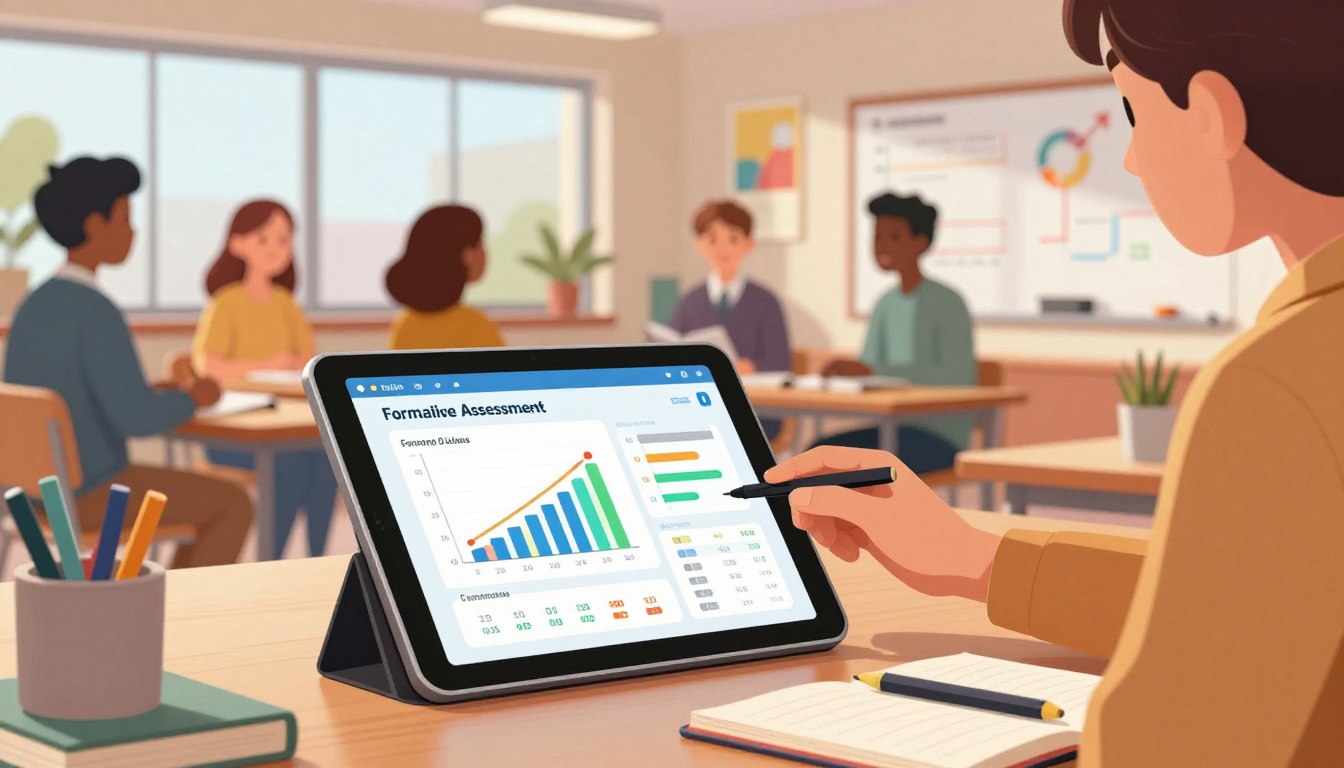
“Education is the kindling of a flame, not the filling of a vessel.” — Socrates
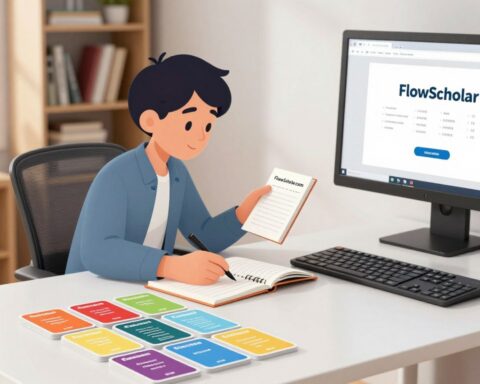
FlowScholar.com delivers AI-driven solutions that speed up how educators gather meaningful data. By using a formative assessment approach, the platform helps teachers spend less time on chores and more on high-impact instruction.
When students get near-instant feedback, engagement rises and each student benefits from clearer next steps. FlowScholar helps ask the right questions to reveal how students are progressing toward learning goals.
We believe integrating smart technology into the classroom makes assessment more strategic. Visit https://www.flowscholar.com to revolutionize your classroom feedback loop today.
Key Takeaways
- FlowScholar uses AI to reduce grading time and sharpen instructional decisions.
- Immediate feedback increases student engagement and supports learning growth.
- The platform helps teachers ask targeted questions that reveal real progress.
- Data from quick checks guides instruction so no student falls behind.
- Start at https://www.flowscholar.com to streamline classroom workflows today.
The Role of Formative Assessment in Modern Classrooms
Regular classroom checks give teachers immediate clues about student understanding. Experts like Heidi L. Andrade and Susan M. Brookhart argue that ongoing checks deepen student learning across the year.
When educators gather quick information, they can refine content and instruction in real time. This reduces wasted time and helps every student move forward.
Schools that adopt data-driven teaching promote professional learning and stronger student learning outcomes. Providing clear feedback keeps students connected to their goals and boosts knowledge retention.
By using FlowScholar.com, teachers collect critical information that guides timely changes to lessons. Visit formative assessment progress to explore the research and visit https://www.flowscholar.com to learn more about our AI-driven approach.
- Shift focus: See learning as a process, not a one-time measure.
- Act quickly: Use information to adjust instruction the same day.
- Grow professionally: Engage in ongoing training to sharpen practice.
The goal is a school culture where checks support learning growth, not just measure it.
Essential Categories of a Formative Assessment Tool for Teachers
Two distinct categories—real-time response systems and reflection platforms—combine to reveal what students know and where they struggle. Each category serves a different purpose in the feedback loop and helps refine daily instruction.
Digital Response Systems
Live response apps like Kahoot!, Quizizz, Nearpod, and Mentimeter let teachers ask quick questions and gather instant results. These platforms make it easy to create quizzes, run polls, and generate word clouds that show classwide understanding.
With over 75 digital learning tools available, educators gain new opportunities to engage students and save time gathering information.
Student Reflection Platforms
Reflection spaces—Flipgrid, Padlet, and journal apps—allow students to submit video responses and written reflections. Peer feedback and guided prompts help develop knowledge and deepen learning experiences.
- Interactive presentations: platforms like Pear Deck let students interact with content during slides.
- Holistic view: Plickers and Flipgrid capture diverse student responses, including students disabilities accommodations.
Visit types of quick checks and then see how FlowScholar complements existing formative assessment tools at https://www.flowscholar.com.
Leveraging FlowScholar for Faster Classroom Feedback
Smart platforms convert everyday student work into patterns that guide meaningful next steps.
Automating the Feedback Loop
FlowScholar.com automates the feedback loop, so teachers save time and students get immediate feedback on student work.
The system reduces hours of manual grading and turns responses into clear action items. This process helps teachers adjust instruction the same day.
Real-Time Data Analysis
Live analytics highlight where students struggle and where understanding is strong.
Reports surface trends, generate word clouds, and show peer feedback at a glance. That information helps educators refine content and create quizzes that target gaps.
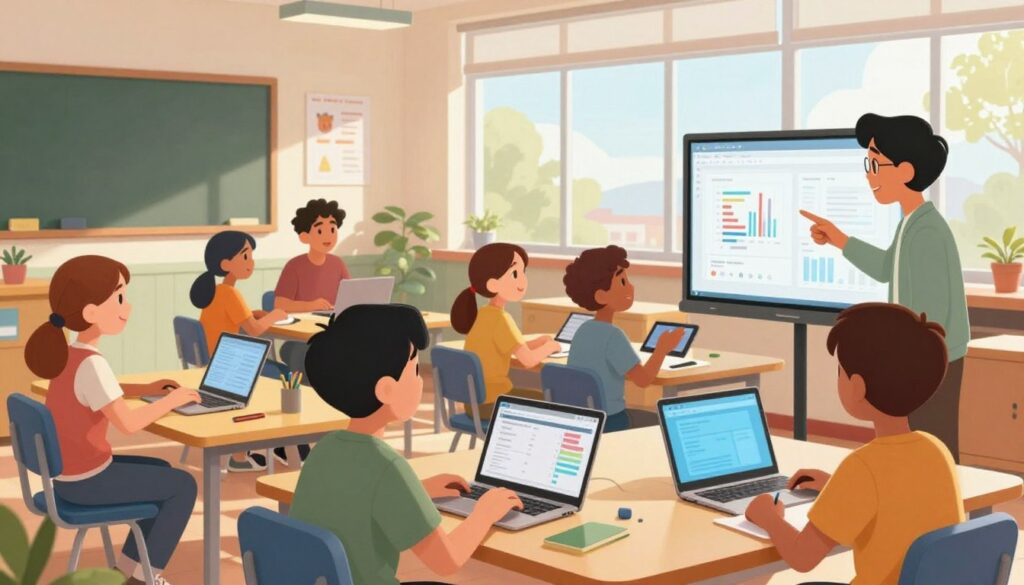
Enhancing Teacher-Student Communication
Students submit video responses and interactive presentations, which makes learning visible.
Teachers and students use those artifacts to discuss next steps and improve quality student work.
| Feature | Benefit | Classroom Impact |
|---|---|---|
| Automated feedback | Immediate feedback | Faster adjustments to instruction |
| Real-time reports | Actionable information | Targeted interventions |
| Video & presentations | Deeper evidence of understanding | Stronger student communication |
Visit https://www.flowscholar.com to automate your feedback process today and focus on the next steps in student learning.
Strategies for Integrating Digital Tools into Daily Instruction
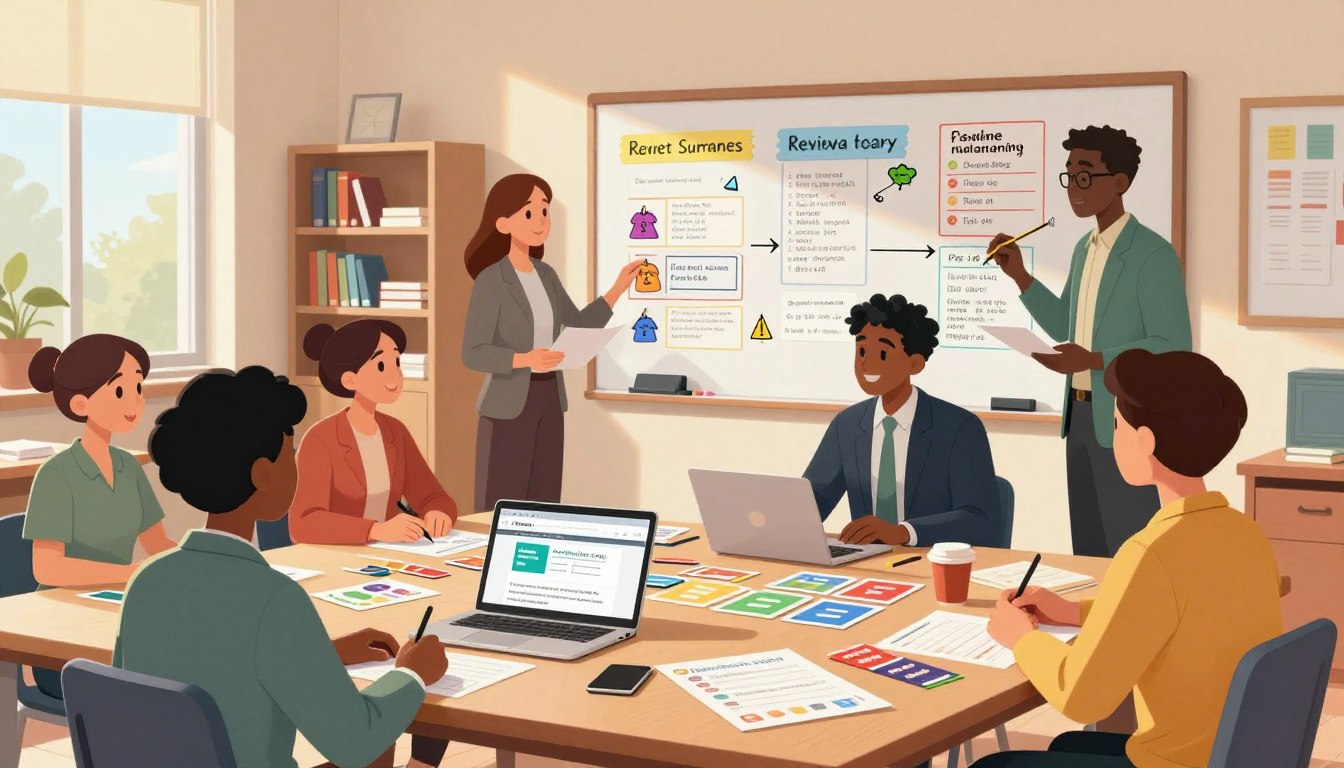
Daily use of targeted digital activities turns scattered moments into clear learning evidence. When students complete quick tasks, teachers see progress and adjust lessons that same day.
Make monitoring routine. Integrate FlowScholar.com into warm-ups, exit tickets, and quick checks so student work is visible in real time. That keeps every student on track toward their learning goal.
Invest in professional learning. Give staff time to master features that support students disabilities and varied learning needs. Skilled use reduces wasted time and increases instruction impact.
- Encourage peer feedback to deepen knowledge and build classroom trust.
- Use short questions and content exploration to develop critical thinking.
- Adopt a unified school approach so staff share strategies and time.
FlowScholar provides the structure to focus each minute on high-quality learning experiences. Visit https://www.flowscholar.com to integrate our platform into daily teaching and simplify assessment routines.
Overcoming Common Challenges in Student Assessment
Equity in the classroom starts when instruction adapts to each student’s pace and strengths.
Addressing Diverse Learning Needs
Meeting diverse needs is a persistent challenge, but FlowScholar.com gives teachers practical ways to reach every student.
Immediate feedback helps students act on next steps quickly. The platform turns student work into clear results that guide instruction and reduce guesswork.
Teachers can create quizzes and video presentations that match different learning styles. Students use varied formats to show understanding—text, audio, or video—so quality student work is fairly evaluated.

Support for students disabilities is built in: flexible options let each student demonstrate knowledge. Peer feedback and concise reports supply actionable information for both teacher and family communication.
- Generate clear data to highlight next steps.
- Use varied presentations to increase opportunities for success.
- Share results with families to build a supportive learning community.
We believe strong outcomes follow when instruction combines quick checks, clear feedback, and tools that respect diverse needs. Explore high-impact strategies at high-impact strategies and visit https://www.flowscholar.com to overcome common hurdles and boost student learning.
Conclusion: Elevating Student Learning Through Data-Driven Insights
When instruction is guided by timely data, student progress becomes visible and actionable. Clear information helps teachers ask sharper questions and give focused feedback that lifts student learning.
FlowScholar.com saves time and turns daily work into usable reports that drive better classroom instruction. Continuous professional learning and smart digital practices make this change sustainable.
Explore adaptive learning approaches at adaptive learning platforms and visit https://www.flowscholar.com to start your journey toward data-driven success. Together, we can ensure every student gets the support they need to master content and reach lasting growth.
FAQ
What is FlowScholar.com and how does it speed up classroom feedback?
FlowScholar.com is an AI-powered platform that streamlines in-class checks of student understanding. It automates scoring and highlights misconceptions quickly, so educators spend less time grading and more time adjusting instruction. The system summarizes trends, suggests next steps, and generates targeted prompts that improve the quality of student work and peer feedback.
How does this approach support ongoing checks of student learning?
By embedding short, actionable checks into lessons—like quick quizzes, reflections, and word clouds—FlowScholar captures real-time student responses. Teachers receive immediate information on who needs support, enabling timely changes to teaching, small-group instruction, or individualized feedback that advances learning.
What categories of digital response systems does FlowScholar include?
The platform bundles several response types: multiple-choice and open-response quizzes, polling, exit tickets, and interactive presentations. These options let instructors collect varied evidence of understanding and create assessments aligned to learning goals and standards.
Can students with disabilities use the platform effectively?
Yes. FlowScholar supports accessibility features—read-aloud, adjustable fonts, and alternative response modes—so learners with diverse needs can demonstrate knowledge. Teachers can set accommodations and track individualized progress without extra paperwork.
How does FlowScholar automate the feedback loop?
AI analyzes student submissions and generates clear, prioritized feedback for each learner. It produces comment banks, formative next steps, and example revisions that students can apply immediately. This reduces turnaround time and raises the consistency of feedback across classrooms.
What real-time data analysis capabilities are available?
The dashboard visualizes class-wide trends, mastery of learning goals, and item-level difficulty. Filters let educators view subgroups, standards, or individual trajectories. These insights inform lesson pacing, reteach decisions, and targeted interventions.
How does FlowScholar improve teacher-student communication?
The platform creates transparent feedback channels: annotations on student work, private messages, and prompts for student reflection. Families can receive summarized progress updates, fostering collaborative support around learning.
What strategies help integrate digital checks into daily instruction?
Start small—use brief polls or exit tickets aligned to the lesson objective. Schedule predictable moments for quick checks, share learning goals with students, and use AI summaries to guide the next lesson. Professional learning and peer modeling speed adoption.
How does FlowScholar address diverse learning needs during assessment?
Teachers can assign tiered prompts, scaffolded tasks, and alternate formats. The system tracks accommodations and recommends differentiated next steps based on performance patterns, helping ensure equitable access to quality learning experiences.
Can teachers create quizzes and presentations within the platform?
Yes. Educators can build quizzes, formative activities, and slide-based presentations. Built-in question banks, rubrics, and peer-review workflows streamline lesson preparation and encourage higher-quality student work.
How does FlowScholar help families understand student progress?
FlowScholar generates concise progress reports and examples of student work that clarify current strengths and recommended next steps. These updates make conversations about learning more focused and actionable for families.
Is professional learning available to support implementation?
The platform offers guided onboarding, searchable help resources, and exemplar lesson plans. Schools can access workshops that focus on formative practices, effective feedback, and data-driven instruction to maximize impact.
What privacy and data protections are in place?
FlowScholar adheres to standard student-data privacy regulations, uses secure data storage, and provides role-based access. Administrators control sharing and retention settings to protect student information.