“Education is the most powerful weapon which you can use to change the world.” — Nelson Mandela.
FlowScholar.com offers a clear path for students facing the complex shift from high school to higher learning. The platform blends academic guidance with personal growth strategies to build lasting habits and confidence.
By focusing on practical routines and targeted guidance, FlowScholar.com helps learners meet the demands of a rigorous curriculum and adapt to new environments. We aim to make success accessible to every participant, regardless of background.
Our mission is simple: prepare each school member to feel equipped and assured as they move toward postsecondary goals. The approach is strategic, supportive, and rooted in measurable results.
Key Takeaways
- FlowScholar.com combines academic and personal development to support transition success.
- Resources emphasize practical routines and habit-building for long-term growth.
- The platform serves diverse learners with accessible, high-quality guidance.
- Students gain confidence to navigate rigorous high school work and future demands.
- FlowScholar.com’s mission centers on measurable readiness and inclusive support.
Understanding the Importance of College Readiness
Preparing for postsecondary life requires a balance of academic know-how and emotional resilience. This balance goes beyond test scores and classroom hours. It includes habits, time management, and the ability to recover from setbacks.
Defining readiness
True readiness means mastering content and the non-cognitive skills that support success. That includes communication, self-regulation, and persistence. Educators now view these skills as equally important to grades.
The Transition Process
The shift from high school to higher education is a change in expectations. It requires proactive planning and a mindset that accepts responsibility for learning.
- Academic skills: critical thinking and subject mastery.
- Non-cognitive skills: resilience, time management, and collaboration.
- Early preparation: students who start early adapt faster to heavier workloads.
| Area | What to Build | Short-Term Action |
|---|---|---|
| Academic | Content mastery, research habits | Set weekly goals and review notes |
| Personal | Resilience, time management | Practice task chunking and reflection |
| Social | Collaboration, help-seeking | Join study groups and office hours |
Essential Non-Cognitive Factors for Student Success
Non-cognitive strengths—motivation, persistence, and time management—shape long-term outcomes as much as academic ability. The Online Readiness Assessment measures these traits to reveal where learners need focused development.
Motivation fuels effort; self-discipline sustains it. Together, they predict how a learner navigates heavier workloads and recovers from setbacks. We recommend early interventions based on assessment results to build durable habits.
- Assessment insight: Identifies motivation, time management, and self-discipline gaps.
- Skill focus: Persistence and learning autonomy are primary predictors of long-term performance.
- Practical impact: Organizational habits often matter as much as raw intelligence.
| Factor | What the Assessment Measures | Quick Action |
|---|---|---|
| Motivation | Goal orientation and task value | Set short, meaningful objectives weekly |
| Time Management | Planning, punctuality, and task breakdown | Create a simple weekly calendar; review daily |
| Self-Discipline | Delay of gratification and focus under distraction | Use focused work blocks with brief breaks |
| Persistence | Response to setbacks and sustained effort | Practice reflection and adjust small strategies |
For a research-backed overview of non-cognitive predictors, consult the VUE non-cognitive factors report.
Leveraging a College Readiness Study Tool for Academic Growth
FlowScholar.com pairs targeted practice with clear, explanatory feedback to accelerate academic progress. This approach reflects current research showing that elaborated feedback improves recall and deep learning.
Using a robust platform like a college readiness study tool lets learners engage with content built to promote growth. Practice items include step-by-step explanations that turn mistakes into learning moments.
- Designed for students: content scaffolds build confidence on tougher topics.
- Evidence-based: feedback cycles boost retention and transfer.
- Daily integration: short, regular sessions create consistent progress.
- Equity-focused: digital resources extend support regardless of zip code.
We provide the necessary resources so every learner can prepare for the next academic step. With focused practice and meaningful explanations, students gain a clear strategic advantage as they approach college work.
Mastering Time Management and Self-Discipline
Developing reliable routines helps learners convert intentions into action. When routines are built with purpose, a student gains control over competing demands and reduces daily friction.
Prioritizing Daily Tasks
Start each day by listing three priority items. Keep entries small and specific so tasks finish within focused blocks.
Use short work intervals with breaks to defend attention. This method preserves energy and keeps momentum steady.
Track outcomes weekly and adjust priorities based on impact. Reflection makes habits stick and improves long-term success.

- Identify top tasks: pick urgent, important, and growth actions.
- Schedule fixed focus blocks for deep work and brief review slots.
- Use accountability—peer check-ins or a simple progress log.
| Strategy | Quick Action | Expected Benefit |
|---|---|---|
| Priority Triage | Daily top-3 list each morning | Clearer focus; fewer missed deadlines |
| Time Blocking | Two 45-minute focus sessions per day | Higher work quality; reduced multitasking |
| Self-Audit | Weekly 10-minute review of outcomes | Improved planning; lower stress |
| Accountability | Share goals with a peer or mentor | Stronger follow-through; sustained progress |
For practical ideas on organizing habits and schedules, explore this short guide on effective organization: ways to organize daily priorities.
Developing Technical Competency for Modern Learning
Hands-on familiarity with laptops, printers, and common software unlocks faster progress and less frustration. These basics let learners complete tasks, submit work, and engage with peers without avoidable delays.
Navigating the web for research and collaboration is essential. Students should practice searching reliable sources, using cloud drives, and joining virtual group sessions.
Adaptability matters as platforms evolve. Quick onboarding to new interfaces reduces downtime and keeps attention on content rather than configuration.
- Learn file management, printing workflows, and basic troubleshooting.
- Practice online collaboration—shared docs, version control, and clear comments.
- Explore platforms like FlowScholar.com to see how digital content supports learning goals.
View technical competency as a growth asset: it widens academic options and builds confidence. For a practical overview of essential skills educators promote, see this essential skills overview.
The Role of Data in Tracking Student Progress
When patterns in performance emerge, teams can pinpoint the exact supports learners need. Schools that track outcomes regularly turn numbers into clear actions for classrooms and programs.
Performance Trends
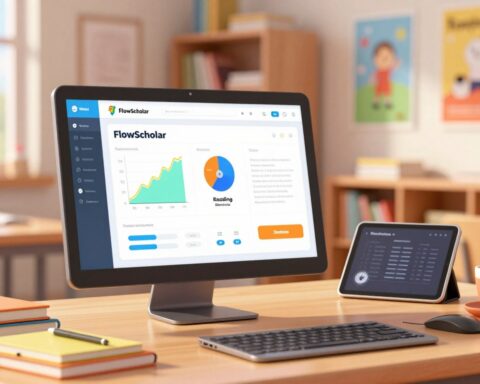
Monitoring trends highlights where learners advance and where they stall. Simple dashboards surface month-to-month shifts and reveal persistent gaps.
Growth Opportunities
Data-driven insights—such as those outlined by Sheila Rodriguez and Angela Estacion in the REL Northeast & Islands document—help educators target interventions.
Transparent reporting gives administrators year-round visibility into program impact and overall readiness. Using these signals, teachers refine instruction so students receive timely, focused support.
- Analyze trends: find recurring concept gaps.
- Inform instruction: allocate time to high-impact skills.
- Report clearly: foster a culture of continuous improvement.
| Metric | What It Shows | Action |
|---|---|---|
| Assessment Growth | Trajectory of scores over time | Adjust pacing and reteach weak concepts |
| Topic Mastery | Concept-level performance | Targeted small-group support |
| Engagement Rates | Participation and task completion | Introduce prompts and accountability |
Overcoming Procrastination Through Strategic Planning
Proactive scheduling turns large deadlines into a sequence of short, actionable steps. This approach reduces overwhelm and makes work predictable.
First, break projects into discrete tasks with clear outcomes. Assign each task a specific block of time and a finish condition. Short, time-bound segments build momentum and reward progress.
Next, prioritize the highest-impact tasks each week. When a student sees steady progress, the urge to delay naturally fades.
- Define the next small step for any assignment.
- Block focused sessions in the calendar—no multitasking.
- Review outcomes weekly and adjust durations.
| Action | How to Implement | Benefit |
|---|---|---|
| Task Breakdown | List subtasks with 20–60 minute estimates | Reduced anxiety; clearer entry points |
| Time Blocking | Reserve uninterrupted slots on the calendar | Higher focus; faster completion |
| Weekly Review | Spend 10 minutes assessing progress | Better planning; fewer surprises |
| Accountability | Share commitments with a peer or mentor | Improved follow-through and consistency |
Strategic planning is central to FlowScholar.com’s method: it helps learners stay organized and sustain focus. For a short, practical guide on overcoming procrastination, consult this resource to reinforce habits that last.
Aligning Study Habits with Learning Styles
Aligning daily habits with a learner’s preferred modes of processing information improves efficiency and retention. Small adjustments—like swapping a noisy hour for focused reading or pairing diagrams with brief notes—change how quickly concepts stick.
Every student has unique preferences. Visual, auditory, and kinesthetic approaches all work when matched to the task.
By understanding how they process information best, students can tailor their use of FlowScholar.com to maximize retention and comprehension. We recommend short experiments: try a new method for three sessions, then measure what improved.
Personalized learning approaches keep motivation high. When work feels relevant and manageable, engagement follows. That momentum helps sustain effort through the busiest weeks.
Practical tip: rotate techniques, track outcomes, and keep the most effective habits. Aligning habits with personal strengths is a hallmark of a successful student who takes control of their educational journey.
- Identify one preferred mode (visual, auditory, kinesthetic).
- Test one new routine for a week and note results.
- Keep methods that boost recall and cut what wastes time.
Utilizing Research-Backed Resources for Exam Preparation
Effective exam prep emphasizes understanding answer choices, not just getting the right one. Evidence shows that detailed explanations raise long-term retention and sharpen exam strategy.
AP Course Support
Teachers note practical benefits when questions are broken into types. Christy Gonzalez observes that this method helps learners spot patterns across prompts.
SAT Exam Strategies
Focus on explanations: Dr. Karen Zeske highlights that platforms which explain every option drive the most success for a student. Spend dedicated time reviewing wrong answers to master underlying concepts.
ACT Exam Strategies
Maureen Melanson, with 22 years of classroom experience, reports full-class preference for research-backed resources that model reasoning step by step.
- Research-backed resources are essential for efficient preparation and measurable results.
- Allocate regular blocks of time to review both correct and incorrect answers.
- Teachers recommend using explanations to convert errors into learning gains.
“Explanations of all answer choices are the best feature for student success.”
Bridging the Gap Between High School and Higher Education
Students gain confidence fastest when expectations are transparent and supports are timely.
Bridging the gap between school and higher learning requires clear milestones and steady feedback. FlowScholar.com acts as a practical link that helps a student trade structured routines for independent habits.
We focus on actionable preparation: short practice cycles, targeted skills work, and timely reflection. This approach sharpens readiness and lowers the surprise of the first semester.

Every student deserves a smooth transition. FlowScholar.com supports diverse learners by aligning in-school work with expectations that appear in college courses.
- Start early: build habits while still in school.
- Practice purposefully: focus on common first-year tasks.
- Reflect often: use feedback to adjust pacing and goals.
When planning begins before graduation, readiness grows. The result: students enter college better prepared, more resilient, and ready to succeed.
Empowering Educators to Support Student Outcomes
When educators access ready-made lessons and clear progress data, they gain time to coach with purpose.
FlowScholar.com supplies pre-built instructional content so teachers can focus on instruction, not paperwork. This reduces grading load and increases high-impact teaching moments.
Teachers use embedded analytics to track student progress across topics. Simple dashboards flag gaps early and guide targeted interventions.
- Pre-built lessons save prep time and keep classroom work aligned with school goals.
- Clear metrics help educators monitor readiness and adjust pacing quickly.
- Equitable resources ensure every student receives support, regardless of background.
“Effective supports free teachers to do what matters most: mentor, challenge, and inspire.”
We commit to backing teachers with tools that turn data into action. That is how classrooms move from busy to purposeful—and how students reach their next milestones.
Conclusion
A clear plan and consistent habits turn ambitious goals into measurable progress. Drawing on research and practical routines, FlowScholar.com helps learners build momentum through short, focused practice and timely feedback.
The path to lasting success rests on a mix of evidence-based resources, strategic planning, and daily effort. Students and educators gain tools that translate effort into skill and confidence.
Achieving readiness for higher study is a journey; the right support shortens it. Visit https://www.flowscholar.com to explore tailored programs and start the next step toward college with a clear plan and steady progress.
FAQ
What is FlowScholar.com for College Readiness and who is it for?
FlowScholar.com for College Readiness is a focused platform that helps high school students build academic habits, time management, and test strategies. It serves students, parents, and teachers seeking structured guidance and measurable progress toward postsecondary goals.
How does FlowScholar define readiness for higher education?
Readiness is a mix of academic skills, non-cognitive habits, and practical know-how—critical thinking, self-discipline, communication, and planning. FlowScholar evaluates these areas to create personalized growth plans that align classroom performance with future expectations.
What does the transition to higher education involve, and how can students prepare?
The transition involves academic rigour, independent learning, and greater time demands. Students prepare by strengthening study routines, building technical skills, and practicing exam strategies; FlowScholar offers targeted modules and coaching to ease this shift.
Which non-cognitive factors most influence student success?
Persistence, metacognition, motivation, and collaboration are key. These soft skills shape how students approach challenges. FlowScholar integrates exercises and reflective prompts to develop these competencies alongside content knowledge.
How does FlowScholar support academic growth using a study platform?
The platform combines diagnostic assessments, curated resources, and progress tracking. Students receive tailored activities, scaffolding for difficult topics, and analytics that guide teachers in adjusting instruction for better outcomes.
What strategies does FlowScholar recommend for time management and self-discipline?
It promotes block scheduling, prioritized task lists, and micro-goals. Students learn to break projects into manageable steps, set firm study windows, and use regular reviews to sustain momentum and reduce overwhelm.
How should students prioritize daily tasks to maximize learning?
Prioritize high-impact tasks first—assignments with deadlines, active review for upcoming tests, and weak-skill practice. FlowScholar’s planners help students rank tasks by urgency and value, creating a practical daily routine.
What technical competencies matter for modern learning?
Digital literacy, research methods, and fluency with collaboration tools matter most. FlowScholar offers modules on effective online research, productivity apps, and managing virtual group work to ensure students perform in tech-driven environments.
How does FlowScholar use data to track student progress?
The system captures assessment results, engagement metrics, and skill-growth trends. Educators and students access dashboards that highlight strengths, flag gaps, and recommend next steps based on evidence, not guesswork.
What performance trends can educators expect to see in the platform?
Common trends include steady gains in targeted skills, improved time-on-task, and higher practice-test scores when interventions are consistent. FlowScholar surfaces these patterns so teachers can replicate successful strategies.
How does FlowScholar identify growth opportunities for students?
By comparing baseline diagnostics with ongoing assessments, the platform pinpoints specific standards and habits needing attention. It then suggests focused lessons, practice sets, and habit drills to accelerate improvement.
What methods help students overcome procrastination?
Strategic planning—deadline mapping, micro-deadlines, and accountability check-ins—reduces procrastination. FlowScholar pairs scheduling tools with nudges and teacher checkpoints to promote consistent effort.
How can students align study habits with their learning styles?
Students benefit from mixing formats: visual summaries, active recall, and hands-on projects. FlowScholar recommends varied techniques based on learner profiles and provides adaptable resources to match individual preferences.
What research-backed resources does FlowScholar provide for exam preparation?
The platform curates evidence-based materials: spaced practice, retrieval exercises, and formative assessments. These resources are organized by subject and exam type to boost retention and performance.
How does FlowScholar support AP courses specifically?
For AP courses, FlowScholar aligns review modules with AP frameworks, offers targeted practice questions, and provides pacing guides to ensure comprehensive coverage before exams.
What strategies for the SAT does the platform teach?
The platform focuses on question-type mastery, timing strategies, and diagnostic-driven practice. Students receive targeted drills for reading, math, and writing to close gaps efficiently.
How does FlowScholar address ACT preparation?
ACT prep includes content reviews, pacing exercises, and full-length practice tests. The system identifies section-specific weaknesses and prescribes focused practice to improve composite scores.
In what ways does FlowScholar bridge the gap between high school and higher education?
It builds transferable skills—autonomous learning, research competence, and academic planning—while aligning coursework with postsecondary expectations. This dual focus helps students enter college with confidence and clear strategies.
How does FlowScholar empower educators to improve student outcomes?
Educators gain access to diagnostic data, intervention templates, and classroom-ready materials. The platform supports differentiated instruction, progress monitoring, and professional development to amplify impact.