
“In the middle of difficulty lies opportunity.” This insight from Albert Einstein resonates deeply with the modern educational landscape. For families navigating the waters of home education, the challenge of creating effective instructional frameworks often feels immense.
The freedom to customize learning comes with a significant responsibility: the weight of endless planning decisions. This can quickly lead to decision fatigue, especially during already stressful periods. Many parents find themselves in a paradox—wanting structure but fearing the rigidity that can sap joy from the learning process.
Research and experience show that having no roadmap at all creates a spiral effect. It compounds stress, making every day feel more challenging. The key distinction lies not in whether to plan, but in how to plan. Effective homeschool frameworks provide structure without suffocation. They offer direction while leaving room for spontaneity.
This guide explores proven strategies for building educational frameworks that work with family rhythms. The approach emphasizes simplification without sacrificing quality. It focuses on core essentials to prevent overwhelm and preserve the transformative experience of learning at home.
Key Takeaways
- Customizable education requires thoughtful planning to avoid decision fatigue.
- A complete lack of structure often increases stress and creates directionlessness.
- The goal is to create flexible frameworks, not rigid, suffocating schedules.
- Effective plans act as a lifeline, providing consistency during chaotic times.
- Balancing structure with flexibility transforms planning from a burden into an empowering tool.
- Simplification is key to maintaining quality without leading to exhaustion.
Understanding the Importance of Simplified Homeschool Lesson Plans
During seasons of challenge, the predictable pattern of learning at home becomes a sanctuary of normalcy. When external pressures mount, having an educational framework in place prevents decision fatigue from overwhelming daily life.
This approach transforms potential stress into structured opportunity. It creates space for meaningful connection rather than constant negotiation.
The Role of Routine in Homeschooling
A consistent daily rhythm provides psychological safety for children and parents alike. Familiar patterns reduce anxiety by creating predictable touchpoints throughout the day.
Routine establishes more than academic structure—it builds relationship reinforcement through repeated interactions. Small, consistent wins accumulate into significant educational progress over time.
Why Less Can Be More During Challenging Times
Cognitive load theory supports simplifying educational approaches during high-stress periods. The brain has limited capacity for new decisions when managing difficult circumstances.
Strategic simplification focuses energy on high-impact activities that deliver quality learning outcomes. As one experienced educator notes:
“The most productive teaching periods often involved the simplest frameworks. Clarity and consistency consistently outperform complexity.”
This philosophy protects families from perfectionism traps that lead to burnout. Sustainable progress beats sporadic intensity every time.
| Complex Planning Approach | Simplified Planning Approach | Impact on Family Dynamics |
|---|---|---|
| Multiple daily subject changes | Focused core activities | Reduced transition stress |
| Rigid time allocations | Flexible learning blocks | Adapts to daily energy levels |
| Comprehensive coverage goals | Strategic priority focus | Preserves emotional bandwidth |
Families exploring effective homeschool planning discover that bite-sized approaches work best during demanding seasons. This method maintains educational quality while respecting current capacity.
How to Build Homeschool Lesson Plans That Don’t Overwhelm
Transforming planning from burden to benefit requires clear distinction between essential and optional activities. This foundational shift empowers families to focus energy where it matters most.
Identifying Your Essential Daily Musts
The foundation of sustainable educational frameworks begins with radical clarity. Families should identify one or two non-negotiable activities that create momentum.
For many, completing a single math session provides significant psychological benefit. This focused approach builds confidence through consistent achievement rather than eroding morale.
Eliminating Overload: Keeping It Simple
Reading aloud emerges as a powerful efficiency multiplier. This single activity can cover history, science, literature, and character development simultaneously.
The strategic selection process involves courage to prioritize great essentials over good opportunities. Reduced curricular complexity creates space for genuine understanding.
| Complex Approach | Simplified Method | Family Impact |
|---|---|---|
| Multiple daily subject changes | Focused core priorities | Reduced decision fatigue |
| Comprehensive coverage goals | Strategic depth selection | Preserved emotional energy |
| Rigid time allocations | Flexible learning blocks | Adaptable daily rhythm |
This methodology maintains educational quality while respecting family capacity. The “less but better” philosophy enables deeper engagement with core material.
Defining Your Family’s Homeschooling Basics
Successful educational frameworks emerge when families define their own non-negotiable essentials rather than adopting generic templates. This personalized approach creates sustainable learning environments that respect individual circumstances and developmental needs.
Selecting Core Subjects and Daily Priorities
Mathematics typically requires daily practice for optimal retention and skill development. Language arts also benefits from consistent engagement to build foundational literacy skills. These core subjects form the backbone of most educational goals.
Understanding each child‘s learning style informs subject prioritization. Forced advanced content wastes time, while delayed foundational work creates future challenges. The family situation legitimately shapes what constitutes “basic” during different periods.
Exploring various homeschool methods helps families identify approaches that align with their educational philosophy. This prevents the comparison trap that derails many home education journeys.
| Subject Category | Recommended Frequency | Strategic Rationale |
|---|---|---|
| Core Fundamentals (Math, Language Arts) | Daily Practice | Cumulative skill building requires consistency |
| Supplementary Subjects (Science, History) | 3 Times Weekly | Balances coverage with flexibility |
| Electives (Art, Music, Foreign Language) | 2 Times Weekly | Preserves enthusiasm while maintaining exposure |
| Life Skills (Home Economics) | Weekly Integration | Practical application reinforces learning |
Modern AI-powered educational tools can streamline subject scheduling while maintaining personalized attention. This technological support helps families maintain consistency in their homeschool approach without overwhelming daily planning.
Strategies for Creating Manageable Weekly Lesson Plans
Strategic weekly organization serves as a navigational tool through unpredictable educational landscapes. This approach eliminates the daily burden of decision-making while preserving adaptability for unexpected circumstances.
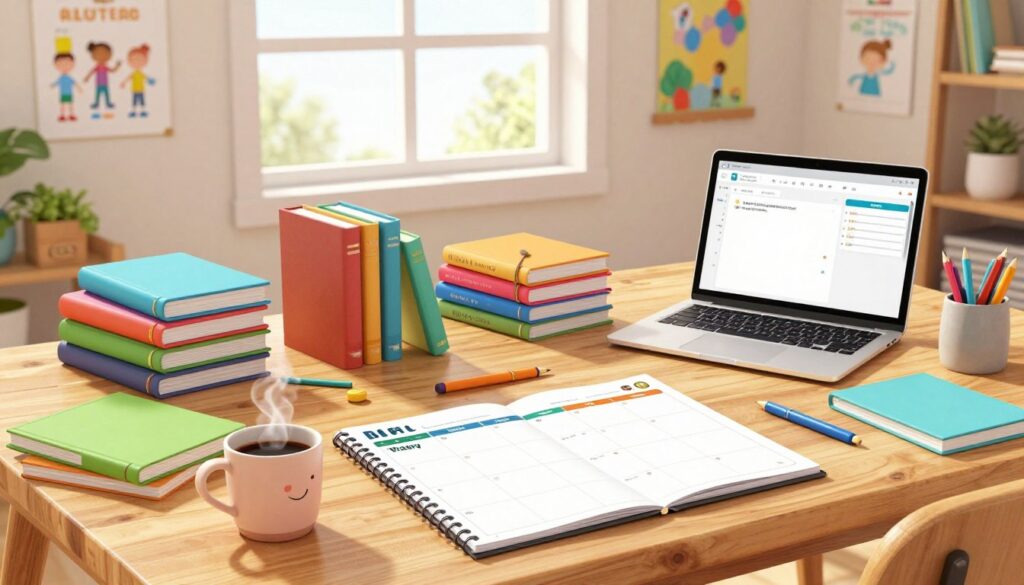
Breaking Down the Week: Daily vs. Weekly Views
The weekly perspective provides the “forest” view—overall objectives and priorities. Daily views then break this into manageable “tree” level actions. This dual perspective prevents overwhelm through layered clarity.
Effective planning involves mapping the coming week during preparation sessions. Many families find Sunday or Friday ideal for this schedule setup. Starting Monday with a clear roadmap builds confidence.
Planning with Flexibility to Adapt to Changing Needs
Built-in flexibility mechanisms acknowledge that education rarely follows exact outlines. Designated flex days or movable activities accommodate necessary adjustments without guilt.
Time-blocking establishes realistic expectations about activity duration. This reduces frustration from perpetually unfinished lesson plans. The planner should serve as a guide, not a rigid taskmaster.
Successful homeschool planning balances weekly structure with year-long scope awareness. This prevents the common pitfall of comfortable pacing that leaves curriculum incomplete.
Incorporating Multiple Subjects Effectively
The art of integration transforms single activities into multifaceted learning opportunities. This approach represents one of home education’s most powerful efficiency strategies.
Combining Reading Aloud with Core Subjects
Strategic read-aloud sessions allow one activity to address literature, history, science, and vocabulary simultaneously. The Morning Meeting approach—gathering children with carefully selected books—delivers comprehensive content exposure.
Families can handle an hour of shared reading daily. This practice covers multiple subjects across different grade levels. Choosing the right book collection creates rich, integrated lesson experiences.
Integrating Fun Activities as Learning Opportunities
Shifting perspective transforms enjoyable activities into legitimate educational moments. Games develop strategic thinking and social skills while feeling like play.
Documentaries, art projects, and nature exploration often produce deeper engagement than traditional methods. Pairing books with film adaptations creates comparative analysis opportunities. These approaches lighten the emotional load while expanding what counts as progress.
Recognizing educational value in what kids already enjoy transforms the dynamic from work to learning through living. This integration makes the homeschool experience more sustainable and joyful.
Utilizing Flowscholar’s Education AI Tool for Streamlined Planning
Artificial intelligence applications are transforming traditional planning methods into automated, intelligent systems. Flowscholar’s Education AI Tool at https://www.flowscholar.com represents this technological evolution, specifically designed to address common home education challenges.
Key Features of the AI Tool
The platform’s intelligent planner analyzes learning objectives to create logical progressions. It automatically sequences lessons while ensuring comprehensive coverage without overwhelming daily loads.
Real-time adaptation capabilities allow the system to adjust plans based on progress tracking. This maintains momentum even during unexpected interruptions.
| Traditional Planning | Flowscholar AI Approach | Impact on Efficiency |
|---|---|---|
| Manual research and compilation | Automated curriculum mapping | Saves hours of preparation time |
| Static paper-based systems | Dynamic digital updates | Instant adjustments across devices |
| Separate records per child | Integrated multi-student tracking | Simplifies differentiation |
How the Tool Saves Time and Reduces Stress
Significant time savings emerge from eliminating manual organization tasks. What traditionally required hours now happens in minutes through intelligent automation.
The tool reduces decision fatigue by providing clear, organized resources. This cognitive offloading frees mental space for actual teaching and relationship building.
Integration capabilities allow families to incorporate existing curriculum resources. The digital format offers searchable archives and secure backups that paper systems cannot match.
We see how smart technology transforms homeschool planning from a burden into an empowering experience. The right planner makes all the difference in sustainable educational success.
Tips for Preventing Homeschool Planning Burnout
Burnout prevention begins with recognizing that sustainable educational frameworks require regular maintenance, not just initial construction. Proactive approaches keep the homeschool experience vibrant throughout the academic year.
Recognizing Signs of Overwhelm
The mom who feels persistent exhaustion despite adequate rest may need intervention. Irritability during teaching moments and avoidance of planning tasks signal system strain.
When opening the lesson planner creates dread, the current approach needs recalibration. Successful educators recognize adaptation demonstrates wisdom, not failure.
Simple Strategies to Reboot Your Planning Routine
Temporary minimalist plans covering only essentials provide breathing room. Establishing achievable goals rebuilds confidence through completion.
Self-care transitions from luxury to necessity for the homeschooling mom. Community connection offers perspective during challenging periods.
Regular planning audits prevent minor frustrations from accumulating. These strategies create sustainable systems that work long-term.
| Burnout Warning Signs | Prevention Strategies | Expected Outcomes |
|---|---|---|
| Persistent exhaustion | Scheduled self-care breaks | Renewed energy for teaching |
| Avoidance of planning tasks | Quarterly system audits | Proactive problem solving |
| Irritability during lessons | Community support networks | Shared burden and perspective |
| Dread about upcoming weeks | Flexible goal adjustment | Reduced performance pressure |
Implementing a comprehensive burnout prevention plan transforms potential crisis into manageable challenge. These tips ensure the homeschool journey remains rewarding across the entire year.
Adapting Lesson Plans to Fit Your Homeschool Schedule
Adaptability stands as the cornerstone of successful home learning experiences, allowing for real-time optimization. When educational approaches feel strained, strategic refinement often yields better results than stubborn persistence.
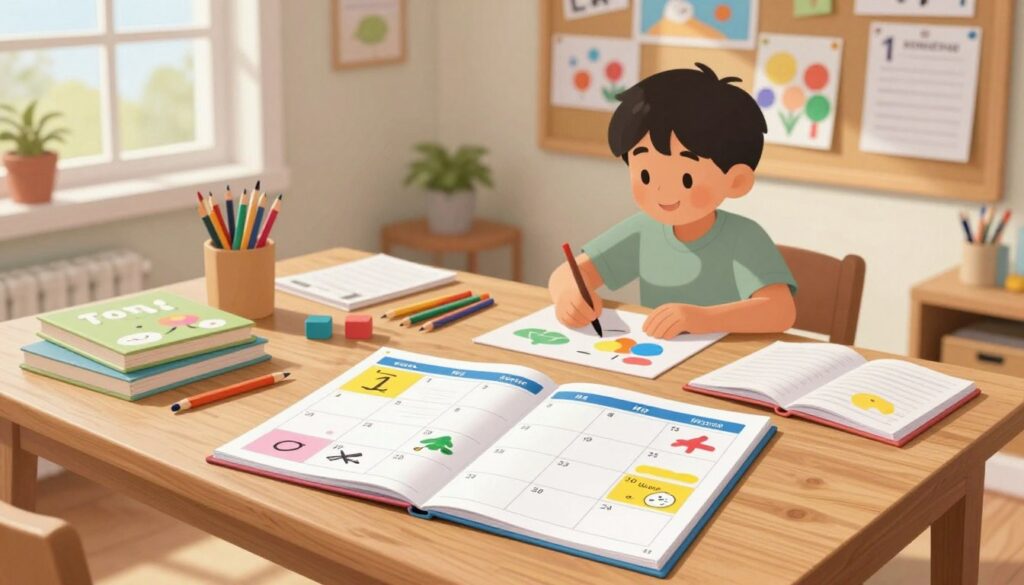
Effective educators recognize that initial plans serve as starting points rather than fixed destinations. The flexibility to modify approaches represents one of home education’s greatest advantages.
Adjusting Plans on a Daily and Monthly Basis
Daily modifications address immediate needs—extending engaging activities or pausing when focus wanes. These micro-adjustments maintain momentum while respecting natural energy cycles.
Monthly reviews provide broader perspective, revealing patterns invisible day-to-day. Perhaps mathematics consistently requires more time than allocated, or science generates exceptional engagement worth expanding.
“The wisest educators understand that plans exist to serve learning, not the other way around. Adaptation demonstrates responsiveness, not failure.”
Curriculum pacing requires honest assessment—is material moving too slowly causing boredom, or too quickly creating knowledge gaps? Schedule density evaluation ensures adequate space for contemplation amid academic activities.
| Timeframe | Adjustment Focus | Strategic Benefit |
|---|---|---|
| Daily | Energy-based activity sequencing | Maintains engagement and reduces resistance |
| Weekly | Subject balance and integration | Prevents burnout through variety |
| Monthly | Pacing and comprehension patterns | Identifies systemic improvements |
| Seasonal | Schedule intensity and focus areas | Aligns with natural family rhythms |
Seasonal adaptation acknowledges that summer schedules differ from winter, and busy periods may require simplified approaches. This ongoing refinement process ensures educational frameworks remain effective throughout the year.
Balancing Structure with Flexibility in Homeschooling
Effective home learning environments thrive on a carefully calibrated blend of established rhythms and spontaneous opportunities. This equilibrium transforms potential tension into productive synergy.
The structure-flexibility paradox challenges educators to maintain security through consistency while preserving responsiveness to real-life demands. Each family discovers their unique balance point through experience.
Finding the Right Mix of Routine and Spontaneity
Routine provides the scaffolding that makes meaningful flexibility possible. When core patterns feel secure, deviations become enriching adaptations rather than chaotic disruptions.
Modeling gracious adaptability teaches children invaluable life skills. Unexpected changes become laboratories for character development—opportunities to practice patience and problem-solving.
Many families benefit from exploring strategic approaches to educational balance. The optimal mix evolves across different seasons of the homeschool journey.
| Structured Approach | Flexible Approach | Family Impact |
|---|---|---|
| Fixed daily schedule | Adaptable time blocks | Reduces decision fatigue |
| Predetermined lesson sequence | Responsive activity selection | Honors current energy levels |
| Rigid completion requirements | Outcome-focused adjustments | Preserves learning joy |
| Standardized assessment timing | Mastery-based progression | Builds authentic confidence |
Regular balance assessments help families determine whether their current structure feels supportive or constraining. This ongoing refinement process ensures the educational way forward remains sustainable.
Conclusion
Educational frameworks that withstand the test of time share one common trait: they serve the family rather than dictate to it. The strategies explored here—simplified approaches, subject integration, and balanced flexibility—create sustainable rhythms for your homeschool journey.
Remember that challenging seasons demand adaptation, not abandonment. Your homeschooling experience unfolds across years, with each phase bringing new opportunities for growth. The right lesson plans support your educational goals while respecting family needs.
Flowscholar’s AI tool transforms overwhelming possibilities into manageable realities. This intelligent system streamlines your homeschool planning process, freeing mental space for what matters most.
Take that next step today at https://www.flowscholar.com. Discover how technology can support your vision for meaningful home education.
FAQ
How can I simplify my homeschool planning process?
Focus on identifying your family’s core priorities—typically math and language arts—and build a basic daily routine around them. Using a weekly planner view instead of a rigid daily schedule allows for more flexibility. Tools like Flowscholar’s AI can automate resource gathering and scheduling, saving significant time.
What are the signs that my lesson plans are too overwhelming?
Common indicators include consistently unfinished work, frustration from your child, and feeling stressed about keeping up with the schedule. If your school day regularly runs long or you find yourself skipping planned activities, it’s a signal to simplify your approach and reduce the workload.
How do I incorporate multiple subjects without creating a packed schedule?
Look for natural integration points. Combine reading aloud with history or science. Turn real-life activities, like cooking or errands, into practical math or life skills lessons. This method covers subjects efficiently without needing separate blocks of time for each one.
What is the best way to create a flexible homeschool schedule?
Start with a loose weekly plan that outlines key goals rather than a minute-by-minute timetable. Designate certain days for specific subjects or projects, and build in “buffer” days to catch up or explore interests. This structure provides guidance while allowing adaptation to your family’s changing needs.
How can technology, like an AI planner, assist with homeschool organization?
Education AI tools, such as Flowscholar, can quickly generate customized activity ideas, find relevant resources, and help draft a balanced weekly schedule. This reduces the manual research and planning time, allowing you to focus more on teaching and less on administrative tasks.
What should I do if I experience homeschool planning burnout?
First, take a short break to reset. Then, re-evaluate your priorities and strip your plans back to the essentials. Consider using a pre-designed curriculum or a digital planner to offload some decision-making. Remember that a sustainable routine is more effective than a perfect, unsustainable one.