
“The greatest gifts you can give your children are the roots of responsibility and the wings of independence.” – Denis Waitley. This powerful sentiment strikes at the heart of the nightly struggle many families face. Across the country, the kitchen table becomes a battleground over schoolwork.
Exhausted moms and dads find themselves transformed from supportive caregivers into enforcement officers. They constantly remind, negotiate, and threaten just to get assignments completed. This dynamic, as detailed in resources like this parent’s guide, creates more problems than it solves, leaving everyone miserable.
This year, however, can be different. The solution isn’t about working harder; it’s about working smarter with the right systems. Modern tools, including Education AI platforms like FlowScholar, offer comprehensive tracking and management solutions. The goal is to shift from being the “Homework Police” to a supportive mentor.
We can build frameworks that teach kids crucial executive function skills. This approach gradually transfers ownership to students, fostering accountability. It’s a path that leads not only to academic success but also to restored family harmony.
Key Takeaways
- The nightly homework battle is a common and exhausting experience for many families.
- Acting as a constant enforcer creates dependency and frustration for both parents and students.
- The solution involves implementing strategic systems, not increasing parental pressure.
- Technology, such as AI homework managers, can provide crucial support for tracking assignments.
- The ultimate goal is to teach children responsibility and gradually transfer ownership of their work.
- This shift leads to improved academic outcomes and a more peaceful home environment.
Understanding the Homework Battle at Home
Homework struggles have become a defining ritual in modern households, consuming hours of family time each evening. Parents spend approximately 6-8 hours daily managing school responsibilities. This transforms homes into extensions of the classroom.
The daily cycle creates significant stress. Parents ask repeatedly about assignments. They monitor progress obsessively. Frustration mounts as deadlines approach.
This pattern impacts everyone psychologically. Kids feel micromanaged. Students experience mounting anxiety about their work. The constant power struggles erode trust between family members.
These conflicts reflect broader issues around independence. Adolescents need ownership of their academic responsibilities. The battles represent fundamental challenges during the transition from childhood dependence.
Solving the homework problem requires addressing systemic patterns. It’s not about better compliance with daily assignments. Families need frameworks that build organizational skills, as explored in this homework support guide.
Identifying the Impact of Missing Assignments on Students
The academic landscape reveals a common paradox where capable learners demonstrate knowledge in class but fail to translate it into completed assignments. This distinction is critical for diagnosis. When grades suffer specifically from incomplete work rather than poor test performance, the issue lies in organizational systems.
Missing schoolwork creates a cascading effect that becomes increasingly difficult to reverse. Lower grades lead to decreased motivation, which in turn generates more incomplete tasks. This downward spiral masks true capability.
Psychologically, students experience frustration and diminishing self-confidence when they know they’re capable but watch their performance suffer. The emotional toll compounds the academic consequences.
| Issue Type | Key Indicators | Recommended Approach |
|---|---|---|
| Content Mastery Challenges | Struggles with test performance, difficulty understanding concepts, consistent errors across all work | Academic support, tutoring, concept reinforcement |
| Organizational System Issues | Strong test scores with missing homework, understanding material but failing to submit work, time management difficulties | Executive function training, organizational tools, routine development |
Understanding this diagnostic distinction helps families recognize that addressing incomplete work isn’t about punishment. It requires identifying root causes and implementing appropriate systemic solutions that build essential organizational skills.
Recognizing the Consequences of Overparenting
Modern neuroscience reveals a troubling paradox in academic development—the more parents manage their children’s schoolwork, the less capable students become of managing it themselves. Research consistently shows that helicopter parenting reduces student self-efficacy compared to supportive but hands-off approaches.
The “external brain” phenomenon occurs when adults constantly monitor homework, remind kids about deadlines, and manage every assignment. This prevents young brains from developing crucial self-regulation skills. The prefrontal cortex, which handles planning and organization, remains underdeveloped when parents perform these executive functions.
Overparenting manifests through constant reminders, detailed management, and solving problems before students attempt solutions. This creates an illusion of control that serves neither party effectively.
Short-term consequences include completed assignments but no skill development. Long-term outcomes see college students arriving without essential self-management capabilities. The dependency created during formative years becomes a significant liability.
This evidence-based analysis demonstrates that stepping back isn’t neglect—it’s the essential pathway to developing competent, confident young adults. Strategic support builds the independence necessary for lasting academic success.
A Parent Guide to Fixing Missing Assignments Fast
The path to resolving missing schoolwork lies not in increased supervision but in systematic skill development. We build lasting solutions through frameworks that transfer responsibility gradually.
This approach focuses on executive function capabilities rather than temporary compliance. The strategic plan empowers young learners to develop internal management systems.
Education AI tools provide structured support for implementing these methods. They offer tracking systems that help students visualize their progress without constant parental intervention.
The multi-step methodology requires patience but delivers transformative results. Families move from conflict to collaboration as children gain confidence in managing their own work.
This systematic homework support approach works regardless of past struggles. The solution emerges through consistent implementation of proven strategies over time.
Our ultimate goal remains clear: students who independently manage their academic responsibilities. This foundation supports not just current assignments but future success in all areas of life.
Understanding the Dependency Paradox
Neuroscience and educational psychology converge on a surprising finding: excessive academic assistance prevents the brain development necessary for independence. This dependency paradox occurs when increased parental oversight actually reduces student capability.
How Excessive Help Stunts Student Independence
Constant monitoring disrupts crucial neural development in the prefrontal cortex. This brain region handles executive functions like planning and organization. These skills only develop through repeated practice that excessive help denies.
Recent research demonstrates that helicopter parenting reduces self-efficacy dramatically. Students develop learned helplessness when adults manage every detail of their work. The 2025 “Homework Wars” study confirms this pattern creates emotional strain.
Why Being the Homework Police Backfires
Teens already spend 6-8 hours daily following directions at school. Additional oversight at home creates inevitable conflict that extends beyond academic concerns. This dynamic damages parent-child relationships fundamentally.
The 2023 Student Voice survey revealed that 40% of students would manage their time better with proper tools. This indicates many arrive at college without essential organizational habits.
Stepping back isn’t abandonment—it’s the necessary condition for executive function development. Excessive support literally prevents the brain architecture required for independence from forming properly. This scientific foundation explains why transferring control benefits young learners.
Building a Homework Command Center
Creating an autonomous learning environment requires both spatial design and technological infrastructure working in harmony. This command center becomes the student’s personal organizational system, running independently until the process becomes automatic.
Physical Organization: Creating a Study Space
The physical setup establishes psychological cues for focused work. A dedicated station with proper lighting and ergonomic seating signals “this is where serious learning happens.” All necessary supplies should remain within arm’s reach.

Visual planning tools like calendars showing test dates create immediate awareness. A “Done” basket for completed work reinforces the completion cycle. These environmental systems prompt organization without constant reminders.
Digital Tools for Assignment Tracking
Digital resources create transparency while maintaining student ownership. Platforms like Google Calendar shared with parents provide awareness without control. Task management apps help students track their assignments effectively.
Comprehensive solutions like FlowScholar offer integrated tracking capabilities within a command center approach. These tools help young learners develop essential organizational skills while managing their time efficiently.
The command center belongs to the student—parents establish the system initially, but kids run it independently. This practical framework transforms abstract independence concepts into tangible room arrangements and technological implementations.
Establishing Effective Study Routines
The most sustainable academic improvements emerge from systems that run themselves through established environmental cues. These patterns create neurological pathways that make productive behaviors automatic rather than effortful.
Consistent routines transform willpower-dependent tasks into habitual actions. Young learners develop internal clocks that prepare them mentally for focused work without constant negotiation.
Setting Consistent Homework Schedules
Creating “sacred study hours” at predictable times builds momentum through regularity. Students benefit from starting their work at the same time every day with consistent duration.
This approach distinguishes between rigid schedules and helpful rhythms. The latter builds habits without triggering adolescent pushback against perceived control.
Minimizing Distractions at Home
Effective study environments eliminate interruptions through strategic design. This includes quiet, well-lit spaces with necessary supplies readily available.
Implementing no-TV and phone-free policies during homework time supports sustained concentration. Teaching kids to divide larger assignments into smaller sub-tasks builds essential project management capabilities.
These foundational habits reduce decision fatigue and create mental space for actual learning. The routine establishment becomes the bedrock upon which all other independence strategies build successfully.
Starting the Reset Conversation with Your Teen
Transitioning from homework enforcer to supportive mentor begins with a carefully framed discussion about changing roles. This initial conversation sets the foundation for everything that follows. How families approach this dialogue determines whether students embrace independence or resist change.
The reset talk should start with acknowledgment rather than demands. Effective communication helps teens understand that parents are changing the dynamic because they believe in their capability. This approach transforms what could feel like abandonment into a vote of confidence.
Setting a Collaborative Tone
Begin with genuine curiosity about your student’s perspective. Instead of announcing new rules, pose open-ended questions. This creates buy-in rather than resistance. The tone matters as much as the content when establishing new expectations.
Consider this effective script: “I’ve been thinking about how we handle homework, and I realize I’ve been doing too much managing. I want to stop nagging and start supporting you in a way that helps you succeed independently. What would that look like for you?”
This strategic approach acknowledges adolescent autonomy while establishing clearer boundaries. It positions the change as an opportunity rather than punishment. Young people respond better when they feel respected as capable partners in their academic journey.
The ultimate goal transforms a potential confrontation into collaborative problem-solving. Families can reframe the entire homework dynamic through respectful conversation that emphasizes capability over control.
Implementing Time Systems Over Time Policing
Time management ceases to be a source of conflict when environmental systems replace parental reminders as the primary organizational tool. This approach transforms abstract concepts into tangible structures that support young learners.
The fundamental shift involves creating predictable frameworks rather than constant supervision. Students benefit from knowing when their work happens, while maintaining control over how they approach each task.
Techniques for Effective Time Block Scheduling
Time-blocking methodology adapts professional productivity strategies for academic success. Establishing a sacred study hour at the same time every day creates neurological patterns that make focused work automatic.
This systematic plan includes built-in buffer periods to prevent deadline panic. Fifteen-minute cushions accommodate unexpected challenges while teaching realistic time estimation.
Visual tools like time timers make abstract concepts concrete for students. These external representations help kids manage their time without constant parental intervention.
The system transfers responsibility from nagging to environmental cues. Weekly planning sessions replace daily micromanagement, building essential organizational skills that serve students beyond their academic years.
Gradual Transfer of Homework Ownership
Effective homework ownership transfer operates on the scaffolding principle—providing temporary support that diminishes as student capability grows. This systematic approach prevents the common pitfalls of either abandoning kids too quickly or maintaining excessive control.
The methodology progresses through four distinct phases, each building upon the previous step. This structure allows young learners to develop confidence while parents maintain appropriate oversight.
Step-by-Step Methods to Foster Independence
Phase One involves collaborative planning. Adults sit with students during weekly scheduling, modeling organizational techniques. They help troubleshoot system issues and demonstrate how to communicate with teachers.
In Phase Two, kids take the lead while parents observe. The student manages their work independently, with adults offering suggestions only when asked. Intervention occurs only if major deadlines approach.
Phase Three shifts to weekly check-ins. Brief 15-minute meetings focus on what’s working well rather than problems. This step celebrates independence milestones and identifies areas for continued growth.
The final phase establishes full ownership with safety nets. Students completely manage their homework while knowing support remains available. Quarterly system reviews ensure the approach adapts as needs change.
| Phase | Student Role | Parent Role | Advancement Criteria |
|---|---|---|---|
| Collaborative Planning | Participates in weekly scheduling | Models organizational techniques | Consistently completes planned work |
| Independent Execution | Manages own schedule | Observes and provides feedback | Meets deadlines without reminders |
| Weekly Check-ins | Self-monitors progress | Focuses on successes | Demonstrates consistent time management |
| Full Ownership | Completely autonomous | Available for consultation | Maintains grades at expected level |
This phased approach addresses the fear that stepping back will cause grades to plummet. The gradual transfer allows for learning from natural consequences while preventing academic failure. Each step builds essential skills that serve students beyond their school years.
Developing Essential Organizational Skills
The journey toward academic independence looks different for every student, with ADHD learners requiring specialized frameworks that honor their unique cognitive patterns. Organizational skill development isn’t one-size-fits-all—what works for neurotypical young people may create frustration for those with executive function challenges.
Addressing Unique Needs in ADHD Students
Executive function development often lags 2-3 years behind neurotypical peers for these students. Their brains benefit from modified milestones and extended timelines for achieving independence.
Effective approaches include keeping external timers and alerts necessary longer. Visual organization systems replace internal mental tracking that proves challenging. Regular system “tune-ups” every 4-6 weeks maintain effectiveness.
Building systems that work with the ADHD brain means capitalizing on hyperfocus periods during intense interest. Movement breaks become integrated into study routines rather than viewed as distractions. Multiple capture methods—voice memos, photos, apps—accommodate individual preferences.
Needing different support or extended timelines doesn’t represent failure. It’s appropriate accommodation for neurological differences, similar to how vision challenges require glasses. This inclusive framework ensures parents adapt methodology to match their child’s specific developmental trajectory.
Leveraging Practical Digital Tools and Apps
Technology offers a powerful alternative to constant reminders, creating systems that build independence rather than dependence. The right digital resources transform abstract organizational concepts into tangible support structures.
These tools provide external scaffolding while young learners develop internal management capabilities. They shift responsibility from parental oversight to student empowerment effectively.
Utilizing Calendars, Timers, and Task Managers
Shared digital calendars create transparency without control. Family Google Calendar shows major deadlines while students maintain detailed task lists.
This approach allows parents to see the big picture without micromanaging daily work. Phone alerts replace parental deadline reminders completely.
Task managers like Todoist sync across devices, helping kids track assignments independently. Timer apps manage focused study sessions without adult monitoring.
Exploring App Recommendations for Parents and Students
Comprehensive platforms like FlowScholar integrate assignment tracking, deadline management, and study planning. This Education AI tool is designed specifically for student success.
Focus apps like Forest reward concentrated work time rather than punishing screen use. Students learn to self-regulate their phone usage during study hours.
Learning resources such as Khan Academy provide immediate help when young people feel stuck. These tools build problem-solving skills instead of creating dependency.
The distinction between surveillance technology and empowerment tools is crucial. The right apps give students control over their time and work while providing appropriate support.
Empowering Communication Strategies Between Parents and Teens
Communication patterns during homework discussions often determine whether students feel supported or controlled in their academic journey. The right strategies transform daily interactions from interrogations into collaborative problem-solving sessions.
Using Supportive Language and Open-Ended Questions
Empowering questions invite young people into the planning process. Instead of “Did you do your math homework?”, try “What’s your plan for tackling that project?” This subtle shift builds ownership.
Open-ended questions encourage critical thinking. They help students develop their own solutions rather than seeking parental approval. This approach aligns with effective communication techniques that respect adolescent autonomy.
| Empowering Questions | Interrogating Questions | Impact on Students |
|---|---|---|
| “How can I support you this week?” | “Why didn’t you start earlier?” | Builds partnership vs. creates defensiveness |
| “What did you learn about your study habits?” | “You need to be more responsible.” | Encourages self-reflection vs. imposes judgment |
| “What’s one thing we could adjust?” | “When will this finally be done?” | Focuses on solutions vs. emphasizes pressure |
Weekly planning meetings replace daily nagging. Fifteen-minute Sunday sessions let kids lead the conversation. Parents offer resources rather than directives.
Practical scripts help navigate common scenarios. When students struggle: “That sounds frustrating. What would help you move forward?” When grades drop: “Let’s look at the data together. What patterns do you notice?” These communication strategies maintain standards while building independence.
Coordinating Efforts Between Educators and Parents
The most effective homework systems occur when teachers and parents coordinate their efforts through shared digital platforms. This alignment creates a consistent framework that supports student independence while reducing confusion.
Benefits of Integrated School and Home Systems
Learning management systems like Schoology and Google Classroom provide clear visibility for everyone involved. Students see assignment details and due dates, while teachers can track submission status efficiently.
Parent portals give caregivers access to the same information without constant email exchanges. Automated reminders alert families when work becomes overdue, preventing last-minute crises.
This integrated approach reduces the time teachers spend chasing missing assignments. It also eliminates the “he said/she said” confusion about what’s actually due each week.
Effective communication between educators and families focuses on system building rather than individual enforcement. When school and home expectations align, students develop consistent organizational habits.
The collaborative framework positions teachers as essential partners in fostering independence. Classroom systems complement home strategies, creating a unified support structure for academic success.
Integrating Education AI Tools for Better Homework Management
Forward-thinking families are discovering that artificial intelligence can transform homework struggles into learning opportunities. Education AI represents the next evolution in academic support systems.
How FlowScholar Enhances Homework and Assignment Tracking
FlowScholar provides comprehensive assignment tracking that helps students manage their work independently. The platform integrates deadline management with AI-powered study assistance.
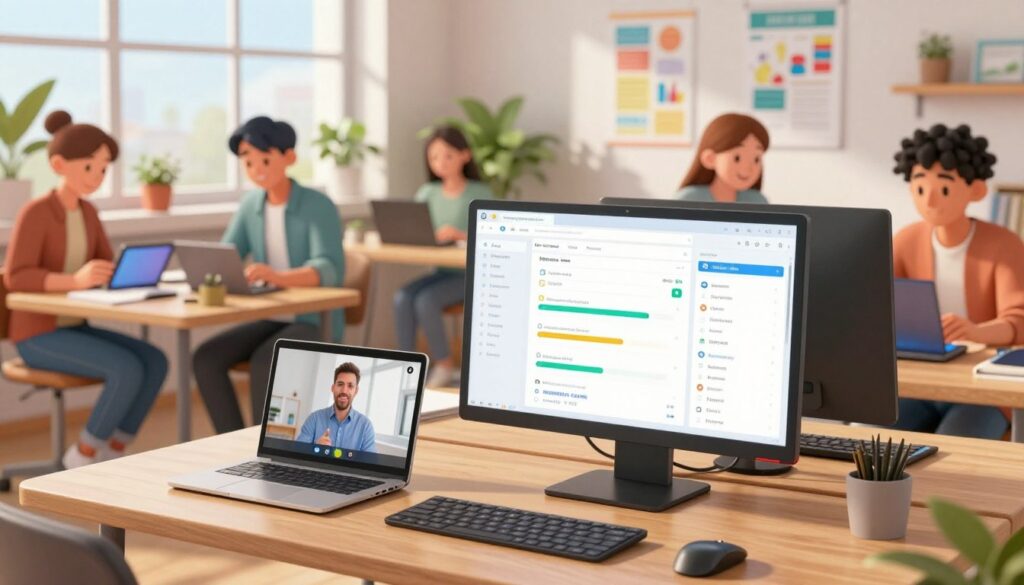
This intelligent system adapts to individual learning patterns. It offers personalized support while maintaining the independence-building principles essential for long-term success.
| Traditional Approach | FlowScholar AI Solution | Student Impact |
|---|---|---|
| Manual assignment tracking | Automated deadline management | Reduces stress and missed work |
| Generic study methods | Personalized learning content | Improves understanding and retention |
| Parent-led reminders | Student-owned system | Builds executive function skills |
| Separate tools for different tasks | Integrated platform | Saves time and simplifies workflow |
Teachers appreciate how FlowScholar creates transparency without requiring constant communication. Kids develop better time management skills through the platform’s intuitive interface.
The system provides valuable resources that help students approach their work in a more effective way. It represents a smart way to leverage technology for academic growth.
FlowScholar maintains appropriate boundaries around student ownership. This ensures young people develop responsibility while receiving the support they need.
Bringing It All Together for Academic Success
The true power of this approach emerges when multiple systems work in concert, creating a supportive ecosystem for student development. Physical organization spaces, communication strategies, and Education AI tools like FlowScholar create synergistic effects greater than any single intervention.
Families typically see significant improvement within 3-4 weeks of consistent implementation. Initial resistance during week one is normal as teens adjust to new expectations. A temporary increase in forgotten assignments during weeks 2-3 often occurs as young brains learn internal regulation.
By month two, genuine independence begins emerging. Month three brings authentic ownership of the homework process. This progression demonstrates how comprehensive strategies build sustainable success.
Start with physical organization and communication shifts. Layer in technological tools like FlowScholar once basic routines establish. Advance through gradual release phases based on observable student progress.
The integration challenge feels manageable with clear prioritization. Focus first on creating supportive environments and respectful communication patterns. These foundational elements make subsequent technological integration more effective.
Academic achievement emerges from systematic integration of environmental design, communication patterns, and appropriate support tools. This comprehensive framework aligns all elements toward the central goal of student independence.
Conclusion
Academic independence blossoms when parents courageously step back from daily oversight. This strategic shift transforms family dynamics and builds essential executive function skills in students. The temporary discomfort of this transition yields lifelong benefits for young learners.
Beyond improved grades, families experience restored harmony and mutual respect. Reduced anxiety and stronger relationships become the true measures of success. These comprehensive strategies create confident young adults ready for future challenges.
The systematic approach outlined here provides a clear pathway forward. FlowScholar amplifies these methods with intelligent assignment tracking and study support. Discover how this Education AI tool can transform your family’s homework dynamic at flowscholar.com.
FAQ
How can I help my child catch up on many missing assignments without causing more anxiety?
Start with a calm, collaborative conversation to assess the situation. Work together to create a realistic plan, breaking the work into small, manageable tasks. Focus on progress, not perfection, and celebrate small successes to build momentum and reduce stress.
What are effective strategies for improving my child’s organizational skills, especially with ADHD?
Implement consistent routines and use visual tools like planners or digital apps. For students with ADHD, breaking down assignments into smaller steps and using timers for focused work sessions can be highly effective. The goal is to build systems that externalize memory and task management.
How much parental involvement is too much when it comes to homework?
The key is to shift from managing to mentoring. Offer guidance and support, but allow your child to take ownership of the work. Overparenting can create dependency, so focus on teaching problem-solving skills rather than providing the answers. The gradual transfer of responsibility is crucial for long-term success.
What digital tools are recommended for tracking school assignments?
Many families find success with integrated platforms like Google Classroom, which teachers often use. For independent tracking, apps like Todoist or My Study Life are excellent for managing deadlines. Tools like FlowScholar can also provide AI-powered support to help students plan and prioritize their workload effectively.
How can I improve communication with my teen about schoolwork without creating conflict?
Use supportive, open-ended questions that focus on their experience, not just outcomes. Instead of “Is your homework done?”, try “What’s your plan for tackling that project?” This approach fosters a partnership and helps teens develop their own executive functioning skills, leading to more productive conversations.
When should I contact my child’s teacher about missing work?
Proactive communication is best. If you notice a pattern of missed assignments, reach out early to understand the classroom expectations and discuss a supportive plan. Teachers can offer valuable insights into your child’s progress and may provide resources or extra time if there are genuine learning issues.