“By failing to prepare, you are preparing to fail.” This timeless insight from Benjamin Franklin captures a fundamental truth that resonates deeply with parents and educators. Many observe their children struggling to follow through on tasks, prioritize responsibilities, or work toward goals independently.
Traditional approaches, like constant reminders or lengthy explanations, often prove ineffective. This is because planning is a complex executive function. It involves working memory, cognitive flexibility, and inhibitory control. These cognitive abilities develop best through hands-on practice, not passive listening.
Mastering this skill extends far beyond simple to-do lists. It influences daily routines, complex school projects, and social interactions. Strong capabilities in this area significantly impact academic performance and future success.
This guide moves beyond theory to offer research-backed, practical strategies. We will explore how to transform instruction from frustrating lectures into engaging, child-centered activities. The focus is on creating a toolkit for developing this essential cognitive skill through games, visual aids, and innovative technology.
Key Takeaways
- Lecturing is an ineffective method for developing a child’s ability to plan.
- Planning is a critical executive function skill built through experience.
- Strong planning abilities positively affect academic and social development.
- Practical, engaging activities are more effective than verbal instruction.
- This guide provides actionable strategies for various ages and learning styles.
- Early mastery of planning sets a foundation for long-term achievement.
Introduction to the Importance of Planning Skills in Children
Planning is not merely about lists; it’s the mental architecture that allows a child to build a path from an idea to a finished outcome. This future-oriented cognitive skill enables children to accomplish goals across all domains of life, from packing a school backpack to completing a complex science project.
This capability is a core component of executive functioning—the brain’s management system. Effective development in this area relies on three interconnected abilities.
Understanding Executive Functioning and Its Role
Executive functions are the cognitive processes that manage thoughts and actions. For a child, this system is vital for navigating daily learning and social situations. The table below outlines the three pillars supporting planning abilities.
| Core Function | Primary Role | Real-World Example |
|---|---|---|
| Working Memory | Holds and manipulates task information | Remembering the steps to clean their room |
| Cognitive Flexibility | Adapts plans when circumstances change | Switching homework order if a book is missing |
| Inhibitory Control | Resists distractions to stay on track | Ignoring the TV to finish an assignment |
When these functions work in harmony, a child can create and follow a roadmap to reach their objectives. Struggles in any area can lead to frustration, task avoidance, and challenges in both academic and social development.
The Value of Early Skill Development
Cultivating these skills early has profound importance. While some children develop them naturally, many benefit from explicit instruction. Early mastery fosters independence, boosts confidence, and lays a foundation for long-term achievement in education and beyond.
Strong executive function skills in childhood are powerful predictors of future success. They influence a child’s ability to manage time, build healthy relationships, and achieve personal and professional goals throughout life.
How to Teach Kids Planning Skills (Without Lectures)
Many caregivers default to verbal explanations when introducing organizational concepts. This approach overlooks a fundamental principle of cognitive development: planning is an experiential skill. True capability is built through practice, not passive listening.
Breaking the Misconceptions About Lecturing
Neuroscience supports this view. Active engagement creates stronger neural pathways than passive information reception. When children physically sequence actions and navigate toward goals, they encode the process more deeply.
- Over-explaining processes without allowing for discovery.
- Providing step-by-step directions without soliciting child input.
- Solving problems for kids rather than guiding them to find solutions.
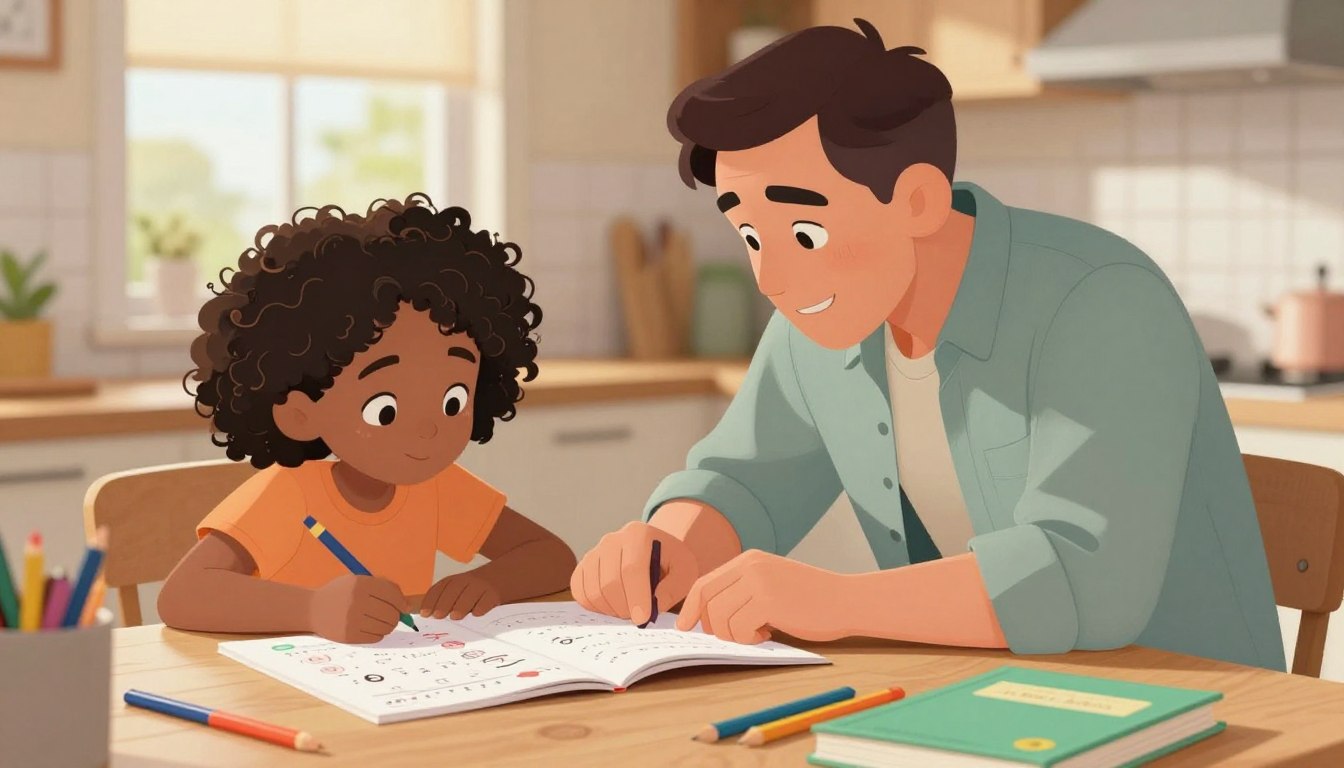
Contrast this with an evidence-based strategy. Instead of telling a child how to plan their morning, collaborate on a visual checklist. This collaborative method fosters independence and ownership.
Parents often provide detailed guidance with the best intentions. However, this can inadvertently prevent skill development. The fundamental principle is that capability is built through practice, decision-making, and experiencing natural consequences.
Effective teaching in this area requires patience and creativity. It means letting children learn by doing. The following sections explore powerful ways to make this learning journey engaging and successful.
Practical Strategies to Boost Planning Skills at Home
The home environment offers a natural laboratory for developing essential cognitive abilities. Simple, tangible tools can make abstract processes concrete. This approach turns daily activities into powerful learning moments.
Effective strategies focus on externalizing thought. They help a child see the sequence of steps needed for any given task. This visual support is fundamental for building independent skills.
Using Checklists and Graphic Organizers
Checklists serve as a cornerstone for organization. They break down routines like morning preparation or homework into manageable steps. Involving the child in creating these lists is crucial for engagement and ownership.
Graphic organizers offer creative ways to map out more complex goals. The right tool depends on the child’s age and the task’s complexity. This table outlines effective options.
| Tool Type | Best For Ages | Primary Benefit |
|---|---|---|
| Picture Sequences | 4-7 years | Visualizes simple routines without reading |
| Flow Charts | 8-12 years | Maps decisions and multiple pathways |
| Multi-Step Planners | 13+ years | Breaks down large projects over time |
For instance, one family co-created a visual morning checklist with their seven-year-old. The result was increased independence and a calmer start to the day. This hands-on creation process is where significant planning development occurs.
These visual aids are a fantastic starting point for effective goal-setting.
Incorporating a Family Calendar Activity
A family calendar transforms time management into a collaborative and fun activity. Place it in a high-traffic area like the kitchen. Encourage each child to add their own events using colors or stickers.
This strategy teaches future thinking and responsibility. Even young children can participate with parental help. It’s a practical example of how children learn through active participation.
This method mirrors the value of using strategic frameworks in professional settings, applied to family life.
Fun and Engaging Methods for Learning Planning Skills
The kitchen transforms into a dynamic classroom where culinary projects become powerful exercises in foresight and organization. These hands-on activities provide immediate, tangible results that make abstract concepts concrete.

Recipes function as natural planning tools. They guide children through essential steps: gathering ingredients, sequencing actions, and managing time. This structured experience builds critical life skills in an enjoyable way.
Interactive Cooking and Baking for Step-by-Step Learning
Different ages benefit from tailored approaches. Preschoolers thrive with no-bake recipes using picture cards. Elementary kids can handle basic baking, while teenagers might plan entire meals.
Maximize the learning by asking predictive questions: “What do we need first?” Encourage problem-solving when challenges arise. This reflective practice turns mistakes into valuable lessons.
Cooking simultaneously develops multiple abilities. Children practice math through measuring, learn safety awareness, and experience delayed gratification. These activities create low-stakes environments where planning skills grow naturally.
Establishing regular family cooking time lets kids progressively assume more responsibility. They eventually select recipes and manage the entire process. This gradual approach builds confidence and independence.
For more quick ideas, explore these effective strategies that fit busy family life. The kitchen becomes a place where essential life skills develop through shared experience.
Utilizing Tools and Resources for Effective Planning
Visual aids transform abstract concepts of time and sequence into tangible guides for young minds. These tools serve as essential scaffolds, particularly for students who process pictorial information more effectively than verbal instructions.
Effective implementation begins with explicit teaching about temporal concepts. Many children need clear instruction on formats like 12-hour clocks before using time-based planners. Understanding “next week” or “in an hour” requires concrete examples.
Implementing Visual Timetables and Planners
Different age groups benefit from tailored approaches. The right format matches cognitive development while teaching fundamental planning strategies.
| Planner Type | Ideal Age Group | Key Benefit |
|---|---|---|
| Picture-Based Schedules | 4-7 years | Visualizes the day without reading requirements |
| Weekly Overview Charts | 8-12 years | Manages school tasks and activities |
| Digital Planning Apps | 13+ years | Syncs complex schedules with reminders |
Consistency matters most. Establish regular check-in times, perhaps during morning routines. Celebrate when a child successfully uses their system to complete tasks.
Modeling proves powerful. When adults visibly use their own tools and discuss their process, children naturally absorb these planning habits. This demonstration helps every child learn through observation and practice.
Integrating Strategic Games and Activities to Enhance Planning
When competition meets cognition, children naturally engage in complex planning processes without realizing they’re learning. Strategic games provide a disguised educational experience where forward-thinking becomes an enjoyable challenge.
Board and Card Games as Learning Tools
Different games target specific developmental stages. The table below outlines effective options for various age groups.
| Game | Age Range | Targeted Skill |
|---|---|---|
| Trouble | 4-7 years | Basic sequencing |
| Sequence | 7-10 years | Spatial planning |
| Ticket to Ride | 8-12 years | Resource management |
| Chess | 10+ years | Multi-step strategy |
During gameplay, ask open-ended questions about strategy choices. This approach reinforces learning without diminishing fun.
Creative Group and Individual Challenges
Beyond commercial games, real-world projects offer authentic planning practice. A child might organize a family game night or plan a scavenger hunt.
These activities build collaborative skills while providing immediate feedback. For more ideas, explore these engaging classroom games that adapt well to home environments.
Regular game nights create consistent practice opportunities. Each session builds confidence as kids experience success with their strategic strategies.
Leveraging Educational AI Tools for Personalized Learning
The intersection of artificial intelligence and education has created tools that can precisely tailor learning experiences to individual cognitive patterns. These platforms analyze how each student processes information and adapt content accordingly.
This technological advancement represents a significant shift in educational methodology. Traditional approaches often follow one-size-fits-all models, while AI-driven systems offer customized pathways.
Introducing FlowScholar as an Innovative Approach
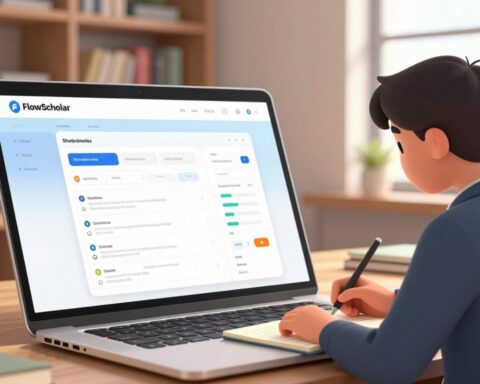
FlowScholar stands at the forefront of this educational transformation. The platform uses sophisticated algorithms to support executive function development through adaptive learning sequences.
It identifies specific skill gaps and dynamically adjusts difficulty levels. This ensures that every child receives appropriately challenging content matched to their current abilities.
Empowering Success with AI-Driven Insights
AI-powered platforms provide immediate feedback and progressive skill-building opportunities. They create gamified experiences that maintain student motivation while tracking detailed progress.
Parents gain valuable insights into their child’s development journey. The table below highlights key differences between traditional and AI-enhanced approaches.
| Approach Type | Personalization Level | Feedback Mechanism | Progress Tracking |
|---|---|---|---|
| Traditional Methods | Standardized for groups | Delayed, manual assessment | Periodic evaluations |
| AI-Enhanced Tools | Individual cognitive patterns | Immediate, adaptive responses | Continuous data analytics |
Discover how FlowScholar’s AI-driven approach can transform your child’s planning abilities and academic success. Visit https://www.flowscholar.com today to explore personalized learning solutions designed for your child’s unique educational journey.
Supporting Development Through Routine and Structure
Predictable daily structures serve as the invisible scaffolding that supports a child’s emerging ability to organize their world. These consistent patterns create safe environments where young minds can practice essential life skills through repetition and gradual mastery.
Establishing a Consistent Daily Routine
Effective routines transform chaotic transitions into manageable sequences. They reduce decision fatigue by making basic tasks automatic. This frees cognitive resources for more complex planning challenges.
The progression from adult guidance to independent management follows a natural trajectory. We can observe this development through distinct stages of responsibility.
| Stage | Adult Role | Child Responsibility | Time Frame |
|---|---|---|---|
| Foundation | Creates and enforces structure | Follows with support | First 2-4 weeks |
| Transition | Provides guidance and reminders | Manages components independently | Weeks 5-8 |
| Mastery | Offers occasional support | Plans and executes daily tasks | Beyond 2 months |
Start with one stressful area, like morning preparation. Use visual schedules and consistent timing. Regular family check-ins help refine what works best.
Weekly planning sessions complement daily structures. Review upcoming events together. This practice builds mental preparation for schedule variations.
Well-established routines benefit the entire family’s productivity. They create calmer mornings and more efficient use of time. Children develop confidence through repeated success with their tasks.
Conclusion
The journey toward developing strong organizational capabilities represents a fundamental investment in a child’s future success. These essential life skills extend far beyond academic achievement, influencing personal fulfillment and professional productivity throughout one’s entire life.
Effective development moves beyond traditional approaches, embracing hands-on experiences where children actively practice sequencing tasks and working toward goals. Visual tools, engaging activities, and consistent routines provide the scaffolding needed for progressive growth.
Matching strategies to individual learning styles ensures each child receives appropriate support. This personalized way builds confidence as children gradually assume responsibility for their own organizational processes.
Every small step taken today contributes to long-term achievement. The investment in teaching these capabilities yields dividends across academic subjects, time management, and future career paths.
Ready to transform your child’s approach to organization? Explore comprehensive solutions that complement home-based strategies with personalized learning experiences designed for lasting success.
FAQ
Why are planning skills so important for a child’s development?
Planning skills are a core component of executive functioning, which is crucial for academic success and daily life. These abilities help children manage time, organize tasks, and achieve goals, building confidence and fostering independence from an early age.
What are some simple ways to introduce planning skills at home?
Start with practical, low-pressure activities. Using a family calendar to track events or creating a simple checklist for morning routines are effective strategies. These tools make the process visual and engaging, turning abstract concepts into manageable steps.
Can games really help teach a child how to plan?
Absolutely. Strategic board games and card games require players to think ahead and adapt their strategies. This playful practice strengthens cognitive muscles related to planning and problem-solving in a fun, stress-free environment.
How does a consistent routine support planning skill development?
Routines provide a predictable structure that reduces cognitive load. When a child knows what to expect, they can focus their mental energy on learning the sequence of activities, which is a fundamental aspect of planning. This daily practice reinforces the skill naturally.
What role can technology play in teaching these life skills?
Educational technology, like the AI-driven platform FlowScholar, offers personalized learning experiences. It can provide tailored challenges and insights based on a child’s progress, making the development of planning skills more adaptive and effective.
How can I help my child break down a large task, like a school project?
Use graphic organizers or visual timetables to map out the project. Work together to identify the main goal and then break it into smaller, achievable steps. This method teaches the invaluable process of decomposition, making overwhelming tasks feel manageable.