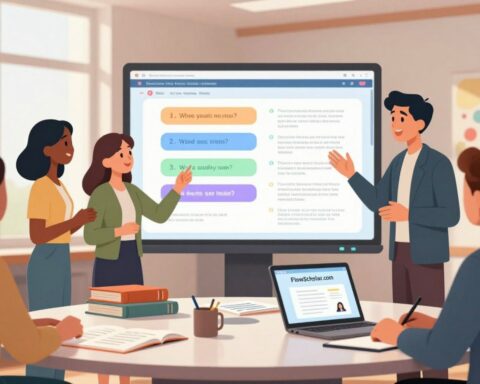
As Benjamin Bloom profoundly noted, “What any person in the world can learn, almost all persons can learn if provided with appropriate prior and current conditions of learning.” This insight cuts to the heart of a daily challenge in the modern classroom. How can educators accurately gauge if those essential “conditions of learning” have been met before students leave?
That final quick check-in holds immense power. Research confirms a student’s brain is highly receptive to retention at a lesson’s conclusion. This moment offers a unique window into genuine comprehension.
Yet, many traditional approaches fall short. They can inadvertently encourage surface-level responses that mask knowledge gaps rather than reveal them. This turns a potential diagnostic tool into a simple compliance activity.
This article explores how to design these brief assessments strategically. We will move beyond routine paperwork to capture authentic learning. The goal is to create tools that provide a clear, honest snapshot of student grasp.
We will delve into research-backed methods and creative implementations. These strategies help distinguish deep understanding from mere guessing. Modern solutions, including AI-powered tools like FlowScholar, can also streamline this process, offering educators immediate, actionable data to shape future instruction effectively.
Key Takeaways
- End-of-lesson assessments are strategically timed for optimal learning retention.
- Traditional methods often fail to reveal true student comprehension.
- Well-designed prompts can differentiate deep understanding from superficial answers.
- These tools provide critical data to inform and personalize subsequent teaching.
- Modern technology can enhance the efficiency and diagnostic power of these checks.
Introduction to Exit Tickets and Their Role in Modern Classrooms
Modern classrooms have embraced these quick assessment tools as essential components of effective teaching. Often called “exit slips,” they function as informal checks given at a lesson’s conclusion. The name suggests a requirement for departure, but their true purpose is far more valuable.
These instruments have evolved from simple paper slips to sophisticated formative tools. They now encompass various formats—written responses, verbal check-ins, and digital submissions. This adaptability makes them suitable across different grade levels and subject areas.
The strategic timing at a class’s end capitalizes on peak student recall capacity. Research confirms this moment offers optimal conditions for assessing genuine comprehension. This positioning distinguishes them from other evaluation methods.
Educators recognize these tools as formative assessments guiding future instruction rather than evaluating final mastery. They complement the broader classroom assessment ecosystem while providing unique real-time insights. Teachers can quickly gauge overall understanding before students transition to new content.
Benefits of Using Exit Tickets for Student Assessment
Cognitive research reveals why these brief concluding exercises deliver disproportionate educational benefits. They leverage natural learning patterns while providing immediate instructional insights.

Enhanced Student Learning and Memory Retention
The timing of exit slips capitalizes on the recency effect. Students demonstrate heightened recall for information reviewed at a lesson’s conclusion.
Active retrieval without reference materials strengthens neural pathways. This process proves more effective than passive review for long-term memory formation.
Metacognitive reflection helps learners develop self-awareness about their processes. Students transform into more strategic, independent thinkers through regular practice.
Quick Formative Assessment and Feedback Collection
These tools provide immediate diagnostic data without extensive time investment. Teachers gain real-time understanding of student comprehension levels.
The feedback enables responsive teaching opportunities. Educators can address emerging misconceptions before they become persistent knowledge gaps.
Even in large classrooms, exit ticket strategies make personalized attention manageable. Regular implementation builds cultures of continuous improvement while reducing assessment anxiety.
Creative Exit Ticket Ideas to Engage Your Classroom
A simple shift in format can transform a routine end-of-class activity into a powerful diagnostic tool. Moving beyond standard written answers allows educators to tap into diverse learning styles and gather richer insights into student comprehension.
Visual Prompts and Interactive Sticky Note Strategies
Ask students to summarize the lesson through a quick sketch or diagram. This visual approach often reveals conceptual grasp more accurately than words.
Using colored sticky notes is another dynamic method. Each color can represent a different understanding level or type of question. Students place their notes on a board, creating an instant, collaborative snapshot of the classroom‘s pulse.
Emoji Check-ins and Digital Sketching
Leverage a language students already know: emojis. A quick emoji check-in provides immediate emotional and comprehension data. It’s a low-barrier entry point for all learners.
For a more detailed look, encourage students to draw a concept map on a tablet or digital whiteboard. This combines the benefits of visual expression with the ease of digital sharing and review.
Interactive Prompts Using Technology Tools
Incorporate technology to boost engagement. A short video reflection or a collaborative digital board can make the process feel fresh. These ideas cater to the digital-native generation.
The key is alignment. Match the format to your goal for today‘s assessment. The right creative idea ensures you measure genuine learning, not just completion.
Implementing Exit Tickets That Actually Measure Understanding (Not Guessing)
Question construction holds the key to transforming routine checks into genuine learning diagnostics. The phrasing of prompts directly determines whether educators receive thoughtful reflections or superficial responses.
Designing Purposeful and Reflective Questions
Educational researcher Robert Marzano provides a valuable framework for crafting effective prompts. His system categorizes exit slip questions into four distinct types, each serving a specific assessment purpose.
Strategic rotation among these categories provides comprehensive insight into both content mastery and learning processes. This approach prevents student fatigue while offering multidimensional classroom data.
| Prompt Type | Purpose | Example Question |
|---|---|---|
| Formative Assessment | Gauge content understanding | “How would you rate your grasp of today’s lesson?” |
| Student Analysis | Encourage self-reflection | “What strategies helped your learning today?” |
| Instructional Focus | Evaluate teaching methods | “How did group work enhance your comprehension?” |
| Open Communication | Gather student feedback | “What could improve your learning experience?” |
Avoid yes/no questions and overly broad prompts that invite guessing. Instead, craft questions requiring demonstration of applied knowledge. This distinction separates meaningful assessment from simple compliance.
Aligning Exit Tickets with Daily Learning Objectives
Every prompt should directly connect to the day’s key takeaways. This alignment ensures educators measure progress toward stated instructional goals rather than tangential content.
Calibrate question difficulty to challenge students while remaining accessible. Well-designed prompts reveal true comprehension without causing frustration. They allow struggling learners to demonstrate partial knowledge.
Purposeful variety maintains engagement while providing teachers with rich, actionable data. This systematic approach transforms brief end-of-class activities into powerful learning tools.
Digital Tools and Templates for Modern Exit Tickets
Digital platforms are transforming how educators implement and analyze end-of-class checks. These solutions save valuable preparation time while offering richer data collection methods.

Utilizing Education AI Tools like FlowScholar
FlowScholar represents a significant advancement in assessment technology. This AI-powered platform helps teachers design effective prompts aligned with learning objectives.
The system analyzes student responses to identify comprehension patterns. It serves as an intelligent assistant—automating routine tasks while preserving educator judgment.
Educators can explore how AI-powered educational tools like FlowScholar transform assessment practices. The platform adapts question difficulty and provides real-time dashboards.
Overview of Popular Digital Platforms for Exit Tickets
Google Forms enables customized checks with automatic graphing. Pear Deck integrates with Slides for interactive questions during presentations.
Flipgrid captures video responses showing body language and tone. Kahoot!’s survey mode gathers thoughtful, unscored feedback from the entire class.
These digital templates offer diverse ways to engage learners. Teachers can select platforms matching their specific classroom needs and technology access.
Practical Guidance for Integrating Exit Tickets into Daily Lessons
Establishing consistent end-of-lesson checks transforms them from isolated activities into powerful instructional tools. This integration requires strategic planning around time management and routine development.
Effective implementation begins with allocating 2-5 minutes at each lesson‘s conclusion. Teachers distribute prompts before or during closure activities. This timing ensures seamless integration without sacrificing instructional time.
Collection routines become classroom rituals that students anticipate. Paper-based systems work efficiently with designated bins or folders. Digital submissions streamline the process for tech-enabled classrooms.
The frequency of these assessments depends on classroom needs. Daily use provides continuous feedback. Weekly implementation reduces review burden while maintaining consistent insight.
Tailoring Exit Tickets to Fit Diverse Classroom Needs
Differentiation ensures these tools remain accessible across varied learner profiles. English language learners benefit from visual supports and simplified language.
Age-appropriate modifications maintain effectiveness from elementary to secondary levels. Younger students thrive with picture-based responses. Older learners engage with more complex reflective prompts.
Subject-specific adaptations align with content area goals. Math classes might focus on problem-solving demonstrations. Literature sessions could emphasize text connections.
Low-tech alternatives ensure accessibility without devices. Hands-up polls offer instant data gathering. Human opinion meters use physical positioning to express comprehension levels.
Class sketchnotes encourage collaborative drawing of remembered concepts. Sticky note mosaics create visual representations using color-coded responses.
Strategies for Analyzing and Acting on Exit Ticket Feedback
Educators who master the art of interpreting end-of-class responses unlock unprecedented instructional agility. The collected data serves as a direct pipeline to student comprehension levels, providing immediate direction for teaching adjustments.
Interpreting Student Responses in Real-Time
Effective analysis begins with rapid pattern recognition. Teachers can quickly scan responses to identify common misconceptions versus individual struggles.
Digital platforms offer dashboard views that highlight trends across the entire class. This immediate visualization helps prioritize which concepts need reinforcement.
Sorting responses into categories—such as mastery, developing, and struggling—creates an actionable framework. This systematic approach aligns with universal design for learning principles by addressing diverse learner needs.
Adapting Future Instruction Based on Feedback
Insights from student work should directly shape the next day’s lesson plan. When widespread confusion appears, teachers can design targeted warm-up activities.
Small group interventions provide personalized support for struggling learners. Meanwhile, students demonstrating mastery benefit from enrichment opportunities that deepen their skills.
Closing the feedback loop demonstrates responsive teaching. Sharing how student input influenced instructional decisions validates their contributions and encourages ongoing engagement.
Conclusion
Mastering the art of the final classroom check-in moves beyond simple routines to capture genuine student insight. The true power of these tools lies in their design—prompts that demand applied knowledge reveal authentic comprehension.
Successful implementation blends creative formats with strategic digital tools. This synergy increases engagement while providing rich, actionable data for teachers. The approach offers dual benefits: diagnostic information for instruction and metacognitive practice for learners.
Educators are encouraged to start with small, consistent steps. Building this habit gradually leads to sustainable practices that fit unique classroom contexts. This method aligns with the broader movement toward responsive, evidence-based teaching.
For those ready to elevate their practice, exploring FlowScholar offers a powerful next step. Its AI capabilities streamline creation and analysis, much like sentiment analysis tools transform feedback review. Educators gain a sophisticated partner in their quest to understand and support every student.
FAQ
What is the primary purpose of an exit ticket?
The main goal is to quickly gauge student comprehension at the end of a lesson. These tools provide a snapshot of what learners grasped, allowing educators to measure genuine understanding rather than random guessing and to adjust instruction accordingly.
How can I ensure my exit tickets measure understanding and not just guessing?
Design questions that require students to apply, synthesize, or explain concepts. Avoid simple yes/no or multiple-choice prompts. Instead, ask for a brief summary, a real-world connection, or to identify the most challenging point, which demands deeper cognitive engagement.
What are some quick and creative exit ticket ideas?
Effective ideas include “3-2-1” (three things I learned, two questions, one thing I enjoyed), having students draw a concept, or using emoji check-ins to express their confidence level. Sticky notes on a board or digital tools like Padlet can make the process interactive and fast.
Can exit tickets be used in digital or remote learning environments?
Absolutely. Many digital platforms, including Google Forms, Kahoot!, and specialized education AI tools like FlowScholar, are perfect for creating and distributing digital prompts. These platforms often provide instant analytics on student responses.
How should I analyze the feedback from student responses?
Quickly scan responses for patterns. Look for common misconceptions, repeated questions, or concepts that most of the class mastered. This real-time data helps you decide if you need to re-teach a topic, provide enrichment, or adjust the pace for the next class.
How often should I use this assessment tool in my classroom?
They are most effective when used consistently, even if only for a few minutes at the end of a session. Daily use establishes a valuable routine, but the key is purposeful implementation aligned with your lesson’s core objectives to gain meaningful insights.