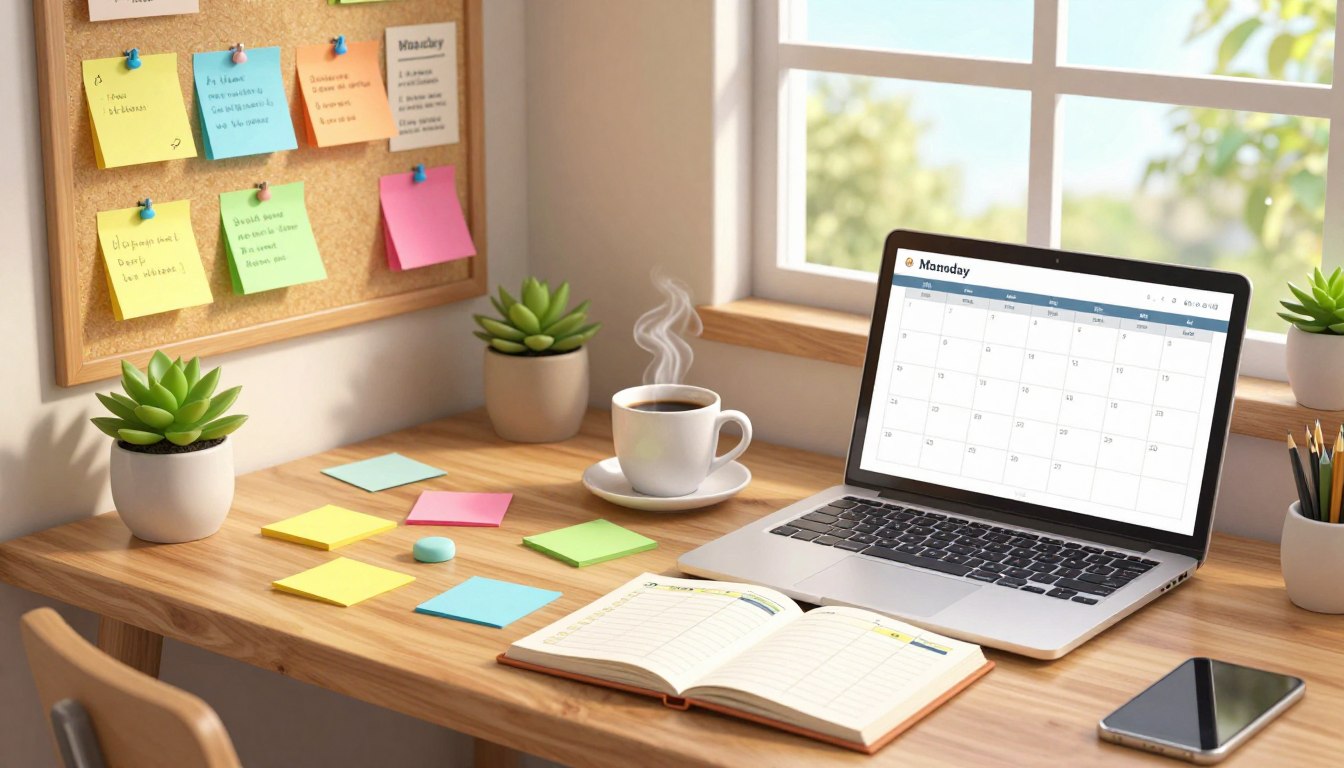
Planning your day is one of the most important productivity habits you can develop. However, when every day is different, creating a consistent weekly plan can be challenging. As Stephen Covey once said, “Sow a thought, reap an action; sow an action, reap a habit; sow a habit, reap a character; sow a character, reap a destiny.” This quote underscores the importance of planning and habits in achieving our goals.
Traditional planning methods often fail because they assume predictability and routine. In today’s dynamic work environment, professionals need flexible yet effective strategies to manage their time and increase productivity. This guide will explore practical approaches to creating a weekly plan that accommodates changing priorities and unexpected events.
By implementing the right planning system, you can transform chaotic weeks into productive ones. We’ll introduce several proven methodologies, including the PLAN Method, designed to help you plan your week effectively.
Key Takeaways
- Understand the challenge of creating a consistent weekly plan with unpredictable schedules.
- Learn how traditional planning methods can fail for variable schedules.
- Discover flexible strategies for effective weekly planning.
- Explore the PLAN Method for planning your week.
- Implement a planning system that accommodates changing priorities.
The Challenge of Planning Unpredictable Weeks
When daily tasks and responsibilities vary significantly, creating an effective weekly plan becomes a significant challenge. People often struggle with traditional planning methods because they fail to accommodate the dynamic nature of their work and personal life.
Why Traditional Planning Methods Often Fail
Traditional planning methods typically assume a level of consistency and predictability that many people no longer experience. As a result, rigid planning systems can lead to frustration and a sense of failure when they fail to adapt to changing circumstances. According to FlowScholar, an Education AI Tool, “adopting a flexible planning approach can significantly reduce stress and improve productivity.” This is particularly relevant for individuals whose tasks and priorities change significantly from day to day.
The Benefits of Having a Flexible Weekly Plan
A flexible weekly plan offers numerous benefits, including reduced stress, better prioritization, and the ability to adapt to changes. By having a system that can accommodate variability, individuals can ensure that important tasks are completed despite the unpredictability of their daily schedules. As noted by productivity experts, “a flexible plan allows for the effective management of time and tasks, leading to greater overall productivity.” By leveraging tools like FlowScholar, individuals can optimize their planning process and achieve a better work-life balance.
How to Plan Your Week When Every Day Is Different: The PLAN Method
The PLAN Method offers a structured yet adaptable approach to weekly planning. This method is particularly useful for individuals whose daily tasks and priorities frequently change. By breaking down the planning process into four manageable steps, the PLAN Method helps users stay focused on what truly matters.
Prioritization: Identifying What Truly Matters
Prioritization involves identifying the top three priorities for the week. These are not simple tasks but meaningful outcomes that will drive progress regardless of daily fluctuations. By focusing on what matters most, individuals can ensure they’re making progress toward their goals. Effective daily planning is closely linked to effective weekly planning.
List Making: Strategic Task Organization
List making transforms overwhelming to-do lists into a strategic organization system. By categorizing tasks into Must Do, Should Do, and Could Do, individuals can better manage their workload. This system ensures that tasks directly impacting priorities are addressed first. For more on optimizing task management, tools like Education AI Tool can be invaluable.
Assign Time Blocks: The Quadrant System
Assigning time blocks involves dividing the day into four 3-hour quadrants: AM 1 (6:00 AM – 9:00 AM), AM 2 (9:00 AM – 12:00 PM), PM 1 (12:00 PM – 3:00 PM), and PM 2 (3:00 PM – 6:00 PM). This system aligns tasks with natural energy patterns, enhancing productivity. For instance, critical tasks can be scheduled during peak energy hours.
| Quadrant | Time | Recommended Tasks |
|---|---|---|
| AM 1 | 6:00 AM – 9:00 AM | High-priority tasks, planning |
| AM 2 | 9:00 AM – 12:00 PM | Focused work, meetings |
| PM 1 | 12:00 PM – 3:00 PM | Lunch, collaborative tasks |
| PM 2 | 3:00 PM – 6:00 PM | Wrap-up tasks, review |
Non-Negotiables: Your Daily Anchors
Non-negotiables are daily practices that keep individuals grounded and moving forward. These might include morning routines, exercise, or evening planning sessions. By incorporating these anchors into daily schedules, individuals can maintain consistency even on chaotic days.
Finding Your Flexibility Sweet Spot
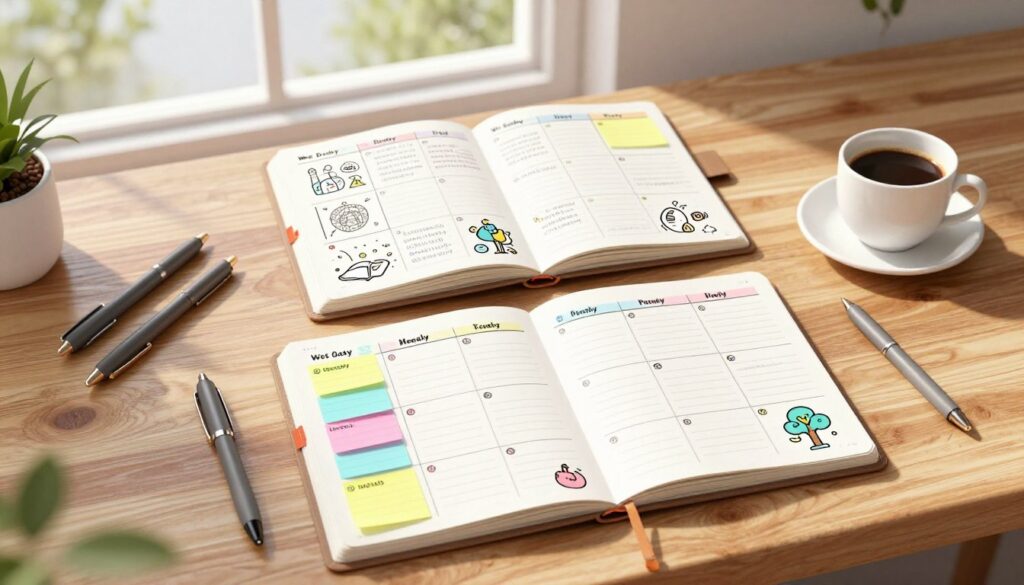
The key to successful planning lies in finding your flexibility sweet spot. This involves achieving an ideal balance between structure, which provides focus and clarity, and flexibility, which allows adaptation to changing circumstances.
The Daily To-Do List: Maximum Flexibility Approach
A daily to-do list offers maximum flexibility, allowing you to execute tasks in any order and easily accommodate new priorities. This approach is ideal for days when your schedule is unpredictable, and you need to adapt quickly.
Adding Structure Without Losing Adaptability
While a to-do list provides flexibility, you can enhance it with strategic elements like priority markers, time estimates, and loose time blocks. This adds structure without sacrificing adaptability, helping you manage your tasks and time more effectively.
Using FlowScholar to Optimize Your Planning Process
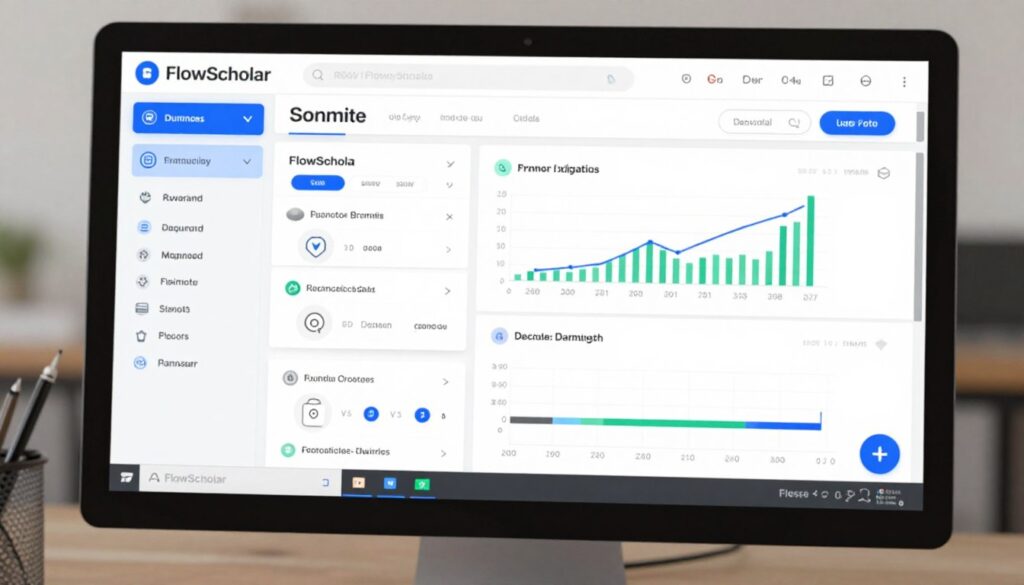
FlowScholar’s planning tools are designed to help you find and maintain your flexibility sweet spot. The platform offers intelligent task organization that balances structure and flexibility, ensuring important work gets done while maintaining adaptability for unpredictable days.
By leveraging FlowScholar, you can transform your planning process and discover the perfect balance between structure and flexibility for your unique schedule. This leads to reduced stress and increased productivity, allowing you to make the most of your energy and time.
The “Future You” Planning Method
The “Future You” Planning Method is a simple yet powerful approach to planning your week ahead with clarity. This method helps you avoid unnecessary stress and stay on track by teaching you to pause, reflect, and prepare.
https://www.youtube.com/watch?v=AlwaIzJNGos
Weekly Reflection: Learning From Past Patterns
Weekly reflection forms the foundation of the “Future You” Planning Method. By analyzing patterns from the previous week—what worked, what didn’t, and what you learned—you can make data-driven decisions about the week ahead. This reflection helps you identify areas for improvement and adjust your plan accordingly.
Setting Your “Big 3” Weekly Priorities
Setting your “Big 3” weekly priorities ensures you focus on meaningful outcomes rather than endless tasks. By identifying your top three priorities, you can create clarity about what constitutes true progress, regardless of how your daily schedule unfolds.
Anticipating and Planning for Roadblocks
Anticipating potential roadblocks is a crucial step often missed in traditional planning. By identifying likely disruptions in advance, you can develop contingency plans rather than being derailed when they occur. This proactive approach helps you stay on track and achieve your weekly goals.
The “Future You” Planning Method requires only 60-90 minutes per week but delivers significant returns through reduced decision fatigue, decreased anxiety, and increased follow-through. By focusing on weekly priorities and anticipating potential roadblocks, you can maintain overall direction and achieve more with less stress.
Daily Rituals to Stay on Track
Daily rituals serve as essential anchors that keep your weekly plan on track despite changing circumstances, providing consistency amidst variability without requiring rigid hourly schedules. These rituals are particularly valuable for variable schedules as they provide daily adaptation points that allow you to adjust your approach based on new information without losing sight of your weekly priorities.
Morning Startup Ritual: Setting Daily Intentions
The morning startup ritual creates intentional focus for the day by reviewing your schedule, confirming your top 1-3 tasks aligned with weekly priorities, and setting a clear direction for the day. This 5-10 minute ritual helps you stay on track and make the most of your day.
- Review your schedule for the day
- Confirm your top 1-3 tasks
- Adjust for any new developments
Evening Shutdown
An evening shutdown ritual completes the daily cycle by logging progress, clearing your physical and digital workspace, and capturing any loose thoughts for tomorrow. This helps create a clean slate for your future self.
- Log your progress
- Clear your workspace and inbox
- Capture any loose thoughts for tomorrow
Adjusting Your Plan When Things Go Sideways
When things go sideways, having an established process for adjusting your plan prevents minor disruptions from derailing your entire week. This involves reassessing your priorities, adjusting your schedule as needed, and staying focused on your weekly goals.
- Reassess your priorities
- Adjust your schedule as needed
- Stay focused on your weekly goals
By incorporating these daily rituals into your routine, you can maintain a consistent and productive workflow even with a variable schedule. For more insights on optimizing your planning process, visit FlowScholar to explore tools and resources that can help you stay on track.

Conclusion: Creating a Planning System That Works for You
Creating a personalized planning system that works for you, not against you, is the ultimate goal. By dedicating just 60 minutes each week to planning, you can prevent hours of mental clutter, missed deadlines, and overwhelmed mornings. This approach isn’t about working more; it’s about working smarter, more efficiently, and calmly.
The most effective planning system is one that adapts to your unique life circumstances, providing structure without sacrificing the adaptability you need every day. By combining elements from the PLAN Method, the “Future You” approach, and the right tools, such as FlowScholar, you can create a tailored plan that fits your variable schedule. This personalized system helps you manage your tasks and to-do lists more effectively, reducing stress and increasing intentionality.
To start, implement just one component of these methods this week, then gradually build your planning practice as you discover what works best for your specific situation. Remember, the true measure of a successful planning system isn’t perfect execution of a predetermined schedule, but rather meaningful progress on your most important priorities despite life’s inevitable unpredictability. Visit Lemon8 or Miloriano for more insights on creating a system that works for you.
By making this Sunday the day you meet the best version of “Future You,” you’ll be taking a significant step towards a more organized, productive life. With the right tools and strategies, you can achieve a better balance between work and other aspects of your life, creating a more fulfilling day-to-day experience. Start your journey to a more intentional, stress-free life today.
FAQ
What is the best way to plan a week when every day is different?
The PLAN Method is a flexible approach that involves prioritizing tasks, making a strategic list, assigning time blocks, and identifying non-negotiables to create a tailored weekly plan.
How do I prioritize tasks effectively when my days are unpredictable?
Focus on identifying your most important tasks and allocate them to specific time slots, using the Quadrant System to maximize productivity.
What is the Quadrant System, and how does it help with time management?
The Quadrant System is a time management technique that categorizes tasks into four quadrants based on their urgency and importance, enabling you to allocate your time more efficiently.
How can I maintain flexibility in my daily schedule while still achieving my goals?
By using a daily to-do list and allocating specific time blocks for tasks, you can adapt to changing circumstances while staying focused on your priorities.
What are non-negotiables, and why are they important in planning?
Non-negotiables are essential tasks that must be completed daily, serving as anchors that provide structure and stability in an unpredictable schedule.
How can I anticipate and plan for potential roadblocks in my week?
By reflecting on past patterns, setting “Big 3” weekly priorities, and identifying potential obstacles, you can develop a proactive approach to overcoming challenges.
How can I optimize my planning process using FlowScholar?
FlowScholar is a tool that helps you streamline your planning process by providing a clear and structured approach to task management, enabling you to maximize your productivity.
What is the "Future You" planning method, and how does it work?
The “Future You” planning method involves reflecting on past experiences, setting weekly priorities, and anticipating potential roadblocks to create a forward-thinking approach to planning.