
“The key is not to prioritize what is on your schedule, but to adjust your schedule to fit your priorities,” as aptly stated by Stephen Covey. For students juggling multiple assignments, this quote resonates deeply. Feeling overwhelmed by homework is a common experience, often leading to significant stress and potentially impacting both academic performance and mental well-being.
This comprehensive guide will explore effective strategies for managing multiple tasks simultaneously, helping students regain control of their academic workload. By examining how to prioritize work, break down assignments into manageable components, and implement time management strategies, we’ll provide a practical toolkit for handling multiple assignments efficiently.
Key Takeaways
- Effective strategies for managing multiple assignments to reduce stress.
- Techniques for prioritizing tasks and managing time efficiently.
- Methods to break down large assignments into manageable parts.
- Insights on maintaining academic success during busy periods.
- Practical tools to help students stay on top of their workload.
For more tips on dealing with a heavy homework load, check out5 Tips for Dealing with‘Too Much’.
Understanding Assignment Overwhelm
Assignment overwhelm is a common issue many students face, and recognizing its signs is the first step towards managing it. When the workload becomes too much, it can affect not just academic performance but also mental health.
Signs You’re Taking On Too Much
Common indicators of assignment overwhelm include persistent stress about school work, difficulty sleeping, procrastination patterns, and physical symptoms like headaches. Recognizing these signs early is crucial for intervention.
The Impact of Assignment Overload on Academic Performance
Excessive homework can lead to a decline in academic performance. Research shows that too much homework correlates with diminished retention and comprehension of material, creating a problem for students who are already struggling. Understanding the impact of assignment overload on the mind is essential for developing coping mechanisms.
| Signs of Overwhelm | Impact on Students |
|---|---|
| Persistent stress and anxiety | Difficulty concentrating and retaining information |
| Procrastination and declining work quality | Poor academic performance and increased stress |
| Physical symptoms like headaches | Negative impact on mental and physical health |
Assess and Prioritize Your Workload
When faced with multiple assignments at once, it’s essential to assess and prioritize your workload effectively. The first step in managing multiple assignments is conducting a thorough assessment of your workload to gain clarity on what you’re facing.
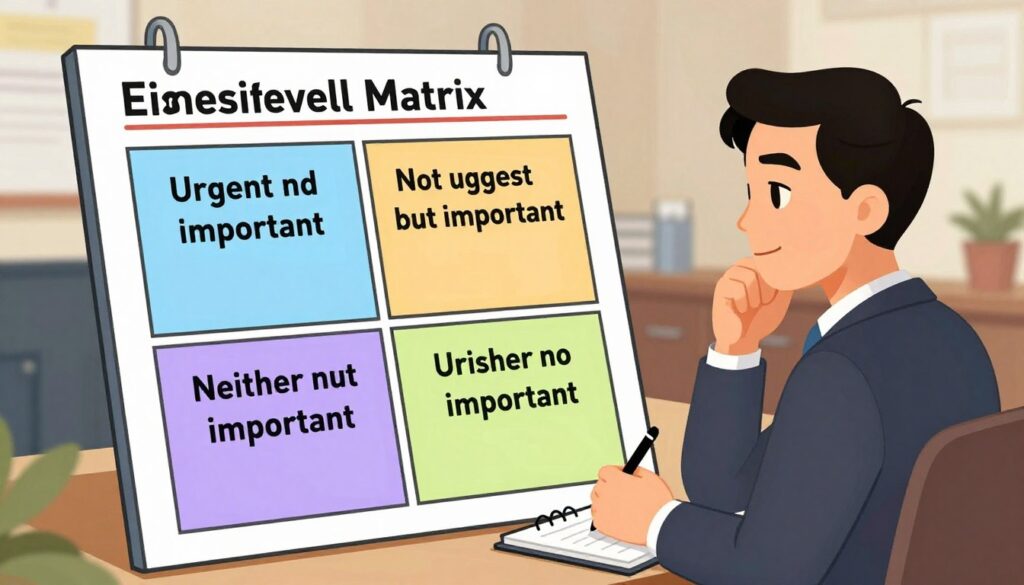
Creating an Eisenhower Matrix for Assignments
The Eisenhower Matrix provides a strategic framework for prioritizing assignments based on two critical factors: urgency and importance. To create your matrix, categorize assignments into four quadrants: “Urgent and Important,” “Important but Not Urgent,” “Urgent but Not Important,” and “Not Urgent or Important.”
| Quadrant | Description | Action |
|---|---|---|
| Urgent and Important | Tasks that are both urgent and important | Do immediately |
| Important but Not Urgent | Tasks that are important but not urgent | Schedule time |
| Urgent but Not Important | Tasks that are urgent but not important | Delegate if possible |
| Not Urgent or Important | Tasks that are neither urgent nor important | Eliminate or minimize |
Setting Realistic Goals and Deadlines
Setting realistic goals involves understanding your capacity and creating a week-by-week plan that accounts for your other commitments and energy levels. When establishing deadlines, build in buffer time for unexpected challenges and set personal due dates 1-2 days before actual submission submission dates to reduce last-minute pressure.
By following these steps, you can effectively assess and prioritize your workload, ensuring that you’re making the most of your time and energy.
Break Down Your Assignments Into Manageable Tasks
When faced with a large assignment, it’s easy to feel overwhelmed. However, by breaking it down into smaller, manageable tasks, you can make the project feel less daunting and more achievable. This approach is often referred to as the “Smaller Bites” method.
The “Smaller Bites” Approach
The “Smaller Bites” approach involves dividing a large assignment into smaller, actionable components. For example, if you’re writing a 10,000-word article on the top 20 universities in the UK, you can break it down into 20 smaller tasks, each focusing on one university. This makes the task feel less overwhelming, as you’re only dealing with 500 words at a time.
Creating Mini-Deadlines for Each Component
Once you’ve broken down your assignment into smaller tasks, it’s essential to create mini-deadlines for each component. This helps you stay on track and ensures that you’re making progress throughout the project. By setting realistic goals and deadlines, you can avoid last-minute cramming and reduce stress.
| Task | Deadline |
|---|---|
| Research University 1 | Monday |
| Write about University 1 | Tuesday |
| Research University 2 | Wednesday |
| Write about University 2 | Thursday |
Tracking Progress to Stay Motivated
Tracking your progress is crucial to staying motivated throughout the assignment process. By using apps, charts, or simple checklists, you can visualize your progress and experience a sense of accomplishment as you complete each task. This helps maintain momentum and encourages you to continue working towards your goal.By breaking down your assignments into manageable tasks, creating mini-deadlines, and tracking your progress, you can make even the most daunting projects feel achievable.
Effective Time Management Strategies
Effective time management is crucial for handling multiple assignments. By implementing the right strategies, students can optimize their study time and improve their academic performance. In this section, we will explore three effective time management techniques: the Pomodoro Technique, time blocking, and eliminating distractions.
The Pomodoro Technique for Focused Work
The Pomodoro Technique is a popular time management method that involves breaking work into 25-minute intervals, called “Pomodoros,” separated by short breaks. This technique helps students stay focused and avoid burnout. By dedicating a set amount of time to a task, students can work without interruptions and maintain their productivity.
Time Blocking Your Study Schedule
Time blocking involves designating specific hours for particular assignments or subjects, creating a visual schedule that helps students allocate appropriate time to each class requirement. When creating a time block schedule, students should consider their natural energy patterns, scheduling challenging assignments during their peak cognitive hours and saving routine tasks for when their energy typically dips.
Eliminating Time Wasters and Distractions
Eliminating distractions is essential for effective time management. To minimize distractions, students can create a dedicated study space that is quiet, comfortable, and free from interruptions. Additionally, students can use digital tools, such as app blockers or website blockers, to limit their access to non-essential websites or social media during their study time.
By implementing these time management strategies, students can optimize their study time, improve their productivity, and achieve their academic goals. For more information on time management techniques, visit Purdue OWL’s Time Management Guide. Additionally, students can explore AI-powered tools, such as FlowScholar, to help them manage their time and stay organized.

What to Do When You Have Too Many Assignments at Once: Practical Solutions
Dealing with a heavy assignment load requires a combination of effective time management, the right study environment, and a balanced approach to perfectionism. By adopting these strategies, students can better manage their workload and achieve success in their academic pursuits.
Tackling Assignments as Soon as They’re Assigned
Doing your homework as soon as it’s assigned can significantly reduce stress and improve understanding. By completing assignments immediately after class, you can capitalize on the fresh information, making the task much easier.
Creating a Distraction-Free Study Environment
Designating a specific space for studying can help minimize distractions. Ensure this room is well-lit, comfortable, and equipped with necessary supplies, promoting an effective study session.
Avoiding the Perfectionism Trap
While striving for excellence is important, excessive perfectionism can lead to diminishing returns. Setting time limits for each assignment helps maintain a balance, ensuring you complete multiple tasks efficiently without getting bogged down on a single one.
| Strategy | Benefit | Outcome |
|---|---|---|
| Tackling assignments immediately | Reduces stress and improves understanding | Better academic performance |
| Creating a distraction-free study environment | Minimizes distractions and promotes focus | More efficient study sessions |
| Avoiding perfectionism | Prevents excessive time spent on a single task | Completing multiple assignments on time |
By implementing these practical solutions, students can effectively manage their much homework and achieve academic success. Utilizing tools like FlowScholar’s AI-powered assignment help can further streamline the process, saving valuable time.
Using Technology and Tools to Manage Your Workload
Technology can be a significant distraction for students, but when used strategically, it can become a powerful tool for managing multiple assignments. By leveraging the right digital tools, students can streamline their workflow, stay organized, and maintain focus.
FlowScholar: AI-Powered Assignment Help
FlowScholar’s AI-powered platform offers specialized assistance for academic assignments, helping students organize research, generate outlines, and streamline the writing process.

Digital Planners and Task Management Apps
Digital planners and task management apps provide comprehensive systems for tracking assignments and deadlines. Popular options include MyStudyLife, Trello, and Todoist, which help students stay on top of their work across multiple courses.
Browser Extensions to Block Distractions
Browser extensions like Forest help block distracting websites during study periods, maintaining focus and minimizing digital distractions.
When and How to Ask for Help
Asking for help is a sign of academic maturity, not weakness, and can significantly impact a student’s ability to manage their workload. When faced with too many assignments, it’s crucial to recognize when you need assistance and know where to turn.
Communicating with Professors About Extensions
When approaching professors about potential extensions, timing is crucial. Communicate proactively before the deadline, be specific about your circumstances, propose a realistic new timeline, and demonstrate your commitment to producing quality work. This proactive approach can help you negotiate a more manageable deadline.
Forming Study Groups for Collaborative Learning
Study groups provide multiple benefits beyond just dividing the homework load. They offer diverse perspectives on course material, create accountability structures, and can make complex subjects more approachable through peer explanation. When forming study groups, aim for 3-5 students with complementary strengths.
Utilizing Campus Resources and Tutoring Services
Most schools and universities offer extensive support resources, including writing centers, tutoring services, academic advisors, and counseling services. These resources can provide help with challenging subjects, significantly reducing the time needed to complete difficult homework assignments. For students balancing academic responsibilities with work or life, many schools offer specific support services.
For more information on managing too much homework, visit https://www.immerse.education/personal-development/productivity-and-adaptability/too-much-homework/. By leveraging these resources and strategies, students can better manage their academic workload and achieve a healthier life balance.
Maintaining Balance and Preventing Future Overwhelm
Students who achieve a balance between their academic and personal life tend to perform better and experience less stress. To maintain this balance, it’s essential to implement effective strategies that help manage homework and other academic responsibilities. By allocating time for self-care, students can actually improve their performance on assignments and reduce their overall stress levels.
Several tips can help students achieve this balance. Scheduling regular weekly reviews of upcoming assignments can help identify potential workload peaks before they become overwhelming. Additionally, tracking assignment completion patterns over several weeks provides valuable data about work habits, revealing when students are most productive and how much time different types of homework require.
Many successful students allocate 2-3 hours each night for homework, creating a sustainable routine that prevents last-minute cramming and reduces stress. Building buffer days into the schedule and prioritizing physical well-being also significantly improve the ability to handle multiple assignments efficiently. For more tips and AI-powered tools to help maintain balance, visit FlowScholar.com. Furthermore, learning to say “no” to additional commitments during high-workload periods is crucial, and reflecting on strategies at the end of each term can help identify areas for improvement. For additional guidance on finding balance, consider resources like those found at Wellness Module 9.
## FAQ
### Q: How can I effectively manage multiple assignments at once?
A: Prioritize tasks using the Eisenhower Matrix, focusing on urgent vs. important assignments, and break down large tasks into smaller, manageable chunks.
### Q: What are some strategies for avoiding assignment overload?
A: Create a schedule with realistic deadlines, use time-blocking to stay focused, and eliminate distractions by creating a conducive study environment.
### Q: How can I stay organized and on top of my assignments?
A: Utilize digital planners, task management apps, and browser extensions to block distractions, and consider using AI-powered tools like FlowScholar to help with assignment management.
### Q: What should I do if I’m struggling to complete an assignment?
A: Break down the task into smaller components, seek help from professors or tutors, and form study groups to collaborate with peers.
### Q: How can I maintain a healthy work-life balance while managing multiple assignments?
A: Set clear boundaries, prioritize self-care, and use effective time management to avoid burnout and maintain a balance between academic and personal life.
### Q: What are some common mistakes to avoid when handling multiple assignments?
A: Avoid procrastination, don’t overcommit, and steer clear of multitasking, which can decrease productivity and increase stress.
### Q: How can I ask for help when overwhelmed with assignments?
A: Communicate with professors about potential extensions, form study groups, and utilize campus resources such as tutoring services to get the support you need.
### Q: What are some effective time management techniques for assignment completion?
A: Use the Pomodoro Technique for focused work, allocate specific times for studying and breaks, and eliminate time-wasting activities to maximize productivity.