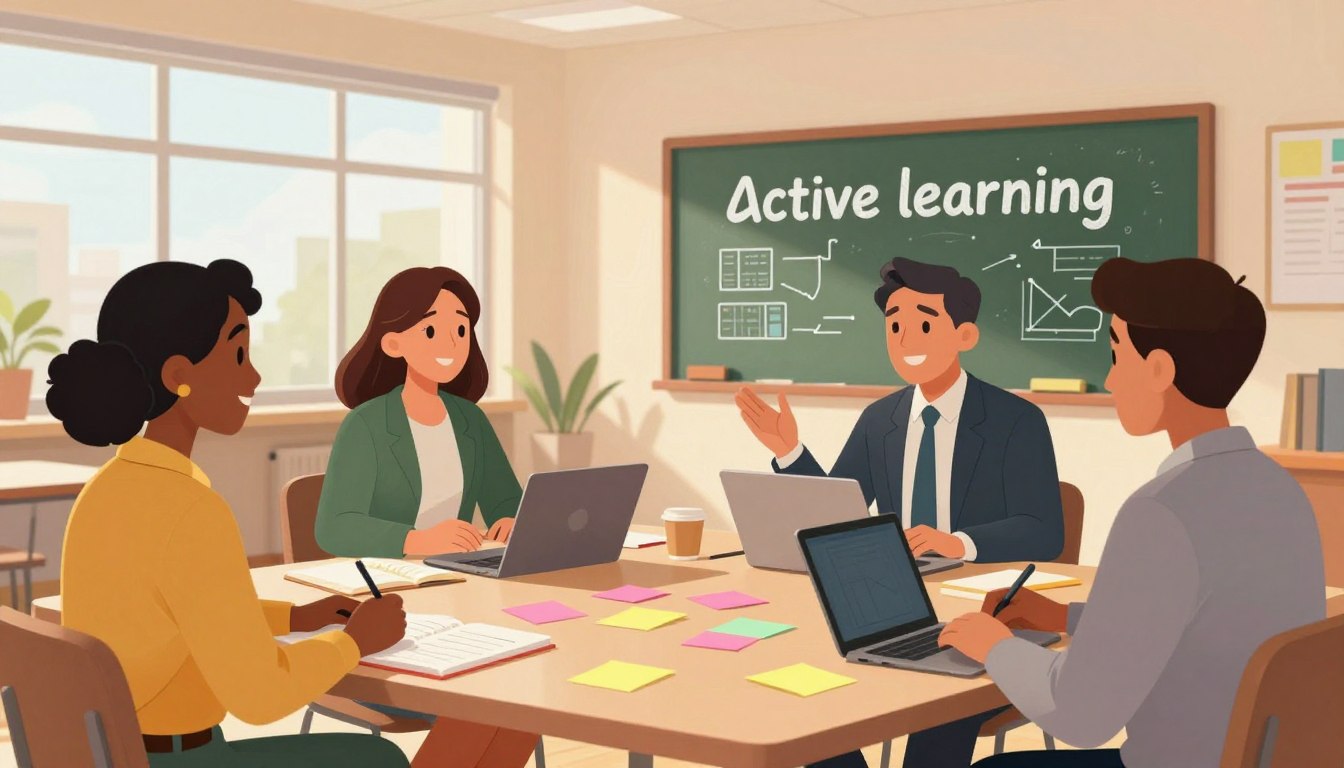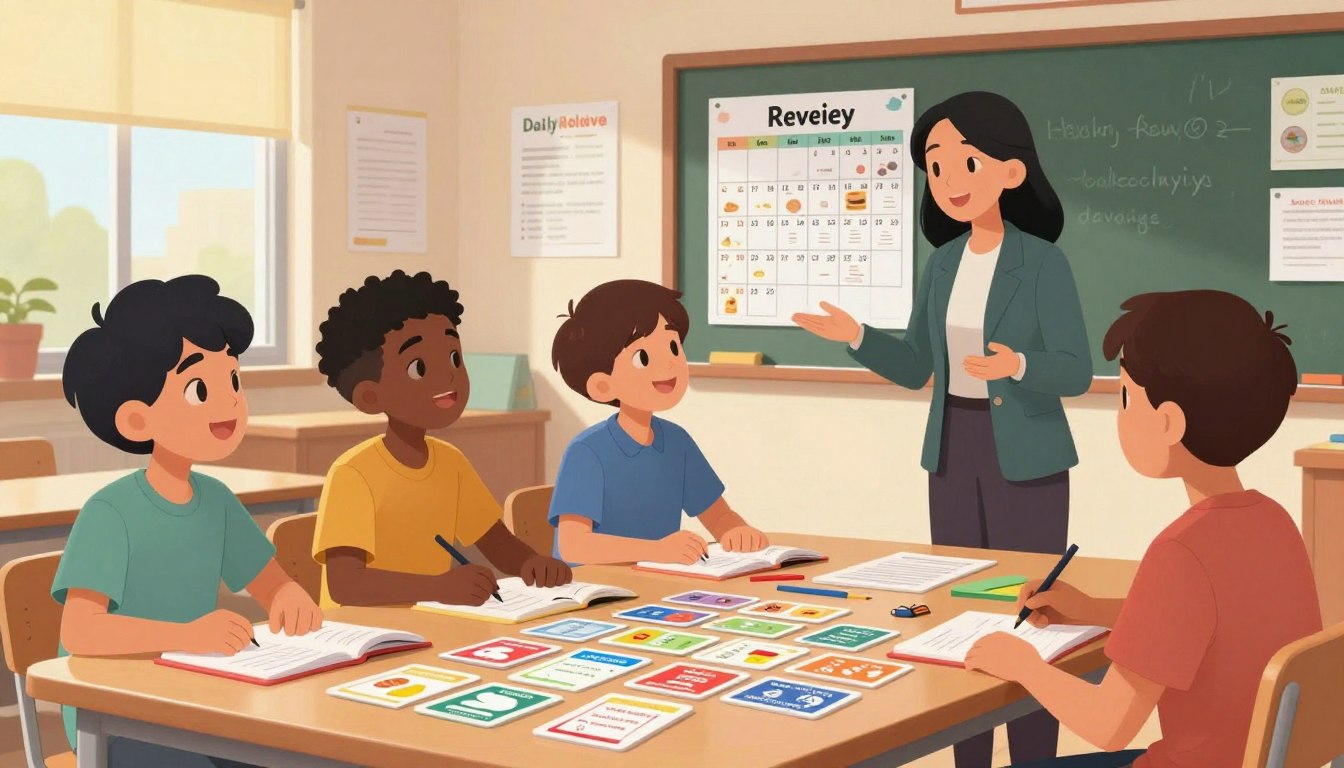
As the renowned educator, Carol S. Dweck, once said, “The view you adopt for yourself profoundly affects the way you lead your life.” Establishing a structured after-school routine can be a game-changer for students, helping them navigate the transition from school to home with ease.
A well-planned routine provides stability and structure, enabling students to decompress, stay organized, and manage their responsibilities effectively. By incorporating FlowScholar, an innovative education AI tool, into their daily routine, students can enhance their study sessions and homework completion.
Effective after-school routines create a framework that allows students to refocus and approach homework with renewed concentration and purpose. This comprehensive guide will explore the science-backed components of optimal after-school routines that maximize productivity while maintaining essential balance for students of all ages.
Key Takeaways
- Establishing a structured after-school routine helps students decompress and stay organized.
- A well-planned routine provides stability and structure needed to navigate academic challenges.
- Incorporating FlowScholar into daily routines can enhance study sessions and homework completion.
- Effective after-school routines create a framework for students to refocus and approach homework with renewed concentration.
- Optimal after-school routines maximize productivity while maintaining essential balance for students.
Why After-School Routines Matter
Implementing a consistent after-school routine can have a profound impact on a child’s daily life. A well-structured routine helps families use their time at home intentionally, reducing the likelihood of excessive screen time and associated stress. By outlining and sticking to after-school routines, families can experience less stress, more quality time together, and adequate rest.
A consistent routine is essential for students to excel academically. It provides cognitive benefits by creating predictable patterns that reduce decision fatigue and mental overwhelm. Research demonstrates that consistent routines help develop executive functioning skills, including time management, task prioritization, and self-regulation, which directly translate to improved academic performance.
Benefits of Structured Routines
Structured after-school routines offer numerous benefits, including:
- Developing executive functioning skills through consistent patterns and routines.
- Reducing stress levels by balancing competing priorities.
- Creating a foundation for lifelong habits of organization and responsibility.
As Dr. Jane Smith, a renowned education expert, notes, “A consistent routine helps children develop a sense of responsibility and self-discipline, which is crucial for their academic success.”
| Benefits | Description |
|---|---|
| Improved Time Management | Prioritizing tasks and managing time effectively. |
| Reduced Stress | Balancing competing priorities and minimizing overwhelm. |
| Lifelong Habits | Developing organization and responsibility skills. |
Challenges Without a Routine
Without established routines, students often face increased stress levels, leading to procrastination, incomplete assignments, and diminished quality of work. Families without clear after-school structures frequently experience heightened tension and conflict around homework completion, creating negative associations with learning.
“The lack of a consistent routine can lead to a chaotic after-school environment, negatively impacting a child’s academic performance and overall well-being.”
By understanding the importance of after-school routines and implementing a structured routine, families can mitigate these challenges and create a supportive environment that fosters academic success.
The Best “After School” Routine for Homework and Studying
The key to a successful after-school routine lies in understanding the needs of the child and creating a schedule that accommodates their requirements. Before planning, it’s essential to ask your kids about their needs after school: Do they feel worn out and want to be alone? Do they need connection and time with you? Do they often have homework? The answers to these questions will help determine your family’s evening schedule.
Overview of an Ideal Routine
An ideal after-school routine begins with a brief decompression period (15-30 minutes) that allows students to mentally transition from structured classroom learning to the home environment. Following this, a nutritious snack provides the necessary energy boost for sustained focus during subsequent homework and study sessions. As stated by experts, “A well-structured routine helps children develop discipline and time management skills.” Effective after-school routines are crucial for academic success.

Adapting Routines for Different Age Groups
Effective routines must be adapted to developmental stages. Elementary students benefit from more parental guidance and shorter work periods, while middle and high school students require increased autonomy and longer focused study blocks. For instance, incorporating digital learning tools like FlowScholar can enhance productivity during designated study periods.
Sample After-School Schedule
A sample schedule might include: 30 minutes of decompression, 15 minutes for snack and brief physical activity, 45-90 minutes of homework (with integrated breaks), followed by free time and family activities. This structure allows children to manage their time effectively and balance various tasks. By establishing a routine, kids can develop a sense of responsibility and improve their overall academic performance.
Creating the Perfect Decompression Time
## Creating the Perfect Decompression Time
After a long day at school, it’s crucial for children to have a break to unwind and recharge. This decompression time serves as a vital buffer between the structured school environment and homework sessions, allowing the brain to process information and prepare for new learning.
### Healthy After-School Snacks
A healthy snack is an excellent way to refuel your child’s energy after school. Involve them in choosing and preparing snacks to promote healthy eating habits and independence. Opt for snacks like fruit, yogurt, or whole-grain crackers, which provide sustained energy. Examples include apple slices with nut butter, veggie sticks with hummus, or yogurt with granola. These snacks balance protein, complex carbohydrates, and healthy fats, making them ideal brain fuel.
### Physical Activity Options
Physical activity during decompression time can enhance blood flow and release tension. A short walk, playing in the yard, or a quick game of basketball can help release pent-up energy and improve mood. This physical activity increases blood flow to the brain, activating neurochemicals that enhance focus and learning capacity during subsequent study sessions.
### Quiet Time Activities
Encourage your child to engage in quiet, relaxing activities during decompression time. This could include reading a book, listening to music, drawing, or simply having some quiet time to reflect. Avoid screen time immediately after school, as it can overstimulate and prevent proper relaxation. Age-appropriate quiet activities provide mental restoration without the overstimulation of screens, allowing children to develop self-awareness about what their minds and bodies need to transition effectively to productive study time.
For more insights on managing after-school time effectively, visithttps://everyday-reading.com/ways-to-decompress-after-school/.
Setting Up an Effective Homework Station

A dedicated homework space can improve a child’s productivity and reduce stress. By setting up an effective homework station, parents can help their children develop good study habits and improve their academic performance.
Essential Supplies and Organization
To create an effective homework station, it’s crucial to have the right supplies and organization. This includes having a quiet, well-lit space with necessary materials such as pencils, paper, and a calculator within easy reach. Organizing these supplies in categorized containers can help eliminate time wasted searching for materials.
For instance, consider using categorized containers for writing implements, reference materials, and subject-specific tools. This intuitive system ensures that everything has its place, promoting a clutter-free environment that fosters concentration and efficiency.
Minimizing Distractions
Minimizing distractions is vital to maintaining focus during homework time. This can be achieved through both environmental controls and digital boundaries. Noise-cancelling headphones and website blockers can be particularly effective in reducing distractions.
By tailoring these strategies to your child’s specific concentration challenges, you can create a homework environment that supports their academic success.
Using FlowScholar to Enhance Study Time
Integrating FlowScholar into the homework station can provide personalized academic support that adapts to your child’s learning style and academic needs. This tool offers assistance precisely when traditional resources fall short, making it an invaluable addition to any homework routine.
By leveraging FlowScholar, parents can ensure their children receive the support they need to excel academically, making homework time more productive and less stressful. For more ideas on setting up a homework station, you can explore resources like 10 Homework Stations That Work.
Balancing Homework with Breaks and Activities
To maintain a healthy and productive after-school routine, it’s essential to strike a balance between homework, breaks, and activities. This balance is crucial for preventing burnout, promoting academic success, and fostering overall well-being.
The Importance of Scheduled Breaks
Including short breaks during homework time is vital for maintaining focus and preventing mental fatigue. Using a timer can help signal break times, allowing children to recharge before returning to their tasks. For instance, after 20-30 minutes of focused work, a 5-10 minute break can help refresh their minds. Activities such as stretching, having a quick snack, or taking a brief walk can be particularly beneficial. Moreover, introducing mindfulness exercises during breaks, such as simple breathing exercises or short meditation sessions, can help reduce stress and improve concentration.
Incorporating Extracurricular Activities
Extracurricular activities should be thoughtfully integrated into the after-school schedule, recognizing their value for social development, stress relief, and building confidence. These activities can range from sports and music to art and clubs, providing a well-rounded experience for children. It’s essential to ensure that these activities do not interfere with homework time, maintaining a balance that supports academic responsibilities. By doing so, parents can help their children develop time management skills and a sense of responsibility.
Managing Screen Time Effectively
Effective screen time management is critical in today’s digital age. Distinguishing between educational technology that enhances learning, such as FlowScholar, and entertainment media is key. Parents should limit screen time for entertainment purposes to designated leisure periods after homework completion, promoting a healthy balance between screen time and other activities. By setting clear guidelines and encouraging physical activity, parents can help their children develop healthy screen use habits.
By implementing these strategies, parents can help their children achieve a balanced after-school routine that supports academic success, physical health, and emotional well-being.
Conclusion: Building Consistency for Academic Success
The key to a successful after-school experience lies in creating a routine that balances homework, activities, and rest. By doing so, parents can help their children develop essential time management skills, reduce stress, and improve their overall academic performance.
Consistency emerges as a critical factor in successful after-school routines. Research indicates that habits typically require 21-66 days to become automatic, underscoring the importance of patience during the implementation phase. Effective routines should also evolve seasonally, with adjustments for summer breaks, exam periods, and transitions between school years to maintain relevance while preserving the core structure that provides stability.
Parents play a vital role in modeling time management and routine adherence, demonstrating through their own behaviors the value of structured approaches to responsibilities and rest. The most successful routines incorporate regular evaluation and refinement based on changing academic demands, extracurricular commitments, and the child’s developing autonomy and self-regulation capabilities.
To enhance homework time within established routines, tools like FlowScholar offer innovative solutions. FlowScholar provides personalized academic support that adapts to your child’s unique learning needs and schedule requirements. By visiting flowscholar.com, parents can learn how this tool can transform their child’s after-school experience.
Establishing before and after-school routines reduces the daily hustle and bustle of the school year, allowing for more family time and intentional rest. This, in turn, helps everyone in the household have a better day. By prioritizing a well-structured routine and leveraging the right tools, parents can set their children up for academic success and a healthier, more balanced lifestyle.
FAQ
How long should a child’s after-school routine last?
A child’s after-school routine can vary in length, but typically, it should last around 2-3 hours, including time for homework, snacks, physical activity, and relaxation.
What are some healthy snack options for after-school?
Healthy after-school snack options include fruits, carrot sticks with hummus, energy balls made from oats and nuts, and trail mix with dried fruits and nuts.
How can parents help their child stay organized with homework and supplies?
Parents can help their child stay organized by setting up a dedicated homework station with essential supplies, creating a schedule, and encouraging their child to use a planner or app to keep track of assignments.
What are some effective ways to minimize distractions during homework time?
Effective ways to minimize distractions during homework time include turning off the TV, putting away electronic devices, and creating a quiet and comfortable workspace.
How can parents balance homework time with extracurricular activities?
Parents can balance homework time with extracurricular activities by creating a schedule that allows for both, prioritizing tasks, and communicating with their child’s teachers and activity leaders.
What are some strategies for managing screen time effectively during after-school hours?
Strategies for managing screen time effectively include setting limits on screen time, encouraging physical activity, and using parental control software to monitor and restrict screen time.
How can parents help their child develop a consistent after-school routine?
Parents can help their child develop a consistent after-school routine by establishing a regular schedule, setting clear expectations, and being consistent in enforcing the routine.
What are some benefits of having a structured after-school routine?
Benefits of having a structured after-school routine include improved time management, increased productivity, reduced stress, and better academic performance.