Ever walked into a store and found an empty shelf? It’s a small problem that leads to bigger issues. These include missed sales, unhappy customers, and wasted time for staff. Many in the US retail world have faced this and seek a better way to keep shelves full.
This article focuses on a practical AI solution for this problem. It turns daily frustrations into real gains.
Computer vision for shelf management uses image recognition and real-time processing. It spots empty shelves, pricing mistakes, and misplaced items. This leads to better inventory accuracy, quicker issue detection, and less time spent on audits.
For those making tech decisions, the aim is clear. They want to cut down on lost sales and make operations faster.
This part sets the stage for the article. It talks about how AI shelf monitoring fits into store workflows. It also covers what benefits to expect and who should lead the adoption. The goal is to give practical advice on how to start, measure success, and find reliable partners.
Key Takeaways
- Shelf-monitoring computer vision detects out-of-stock items and pricing errors faster than manual checks.
- AI shelf monitoring improves inventory accuracy and reduces lost sales from empty shelves.
- Real-time image recognition shortens audit cycles and cuts labor costs.
- Retail leaders should align pilots to clear KPIs: stockouts reduced, audit time saved, and sales uplift.
- Successful deployment requires integrating computer vision for shelf management with existing POS and inventory systems.
Introduction to Shelf-Monitoring Computer Vision
Retailers work hard to keep shelves full and looking good. This intro shows how computer vision makes shelf management easier. It talks about real systems, tools, and why they’re useful.
What is Shelf-Monitoring Computer Vision?
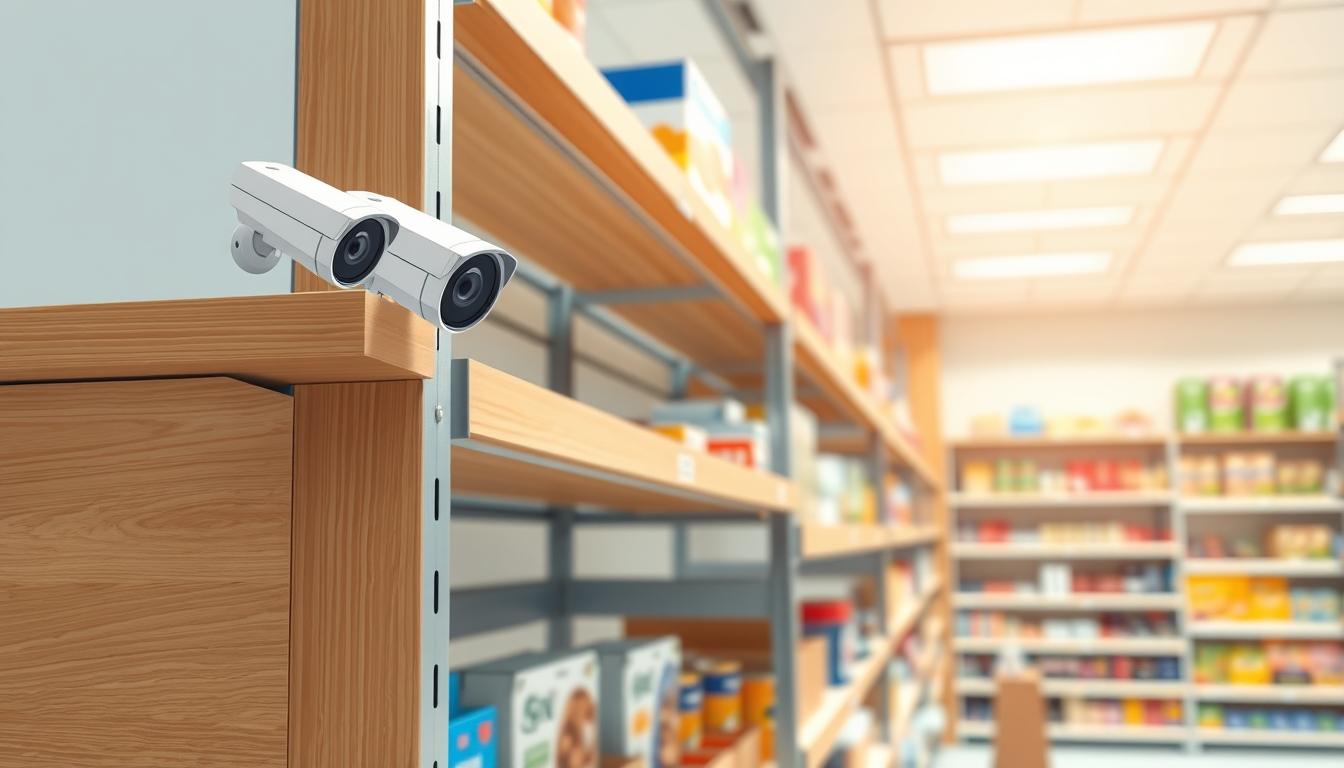
Shelf management is about planning and arranging products well. A computer vision system uses cameras to check if products are where they should be. It finds missing items, price mistakes, and when stock is low.
These systems can automatically check for these issues. They help teams focus on what needs to be done, not guesswork.
Importance of AI in Retail
The way retailers use data is changing. Now, they use visual intelligence to help. Empty shelves can lose sales and hurt a brand’s image.
There are many reasons for empty shelves. These include old plans, poor ordering, and staff choices. Also, supply chain problems can cause stockouts.
AI helps by checking stock levels and predicting when to restock. This keeps shelves full and reduces waste.
Overview of Current Technology
Today’s systems use cameras and edge computing for fast checks. Cloud analytics helps understand trends and predict sales.
Stores like Amazon Go are testing new ways to shop. Companies like AWS and Microsoft offer tools for retailers. Roboflow and Trax help stores use these tools.
These tools work together to make shelf management better. They help small and big stores alike, giving teams the insights they need.
Benefits of Shelf-Monitoring AI Solutions
Retailers work hard to keep shelves full and prices right. Shelf-monitoring systems use AI to help. They spot empty shelves and wrong prices in real time.
Improved Inventory Management
These systems scan shelves fast, catching empty spots before customers see them. They also send alerts for big sales and supply chain issues.
AI links visual data to inventory records. This means fewer mistakes and better planning. Stores can restock on time instead of waiting for empty shelves.
Enhanced Customer Experience
Shoppers want to find what they need fast. AI helps keep shelves full, making shopping better. Stores see happier customers and more sales.
AI makes shopping smooth. Shelves are always full, and finding items is easy. Happy customers buy more and come back.
Cost Reduction and Efficiency Gains
AI saves time and money on inventory checks. Teams spend less time on audits. They can focus on helping customers and making the store look good.
AI finds stock-outs and price mistakes fast. This saves money and keeps sales up. It’s more accurate than humans and saves a lot of money.
| Benefit | Typical Impact | How AI Contributes |
|---|---|---|
| Stock-out reduction | Up to 30% fewer empty facings | Real-time alerts and predictive replenishment from AI shelf monitoring |
| Labor efficiency | 20–30% time savings on audits | Automated scans replace manual checks using AI solution for retail shelf monitoring |
| Customer satisfaction | 10–25% uplift in satisfaction and conversion | Improved availability and easier product discovery via AI image recognition for inventory control |
| Pricing accuracy | Fewer pricing disputes and markdown errors | Continuous verification of shelf labels and POS alignment by vision systems |
| Inventory visibility | More accurate stock counts and forecasts | Integration of shelf imagery with inventory systems for real-time insights |
Retail teams that use AI see better demand and lower costs. For more info, check out shelf-monitoring solutions.
Key Technologies Behind Shelf-Monitoring
Modern retail shelf monitoring uses vision, models, and fast data. These parts work together to make images into actions for stores and suppliers. Below, we’ll look at the main technologies for reliable shelf management.
Image Recognition and Analysis
Image recognition starts with finding products and labels. It uses bounding boxes for this. Then, it expands boxes, crops the area, and runs OCR to get product names and prices.
OpenCV and commercial models are the base for these tasks. Advanced setups might use Google Gemini for better detection and OCR, even with noisy text and graphics.
After OCR, the output is cleaned and matched to SKU records. This reduces errors between what’s on the shelf and what’s in the database. Clear boxes and confident text help with price checks and planogram validation.
Machine Learning Algorithms
Object detection and classification models find items and their states. They need images with labels and annotations. Good labeling helps models tell apart tags and crowded shelves.
Confidence scores help make decisions. Low scores mean rechecks or human review. Some models, like Gemini, turn visual inputs into structured JSON for easier integration.
Real-Time Data Processing
Edge computing cuts down on latency for alerts. Running the AI on local hardware gives quick notifications to staff. Cloud processing handles bigger tasks like analytics and model retraining.
Middleware and APIs connect vision outputs with POS and inventory systems. Automated workflows can trigger reorders or update dashboards. The right mix of edge and cloud depends on cost, bandwidth, and response time.
| Technology Layer | Main Role | Common Tools | Primary Benefit |
|---|---|---|---|
| Image Capture | Acquire clear shelf photos for analysis | IP cameras, mobile scanners, DSLR | High-quality input improves detection and OCR |
| Preprocessing | Enhance images, detect label regions | OpenCV, image augmentation libraries | Reduces OCR errors, handles glare and occlusion |
| Detection & OCR | Locate items and extract text | YOLO/SSD variants, Tesseract, Gemini-based models | Accurate product and price reading |
| Inference & Reasoning | Classify states and produce structured output | TensorFlow, PyTorch, Gemini reasoning models | Generates JSON with product, price, confidence |
| Edge vs Cloud | Decide where to run models and analytics | Edge TPU, NVIDIA Jetson, AWS/GCP | Balance latency and scale for operations |
| Integration | Connect vision outputs to business systems | REST APIs, middleware platforms, ERP connectors | Automates reorders and validates POS data |
Applications of Shelf-Monitoring in Retail
Retailers are using sensors to know what’s on the shelves. A system using computer vision gives them real-time data. This helps them fix problems fast and keep things fresh.
Supermarkets and Grocery Stores
Big grocery stores use robots and cameras to check shelves. These tools find missing items and check prices. Stores like Kroger and Walmart see fewer empty shelves thanks to AI.
Computer vision helps check food freshness quickly. This means staff can focus on other tasks. It also cuts down on lost sales and spoiled food.
E-commerce and Online Retail
Online stores use visual data to improve delivery. This makes sure customers get what they want. It also lowers the chance of failed pickups.
Checking stock in the backroom makes packing more accurate. This reduces returns. A system that works with order management ensures listings are up-to-date. This boosts sales and cuts down on cancellations.
Fashion and Apparel Retailers
Fashion stores use vision systems to see how displays are doing. This helps them place items where they’ll sell best. It also helps them change things up to keep customers interested.
AI helps with virtual try-on and AR. This makes shopping easier. It shows what’s available and helps with fit. This makes buying more fun and increases sales.
Learn more about computer vision in retail here: computer vision for retail shelf monitoring.
| Retail Segment | Primary Use Case | Typical Impact |
|---|---|---|
| Supermarkets & Grocery | Nightly shelf scans, price verification, freshness checks | Fewer out-of-stocks, reduced spoilage, faster resets |
| E-commerce & Omnichannel | On-shelf availability feeding fulfillment, backroom verification | Lower failed pickups, fewer returns, improved delivery accuracy |
| Fashion & Apparel | Display heat-mapping, attention analytics, merchandising guidance | Higher conversion, better planogram compliance, smarter assortments |
| Cross-segment Benefits | Real-time alerts, predictive restocking, promotional verification | Higher revenue capture, improved campaign ROI, operational efficiency |
Stores that use computer vision see big improvements. They have more stock and happier customers. For more on how this works, check out this analysis: AI use case: shelf monitoring.
Case Studies: Successful Implementations
Real-world examples show how AI helps in retail. We see how it moves from idea to real results. These stories include using robots, automating backrooms, and analyzing images.
Walmart’s Smart Shelf Initiative
Walmart uses robots to check shelves. They find empty spots, wrong prices, and misplaced items. Robots scan faster and more accurately than people.
Walmart tested robots in many stores. They found fewer empty shelves and fixed prices quicker. This shows AI’s big benefits in retail.
Kroger’s AI-Powered Inventory Tracking
Kroger checks produce quality with AI. Cameras look at texture and color. This helps keep food fresh and cuts down on waste.
Kroger also sorts items faster. This means shelves are always full. Customers are happier with fresher products.
Target’s Use of Computer Vision
Target uses AI to see how people move. Heat maps show where shoppers go. This helps place products where they’re most wanted.
Target saw sales go up for items in the right spots. AI helps make stores better for shoppers.
Challenges in Implementing Shelf-Monitoring Systems
Using new tech in stores has good points and bad. Leaders must think about money, tech, and laws. A smart plan helps teams start using it smoothly.

High Initial Costs
Buying cameras and devices costs a lot. Software and training add to the bill. It takes time and money to teach staff.
Small stores can start small. Try it in a few places first. Cloud options can help save money upfront.
Integration with Existing Systems
Connecting new tech to old systems is hard. Data formats and timing can cause problems. This slows down using it and lowers benefits.
Using special tools and APIs helps connect systems. Good data mapping and checks can fix issues fast. This makes things more accurate and quicker.
Data Privacy Concerns
Keeping customer info safe is key. Stores must follow laws like CCPA and GDPR. Bad systems can hurt the brand and face legal trouble.
Stores should keep data safe and tell customers how. Use strong security and logs to protect data. This builds trust and keeps customers happy.
Future Trends in Shelf-Monitoring Technology
Retailers are seeing big changes. Computer vision is moving from small tests to being used everywhere. Teams at big stores like Walmart and Kroger are making quick decisions thanks to computer vision.
Advancements in AI and Machine Learning
Vision models will get better and smaller. Engineers want to use these models on cameras and devices right in stores. This means stores can act fast on what they see.
Soon, we’ll have models that are light but powerful. This will let stores use AI without always needing the internet. It will make things faster and keep data safe.
The Role of IoT in Shelf Monitoring
Sensors will work together more. Weight sensors, RFID, and cameras will all help. This means stores can be sure when it’s time to restock.
IoT will make shelves and cameras send more data. Stores will use this data to understand how products move. They’ll know when to restock and when to expect more demand.
Predictions for Retail Innovations
Shopping will get easier and more like what we see in movies. Stores without cashiers, prices that change based on what’s in stock, and robots doing tasks will become common. This is because technology is getting cheaper.
Stores will see returns on their investments faster. This is because of better technology and cheaper sensors. For more details, check out computer vision for shelf management.
Investments in these areas will change how stores use computer vision and AI. It will make inventory control better for everyone.
Best Practices for Retailers
Using AI for shelf monitoring needs a good plan. It should mix technology, people, and process well. Leaders should pick the right partners, train their teams, and update systems often.
Choosing the Right Technology Partner
Look for vendors with retail know-how and success stories. Choose ones like Trax and AiFi or Roboflow. They should offer case studies and pilot chances.
Make sure the vendor works with your systems. Run a small test to see how well it works. Check how it saves time, cuts stockouts, and reduces theft.
Training Staff for AI Integration
Create a program to teach staff about AI alerts. Teach them to retake photos when labels are wrong. Also, teach them to handle price mismatch alerts.
Get everyone involved, from store ops to IT and merchandising. Working together helps turn AI insights into action on the shelves.
Regularly Updating Software and Systems
Keep your AI up to date by retraining it often. Add more data to make it better for your store.
Start small and watch your numbers closely. Track how fast you check stock and how accurate you are. Also, check your privacy and follow the rules.
For more info on how AI helps, see this analysis on computer vision in retail.
Conclusion: The Future of Shelf-Monitoring
Shelf-monitoring computer vision is now a real solution for daily retail problems. It spots stockouts, pricing errors, and misplaced items right away. This helps increase sales and makes customers happier.
Retailers who use these systems get important insights. They can cut down on manual checks and shrinkage. Plus, they make sure shelves are always full.
To keep improving, you need to keep collecting data and updating models. This keeps the system accurate as things change. Start small, track important numbers, and grow slowly to see if it works.
Choosing to use AI for shelf management should be smart. Use cloud and edge processing to save money and time. Work with vendors who know retail vision well. Make sure privacy and integration are strong.
By doing this, you can make shelf-level intelligence work for your business. It will help you run better and make customers happier. Computer vision for shelf management is key for today’s retail.
FAQ
What is shelf-monitoring computer vision and how does it differ from traditional shelf management?
Shelf-monitoring computer vision uses cameras and AI to check products on shelves. It looks for labels, prices, and if things are in the right place. This is different from old ways that only check sometimes and use old data.
With computer vision, teams can fix problems right away. They can find empty shelves and wrong prices fast.
Why is AI important for retail shelf management now?
AI helps retailers see problems before they happen. Empty shelves and wrong prices can lose sales and upset customers. AI finds these issues quickly.
It works better than old ways because it uses images. This way, teams can act fast instead of waiting.
What core technologies power modern shelf-monitoring systems?
Modern systems use object detection and OCR for labels and prices. They also use edge computing for quick alerts and cloud services for big data. Tools like OpenCV and AWS Panorama help make these systems work.
How does shelf-monitoring AI improve inventory accuracy?
AI scans shelves to find missing items, wrong prices, and misplaced products. It sends alerts for restocking. This makes sure shelves are always full.
It also helps plan for busy times and avoid supply chain surprises. This keeps shelves full and sales up.
What customer experience benefits can retailers expect?
Real-time shelf info means customers find what they need. This makes them happy and more likely to buy. It also helps with quick checkout.
Stores that use computer vision see a 10–25% boost in customer happiness and sales.
What efficiency and cost benefits does computer vision deliver?
Vision systems cut down on manual checks by 20–30%. They find missing items and wrong prices fast. This saves money and time.
They also check shelves better than people do. This saves even more money and time.
How do object detection and OCR workflows work for shelf labels?
Cameras find shelf labels and then OCR reads them. This gives info on products and prices. It’s like a digital check.
Tools like OpenCV help make this process work well. They make sure the info is right.
What machine-learning models are used, and what data do they require?
Models like YOLO and Faster R-CNN are used. They need lots of labeled images. This helps them learn to recognize things.
They also need to handle different lighting and things in the way. This makes them better over time.
Should processing occur at the edge or in the cloud?
Edge processing is fast, perfect for alerts. Cloud processing is good for big data and updates. Many use both for the best results.
How are shelf-monitoring systems used in supermarkets and grocery stores?
Supermarkets use robots and cameras to check shelves. They find missing items and wrong prices. This helps keep shelves full and prices right.
They also check food freshness and reduce theft. This makes inventory more accurate and saves money.
How does in-store shelf monitoring support e-commerce and omnichannel fulfillment?
Accurate shelf info helps with online orders and same-day delivery. It makes sure what’s online is what’s in stock. This lowers canceled orders and unhappy customers.
What value does computer vision bring to fashion and apparel retailers?
Fashion retailers use computer vision to see how displays work. They check what catches people’s attention. This helps them place products better and improve shopping.
They also use AR and virtual try-on. This increases sales and makes shopping better.
What real-world examples show the impact of shelf-monitoring AI?
Walmart uses robots to find missing items and wrong prices. This saves time and money. Kroger checks produce quality and shelf stock with computer vision. This reduces waste.
Target uses visual analytics to improve sales. They adjust displays and traffic to increase sales.
What are the main cost challenges of implementing shelf-monitoring systems?
Starting costs include cameras, devices, software, and training. High costs can be lowered by starting small and using cloud services. This helps smaller stores save money.
How difficult is integration with existing POS, inventory, and ERP systems?
Integrating systems can be hard. It needs data mapping and real-time checks. Solutions use APIs and data-matching to connect vision with POS and ERP.
What privacy and regulatory concerns should retailers address?
Vision systems must follow laws like CCPA and GDPR. They should anonymize data and keep it safe. Clear privacy policies build trust.
How will AI and machine learning evolve for shelf monitoring?
AI will get better at recognizing things. It will use images and words together. Models will work better on devices and be easier to update.
What role will IoT play alongside computer vision?
IoT will help by combining sensors and vision. This will make detection more accurate. IoT-connected shelves will help with restocking and tracking.
What retail innovations are likely as shelf-monitoring tech matures?
We’ll see more frictionless shopping and cashierless stores. Robotics and dynamic pricing will become common. As costs go down, more stores will use these technologies.
How should retailers choose a technology partner for shelf monitoring?
Look for a partner with retail experience and good case studies. Check their integration and support. Vendors like Trax and AiFi are good for specific needs.
How should retailers train staff to work with AI shelf-monitoring tools?
Teach staff to understand alerts and fix problems. Work together with IT and merchandising. Clear instructions and hands-on training help staff use the tools well.
What maintenance is required after deployment?
Keep data flowing, update models, and check privacy policies. Watch for changes in how well the system works. Use small tests to improve the system.
What KPIs should retailers track to measure success?
Watch stockout rates, audit time, price errors, and sales. Also, look at return rates and how happy customers are. This shows if the system is working well.
What is the recommended approach to start a shelf-monitoring initiative?
Start with a small pilot. Choose a few stores and clear goals. Use a mix of edge and cloud for the best results. Make sure to follow privacy rules and connect well with other systems.