Words can change everything in care moments. A family waits in a hospital for clear answers. A clinician tries to explain a diagnosis.
For many patients, clear communication is key. This is true for those who speak little English. Telehealth remote interpretation services help a lot.
This guide talks about telemedicine language services. It covers phone interpreting, video remote interpreting (VRI), and more. It helps leaders and clinicians make good choices.
Medical interpreters are trained well. They know about clinical terms, ethics, and keeping secrets. A study in California shows remote interpreting works well for Spanish speakers.
But, many prefer in-person talks. The right mix of technology and personal touch is key. It’s about fast connections, safe systems, and easy payment.
When picking virtual interpreters, look at access, quality, and rules. Working with experts like Voyce Global is a good idea. It helps make sure telehealth helps patients, not hinders them.
Key Takeaways
- Telehealth remote interpretation services include phone interpreting, VRI, and integrated telemedicine platforms.
- Telemedicine language services can match patient-reported experience to in-person care but require careful implementation.
- Clinicians often prefer in-person interpretation for relationship and quality reasons; flexibility in delivery is important.
- Priority criteria: accessibility, rapid connection, HIPAA compliance, and interpreter training.
- Choosing virtual healthcare interpreters should align with clinical workflows and payment policies.
Overview of Telehealth Remote Interpretation Services
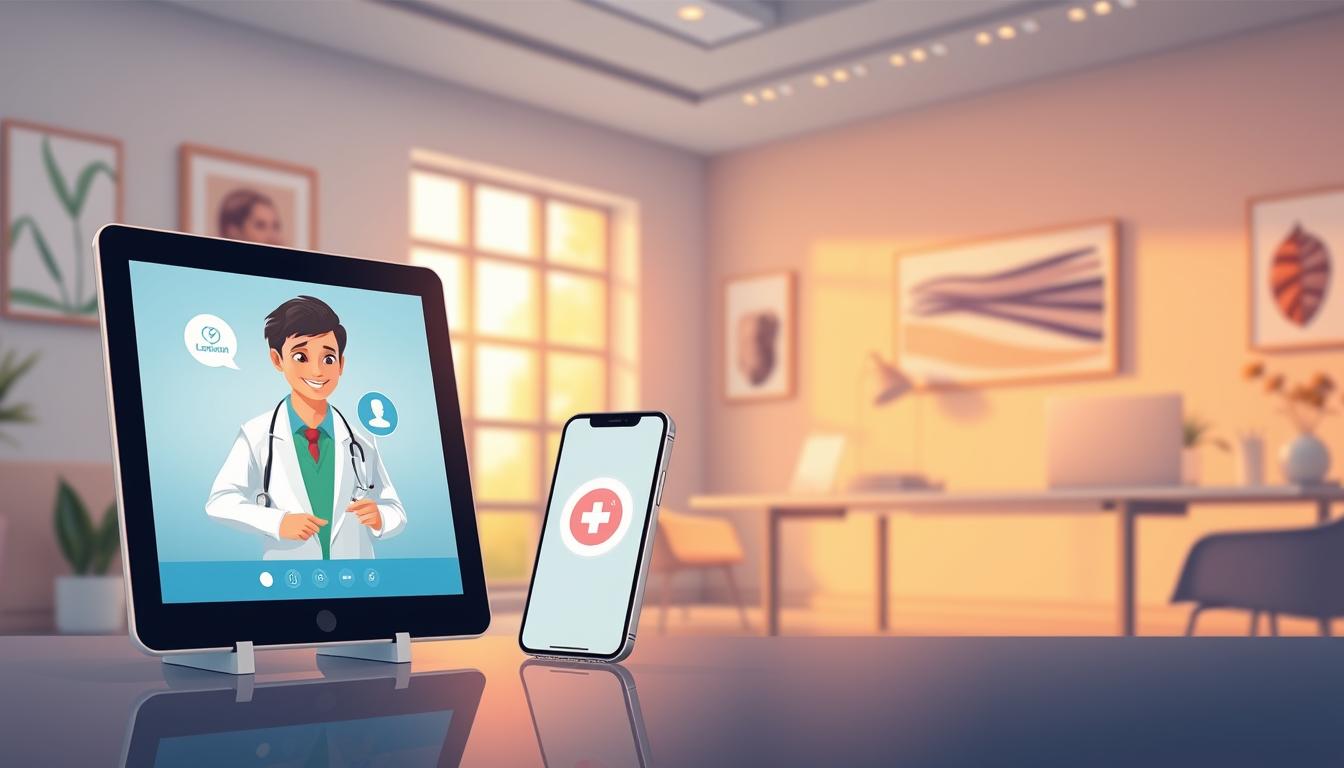
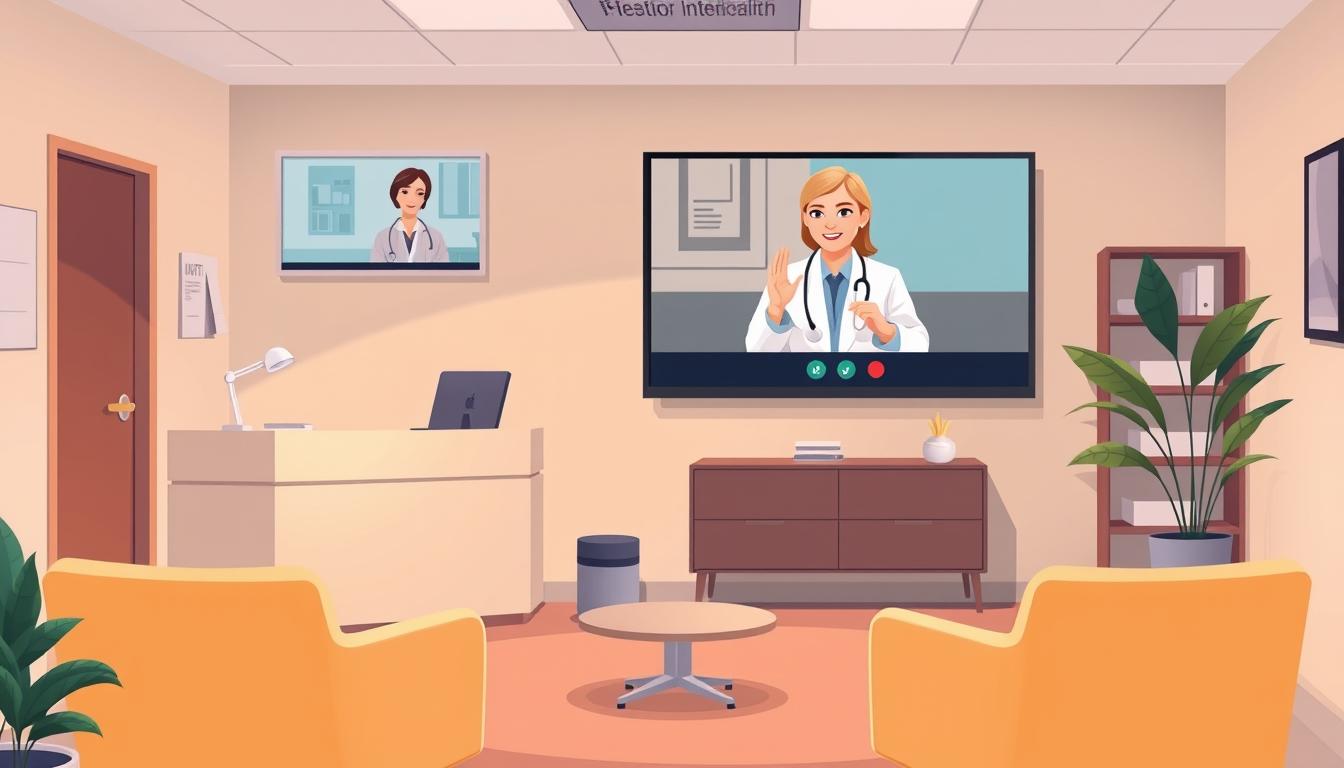
Telehealth remote interpretation connects doctors and patients with certified linguists. This service uses video, phone calls, and online platforms. It helps when face-to-face interpreters are not there.
Many use phone calls for non-Spanish languages and some Spanish sessions. Data show phone calls are often the default. Health systems can quickly get telehealth language services.
Definition of Telehealth Interpretation
Telehealth interpretation helps with spoken or signed language in real-time. It uses video, phone calls, and online platforms. These tools help with tasks like triage and informed consent.
Importance in Healthcare
Online medical interpreters help avoid mistakes and improve decisions for patients who don’t speak much English. Studies show better understanding of prescriptions and more follow-up. Laws require language access, making telehealth services key for compliance.
| Use Case | Common Modality | Primary Benefit |
|---|---|---|
| Emergency triage | Audio-only phone interpreting | Fast access to clinical guidance |
| Outpatient visits | Video remote interpreting | Visual cues improve assessment quality |
| Community clinics | Platform-integrated interpreters | Smoother scheduling and documentation |
| Rural telemedicine | Mixed audio and video | Expanded reach where on-site staff are scarce |
Benefits of Telehealth Remote Interpretation
Telehealth remote interpretation helps doctors reach more patients. It uses technology and skilled linguists for quick language help. This is in hospitals, clinics, and health centers.
Improved Patient Access
Remote models let patients get help fast in many languages. This includes American Sign Language and rare languages. Video Remote Interpreting adds visual cues for better understanding.
By mixing on-site and remote staff, clinics cover more ground. On-site interpreters handle common needs. Virtual ones help with less common languages or when needed more.
Cost-Effectiveness
Telehealth saves money by cutting travel costs and overhead. It uses session-based billing. This makes phone or VRI services great for short needs.
It’s easy to add telemedicine services to many places without hiring lots of staff. For rare languages, remote is cheaper. This makes a smart, budget-friendly plan.
Key Technologies in Remote Interpretation
Good telehealth interpretation needs solid tech and clear steps. Providers do well when systems are top-notch, safe, and work well together. This part talks about two main tech areas and how to keep services going.
Video Conferencing Tools
For video remote interpretation, you need clear video, fast connection, and safe encryption. These help keep important body language and facial expressions clear, which is key in ASL and mental health talks. Tools like Zoom for Healthcare and Cisco Webex for Telehealth work well with good cameras and headsets.
It’s important to follow guidelines for equipment, internet, and testing. BC Telehealth says having a team for tech and support keeps things running smoothly. Working with electronic health records makes it easy to keep track of interpreted talks and patient language needs.
Audio Interpretation Systems
Audio systems are key when video isn’t possible. Phone-based systems are quick and good for simple calls. It’s important to have clear rules for starting calls, knowing who’s speaking, and keeping things private.
Testing and backup plans help keep care going without stops. Having clear steps helps interpreters switch easily when needed.
Both tech types need to work together well. Systems should fit with EHRs to track interpreter use. Having a team for telehealth helps keep services running. A study shows using video together can save money and be fast, with thousands of requests handled quickly. You can read more about it here: shared video interpretation study.
| Feature | Video Conferencing Tools | Audio Interpretation Systems |
|---|---|---|
| Primary use | ASL, mental health, visual nuance | Telephone triage, low-bandwidth settings |
| Quality needs | HD video, low latency, secure encryption | Clear audio, noise control, robust connection |
| Workflow integration | EHR documentation, scheduling, video logs | EHR flags, encounter modality notes, call logs |
| Staffing roles | Telehealth coordinators, on-camera interpreters | Call-center interpreters, technical support |
| Cost impact | Higher initial equipment cost, lower long-term per-encounter cost | Lower setup cost, efficient for high-volume audio needs |
| Best practice | Routine testing, bandwidth planning, staff training | Clear protocols, backup plans, modality tracking |
Using both tech types together works best. Solutions that switch easily between video and audio help avoid missed chances. Training and teamwork help virtual and remote interpreters give the best care.
Types of Interpretation Services Offered
Telehealth language services come in many types. Each type is chosen based on how fast, accurate, and personal it is. Doctors pick the best one for each patient.

Simultaneous interpretation means talking at the same time. It needs special tools and fast internet. It’s best for quick meetings and urgent talks.
But, it’s not used much in regular doctor visits. Yet, it’s great for urgent situations like trauma or quick team talks.
Consecutive interpretation means taking turns. A person speaks, then the interpreter translates. It’s good for detailed talks or when you need to explain things carefully.
This method helps doctors and patients understand each other better. It’s great for building trust and making sure everyone knows what’s going on.
Services range from in-person to online. What’s best depends on the situation and the people involved. Things like experience and understanding of cultures matter a lot.
A comparison shows how each service is used and what technology is needed:
| Service Type | Best Use Cases | Technology Needs |
|---|---|---|
| Simultaneous | Multidisciplinary case conferences, rapid-response meetings | Professional VRI, high bandwidth, dual-channel audio |
| Consecutive | Clinical visits, consent discussions, emotionally complex talks | Clear audio/video, trained online medical interpreters, pause-control features |
| Phone-based (Audio) | Quick consultations, after-hours support | Reliable telephony, skilled remote healthcare translation providers |
| Hybrid | Follow-up care, mixed in-person and remote teams | Integrated platforms, scheduling flexibility, telehealth language access services |
Doctors should pick the right service for each patient. Think about the technology, the interpreter’s skills, and what the visit is for.
Industries Utilizing Telehealth Remote Interpretation
Telehealth remote interpretation services have changed how we give care, teach, and help with legal issues. This part talks about three main areas that use remote language help. It shows how virtual telemedicine interpreters and telehealth language access services are used.
Healthcare Providers
Hospitals, emergency rooms, clinics, and health centers use telehealth remote interpretation. They do this to follow the law and help patients more. Mental health programs use it for private and visual counseling and care.
Telemedicine platforms use virtual interpreters for many tasks. This includes triage, follow-ups, and specialist talks.
California community clinics mix on-site and remote interpreters. This helps them serve patients who don’t speak much English. It keeps things running smoothly while making care more accessible.
Educational Institutions
Universities, medical schools, and K–12 schools use remote interpreting for many things. This includes supervision, research interviews, and family meetings. Video remote interpreting (VRI) lets educators include students who speak different languages in classes and labs without leaving campus.
Telehealth language access services also help with parent-teacher meetings and health visits on campus. These services make sure everyone can understand each other, keeping training and care going smoothly.
Legal Services
Legal-aid clinics, court programs, and forensic evaluators need interpreters who are very accurate and keep things private. Remote interpreting helps with important things like testimony and consent forms. It’s used when every word matters.
Providers of telehealth remote interpretation services must show their qualifications and stay neutral. They also have to keep records safely. They choose between simultaneous and consecutive interpreting based on what’s needed for each case.
| Industry | Common Settings | Primary Use Cases | Key Requirements |
|---|---|---|---|
| Healthcare Providers | Hospitals, clinics, telemedicine platforms | Clinical consults, mental health sessions, emergency triage | HIPAA safeguards, video confidentiality, certified interpreters |
| Educational Institutions | Universities, medical schools, K–12 | Training, research interviews, parent conferences | Real-time VRI, scheduling flexibility, integration with LMS |
| Legal Services | Legal-aid clinics, forensic units, court programs | Forensic interviews, consent documentation, depositions | Credential verification, strict record-keeping, interpreter neutrality |
How Telehealth Interpretation Enhances Patient Experience
Telehealth interpretation changes how we talk in doctor’s offices. It mixes correct words with knowing the culture. This helps everyone understand better.
Cultural Competence
Interpreters know more than just words. They understand cultural things that help patients explain their health better.
They learn a lot in school. This helps doctors give care that fits what patients want.
Doctors say working with interpreters makes them feel closer to patients. Using remote interpreters can keep this feeling if done right.
Language Accessibility
Telehealth makes it easier to talk in many languages. Even small clinics can use it to help many people.
Doctors know which languages are most needed. They use local interpreters for Spanish and remote for others. This makes sure everyone gets help.
Choosing the right way to talk is important. Video is best for sign language and sensitive talks. Audio is good for quick checks or when internet is slow. Making sure everything is clear and safe keeps trust.
Legal and Regulatory Considerations
Legal rules guide how telehealth language services work. Providers must protect patient rights and follow rules for handling health info. Having clear policies helps avoid risks and ensures quality in remote interpretation services.
HIPAA rules require encrypted data, strong security, and agreements with vendors. It’s important to check vendors’ security and data rules. Secure notes in health records should include interpreter info and patient consent.
HIPAA Compliance
Interpreter platforms must use end-to-end encryption for video and audio. They should also support access controls and detailed logging. Providers need to get BAAs from vendors and follow privacy policies.
The MIPP pilot showed how tracking consent and interpreter presence helps with compliance and quality. This makes sure services meet standards.
State Regulations
Licensing rules vary by state. Clinicians must follow laws where patients are. Some states require written consent for telemedicine and specific licenses.
The Interstate Medical Licensure Compact helps with licensing across states. But, getting credentials and privileges at host facilities is key.
Federal laws like Title VI and the Affordable Care Act require language access. Not providing qualified interpreters can lead to legal issues and unfair care. Institutions should check interpreter standards and make agreements when services cross lines.
For more on telemedicine rules and best practices, see this review of policy and practice here.
| Area | Key Requirement | Practical Step |
|---|---|---|
| Data Security | Encrypted channels, BAAs, audit logs | Verify vendor encryption, keep retention policy, run periodic audits |
| Licensure | Provider licensed in patient’s state | Use IMLC where applicable; secure local privileges and credentials |
| Interpreter Credentials | Qualified interpreter standards per state/facility | Maintain interpreter rosters with certifications and IDs |
| Consent & Documentation | Document consent, interpreter ID, modality | Embed fields in the EHR encounter form for telemedicine language services |
| Federal Compliance | Title VI and ACA language access mandates | Offer telehealth language access services to federally funded patients |
| Malpractice & Billing | Coverage for telemedicine encounters; billing rules | Confirm policy jurisdiction coverage and align billing with state rules |
Having clear compliance steps helps grow telehealth services while keeping patients safe. Regular training and audits keep services strong and compliant.
Challenges in Telehealth Remote Interpretation
Telehealth remote interpretation has many benefits and challenges. Technical issues, quality, and privacy are key. Providers must find ways to keep patients trusting them.
Technical Barriers
Slow internet and bad connections are big problems. Clinics often struggle with poor video and audio. This makes it hard to talk during important moments.
Old devices can also cause trouble. Some systems don’t work well with older tablets. This means doctors and patients might only talk, not see each other.
To fix these issues, clinics can test equipment and check platforms often. Having a tech person ready to help during calls is also helpful. Using strong platforms can make things run smoother.
Quality Assurance
It’s important to have skilled interpreters. They know medical terms and cultural differences. This helps avoid mistakes and makes sure patients understand.
Checking on interpreters is key. Clinics should look at how well they do, what patients say, and what doctors think. This helps find areas to get better.
Keeping patient info safe is also important. Clinics need to protect data and follow rules. This might change how they use online interpreters.
Having clear rules and support for interpreters helps. This makes sure everyone works well together. It keeps care safe and fair.
How to Choose a Telehealth Remote Interpretation Service
Finding the right partner for telehealth needs is important. Look at interpreter skills, how secure the platform is, and how it works. This guide helps you pick the best service by looking at cost and what you need for patients.
Evaluating Providers
First, check if the interpreters are certified and know medicine. They should also know about ethics and cultures. Make sure they offer Video Remote Interpreting (VRI), phone calls, and ASL when needed.
Check if the tech works with your systems. It should be safe for patient info. Look at this guide on remote interpreting for more info.
Look at how they work: on-demand or scheduled, 24/7, and for rare languages. Ask for examples from other hospitals. They should share how well they do and how they handle problems.
Cost Considerations
Compare prices: by the minute, per session, or subscription. Think about all costs: equipment, training, and support. Try small tests to see all costs before you start big.
Match your budget to what you need. Some areas need more interpreters, while others can use remote services. Look at what you can get for your money.
Check if you can get money back from Medicaid or Medicare. Look for state programs and grants. Plan for extra costs when you start to avoid surprises.
Use clear criteria to choose vendors: skills, security, and how well they work. This way, you get a good service that helps patients and doesn’t break the bank.
Future Trends in Telehealth Interpretation Services
The future of telehealth will mix human skills with new tech. AI will help with words, text, and matching interpreters. This will make conversations faster and more consistent.
New platforms will use smart matching and data from health records. This will pair interpreters better for each patient. It will use on-site teams for common languages and remote for rare ones.
But, AI must not replace human interpreters. It should help them, not take their place. Broadband, fair pay, and quality checks will help reach more people.
Companies that use AI wisely will do better. They will meet legal needs, improve patient care, and reduce language barriers.
FAQ
What are telehealth remote interpretation services and which modalities do they include?
Telehealth remote interpretation services help doctors and patients talk in real time. They use technology like video calls and phones. Interpreters are trained in medical terms and keep patient secrets.
Why are telehealth interpretation solutions important in healthcare?
They help doctors talk better with patients who don’t speak the same language. This is key for people who speak little English. It also helps meet legal rules for language access.
How do remote services compare with in-person interpretation in patient experience?
A study in California found patients liked both video and in-person talks. But doctors liked in-person talks better for building relationships. It shows that how we talk matters.
When is Video Remote Interpreting (VRI) preferred over audio-only interpreting?
VRI is better for things like sign language and emotional talks. It keeps nonverbal cues clear. But phone calls are good for quick chats or when video isn’t possible.
What operational models and settings commonly use telehealth interpretation?
Many places use telehealth interpretation, like hospitals and clinics. They offer different ways to get help, like video or phone calls. This meets the needs of each place.
How should healthcare organizations evaluate and select a remote interpretation provider?
Look at the interpreter’s skills and training. Make sure they can talk in many languages. Check if the technology is safe and works well with your systems.
What privacy and compliance safeguards are required for telehealth interpreting?
The service must keep your data safe and follow laws. Make sure to document everything in the patient’s file. This helps keep everyone safe and follows the rules.
What technical barriers commonly affect remote interpretation and how can they be mitigated?
Problems like bad internet and old devices can stop remote talks. Use good technology and have a plan for when things go wrong. This helps keep talks smooth.
How do cost models for remote interpretation typically work and what should organizations consider?
Costs can vary, like per minute or a flat fee. Think about all the costs, like equipment and training. Choose what works best for your budget and needs.
Can AI replace human medical interpreters in telehealth?
AI can help, but it’s not a full replacement. It can make things faster and easier. But, human interpreters are needed for accuracy and understanding.
What quality assurance practices support high-quality telehealth interpretation?
Make sure interpreters are trained and checked often. Use data and feedback to keep improving. This helps make sure talks are clear and helpful.
How do organizations document interpreter use in electronic health records?
Record when an interpreter was used and what language. This helps with billing and making sure talks are clear. It also helps improve care.
What role does telehealth interpretation play in improving access for rural and underserved communities?
It brings interpreters to places where they are hard to find. This helps people get the care they need. It’s a big help for rural areas.
When should organizations prioritize in-person interpreting despite remote alternatives?
Choose in-person talks for important or complex cases. Doctors often prefer them for building trust. It’s best when you can.
What metrics should healthcare leaders track to evaluate telehealth interpretation performance?
Look at how fast and well talks go, and what people think. Use data and feedback to make things better. This helps improve care.
How do state regulations affect telehealth interpretation services?
Laws vary by state on who can interpret and how. Make sure you follow the rules. This keeps everyone safe and follows the law.