Ever felt bad when you missed a doctor’s appointment? Maybe you were busy with work or a sick family member. Remote healthcare is here to help. It lets you get care when you need it, without losing time or money.
This article talks about how remote healthcare helps everyone. It shows how it improves health for chronic conditions like diabetes and heart disease. You can read more about it here.
Now, doctors can check your health anytime with new tech. This means you might not need to go to the hospital as often. Telehealth also saves you money and time. This guide will show you how to use remote care to make health better and cheaper.
Key Takeaways
- Remote healthcare benefits make care more accessible and timely for busy patients.
- Benefits of remote healthcare consultations include better chronic disease management and cost reductions.
- Remote patient monitoring and wearables enable early intervention and fewer hospital stays.
- Telehealth benefits extend to increased specialist access and higher patient satisfaction.
- Practical strategies in the article will help organizations implement telemedicine to drive measurable outcomes.
Overview of Remote Healthcare Consultations
Virtual care has changed how doctors and patients meet. This overview explains what remote consultations are. It helps those deciding between online and in-person visits.
Definition and Purpose
Remote healthcare talks mean video, phone, or messaging chats. It includes live talks, messages sent later, and monitoring devices.
The main goal is to catch problems early and keep an eye on health. It helps people with long-term conditions like heart issues and diabetes.
Types of Remote Healthcare Services
Video visits are key; they feel like seeing a doctor in person. Phone calls are good when video isn’t possible.
Message services let doctors check in without needing to meet. Devices like blood pressure monitors send data to doctors automatically.
Specialty visits and care platforms connect doctors with patients easily. Companies like Bask Health offer help anytime. Devices send important health data to doctors.
It’s important to pick the right mix of services. A good mix helps people in rural areas and those with busy lives.
Key Benefits of Remote Healthcare Consultations
Remote healthcare consultations help patients and healthcare systems a lot. They make getting care easier and save money. This helps fit telemedicine into plans for care and what patients need.
Increased Accessibility
Telehealth helps reach people in rural and hard-to-reach areas. It lets doctors see patients without needing to travel. This is good for places where it’s hard to get care.
Systems like remote patient monitoring help patients send health info from home. This is shown to improve health control quickly. It also helps get specialist care faster and better manage chronic conditions.
Virtual triage and digital check-ins make waiting times shorter. This means patients can get help sooner. It also helps catch problems early and avoid missed appointments.
Cost-Effectiveness
Most U.S. healthcare spending is on chronic conditions. Telehealth is most helpful here. It lowers the need for hospital stays and readmissions for conditions like heart failure and high blood pressure.
Patients save money and time by not having to travel. They avoid costs of around $131 per visit. Doctors can see more patients, which helps everyone.
| Metric | Impact | Relevance |
|---|---|---|
| Home monitoring readings | Increased disease control and earlier alerts | Supports chronic care management and specialist referrals |
| Travel time and cost saved | 3.6–4.5 hours and ~$131 per visit | Improves adherence and reduces financial burden |
| Provider throughput | +2.54 patients per day in some programs | Enhances clinic productivity and access |
| Readmission and hospitalization reduction | Substantial drops reported in targeted conditions | Drives return on investment for health systems |
| Reimbursement pathways | Medicare CPT codes for RPM and telehealth exist | Enables sustainable financial models with vendor support |
Telemedicine is great because it’s affordable and reaches more people. It saves money and helps more people get care. For more info, check out Miloriano for real examples and results.
Convenience and Flexibility in Scheduling
Remote care changes how we plan our days. It makes it easier to book appointments. This means less time lost to traffic and waiting.
It helps people keep up with their health visits. And it lets them check in more often for better health in the long run.
Lesser Travel Time
Telehealth saves a lot of time. Bask Health says you can save 3.6–4.5 hours per visit. This means less money spent on gas and parking.
It also means fewer overnight stays for care far away. And it helps hourly workers save money by not losing pay.
Saving time is big for working people and family caregivers. It lets them fit in quick virtual visits. This keeps care going smoothly and cuts down on missed appointments.
Availability of Same-Day Appointments
Online platforms make it easier to find a time slot. Clinics can offer quick visits for small issues. This helps avoid crowded emergency rooms.
Being open 24/7 helps get care when you need it. It’s great for managing long-term health issues. This can even lower the chance of going back to the hospital.
Changing how things work helps a lot. Doctors who use online booking and quick visits see more patients. This shows how good telemedicine is. It makes seeing a doctor online better for everyone.
| Scheduling Feature | Impact on Patients | Operational Benefit |
|---|---|---|
| Reduced commute time | 3.6–4.5 hours saved per visit; lower travel costs | Fewer no-shows; improved punctuality |
| Same-day virtual slots | Faster access to care; fewer ED visits | Higher appointment capacity; efficient triage |
| Extended hours availability | Access outside standard work hours | Better chronic care follow-up; reduced readmissions |
| Short visit formats (15 min) | Convenient for minor concerns | Increased throughput; improved patient satisfaction |
Enhanced Patient-Provider Communication
Clear communication is key to better care. Remote platforms change how we share info and make decisions. This section talks about how to improve engagement and trust.
Use of Technology Platforms
Secure telehealth platforms offer video visits and messaging. They link to electronic health records. Epic and Cerner support encrypted video and messaging.
These systems check for drug interactions and allergies. They show lab results in real time. This tech helps make care safer and more informed.
Increased Patient Satisfaction
Patients like timely follow-ups and ongoing communication. Virtual visits let family members join from anywhere. This improves decision-making and support.
Studies show better adherence and fewer readmissions with follow-up workflows. Telehealth can double medication adherence. It also helps control blood pressure and diabetes.
Starting with secure portals and messaging is key. Teams that do this see better engagement and stronger patient relationships. This boosts the benefits of telemedicine and improves communication.
Improved Health Monitoring and Management
Remote care changes how doctors watch over patients. Devices send data all the time. This helps doctors make quick decisions and control diseases better.
Devices like wireless blood pressure cuffs and wearable patches send data. They send heart rate, blood pressure, and more to doctors. This makes it easier for doctors to help patients.
Doctors get alerts for changes in patient health. This means they can help patients sooner. Studies show fewer hospital visits because of this.
For diseases like heart failure and diabetes, monitoring is a big help. It makes life easier for patients and doctors. Studies show better health for patients in rural areas.
Choosing the right devices and platforms is important. They should work with electronic health records. This makes it easier for doctors to help patients from afar.
Expanding Access to Specialists
Telemedicine is changing how we get expert care. It connects local doctors with distant teams. This makes getting help faster and more efficient.
Breaking Geographic Barriers
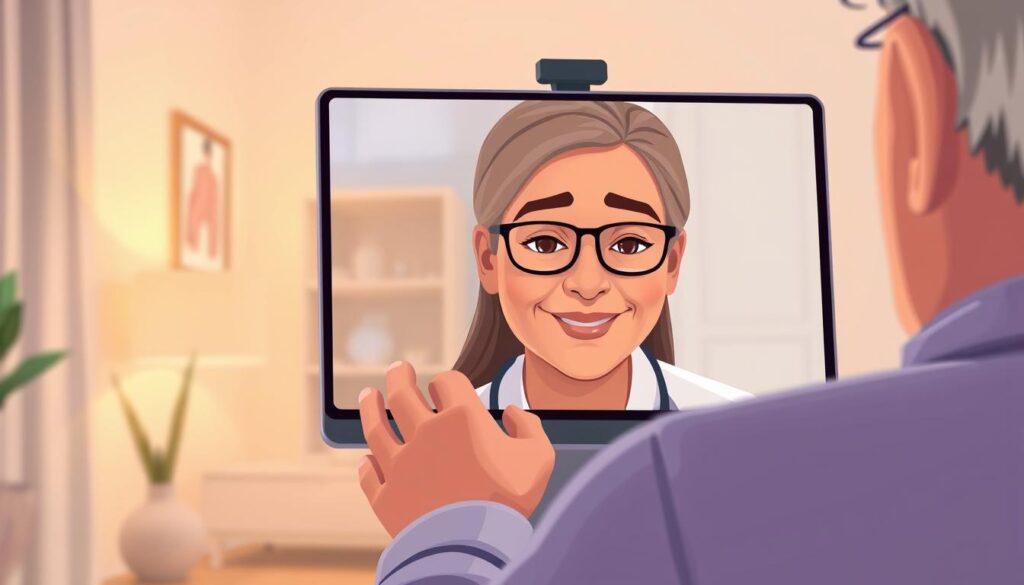
Rural areas often have long waits to see specialists. Telemedicine lets patients get help without leaving home. It helps control chronic diseases better.
Local doctors get help right away. They can share test results and get advice on treatments. This saves patients from long trips and waits.
Virtual Consultations for Specialized Care
Telehealth is used for cardiology, endocrinology, and more. It makes getting second opinions easier. Specialists can review cases with live imaging and labs.
Health systems see shorter wait times and fewer transfers. It saves money on travel and lost work. It also helps manage complex cases better.
Building good referral paths and programs is key. When technology and training match, we see better results. This includes faster care, better continuity, and teamwork.
Safety and Infection Control
Remote healthcare cuts down on clinic visits. It keeps patients and staff safe. Doctors can check symptoms and vital signs without meeting in person.
Minimizing Exposure to Illness
Virtual visits mean fewer people in waiting rooms. This is good for those who are sick or old. Devices at home track important health signs.
Doctors sort out who needs to see them in person. This saves time and resources. It’s for cases that need more attention.
Remote Consultations During Pandemics
Places like Mayo Clinic and Mount Sinai used more telehealth during COVID-19. This helped keep people safe. Studies showed it helped lower death rates and hospital stays.
Safe platforms keep patient info safe. They use strong encryption and extra checks. This keeps care going without too much face-to-face contact.
Investing in telehealth helps get ready for future crises. It combines remote checks, strong platforms, and clear rules. This way, health care can keep going strong during big outbreaks.
The Role of Technology in Remote Healthcare
Technology changes how doctors care for patients from far away. It helps doctors reach more people, make decisions faster, and get patients involved. This part talks about the tools, devices, and ways to use them that help doctors and inventors.
Innovations in Telehealth Tools
New tools mix data from devices, labs, and patient reports into one place. Bask Health tracks heart rate, blood pressure, and more. These tools also use AI for alerts and check medicine safety.
Doctors now have easier workflows and more accurate alerts. This is why new telehealth tools are key to changing healthcare.
Integration with Wearable Devices
Smartwatches track daily activity and heart rate. Medical wearables send important data to health records. Moving from simple wristbands to useful medical tools is happening fast.
Choosing the right devices and setting up alerts correctly is important. This way, telehealth can help catch problems early and manage chronic diseases better.
| Area | Example Capability | Clinical Impact |
|---|---|---|
| Continuous Monitoring | Multi-parameter streams (HR, SpO2, BP, glucose) | Faster detection of deterioration; fewer emergency visits |
| AI Alerting | Cross-source correlation and predictive flags | Improved triage accuracy; reduced false positives |
| Device Integration | Smartwatch and RPM EHR feeds | Streamlined documentation; richer longitudinal data |
| Safety Checks | Real-time drug interaction and allergy alerts | Reduced medication errors; safer remote prescribing |
| Implementation | FDA-cleared devices, standardized APIs, threshold tuning | Higher clinical trust; lower alert fatigue |
Decreased Healthcare Costs for Patients
Remote care changes how we pay for health services. It saves money by moving some visits online. This leads to fewer emergency visits and shorter hospital stays.
Lowered Out-of-Pocket Expenses
Telemedicine cuts costs like travel and parking. Patients save about $131.34 per visit. It also saves money on lost wages and travel time.
Tracking health at home lowers clinic visits. This helps avoid expensive hospital stays. It makes managing chronic diseases cheaper for families.
Insurance Coverage and Reimbursement
Insurance companies are starting to pay for remote care. Medicare and many private plans cover telehealth. This makes it easier for clinics to get paid.
Studies show RPM is cost-effective for many conditions. Providers should keep good records and check insurance rules. This helps prove the value of telehealth.
Actions for clinics and patients: check insurance rules, keep good records, and track savings. These steps help make telehealth more affordable without losing quality.
Challenges of Remote Healthcare Consultations
Remote care has many benefits. But, there are challenges too. Clinicians and patients face problems that can lower quality and increase workload. This section talks about these obstacles and how to overcome them.
Technological Barriers
Not everyone can access remote care because of tech issues. In some places, internet is slow or not available. This makes video visits hard or impossible.
Many people don’t know how to use digital health tools. They need simple instructions. It’s important for tools to work on different devices and be easy to use.
Health systems can help by working with tech companies. They can set up devices and provide support. This helps doctors and makes sure patients get the care they need.
Privacy and Security Concerns
Keeping patient data safe is very important. Many times, patient information has been hacked. This makes people worry about using telehealth.
Good platforms use strong encryption and need more than one way to log in. This keeps sessions and data safe. Companies like Bask Health show they follow strict rules to protect data.
Health groups should have clear rules for using data. They should teach doctors and patients how to stay safe online. This includes using secure Wi-Fi and watching out for scams.
For more information on how to deal with these issues, see this review: review on RPM challenges.
| Challenge | Impact | Practical Mitigation |
|---|---|---|
| Connectivity and devices | Missed appointments, incomplete data | Provide loaner devices, subsidize data plans, optimize apps for low bandwidth |
| Digital literacy | User errors, higher support demand | Offer brief onboarding, multilingual guides, video tutorials |
| Clinical limitations | Missed diagnoses, false alarms | Adopt triage protocols, combine remote and in-person care when needed |
| Data overload | Increased clinician workload | Use data filtering, third-party analytics, and alert thresholds |
| Security and privacy | Loss of patient trust, regulatory risk | Implement encryption, MFA, SOC 2/HITRUST, and routine audits |
| Integration with EMRs | Workflow disruption, duplication | Prioritize vendors with proven EMR connectors and APIs |
Future Trends in Remote Healthcare
Remote care is changing for the better. Places like Cleveland Clinic and Kaiser Permanente are testing new ways to help patients. They want to make telehealth better than just video calls.
Soon, we’ll have better data and devices. Doctors will use wearables and patches to keep an eye on patients. This will help them make better decisions faster.
Anticipated Advancements in Telehealth
AI will help doctors catch problems early. Companies like Abbott and Medtronic are making devices that doctors trust. It will be easier for different systems to talk to each other.
Telemedicine will do more things. It will help with chronic diseases and get specialist help sooner. Health systems need to focus on devices and ways of working that show results.
The Growing Acceptance of Telemedicine
People are getting used to telemedicine more and more. Even big groups like the American Heart Association support it. This shows that telemedicine is becoming more accepted because it works.
Changes in how Medicare pays for it will help it grow. Technology getting better, saving money, and being ready for emergencies will make telehealth a big part of care.
Providers and entrepreneurs need to invest in making things work together. They should pick devices that are proven to work and make care easy for patients. This will help them lead in telehealth.
| Driver | What to Expect | Action for Health Systems |
|---|---|---|
| AI and Analytics | Early warning systems; predictive risk scores | Integrate validated AI tools; train clinicians on interpretation |
| Device Innovation | FDA-cleared wearables and continuous patches | Adopt devices with clinical validation and EHR compatibility |
| Interoperability | Seamless multi-source data sharing (EHR, RPM, wearables) | Implement FHIR-based integrations and vendor-neutral archives |
| Reimbursement | Expanded Medicare/private payer coverage | Document outcomes and ROI to support payment models |
| Patient & Clinician Acceptance | Higher adoption for chronic and routine care | Design user-friendly workflows; prioritize equity and access |
Conclusion: Embracing Remote Healthcare for Improved Health Outcomes
Remote healthcare is now common. It offers better access and lower costs. It also means fewer missed appointments and stronger communication.
Studies show it helps find problems early. It also cuts down on hospital stays and readmissions. Plus, it helps people stick to their medicine.
Summary of Key Benefits
Remote consultations make it easier to see specialists. They save time and money. They also help manage chronic diseases and keep people safe from infections.
They offer clear benefits like saving time and money. They also improve health when they follow strict privacy rules.
Call to Action for Patients and Providers
Patients should try telehealth. Make sure your device works. Join RPM programs for chronic conditions. Use secure portals for check-ups.
Providers and health systems need to use safe telemedicine. Train your staff. Look at FDA-approved monitoring tools. Set up ways to get paid using Medicare codes or trusted partners.
This will help everyone get better care. It will also save money. And it will make healthcare more available to everyone in the U.S.
FAQ
What are remote healthcare consultations and how do they differ from traditional visits?
Remote healthcare consultations, or telemedicine, are when doctors talk to patients online. They use video, phone, or messaging. This way, patients can get help without leaving their homes.
Unlike regular doctor visits, telehealth lets doctors keep an eye on patients all the time. It helps find problems early and fix them fast. This makes healthcare better and easier for everyone.
What types of remote healthcare services are available?
There are many services like video visits and phone calls. You can also get help through messaging and devices that send health info to doctors. Some platforms even offer help 24/7.
These services make it easy to get test results and refill prescriptions online. Doctors can also send messages to patients through secure portals.
How does telehealth increase accessibility for patients?
Telehealth helps people in remote areas get medical help. It connects them with doctors who are far away. This means no long trips for patients.
Devices that send health info to doctors let patients stay at home. This helps doctors catch problems early and treat them quickly.
Can remote consultations reduce healthcare costs?
Yes, they can. Telehealth and devices that send health info can lower costs. They help avoid expensive hospital stays.
Patients save money on travel and doctors can see more patients. This makes healthcare more affordable for everyone.
How much time and money do patients typically save with telemedicine?
Patients save a lot of time and money. Telemedicine cuts down on travel costs and time. It saves about 1.34 per visit.
It also helps working adults and caregivers avoid lost wages. They can stay at home and work instead of traveling to the doctor.
Are same-day or short-notice appointments available via telehealth?
Yes, many platforms offer quick scheduling. You can get appointments on the same day or in just 15 minutes. This makes it easier to get the care you need.
It also helps doctors see more patients. This means less time waiting in emergency rooms and better care for chronic diseases.
How do telehealth platforms improve patient-provider communication?
Telehealth platforms use video and messaging. They also connect with electronic health records. This makes it easier for doctors and patients to talk and share information.
Regular check-ins help build trust. They also make it easier for families to be involved. This leads to better care and outcomes.
What remote patient monitoring tools are commonly used?
Tools include wireless blood pressure cuffs and glucose monitors. There are also pulse oximeters and digital scales. These devices send health info to doctors.
Doctors can then check on patients anytime. This helps catch problems early and keep patients safe.
Can RPM improve chronic disease outcomes?
Yes, it can. RPM helps manage heart failure, high blood pressure, diabetes, and COPD. It lets doctors keep an eye on patients and act fast.
This approach has shown to lower hospital stays and improve health. It also helps patients take their medicine as directed.
How does telemedicine expand access to specialists?
Telemedicine connects patients with specialists online. This means no long trips for appointments. It also saves money on travel.
Doctors can get second opinions and work together on patient care. This makes treatment better and more efficient.
Are remote consultations safe during infectious disease outbreaks?
Yes, they are. Telemedicine reduces face-to-face contact. This lowers the risk of spreading diseases.
During outbreaks, telemedicine helps keep patients safe. It also helps doctors focus on the most urgent cases.
What innovations are shaping the future of telehealth?
New technologies include skin patch monitors and AI for alerts. There are also better ways to connect devices and systems. These advancements will make care more personalized and effective.
Can wearable consumer devices be used clinically?
Yes, they can. Devices like smartwatches provide important health info. But, they need to meet medical standards.
Using data from these devices can help doctors make better decisions. This leads to better care for patients.
How do telehealth services lower out-of-pocket expenses for patients?
Telehealth saves money on travel and lost wages. It also reduces the need for expensive hospital stays. This makes healthcare more affordable for patients.
Will insurance reimburse remote monitoring and telehealth services?
Yes, many insurance plans cover these services. Medicare even has special codes for RPM. But, coverage can vary.
Working with experienced vendors can help with billing and getting paid. This makes telehealth more accessible and affordable.
What technological barriers limit telehealth adoption?
Some barriers include poor internet access and expensive devices. These issues affect people in rural and low-income areas the most. But, there are solutions.
Using easy-to-use platforms and devices that work with phones can help. Good training and support are also key.
How are privacy and security addressed in telemedicine?
Telehealth platforms use strong encryption and secure servers. They follow strict rules to protect patient data. Regular checks and strict access policies are also important.
This ensures patient information stays safe and builds trust in telemedicine.
What are common clinical limitations of remote care?
Some conditions need in-person exams or tests. RPM can sometimes send too much info. This can be overwhelming for doctors.
But, there are ways to fix these problems. Using the right devices and filtering data can help. This makes remote care more effective.
How should health systems select telehealth and RPM solutions?
Choose devices and platforms that are FDA-approved and work with EHRs. Make sure they are secure and easy to use. Good support is also important.
Look for solutions that balance online and in-person care. Make sure they work well with your current systems. This will help you show the value of telehealth.
What measurable outcomes should organizations track when implementing telehealth?
Track hospital stays, medication use, and blood pressure control. Also, look at how many patients show up for appointments and how happy they are with care.
Keep an eye on travel savings and how much doctors can see more patients. This shows how telehealth improves care and saves money.
How can patients get started with telehealth and RPM?
Check if your devices work with telehealth and if your insurance covers it. Sign up for RPM programs when you can. Use secure portals for scheduling and updates.
Talk to your doctor about using telehealth. They can help figure out the best mix of online visits and monitoring for you.
What strategic advice is essential for scaling telemedicine programs?
Invest in devices and systems that work well together. Train doctors and patients on how to use them. Keep track of how telehealth saves money and improves care.
Build partnerships with specialists and standardize how you handle patients. Work with experienced vendors to make things easier. This will help your telehealth program grow.
Which conditions show the strongest economic evidence for RPM?
Heart failure, COPD, and high blood pressure show the most benefits. RPM and telehealth help lower hospital stays and improve health. This saves money for health systems and insurance companies.
How does telehealth affect patient satisfaction and engagement?
Telehealth makes it easier for patients to talk to doctors. It also lets families get involved. This leads to better care and outcomes.
Regular check-ins build trust and improve treatment plans. This makes patients more likely to follow their care plans.