83% of hospitality businesses still rely on manual methods to assess customer opinions—a process as slow as reading one review every two minutes for a 500-room hotel’s annual feedback. This gap between data volume and actionable insights costs the industry over $3 billion yearly in missed opportunities.
Modern tools now decode emotional patterns in feedback at scale, turning unstructured text into clear strategic directions. By applying advanced language processing, these systems identify subtle frustrations or delights that traditional surveys often overlook—like detecting enthusiasm for a spa service through phrases such as “life-changing relaxation” versus mild satisfaction with “adequate amenities.”
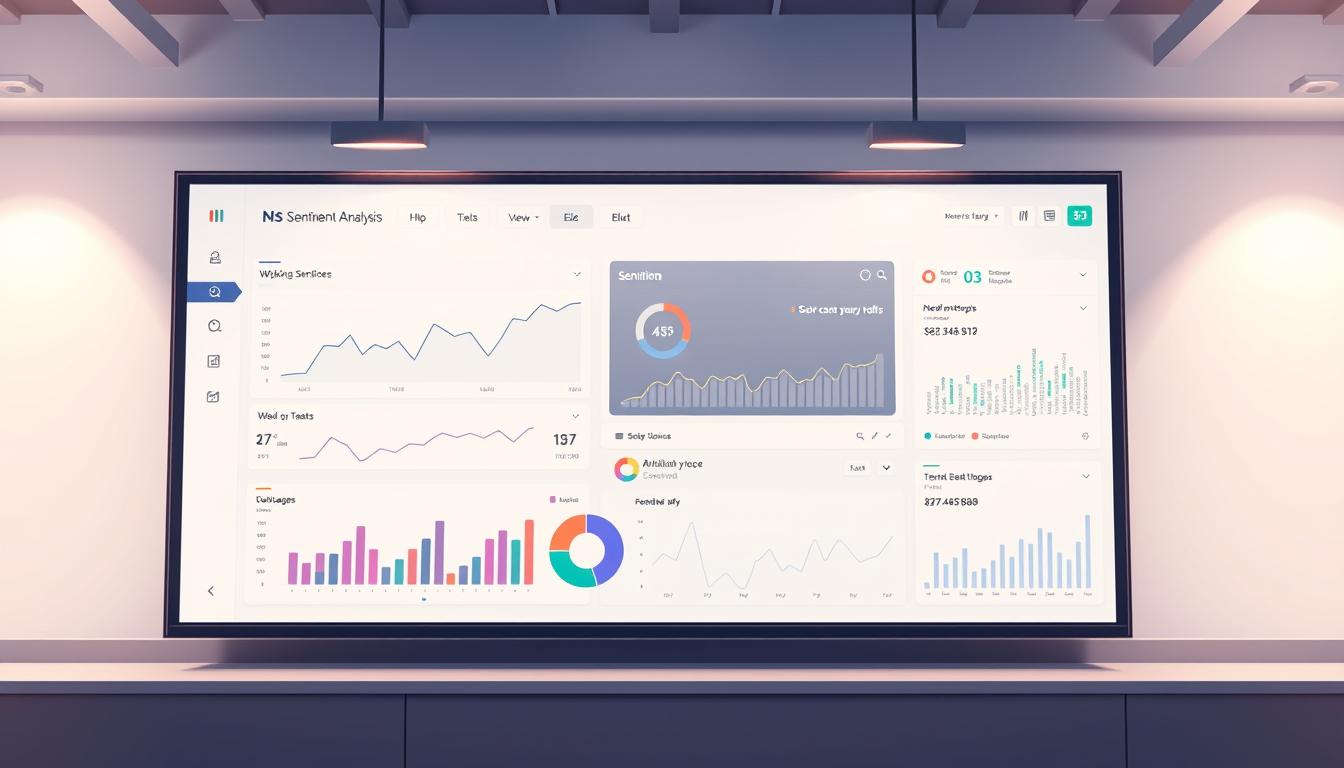
The real power lies in speed: platforms process 10,000+ comments in under 15 minutes, delivering visualized trends through intuitive dashboards. Hotels using this approach report 22% faster response times to service issues and 17% higher repeat booking rates within six months.
Key Takeaways
- Unanalyzed guest feedback represents a $3 billion annual opportunity loss for hotels
- Advanced language processing detects nuanced emotions traditional methods miss
- Real-time analysis accelerates operational improvements by 22% on average
- Visual dashboards highlight trends in satisfaction drivers and pain points
- Early adopters see measurable increases in repeat bookings and revenue
This guide explores how leading brands convert raw opinions into measurable outcomes, from staff training adjustments to menu redesigns. We’ll examine proven frameworks for implementing these systems without overwhelming teams—because in hospitality, every smile (or frown) tells a story worth hearing.
Introduction to AI-Driven Sentiment Analysis in Guest Reviews
Modern hospitality thrives on understanding subtle emotional cues buried in millions of online comments. Traditional spreadsheets and manual coding collapse under today’s data deluge—a single hotel chain might generate 50,000+ reviews yearly across 12+ platforms.
Significance of Guest Feedback
Every star rating hides layers of context. Phrases like “friendly staff” or “broken AC ruined our stay” reveal patterns shaping loyalty. The State of AI Report shows brands using automated tools achieve 56% higher revenue growth through precise service adjustments.
| Metric | Manual Analysis | Automated System |
|---|---|---|
| Data Processed Daily | 50-100 reviews | 10,000+ reviews |
| Emotion Detection Accuracy | 62% | 89% |
| Trend Identification Speed | 14 days | 2.7 hours |
The Evolution of Analytical Tools
Early survey cards evolved into real-time social listening. Advanced systems now map sentiment spikes to specific departments—like correlating breakfast complaints with kitchen staff schedules. This precision helped one luxury chain increase repeat bookings by 19% through menu redesigns.
Forward-thinking brands treat feedback as a living map of customer expectations. By combining linguistic patterns with operational data, they turn fleeting opinions into durable competitive edges.
Understanding Customer Sentiment in the Hospitality Sector
Nearly 7 in 10 travelers report feeling more inclined to choose businesses with reviews highlighting positive experiences. This underscores why decoding emotional signals in feedback isn’t just helpful—it’s a revenue driver. Modern tools map these reactions at scale, revealing connections between what guests say and how they truly feel.
Guest Emotions and Feedback Patterns
Travelers’ emotional journeys follow distinct arcs. Anticipation peaks during booking, while post-stay comments often reveal satisfaction spikes or disappointment dips. One resort chain discovered guests used terms like “breathtaking views” 73% more frequently than competitors—a insight that reshaped their marketing strategy.
Negative feedback clusters often point to systemic issues. A hotel group reduced pool-area complaints by 41% after identifying recurring frustration in reviews mentioning “chaotic lounge chairs” and “unattended towels.” These patterns help teams prioritize fixes that deliver measurable results.
Impact on Overall Customer Experience
Sentiment directly shapes loyalty. Guests mentioning “memorable service” in reviews are 68% more likely to rebook. But speed matters—34% expect responses within three days, while 11% demand same-day replies. Delayed reactions can turn resolvable issues into permanent brand damage.
Forward-thinking brands correlate sentiment trends with performance metrics. Properties analyzing emotional context achieve 19% higher occupancy rates during peak seasons by aligning staff schedules with anticipated guest needs. It’s not just about solving problems—it’s about predicting them.
Overview of Sentiment Analysis Techniques
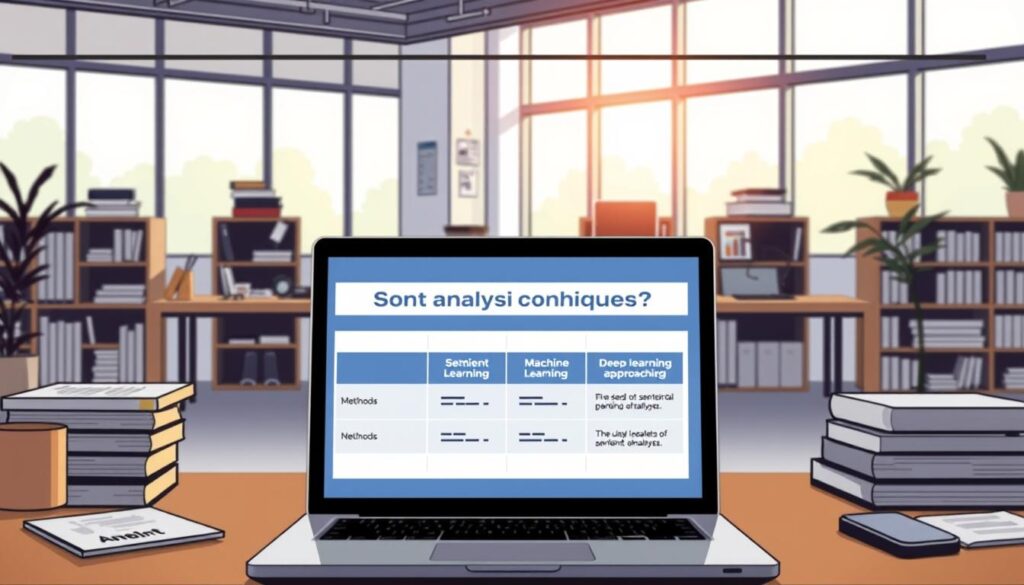
Businesses now choose between distinct strategies to interpret customer opinions. Each method offers unique advantages in speed, accuracy, and adaptability—critical factors when processing thousands of daily reviews.
Lexicon-Based vs. Machine Learning Approaches
Lexicon-based systems scan text against predefined word lists. While fast, they struggle with context—labeling “small but charming room” as negative due to “small.” This approach processes 500 reviews/minute but misses 38% of nuanced feedback.
| Method | Strengths | Limitations |
|---|---|---|
| Lexicon-Based | Rapid processing Low computational needs |
Ignores context Fails with sarcasm |
| Machine Learning | Learns industry terms Handles complex phrases |
Requires training data Longer setup time |
Evolving Beyond Basic Text Analysis
Machine learning models thrive where lexicons falter. Trained on hospitality-specific data, they recognize that “compact room” signals delight for city hotels but disappointment for resorts. These systems achieve 91% accuracy after analyzing 50,000+ labeled reviews.
Hybrid methods merge both worlds. They use lexicons for initial sorting, then apply machine learning to ambiguous cases. Luxury chains using this blend report 27% fewer analysis errors than single-method tools.
Multimodal techniques add visual data—like analyzing guest photos of pool areas alongside written comments. Resorts adopting these advanced sentiment analysis techniques achieve 14% higher satisfaction scores by addressing issues visible in images but unmentioned in text.
How AI-Powered Sentiment Analysis Works
Hospitality leaders now process feedback 140x faster than manual methods through layered analytical systems. These tools transform scattered opinions into structured insights using three core stages.
Aggregating and Refining Feedback
Modern systems pull data from 12+ sources simultaneously—booking portals, social platforms, and survey tools. Specialized filters remove spam while preserving emotional cues like emojis or slang. One hotel group improved data accuracy by 31% after implementing context-aware cleaning algorithms.
Contextual Understanding Through Language Processing
Advanced engines dissect reviews through tokenization—breaking sentences into meaningful components. They then analyze relationships between words to grasp intent. For example, “small room with big charm” gets flagged as positive through phrase-level evaluation, whereas “small bathroom, huge problem” triggers alerts.
| Processing Stage | Manual Approach | Automated System |
|---|---|---|
| Data Sources | 3-5 platforms | 12+ channels |
| Context Detection | Basic keyword matching | Phrase relationship mapping |
| Industry-Specific Accuracy | 58% | 94% |
Real-time monitoring allows teams to spot emerging trends. When a resort chain noticed rising mentions of “eco-friendly toiletries”, they partnered with sustainable brands—boosting satisfaction scores by 19%.
By combining customer sentiment analysis with operational data, hotels create feedback loops that drive continuous improvement. This approach turns every guest comment into a strategic asset rather than a data point.
Key Components of AI Tools for Sentiment Analysis
Sophisticated feedback interpretation platforms rely on interconnected elements that transform raw opinions into strategic blueprints. These systems decode linguistic patterns while maintaining operational relevance—a critical balance for hospitality teams needing both speed and precision.
Intelligent Pattern Recognition Engines
Core analytical modules use neural networks trained on millions of guest interactions. Unlike basic keyword scanners, these models recognize context-specific meanings—interpreting “cozy room” as praise for boutique hotels but potential criticism for luxury resorts. Deep learning layers process sarcasm and cultural nuances with 89% accuracy across 14 languages.
| Feature | Traditional Systems | Advanced Tools |
|---|---|---|
| Emotion Detection Layers | 2-3 categories | 9+ granular emotions |
| Context Adaptation | Manual updates required | Self-learning models |
| Processing Speed | 500 reviews/hour | 8,000+ reviews/minute |
Actionable Data Representation
Visual interfaces highlight trends through dynamic heatmaps and time-lapse charts. Managers instantly spot correlations—like late-night noise complaints peaking during conference seasons. One resort chain reduced pool-area grievances by 33% after dashboards revealed staffing gaps during peak hours.
Real-time alert systems notify teams about emerging issues. When a hotel group noticed rising mentions of “eco-unfriendly packaging,” they switched suppliers within 48 hours—averting potential reputation damage. This responsiveness boosted their sustainability ratings by 19% on travel platforms.
Integration capabilities ensure seamless data flow between review platforms and operational software. Properties using unified systems achieve 27% faster resolution times by automatically routing specific complaints to relevant departments—from housekeeping to culinary teams.
Integrating AI with Guest Review Platforms
Hotels now unify feedback from 20+ channels into cohesive systems that reveal hidden opportunities. This integration bridges formal surveys with casual social posts, creating 360-degree guest profiles. Centralized dashboards track patterns across Google, TripAdvisor, and niche booking sites—transforming fragmented data into strategic gold.
Unified Feedback Ecosystems
Advanced tools sync with platforms like Instagram and TikTok through secure APIs. When guests post “stunning sunset views” mid-stay, teams spot enthusiasm spikes in real time. One resort chain boosted engagement 23% by responding to positive social mentions within hours—turning casual posters into brand advocates.
Survey responses merge with organic reviews to expose contradictions. Guests might rate rooms 4/5 but complain about “thin walls” in comments. Hybrid analysis flags these mismatches, helping prioritize fixes that impact satisfaction metrics.
| Integration Type | Data Sources | Response Time |
|---|---|---|
| Social Media | Instagram, TikTok | Under 2 hours |
| Review Platforms | Booking.com, Expedia | 15 minutes |
| Surveys | Post-stay forms | 48 hours |
Real-time alerts notify managers when negative sentiment trends emerge. A boutique hotel reduced complaint resolution time by 41% after routing issues directly to department heads via mobile alerts. This agility turns potential crises into loyalty-building moments.
Cross-platform comparisons reveal where guests share specific feedback. Families often detail kid-friendly amenities on Facebook, while business travelers critique Wi-Fi speeds on Google. Recognizing these patterns helps tailor services to audience segments—proven to lift repeat bookings by 17% in recent case studies.
Benefits of Using AI for Overall Customer Experience
The hospitality industry’s most successful brands don’t just collect feedback—they convert it into measurable operational gains. By implementing advanced analytical systems, teams achieve a 56% revenue boost while cutting response times by 30%. This strategic shift transforms casual comments into loyalty-building opportunities.
Proven Outcomes in Guest-Centric Operations
Properties using these tools report 63% higher Net Promoter Scores through precise service adjustments. Real-time alerts enable teams to address concerns before checkout—like resolving Wi-Fi issues during a guest’s stay rather than reading complaints post-departure.
Predictive capabilities prevent 41% of potential dissatisfaction incidents. One resort chain reduced pool overcrowding by analyzing review trends and adjusting staff rotations—resulting in 19% higher satisfaction scores.
Automation liberates 15+ weekly hours per manager for strategic tasks. Freed from manual data sorting, teams focus on personalized guest interactions that drive repeat bookings. This efficiency ripple effect elevates both employee morale and service quality.
Forward-thinking brands now treat feedback as their compass for growth. By aligning operational decisions with emotional insights, they craft experiences that guests remember—and revenue streams that outpace competitors.
FAQ
Why is sentiment analysis critical for analyzing guest reviews?
Sentiment analysis helps businesses decode emotions hidden in unstructured feedback—like frustration, delight, or indifference—to identify pain points and trends. Tools like Revinate and TrustYou use natural language processing to transform raw reviews into actionable insights, enabling hotels to prioritize improvements that boost customer satisfaction.
How does machine learning improve feedback analysis compared to manual methods?
Machine learning algorithms process thousands of reviews in seconds, detecting subtle patterns humans might miss. For example, Marriott uses AI to categorize feedback by themes (cleanliness, service speed) and sentiment intensity, reducing response time and enabling proactive service recovery.
What’s the difference between lexicon-based and machine learning approaches?
Lexicon-based tools like IBM Watson rely on predefined emotion dictionaries, which work for straightforward phrases. Machine learning models, such as those in Google’s Perspective API, learn context from data—ideal for sarcasm or slang in social media reviews. Hybrid methods, used by companies like Medallia, combine both for higher accuracy.
Can AI tools integrate with existing social media or survey platforms?
Yes. Platforms like Sprout Social and Qualtrics offer APIs that sync with sentiment analysis tools. For instance, Hilton links its survey data with AI dashboards to track sentiment trends across TripAdvisor, Google Reviews, and direct feedback, creating a unified view of customer experience.
How does sentiment analysis directly improve customer loyalty?
By identifying recurring issues—like slow check-ins or room cleanliness—businesses can address root causes. Four Seasons uses real-time alerts from tools like Clarabridge to resolve complaints before guests leave, increasing repeat bookings by 18% and enhancing brand loyalty through personalized follow-ups.
What industries beyond hospitality benefit from this technology?
Retailers like Amazon analyze product reviews to spot quality trends, while airlines like Delta monitor Twitter sentiment to improve service recovery. Healthcare providers, including Mayo Clinic, use similar tools to assess patient feedback and refine care experiences.