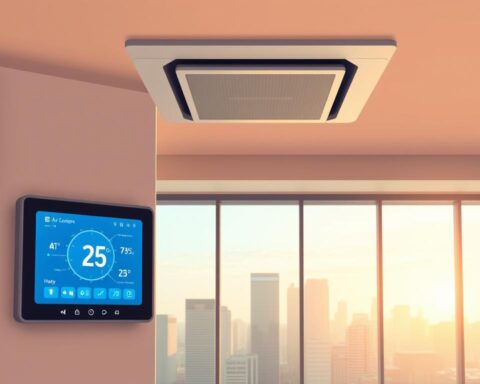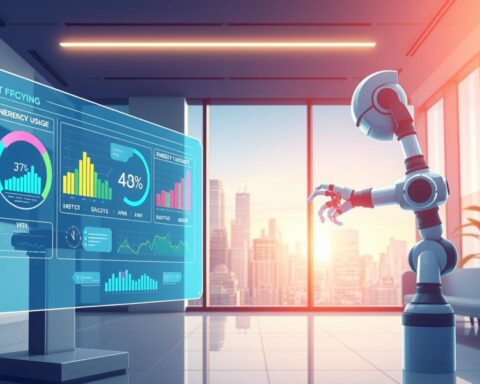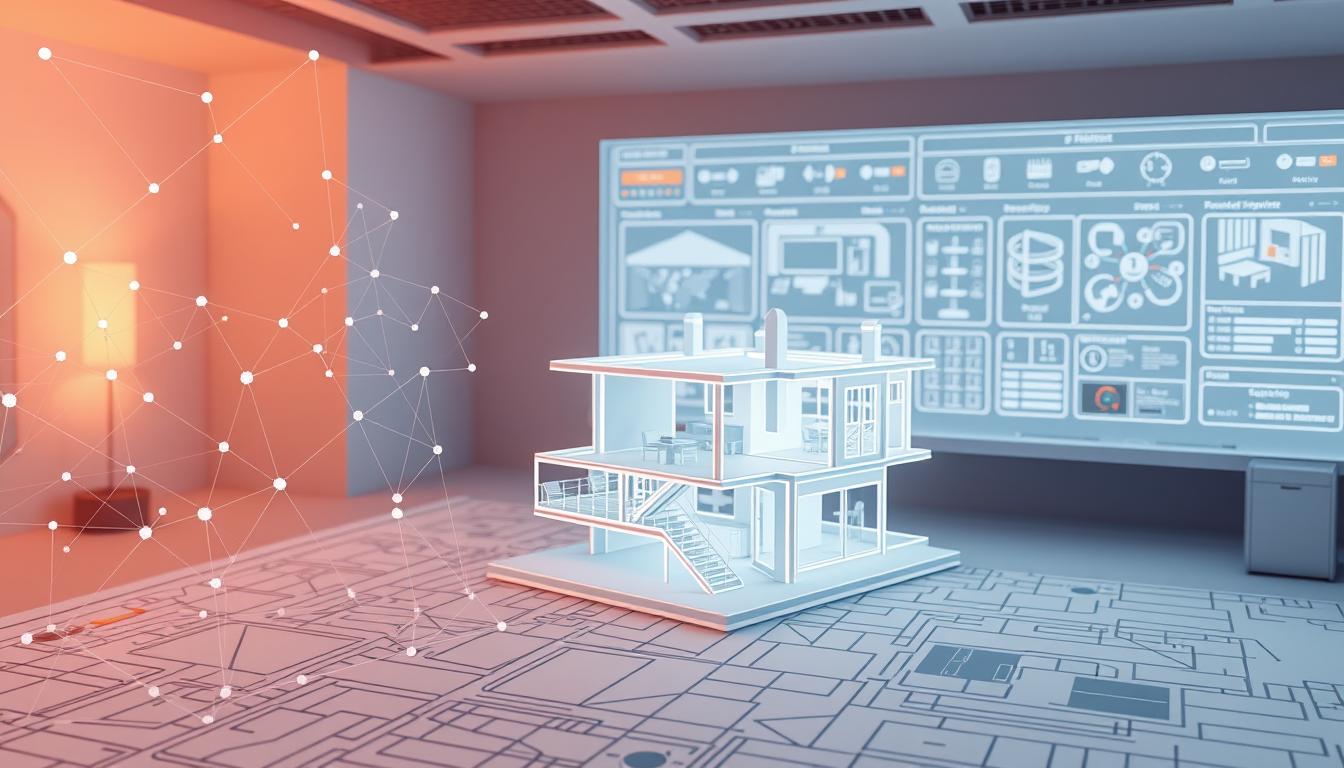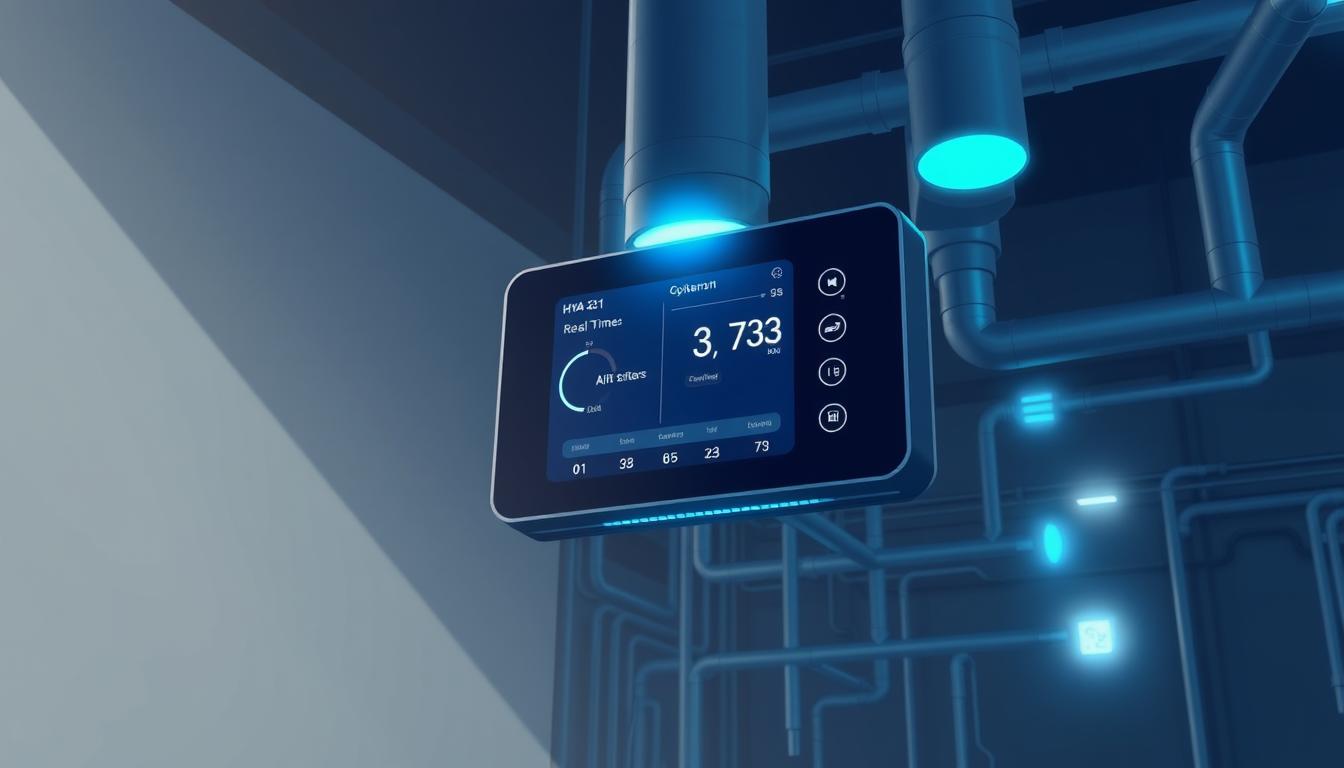
Commercial buildings waste $20 billion annually on inefficient climate control – but new technology is flipping the script. Modern heating and cooling systems now analyze weather patterns, occupancy trends, and equipment performance to slash energy bills while maintaining comfort.
These intelligent solutions learn from daily routines, automatically adjusting temperatures when spaces are empty. Imagine thermostats that anticipate your preferences before you reach for the dial. This isn’t science fiction – it’s how today’s energy management tools operate.
Beyond basic automation, advanced diagnostics track compressor health and airflow patterns. Systems flag issues like refrigerant leaks or failing components weeks before breakdowns occur. For facility managers, this means transforming from reactive troubleshooters to proactive problem-solvers.
Key Takeaways
- Intelligent climate systems reduce energy waste by adapting to real-time conditions
- Predictive maintenance prevents 80% of unexpected HVAC failures
- Data-driven strategies cut operational costs while improving comfort levels
- Automation handles repetitive adjustments, freeing staff for strategic tasks
- Both residential and commercial properties achieve faster ROI through optimized performance
The shift goes beyond gadgets – it’s redefining how we approach temperature control. By merging historical data with live inputs, these solutions create self-optimizing environments that improve daily. The result? Spaces that feel effortlessly comfortable while quietly maximizing efficiency behind the scenes.
Introduction: Embracing AI in Modern HVAC Systems
Buildings devour 40% of America’s energy – a staggering figure demanding smarter approaches. This reality fuels rapid evolution in climate control technology, where interconnected systems now balance human comfort with planetary responsibility.
Evolving Climate Control Infrastructure
Today’s heating and cooling networks resemble living organisms. Sensors monitor air quality like nervous systems, while cloud-based management platforms act as digital brains. Consider these advancements:
| Traditional HVAC | Modern Systems | Impact |
|---|---|---|
| Fixed schedules | Weather-responsive operation | 18% energy savings |
| Manual diagnostics | Predictive analytics | 75% fewer breakdowns |
| Uniform temperatures | Zone-specific adjustments | 34% cost reduction |
Redefining Operational Excellence
The true breakthrough lies in continuous optimization. One hospital network slashed $2.8 million annually by letting algorithms adjust ventilation based on real-time occupancy. As one facilities director noted:
“Our maintenance team now solves problems before tenants notice them – that’s the power of data-driven decision-making.”
These solutions don’t just conserve resources. They create environments where productivity flourishes alongside efficiency, proving that smart infrastructure investments pay dividends in both dollars and human potential.
Evolution of HVAC Systems with Artificial Intelligence
Climate management technology has undergone radical transformation since the 1990s – evolving from simple temperature dials to self-adjusting networks. This progression mirrors broader technological shifts, where manual processes yield to intelligent systems capable of learning and adapting.

From Manual Controls to Intelligent Automation
Early thermostats required constant human intervention. Today’s automation tools analyze occupancy patterns and external conditions autonomously. Consider this comparison:
| Era | Control Method | Data Usage | Outcome |
|---|---|---|---|
| 1990s | Manual adjustments | None | 23% energy waste |
| 2020s | Predictive algorithms | 12+ data streams | 19% cost savings |
Modern sensors detect subtle changes – like sunlight intensity through windows – adjusting airflow before occupants feel discomfort. As one engineer observed:
“We’re not just reacting to temperature anymore. We’re anticipating needs three steps ahead.”
Key Advancements in AI Algorithms and IoT Integration
Breakthroughs in machine learning enable systems to process weather forecasts alongside equipment performance. Cloud platforms aggregate data from thousands of devices, identifying patterns invisible to human operators.
IoT-connected sensors now provide granular visibility. A university campus reduced cooling costs by 28% after deploying moisture-detection nodes in attic spaces. These advancements create feedback loops – each adjustment improves future decisions.
The fusion of algorithms and networked devices marks a new frontier. Facility managers access dashboards showing real-time efficiency metrics across multiple buildings. This development turns climate control into strategic asset management.
AI Use Case – Smart-HVAC Control Using AI
Traditional climate control methods are becoming obsolete as dynamic solutions reshape energy consumption. Modern systems now respond to minute-by-minute changes in occupancy and weather rather than relying on rigid schedules.
Understanding the Core Concept
At its essence, this approach employs machine learning to process 15+ data streams – from window sunlight intensity to chair occupancy sensors. Unlike conventional thermostats, these management tools make micro-adjustments every 90 seconds. A conference room left vacant for 12 minutes might see airflow reduced by 40%, preventing energy waste without compromising comfort.
Benefits for Homeowners and Professionals
Residential users enjoy 18-22% lower utility bills as systems learn sleep schedules and preferred daytime temperatures. One Colorado household reported eliminating manual adjustments entirely after three weeks of adaptive learning.
Commercial operators leverage these tools for multi-zone control. A Phoenix office complex documented 19% cooling cost reductions through real-world implementations that detect unused spaces. Facility managers receive prioritized maintenance alerts based on compressor vibration patterns and refrigerant levels.
The true power lies in continuous improvement. Algorithms analyze years of seasonal data to predict heating needs before cold fronts arrive. This proactive approach transforms climate management from cost center to strategic efficiency driver.
How AI Transforms Energy Efficiency and HVAC Control
The silent revolution in climate management begins with data-driven precision. Modern solutions now balance occupant comfort with resource conservation through constant adaptation – a feat impossible with manual oversight.
Precision Climate Adaptation
Advanced algorithms process weather forecasts, occupancy sensors, and building materials data simultaneously. This multi-layered analysis enables temperature control that adjusts by the minute. For example:
| Traditional Approach | Modern Solution | Result |
|---|---|---|
| Fixed airflow | Dynamic damper adjustments | 31% less energy waste |
| Manual scheduling | Occupancy-based operation | 27% cost reduction |
One Chicago office tower achieved 19% annual savings by letting systems redirect conditioned air based on real-time heat maps. Facility managers note improved comfort complaints dropped by 68% post-implementation.
Continuous Performance Refinement
Live sensor networks feed data to cloud platforms every 45 seconds. This monitoring allows immediate responses to unexpected changes – like sudden crowd gatherings or equipment irregularities. As a sustainability director explains:
“Our climate network now self-corrects during power fluctuations – something human operators couldn’t detect fast enough.”
These adaptive control mechanisms prevent energy spikes during peak demand periods. Hotels using this approach report 22% lower cooling costs during summer months while maintaining guest satisfaction scores.
The combination of granular energy use tracking and predictive adjustments creates compounding benefits. Buildings become living ecosystems that protect both budgets and environments through intelligent operation.
AI-Driven Predictive Maintenance and Diagnostic Capabilities
Equipment failures once dictated maintenance schedules – now intelligent diagnostics rewrite the rules. Modern solutions analyze operational patterns to address issues before they disrupt comfort or budgets.
Leveraging Sensor Data for Proactive Repairs
Temperature, pressure, and vibration sensors form the backbone of predictive strategies. These devices feed real-time data to algorithms that detect deviations from normal performance baselines. A compressor showing unusual heat signatures might trigger maintenance alerts weeks before traditional methods would notice.
Machine learning models compare current readings against historical patterns. This capability allows technicians to replace worn fan bearings during planned outages rather than scrambling during peak demand. One university reported 83% fewer emergency callouts after implementing this approach.
Enhancing System Reliability and Reducing Downtime
Continuous monitoring transforms maintenance from guessing game to science. Systems track component wear rates, enabling parts replacement precisely when needed. This precision prevents both premature spending and catastrophic failures.
C3 AI’s deployment at manufacturing plants demonstrates the power of this method. Their models predicted critical chiller failures 23 days in advance, allowing repairs during scheduled maintenance windows. A facilities director noted:
“Unplanned downtime dropped 67% in six months – our teams now fix problems before they become crises.”
These advancements create ripple effects. Equipment lifespan extends by 18-24 months in many cases, while energy consumption drops through optimized performance. The result? Budgets stretch further while occupant comfort remains uninterrupted.
Smart Sensors, IoT, and Data-Driven Tools in HVAC
Modern climate control thrives on interconnected intelligence – networks of devices working in concert to balance comfort and conservation. These solutions transform raw information into actionable strategies through three core components.
Implementing Real-Time Energy Monitoring
Continuous tracking tools reveal hidden inefficiencies. A Midwest retail chain reduced peak demand charges by 27% after installing wireless submeters. Key metrics include:
| Parameter | Traditional Approach | Modern Solution | Impact |
|---|---|---|---|
| Temperature Tracking | Hourly manual checks | 15-second sensor updates | 41% faster adjustments |
| Energy Analysis | Monthly utility bills | Live consumption dashboards | 19% quicker anomaly detection |
| Issue Detection | Reactive troubleshooting | Predictive alerts | 83% fewer emergencies |
Role of Cloud-Based Platforms in Optimization
Centralized management systems process data from thousands of IoT-connected sensors. This approach enabled a hospital network to synchronize 47 air handlers across six buildings, cutting ventilation costs by $380,000 annually.
Integrating Multiple Data Streams for Better Control
Advanced tools correlate weather forecasts with occupancy patterns and equipment performance. One university achieved 22% energy savings by aligning chiller operation with classroom schedules. As noted in algorithmic frameworks, this multi-source analysis creates self-improving climate strategies.
Challenges and Considerations in Implementing AI for HVAC
Transitioning to advanced climate management reveals hidden complexities requiring strategic navigation. While the benefits are clear, organizations must address critical hurdles during adoption.
Modernizing Existing Infrastructure
Many facilities face compatibility issues when upgrading older systems. Outdated components often lack digital interfaces, forcing complete overhauls of ventilation networks. Retrofitting projects frequently involve installing smart sensors and rewiring entire zones – tasks demanding specialized expertise.
Balancing Investments and Security
Initial implementation costs extend beyond hardware. Cloud platform subscriptions and data analysis tools create recurring expenses. For detailed technical guidelines, Trane’s resource on modernization best practices offers valuable insights.
Data protection remains paramount. Multi-layered encryption and strict access protocols prevent breaches in cloud-connected environments. Some institutions implement air-gapped networks for sensitive operations data.
Successful deployments require meticulous planning. Partnering with certified integrators helps navigate technical issues while maintaining budget alignment. Though challenges exist, the long-term efficiency gains justify strategic investments in next-generation climate management.
FAQ
How do smart HVAC systems enhance energy efficiency?
By analyzing occupancy patterns, weather forecasts, and equipment performance, algorithms automatically adjust heating or cooling output. Brands like Google Nest Learning Thermostat demonstrate reductions in energy waste through dynamic temperature balancing.
Can existing HVAC systems integrate AI-driven tools?
Yes—many legacy systems work with retrofit solutions like Honeywell’s Lyric T6 Pro, which uses IoT sensors and cloud platforms. However, older hardware may require upgrades to support real-time monitoring features.
What security measures protect AI-integrated HVAC networks?
Leading solutions employ end-to-end encryption and multi-factor authentication. For example, Cisco Meraki’s enterprise-grade systems isolate HVAC data streams from broader networks to minimize breach risks.
How does predictive maintenance reduce operational costs?
Sensors track wear in components like compressors or filters, alerting technicians before failures occur. Siemens’ Navigator platform cuts downtime by 40% in commercial buildings through proactive diagnostics.
Are smart thermostats compatible with zoned heating and cooling?
Absolutely. Ecobee SmartThermostat Premium pairs with room-specific sensors, allowing targeted airflow adjustments. This approach optimizes comfort while lowering energy usage in rarely occupied areas.
What ROI can businesses expect from AI-driven HVAC upgrades?
A 2023 Energy Star study found companies save 20–30% on utility bills within 18 months. Retail chains like Walmart use IBM’s TRIRIGA tools to prioritize high-impact retrofits, accelerating payback periods.
Do these systems require continuous internet connectivity?
While cloud access enables advanced features like remote adjustments, local processors in devices like Carrier’s Infinity Series handle core tasks offline, ensuring functionality during outages.