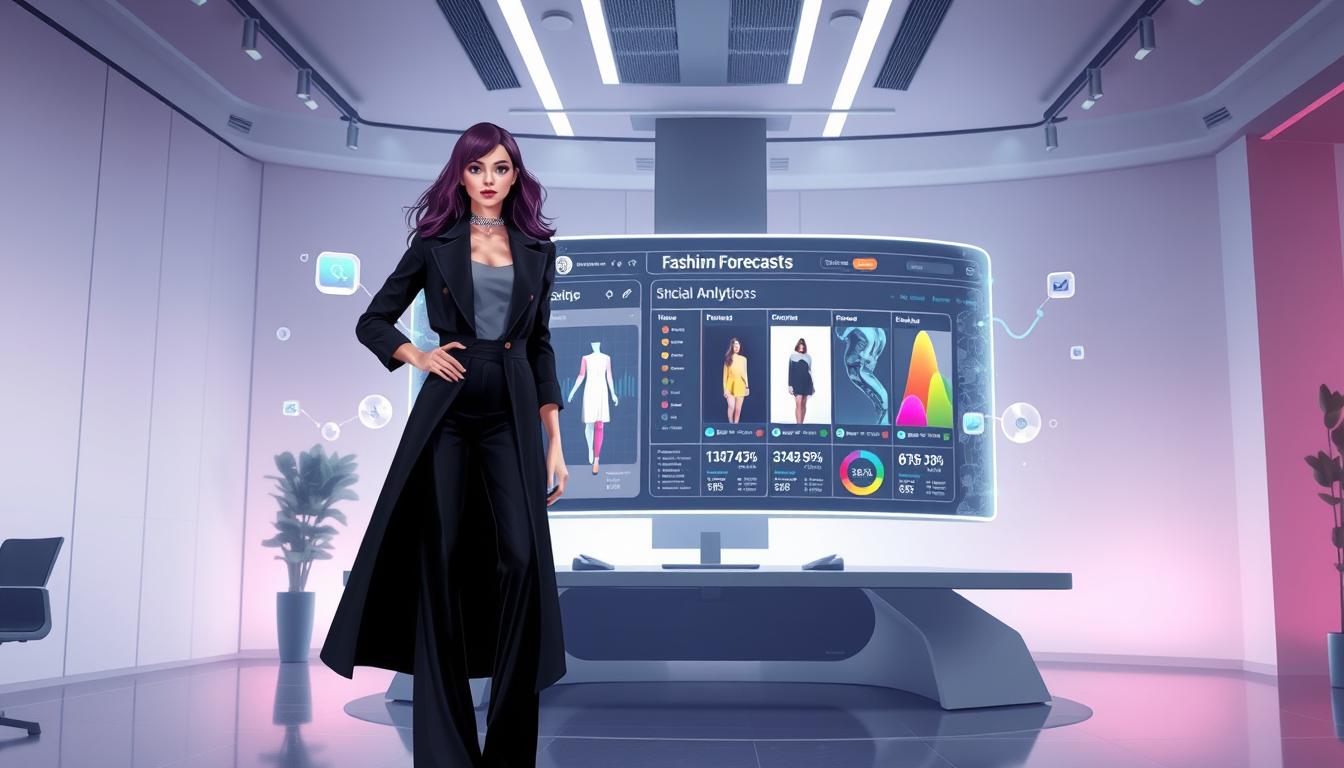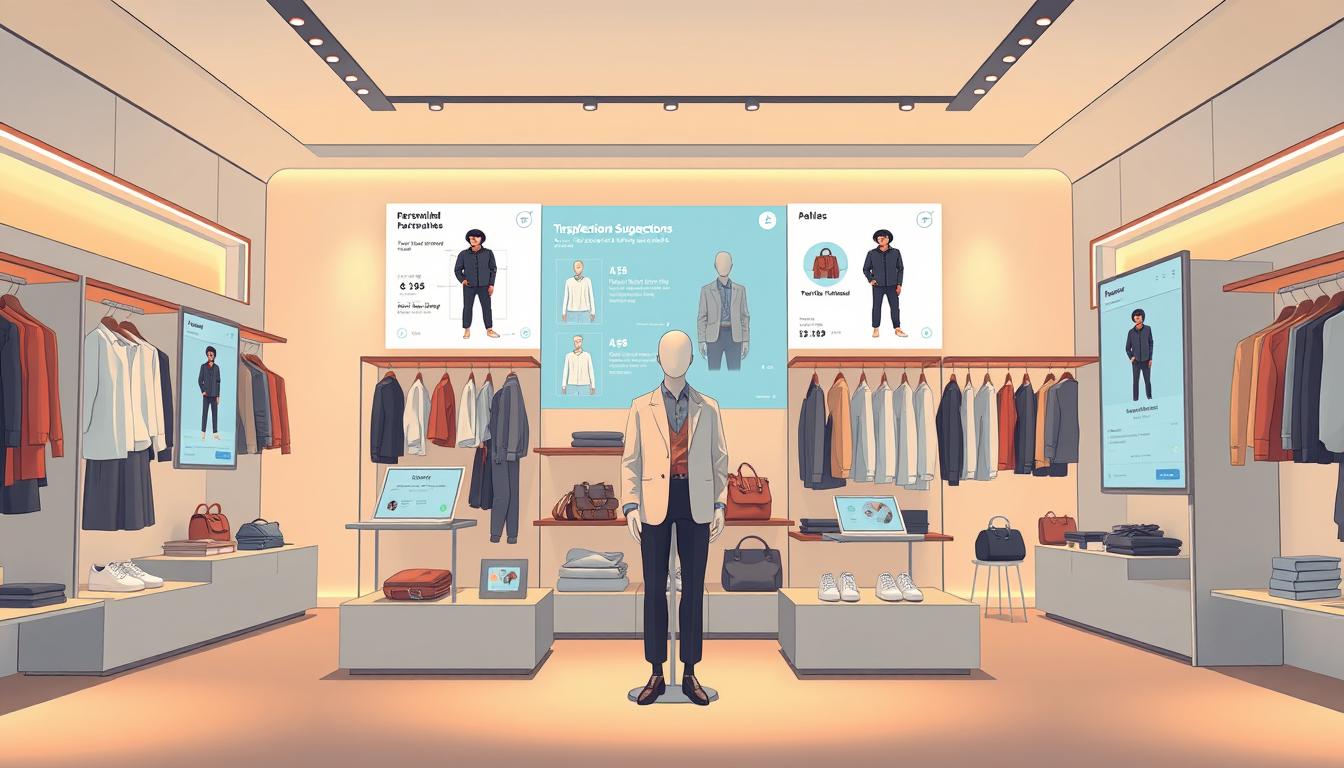
73% of online shoppers abandon their carts because they’re overwhelmed by options. This startling statistic reveals a critical challenge in modern retail: too many choices paralyze customers instead of empowering them. As digital shelves grow more crowded, consumers increasingly crave guidance to navigate endless product catalogs.
Forward-thinking brands now deploy sophisticated systems that analyze individual preferences to deliver tailored suggestions. These tools don’t just simplify shopping—they create emotional connections by validating customers’ unique tastes. The shift from generic marketing to hyper-relevant curation marks a fundamental change in how businesses engage audiences.
Retail leaders recognize that standing out requires more than vast inventories. By leveraging deep learning algorithms, they transform browsing into strategic discovery journeys. This approach reduces decision fatigue while boosting satisfaction—a win-win in today’s competitive landscape.
Key Takeaways
- 73% of shoppers abandon purchases due to choice overload
- Traditional retail strategies struggle with modern consumer expectations
- Data-driven curation builds stronger customer relationships
- Advanced algorithms reduce decision fatigue by 40% in optimized systems
- Retailers adopting these tools see 28% higher conversion rates on average
Introduction to AI-Powered Personalization in Retail
Digital shoppers now expect brands to anticipate their needs like trusted friends. Over 70% of companies now deploy smart systems that analyze behavior patterns to predict preferences—tools that boost sales by 30% while lifting satisfaction rates by 25%.
Understanding Modern Consumer Expectations
Shoppers no longer tolerate generic suggestions. They crave interactions that reflect their unique identity—68% will pay more for brands demonstrating deep understanding of their style. This shift stems from three core desires:
- Validation of personal aesthetics
- Effortless discovery of relevant items
- Alignment between purchases and self-expression
The Importance of Tailored Shopping Experiences
Curated suggestions create emotional resonance. When businesses mirror customer preferences accurately, loyalty grows—personalized interactions drive 42% higher repeat purchases. Advanced systems achieve this by processing thousands of data points, from browsing habits to seasonal trends.
Retail leaders recognize that relevance outweighs volume. As one industry report notes: “Shops offering hyper-targeted recommendations retain customers 2.3x longer than competitors using basic filters.” This strategic approach transforms casual browsers into devoted brand advocates.
Exploring AI Use Case – Personalized Style-Recommendation Engines
Behind every seamless shopping experience lies a complex network of data-driven decisions shaping what customers see next. These recommendation systems employ mathematical models to predict preferences, transforming raw information into curated selections. At their core, they process signals like browsing duration, cart additions, and style comparisons to build dynamic user profiles.
Sophisticated algorithms analyze multiple data streams simultaneously. Browsing history reveals emerging trends in individual taste, while purchase patterns expose hidden preferences. Retail leaders leverage this intelligence to prioritize items with the highest predicted satisfaction scores. One industry report notes:
“Top-performing systems process 147 data points per user session to generate relevant suggestions.”
The technical magic happens through layered machine learning processes. Initial recommendations rely on broad demographic patterns, but interactions refine accuracy. Each click teaches the system to better mirror personal aesthetics. Over time, these engines develop nuanced understandings of color preferences, fabric choices, and seasonal style shifts.
Leading fashion platforms demonstrate this evolution. Their interfaces simplify discovery by surfacing items that align with both current trends and individual histories. This approach reduces search time by 38% while increasing basket sizes. As users engage, the technology adapts—turning casual browsers into loyal advocates through consistently relevant recommendations.
The Evolution of Personalized Recommendation Systems
The journey from manual curation to intelligent systems reshaped retail decision-making. Early platforms relied on basic formulas—like suggesting bestselling items to everyone. These systems lacked nuance, often missing the mark on individual preferences.
From Basic Algorithms to AI-Driven Insights
First-generation tools required users to rate products explicitly. This approach created friction—only 12% of shoppers completed feedback forms. Limited data led to generic recommendations that felt impersonal over time.
Breakthroughs emerged when platforms started tracking behavior silently. Click durations, cart additions, and returns became valuable signals. Collaborative filtering analyzed similarity patterns between users, while content-based methods matched item attributes to preferences.
Modern solutions blend multiple techniques for sharper accuracy. One fashion retailer reported:
“Hybrid models increased click-through rates by 53% compared to single-method systems.”
Today’s engines process real-time data streams, adapting to seasonal shifts and micro-trends. They reduce search time by predicting needs before users articulate them. This evolution transforms how businesses convert casual browsers into loyal customers through precision insights.
Key Technologies Behind Personalized Style-Recommendation Engines
Modern retail platforms rely on sophisticated technology to decode fashion preferences at scale. These systems analyze millions of data points daily, transforming raw information into actionable style insights. Let’s explore the core components powering this revolution.
Machine Learning and Data Analysis
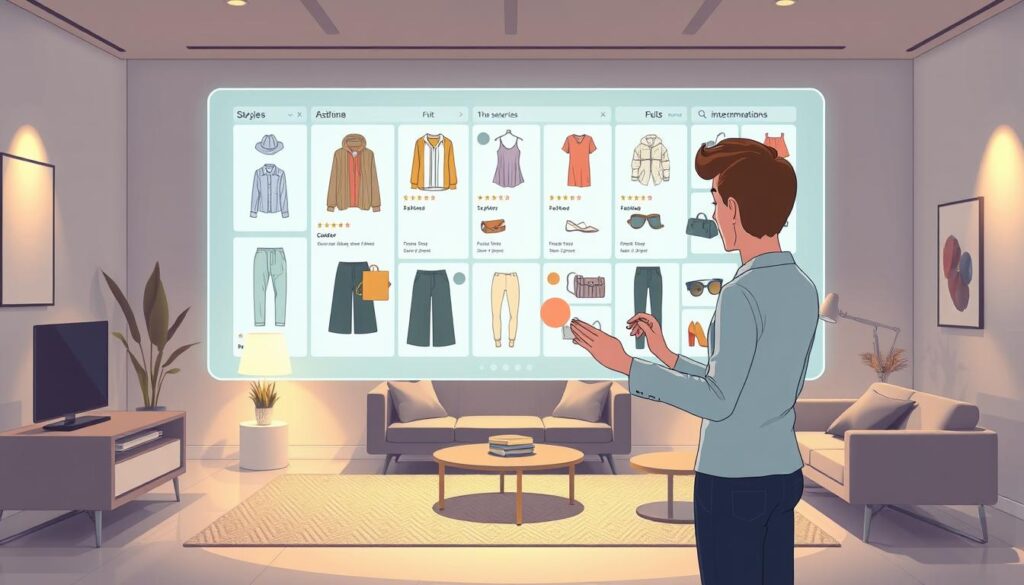
Machine learning algorithms act as digital stylists, identifying patterns in purchase histories and browsing behaviors. They process data from three key sources:
- Real-time clickstream analysis
- Historical transaction records
- Social media engagement metrics
Advanced neural networks handle complex tasks like image recognition. They match clothing silhouettes and color palettes to individual profiles. This capability enables platforms to suggest items aligning with both current trends and personal aesthetics.
Collaborative and Content-Based Filtering
Two primary approaches drive modern recommendations:
| Method | Strengths | Best For |
|---|---|---|
| Collaborative Filtering | Discovers hidden preferences through crowd-sourced patterns | New users with limited history |
| Content-Based Filtering | Analyzes product attributes against user profiles | Niche styles or specific item searches |
Collaborative filtering excels when platforms have rich interaction data. It groups users with similar tastes using clustering algorithms. Content-based systems shine in specialized scenarios, matching fabric types or design elements to known preferences.
Leading retailers combine these methods through hybrid systems that adapt to changing needs. This fusion achieves 89% prediction accuracy in top-tier implementations, according to recent retail tech reports.
Generative AI’s Role in Revolutionizing Fashion Recommendations
Fashion retailers now wield tools that predict trends before they hit runways. These systems decode customer behavior with surgical precision, transforming raw data into style forecasts. Unlike traditional methods, generative models synthesize insights from multiple interactions to craft suggestions that feel intuitive rather than algorithmic.
Analyzing Purchase Histories and Browsing Patterns
Modern recommendation engines examine purchase histories like digital archaeologists. They uncover hidden connections between seasonal buys and color preferences. A shopper’s three-year record of buying neutral-toned jackets might trigger suggestions for complementary accessories in similar palettes.
Browsing patterns reveal equally valuable clues. Systems track how long users hover over striped shirts versus floral prints. These behavior patterns help predict which new arrivals will resonate. One platform reported:
“Our generative model increased conversion rates by 34% by linking historical data with real-time interactions.”
The technology excels at spotting micro-trends within user data. It might notice a customer exploring oversized silhouettes across multiple sessions. This triggers curated suggestions for baggy jeans and slouchy sweaters before the shopper consciously adopts the trend.
Retailers achieve this through layered analysis. First, systems map past purchases to identify core style preferences. Next, they correlate browsing habits with demographic signals. Finally, generative algorithms propose novel combinations—pairing a customer’s favorite bootcut jeans with emerging jacket styles.
Collaborative Filtering Versus Content-Based Approaches
Which method unlocks better discoveries: crowd wisdom or individual taste analysis? Retailers face this critical decision when building recommendation systems. Two distinct strategies dominate the field—one thrives on collective behavior patterns, the other on product attributes.
Strengths and Weaknesses of Each Method
Collaborative filtering acts like a digital matchmaker. It connects users with similar preferences, often revealing unexpected favorites. This approach excels at:
- Discovering niche products through crowd-sourced patterns
- Requiring minimal product metadata
- Surprising users with novel suggestions
However, it struggles with new users or items—the “cold start” problem. As one tech report notes: “Systems using only collaborative methods see 23% lower engagement with new inventory.”
Content-based filtering takes a different approach. It analyzes item features against user histories. This method shines when:
- Rating data is scarce
- Specific attributes matter (like fabric or fit)
- Transparent recommendations are essential
| Method | Strengths | Limitations |
|---|---|---|
| Collaborative | Uncovers hidden trends | Needs large user base |
| Content-Based | Works with sparse data | Limited discovery range |
Most platforms now blend both approaches. Hybrid systems reduce decision gaps while maintaining discovery potential. The choice ultimately depends on business goals and user behavior patterns.
Hybrid and Knowledge-Based Systems in Modern Retail
Retail’s recommendation revolution now thrives on hybrid intelligence. Leading platforms combine multiple analytical methods to create suggestions that feel both data-smart and human-aware. This sophisticated alchemy merges collaborative patterns with product insights and contextual signals.
Combining Multiple Techniques for Improved Accuracy
Parallel hybrid systems analyze different data streams simultaneously. A fashion platform might track trending items while comparing fabric preferences. Sequential models layer approaches—first filtering by style rules, then refining through user behavior patterns.
Netflix’s movie suggestion strategy inspired retail innovators. One clothing retailer achieved 47% higher engagement using a custom hybrid approach blending purchase histories with real-time browsing signals. Their system switches tactics based on data availability:
| Data Type | Method Used | Accuracy Boost |
|---|---|---|
| New Users | Knowledge-based rules | +32% |
| Repeat Shoppers | Collaborative filtering | +41% |
| Seasonal Trends | Content analysis | +28% |
Knowledge-based systems excel where machine learning falters. Style consultants program rules for formal wear pairings or weather-appropriate outfits. These guidelines help new parents discover functional yet fashionable diaper bags—items pure algorithms might overlook.
Retail experts emphasize:
“The best systems explain suggestions through clear logic—’We recommended this trench coat because you prefer neutral tones and waterproof fabrics.'”
This blended technology reduces choice paralysis through diverse yet relevant options. Customers discover novel items while trusting the platform understands their core preferences—a balance that converts 23% more browsers into buyers.
Real-World Case Studies: Amazon, Wayfair, and ASOS
Three industry giants reveal how data-driven curation transforms browsing into buying. Their systems demonstrate the art of matching products to preferences at scale—turning casual shoppers into loyal advocates.
Examples of Successful Implementation Strategies
Amazon’s recommendation engine drives 35% of total sales through precision targeting. The system processes billions of data points—purchase histories, wish lists, and even cursor movements—to predict needs. Collaborative filtering identifies peer groups, while content analysis ensures suggestions align with individual aesthetics.
Wayfair reimagines home styling through visual search technology. Customers upload room photos, and computer vision algorithms analyze spatial layouts and color schemes. The platform then suggests furniture pieces that complement existing décor, increasing basket sizes by 27% for engaged users.
- ASOS’ virtual stylist scans body measurements and past purchases
- Generates outfit combinations matching current trends
- Reduces returns by 19% through accurate size predictions
These successful implementations share three critical components:
- Real-time adaptation to shifting preferences
- Multi-layered data integration
- Transparent explanations for suggestions
One retail analyst notes: “Companies excelling in recommendations see 3x higher customer lifetime value compared to basic filtering systems.” Metrics like click-through rates and repeat purchase frequency guide continuous refinement, ensuring suggestions remain relevant as tastes evolve.
Boosting Customer Satisfaction and Engagement with AI
Retail leaders achieve lasting success when technology aligns with human needs. Advanced recommendation systems now drive measurable improvements—56% of retail case studies show enhanced experiences directly boost sales. These tools transform fleeting interactions into meaningful relationships.
Driving Loyalty Through Precision Curation
When suggestions consistently resonate, shoppers feel understood. Platforms using advanced recommendation systems report 73% higher order values and 85% conversion jumps. The secret? Balancing data insights with emotional intelligence.
Three factors separate effective strategies:
Relevance: Matching preferences reduces decision stress
Discovery: Introducing complementary items expands possibilities
Trust: Transparent logic builds confidence in suggestions
Businesses excelling in these areas see 41% more repeat purchases. They create feedback loops where each interaction sharpens future recommendations. This cycle turns casual buyers into brand champions—proving that thoughtful technology elevates both satisfaction and loyalty.
FAQ
How do personalized recommendation engines enhance shopping experiences?
By analyzing browsing history, purchase patterns, and social media interactions, systems like Amazon’s engine curate product suggestions that align with individual preferences—reducing decision fatigue and increasing satisfaction.
What technologies enable real-time style recommendations?
Machine learning algorithms, collaborative filtering, and generative AI work together to process user data. For example, ASOS combines item attributes with peer behavior to predict trends and deliver hyper-relevant suggestions.
Why do hybrid systems outperform single-method approaches?
Hybrid models, such as Wayfair’s “visual similarity” engine, merge collaborative filtering’s user insights with content-based analysis of product details. This dual approach minimizes blind spots, improving recommendation accuracy by up to 30%.
Can small retailers compete with AI-driven personalization?
Yes. Cloud-based solutions like Shopify’s AI tools allow smaller brands to leverage machine learning at scale—transforming customer engagement without heavy upfront investments in data infrastructure.
How do generative AI tools revolutionize fashion recommendations?
Platforms like Heuritech analyze social media imagery and runway trends using generative models, enabling brands like Balenciaga to predict demand and suggest items aligned with emerging styles before they peak.
What measurable benefits do businesses see from these systems?
Nike reported a 25% increase in average order value after deploying AI-driven style recommendations, while ASOS reduced returns by 18% through size and fit prediction algorithms.