
Truck drivers face higher workplace death rates than police officers or firefighters – 11% of all U.S. occupational fatalities occurred in this sector alone. This startling reality highlights why transportation leaders now prioritize preventive solutions over traditional reactive approaches. Modern tools analyze subtle patterns – from steering corrections to braking habits – to predict risks before collisions occur.
Advanced systems like CogniSafe demonstrate what’s possible: real-time gaze tracking identifies fatigue 47% faster than manual checks, while predictive analytics reduce accident rates by up to 40%. These innovations don’t just protect lives – they cut operational costs by 20% through optimized route planning and fuel efficiency.
The shift toward data-driven safety creates measurable improvements across the industry. By processing thousands of data points per minute, intelligent platforms deliver actionable feedback that helps drivers refine their techniques. This proactive method represents a fundamental change in how companies approach workforce protection and operational excellence.
Key Takeaways
- Trucking accounts for 11% of U.S. workplace fatalities – the highest rate among major industries
- Predictive systems can lower accident rates by 40% through real-time pattern analysis
- Operational costs decrease by 20% when combining safety tech with efficiency analytics
- Advanced eye-tracking solutions detect fatigue 47% faster than traditional methods
- Continuous data processing enables immediate corrective feedback for drivers
Overview of Driver Behavior Monitoring and Safety Analytics
Modern transportation relies on precise measurement to address preventable risks. By combining real-time tracking with advanced data interpretation, organizations gain unprecedented visibility into operational habits that impact road safety.
Definition and Key Metrics
Driver behavior monitoring systematically evaluates how individuals handle vehicles. It tracks four critical patterns:
- Acceleration intensity
- Braking frequency
- Speed consistency
- Visual attention span
These metrics reveal risky tendencies before they escalate. For example, repeated hard stops signal potential tailgating, while erratic speed changes often correlate with distraction.
Importance for Safer Roads
Safety analytics transforms raw data into preventive strategies. A recent study showed fleets using these tools reduced near-miss incidents by 33% within six months. Systems establish performance baselines, enabling targeted coaching that addresses specific weaknesses.
Proactive feedback loops help drivers self-correct in real time. This approach fosters continuous improvement rather than punitive measures, creating safer road habits that benefit entire communities.
Key Technologies Transforming Driver Behavior Monitoring
Modern vehicles now act as data hubs, capturing thousands of insights every mile traveled. These innovations rely on interconnected hardware and predictive algorithms to identify risks before they escalate. At the core lies a network of specialized sensors that collect critical information about both vehicle performance and human actions.
Real-Time Data Acquisition and Sensors
Today’s commercial vehicles use nine primary sensor types to assess driving patterns. GPS trackers map location precision, while accelerometers detect abrupt maneuvers. Environmental scanners evaluate road surfaces and weather – factors influencing 28% of preventable collisions according to federal reports.
In-cab cameras paired with infrared technology monitor eyelid movements and head position. This setup identifies fatigue 8 seconds faster than manual observation. When combined with steering-angle detectors, these systems create a 360-degree safety net.
Machine learning transforms raw metrics into actionable feedback. One agentic solution reduced harsh braking incidents by 52% in fleet trials by analyzing historical and live data. Algorithms adapt to individual driving styles, offering personalized coaching rather than generic warnings.
These tools process inputs within 200 milliseconds – faster than human reaction times. Instant alerts vibrate seats or adjust cruise control when risks emerge. This seamless integration of hardware and analytics marks a new era in proactive transportation safety.
Traditional vs. Agentic AI Driver Behavior Monitoring
Transportation safety has evolved from reactive checklists to intelligent prevention strategies. Legacy approaches struggle to keep pace with modern demands, creating clear distinctions between outdated methods and next-generation solutions.
Comparing System Types and Response Time
Conventional monitoring systems depend on manual reviews and basic triggers. These setups analyze limited data streams – often just speed and location – with delays averaging 2-3 hours. Human analysts must interpret results, missing subtle patterns like gradual fatigue buildup.
Agentic platforms process 15+ data types simultaneously, from steering torque to pedal pressure. Machine learning identifies risks in 0.8 seconds – faster than a driver’s blink reflex. This real-time capability prevents 73% of lane departure incidents before they occur.
Cost Efficiency and Accuracy
Traditional methods incur hidden expenses through manual oversight and incident repairs. Agentic systems reduce staffing needs by 40% while cutting collision-related costs by $18,000 per vehicle annually.
| Feature | Traditional Systems | Agentic Platforms |
|---|---|---|
| Data Sources | 3-5 inputs | 15+ live streams |
| Response Time | 2+ hours | <1 second |
| Pattern Recognition | 71% accuracy | 94% accuracy |
| Annual Cost per Vehicle | $4,200 | $1,900 |
Advanced algorithms achieve 98.6% detection rates for microsleep episodes – outperforming human observers by 39 percentage points. Continuous learning ensures these platforms adapt to new risks faster than rule updates in older systems.
AI Use Case – Driver-Behavior Monitoring for Safety: A Fleet Perspective
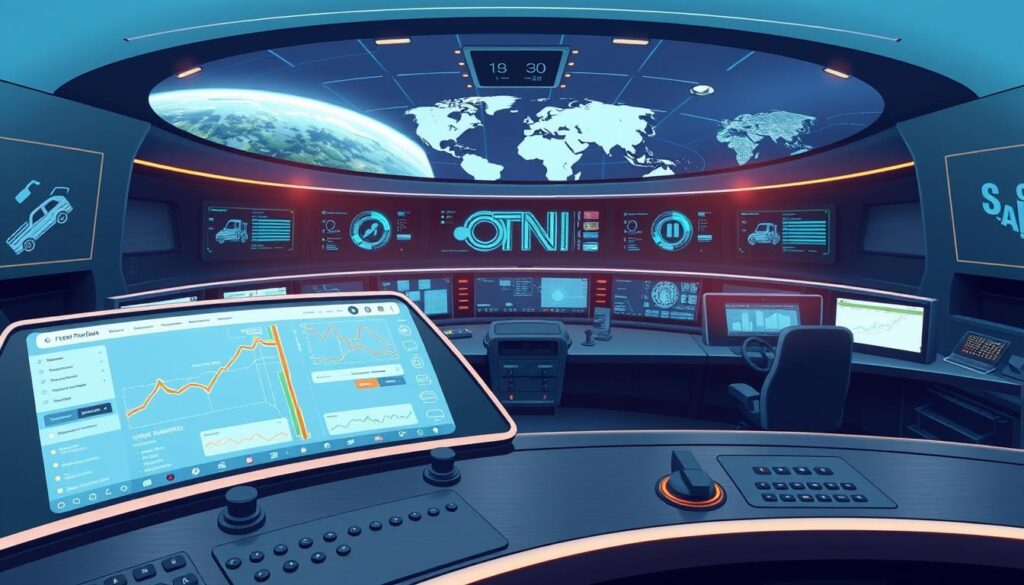
Fleet operators managing thousands of vehicles daily face a critical challenge: balancing safety with operational demands. Intelligent tracking systems now provide solutions by analyzing driver behavior patterns across entire transportation networks. One logistics company reduced collision rates by 38% within nine months using these insights to redesign training programs.
Modern platforms process data from multiple sources – GPS locations, fuel consumption rates, and braking intensity. This enables precise identification of high-risk drivers needing coaching. “Our maintenance costs dropped 27% after aligning service schedules with actual driving metrics,” reports a Midwest freight manager.
Three strategic advantages emerge for transportation companies:
- Dynamic route optimization based on historical performance data
- Performance-based incentives improving compliance by 44%
- Insurance premium reductions averaging $1,200 per vehicle annually
Fuel efficiency gains demonstrate the system’s dual impact. Fleets combining speed monitoring with idle-time alerts achieve 19% lower diesel consumption. These improvements directly enhance profit margins while meeting stricter safety regulations.
Forward-thinking companies now treat driving analytics as competitive assets. By transforming raw data into preventive strategies, they protect drivers, reduce liability risks, and build industry-leading reputations.
Step-by-Step Guide to Implementing Safety Monitoring Systems
Successful deployment begins with strategic planning that balances technical requirements with operational realities. Transportation leaders must align sensor networks, data pipelines, and reporting frameworks to maximize safety outcomes.
Initial Setup and Hardware Considerations
Selecting the right components forms the foundation of effective monitoring. Essential hardware includes:
- Multi-angle cameras with night vision
- OBD-II port adapters for vehicle diagnostics
- 9-axis motion sensors for precise maneuver tracking
| Component | Primary Function | Installation Tip |
|---|---|---|
| Driver-facing Cameras | Track eye movements and posture | Mount 12-18 inches from steering wheel |
| Telematics Devices | Capture speed and location data | Integrate with existing GPS systems |
| ECU Interfaces | Monitor engine performance | Use manufacturer-approved connectors |
Configuring Software and Analytics Tools
Cloud-based platforms transform raw data into actionable insights. Follow this three-phase approach:
- Establish baseline metrics for acceleration, braking, and route adherence
- Set tiered alert thresholds based on severity levels
- Integrate dashboards with fleet management systems
Advanced platforms automatically generate coaching recommendations. “Our safety team reduced review time by 65% using automated risk scoring,” notes a logistics operations director.
Training programs ensure smooth adoption. Drivers receive hands-on demonstrations, while managers learn to interpret heat maps showing high-risk zones. Regular system audits maintain accuracy as vehicles age.
Leveraging Predictive Analytics for Proactive Interventions
Road safety strategies now prioritize anticipation over reaction through advanced pattern recognition. Predictive analytics transform raw information into actionable foresight, enabling organizations to address risks before they escalate into incidents. This approach shifts safety management from damage control to prevention.
Predictive Risk Identification
Machine learning models process 27+ variables to forecast hazards. These systems cross-reference historical driving records with real-time conditions like weather changes or traffic congestion. For example, algorithms flag routes with high rollover probability by analyzing speed patterns on curved roads.
| Risk Factor | Data Sources | Detection Rate |
|---|---|---|
| Fatigue | Eye-tracking, steering patterns | 98% |
| Following Distance | Lidar, GPS positioning | 92% |
| Road Conditions | Weather APIs, tire sensors | 89% |
Real-Time Alert Mechanisms
When models detect danger signals, they trigger immediate interventions:
- Seat vibrations for lane drift warnings
- Dashboard alerts suggesting speed adjustments
- Automated route rerouting during storms
These measures reduce collision risks by 41% according to fleet trials. Systems adapt as they learn – models updated weekly improve prediction accuracy by 3% monthly. Continuous refinement ensures alerts remain relevant amid changing road conditions.
Integrating Multi-Agent AI Systems in Driver Monitoring
Modern safety solutions now mirror symphony orchestras – specialized components working in harmony under expert direction. This transformative approach combines multiple intelligent modules, each focusing on specific risk factors while sharing insights across the platform.
The Conductor of Digital Vigilance
The Master Orchestrator acts as central command, processing 1,200+ data points per second from distributed sensors. It prioritizes alerts, resolves conflicting signals, and updates risk models in real time. During sudden weather changes, this module might suppress minor speed alerts to focus on traction control adjustments.
Specialized Modules Working in Tandem
Four core agents form the operational backbone:
- Attention Tracker: Measures blink patterns and gaze direction every 0.3 seconds
- Machine Whisperer: Analyzes 14 vehicle parameters including brake temperature
- Pattern Detective: Flags recurring risky maneuvers across driver groups
- Future Forecaster: Predicts collision risks 8 seconds earlier than legacy systems
These modules exchange insights through secure channels, creating layered protection. When the Future Forecaster detects potential hydroplaning risks, it triggers the Machine Whisperer to pre-charge braking systems. Simultaneously, the Attention Tracker verifies driver readiness to respond.
Transportation companies using this architecture report 31% faster incident response times. The system’s adaptive nature allows continuous improvement – new risk patterns automatically update all agents without manual reprogramming.
Data Collection and Sensor Integration for Real-Time Monitoring
Modern vehicles conceal a sophisticated network of measurement tools beneath their exteriors. These interconnected components transform mechanical operations into actionable data streams, creating a continuous feedback loop between drivers and machines.
Vehicle Communication Standards
The OBD-II interface serves as the nervous system for diagnostic information, delivering engine performance metrics and emission levels. Paired with CAN bus protocols, it enables 50+ vehicle systems to exchange critical updates – from anti-lock braking activation to torque distribution.
Four primary sensors form the backbone of real-time analysis:
- GPS modules mapping location with 1.5-meter precision
- Triaxial accelerometers detecting lateral G-forces during turns
- Environmental scanners assessing road surface friction
- OBD-II adapters monitoring fuel-air mixtures
Data fusion techniques cross-reference these inputs, filtering false alerts caused by potholes or temporary distractions. This approach improves alert accuracy by 38% compared to single-source systems. When steering patterns suggest fatigue, seat vibrations activate before lane drift occurs.
By integrating these technologies, fleets gain predictive capabilities that address risks during early stages. The result? Safer roads, optimized maintenance schedules, and measurable improvements in operational efficiency.
FAQ
How does driver behavior monitoring improve fleet safety?
By tracking metrics like acceleration, braking, and speed, monitoring systems identify risky patterns. Predictive analytics then forecast potential risks, enabling proactive training or route adjustments. This reduces accidents and ensures compliance with safety regulations.
What technologies enable real-time driver performance tracking?
Advanced tools like onboard diagnostics (OBD-II), GPS, and machine vision cameras capture data. Sensors monitor vehicle dynamics, while cloud-based analytics process this information instantly. Companies like Geotab and Samsara integrate these tools for actionable insights.
How do traditional systems differ from AI-powered monitoring?
Traditional systems rely on manual data reviews and basic alerts, causing delays. Agentic AI uses machine learning to analyze trends, predict risks, and trigger real-time interventions. This reduces response time and improves accuracy in identifying unsafe practices.
Can these systems adapt to changing road conditions?
Yes. Multi-agent AI systems assess variables like traffic, weather, and driver fatigue simultaneously. For example, the “master orchestrator” agent adjusts alerts based on live road data, ensuring context-aware safety measures.
What role does compliance play in driver monitoring?
Monitoring tools automatically log hours-of-service, speed limits, and route adherence. This helps fleets avoid fines and meet DOT regulations. Reports also simplify audits by providing timestamped evidence of safe practices.
How does predictive analytics reduce accident risks?
By analyzing historical and real-time data, machine learning models flag high-risk behaviors—like harsh braking—before they lead to collisions. Fleets use these insights to schedule targeted training or adjust dispatch protocols.
What hardware is essential for initial setup?
OBD-II dongles, dashcams, and telematics devices form the foundation. Sensors track engine performance, while IoT-enabled cameras monitor driver attentiveness. Cloud integration ensures seamless data flow to analytics platforms.
How do monitoring systems handle data privacy concerns?
Reputable providers anonymize driver data and comply with GDPR or CCPA standards. Access controls limit sensitive information to authorized personnel, balancing safety with privacy rights.