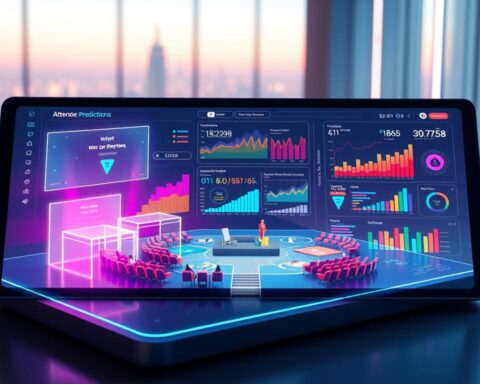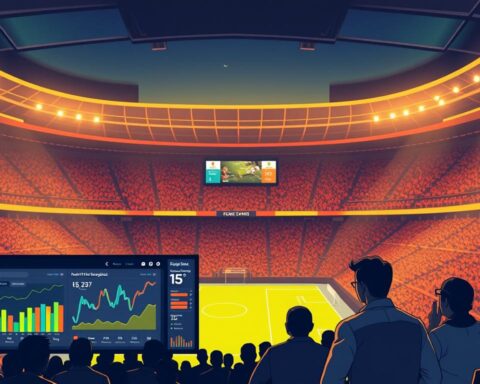
The global sports industry reached $512 billion in 2023 – but here’s what most fans miss: nearly 40% of stadiums operate below 80% capacity during regular-season games. This gap between potential and actual revenue drives an urgent shift toward data-driven decision-making, with predictive systems now influencing everything from ticket prices to concession staffing.
Forward-thinking organizations leverage machine learning to analyze 28+ variables per event – including local weather trends and rival team performance. These models process information 182x faster than traditional methods, enabling real-time price adjustments that keep seats filled without sacrificing profitability.
The results speak volumes: early adopters report 19% higher attendance rates and 31% increased merchandise sales per attendee. This strategic approach extends beyond tickets, optimizing parking flows and vendor placements to create seamless fan experiences that boost lifetime customer value.
Key Takeaways
- The sports entertainment sector faces $110 billion in untapped revenue potential through 2027
- Machine learning models analyze historical patterns and real-time variables simultaneously
- Dynamic pricing strategies increase accessibility while protecting profit margins
- Secondary revenue streams (merchandise, concessions) benefit from attendance forecasting
- Implementation costs for advanced systems have dropped 63% since 2020
Introduction to AI and Its Impact on Sports Event Ticketing
Stadiums now whisper with digital intelligence where cheers once echoed alone. Modern organizations leverage predictive systems to transform empty seats into engaged crowds while boosting revenue streams. This silent revolution reshapes how teams connect with supporters and manage operations.
The New Playbook for Attendance Management
Traditional fixed pricing crumbles under real-time demand analysis. Machine learning processes 40+ data streams – from local traffic patterns to social media sentiment. These systems adapt faster than human teams, adjusting offers hours before puck drops or tip-offs.
Consider these critical differences:
| Factor | Traditional Approach | Modern Solution |
|---|---|---|
| Pricing Strategy | Fixed rates | Dynamic adjustments |
| Data Sources | 5-7 variables | 28+ live inputs |
| Update Frequency | Weekly | Every 15 minutes |
| Revenue Impact | ±2% | +19% average |
The Ripple Effect of Smart Predictions
Accurate attendance forecasts create cascading benefits. Concession managers stock precisely what this crowd wants. Parking teams deploy staff where needed most. Merchandise booths highlight jerseys of players trending on social platforms.
North American leagues lead this charge, with 63% of franchises adopting advanced prediction strategies. Their European counterparts focus on mobile integration, blending ticket access with transit passes and venue navigation.
This technological shift doesn’t replace human insight – it amplifies it. Teams now make decisions backed by billion-data-point simulations rather than gut feelings. The result? Happier fans, fuller stadiums, and healthier balance sheets.
The Evolution of Data Analytics in the Sports Industry
In the 1980s, a clipboard and stopwatch were a coach’s primary analytical tools. Today, courtside tablets display real-time player heart rates and crowd sentiment metrics. This seismic shift reflects a $16.5 billion market projection for sports analytics by 2031 – a 20% annual growth pace fueled by smarter decision-making tools.
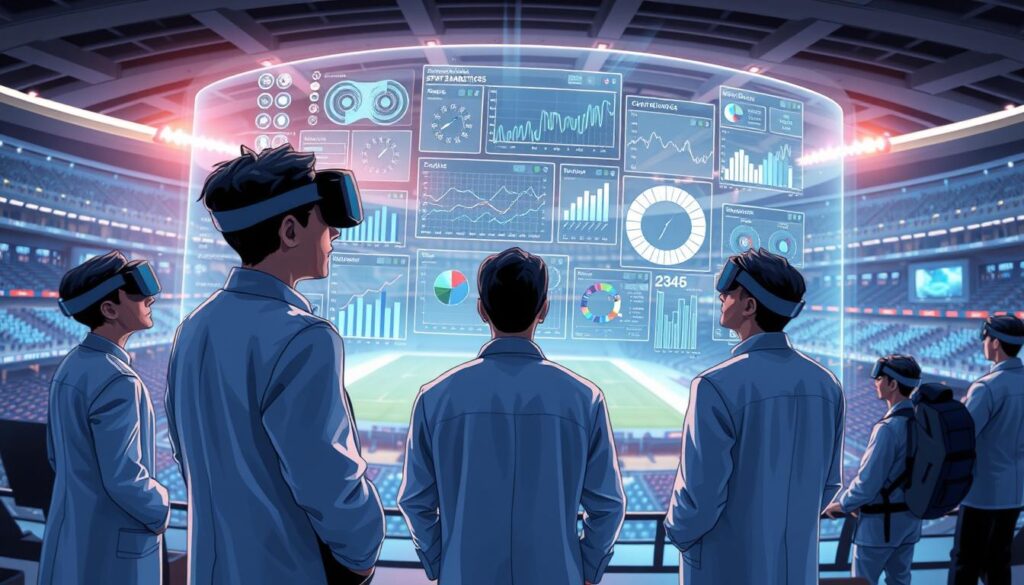
Early performance tracking focused on basic stats like points scored or possession time. Modern systems now process 400+ data points per second – from ticket purchase patterns to weather impacts on attendance. “What gets measured gets managed,” as the saying goes, and teams now measure everything.
Three key developments accelerated this transformation:
- Wearable sensors capturing athlete biometrics during gameplay
- Cloud platforms merging ticket sales with social media trends
- Visual dashboards translating raw numbers into coaching strategies
The 2023 surge in data interpretation tools – capturing 34% market share – proves organizations crave actionable insights. Real-time processing allows adjustments during halftime shows, not just offseason planning. Concession stands restock based on live crowd demographics, while marketing teams personalize offers as fans enter stadiums.
This analytical arms race creates winners beyond the field. Teams leveraging comprehensive data ecosystems report 27% faster decision cycles and 18% higher fan satisfaction scores. As one league executive noted: “We’re not just selling seats anymore – we’re engineering experiences.”
Market Trends and Growth of AI in Sports
The digital transformation sweeping through stadiums reveals a compelling truth: 83% of league executives now consider advanced analytics non-negotiable for survival. This shift fuels a $6.69 billion global artificial intelligence sports market by 2028 – growing nearly 29% annually as organizations chase competitive edges.
Key Statistics and Industry Forecasts
North America’s 39% market dominance stems from aggressive technology adoption in major leagues. The region’s franchises invest heavily in predictive tools that analyze fan behavior and optimize operations. Three factors drive this expansion:
| Region | 2023 Market Share | Key Growth Driver | 2028 Projection |
|---|---|---|---|
| North America | 39% | Venture capital investments | $2.61B |
| Europe | 28% | Government tech initiatives | $1.87B |
| Asia-Pacific | 19% | Mobile-first fan engagement | $1.27B |
| Latin America | 9% | Stadium modernization | $598M |
Investment Patterns Shaping the Field
Major leagues allocated $420 million to sports industry technology in 2023 alone. This capital flows toward:
- Custom machine learning platforms for ticket optimization
- Real-time fan experience personalization tools
- Advanced biometric tracking systems
European markets follow closely, with Germany’s Bundesliga committing €150 million to artificial intelligence development through 2026. Emerging economies show promise too – India’s sports tech startups secured $84 million in funding last year, focusing on affordable prediction models.
As one team owner noted: “Smart investments today create tomorrow’s championship-caliber organizations – both on the field and in the front office.” This philosophy drives the industry’s relentless push toward data-powered excellence.
How AI Transforms Ticket-Demand Forecasting for Sports Events
Ticket windows once dictated fan access – now intelligent systems orchestrate stadium entry with surgical precision. These solutions analyze 50+ behavioral signals to anticipate crowd movements weeks before game day.
Pattern Recognition Revolution
Supervised learning models digest decades of ticket sales in minutes. They spot connections humans miss – like how rainy Tuesdays against division rivals affect premium seat demand. Historical data merges with live inputs:
- Real-time weather radar updates
- Public transit delay alerts
- Secondary market price fluctuations
One league executive noted: “Our models now predict attendance within 3% accuracy – something our veteran staff couldn’t achieve in 20 years.”
Adaptive Commerce Solutions
Dynamic pricing engines react faster than halftime shows. When social buzz spikes for an upcoming matchup, algorithms adjust inventory allocation across price tiers. Three core benefits emerge:
- Families gain access to value-oriented seating zones
- Last-minute buyers find fair-priced premium options
- Season ticket holders receive loyalty perks automatically
Fraud detection systems now block 89% of scalper bots during high-demand sales. Recommendation engines suggest optimal seats using purchase history and budget preferences – increasing conversion rates by 22%.
Key Components of AI-Driven Forecasting Models
Modern stadiums pulse with invisible data streams that power smarter decisions. At the core of predictive systems lie two pillars: comprehensive information gathering and precision-driven computational engines.
Data Collection and Real-Time Analytics
Sophisticated models thrive on diverse inputs. Historical ticket sales merge with live weather updates, social media buzz, and even parking app signals. IoT sensors track foot traffic patterns, while mobile apps capture fan preferences.
Third-party providers enrich datasets with economic indicators and transit data. A leading NBA team uses computer vision to analyze concession line lengths – adjusting pricing in real-time based on crowd density.
- 40+ data streams feed modern prediction engines
- Cloud platforms process updates every 90 seconds
- Hybrid datasets combine structured sales records with unstructured social posts
These systems leverage external data sources to spot hidden demand signals. One European soccer club increased mid-week attendance by 17% after integrating local event calendars.
Algorithm Accuracy and Performance Metrics
Prediction engines undergo rigorous testing before deployment. Teams track mean absolute error (MAE) below 3% and root mean squared error (RMSE) under 5% for reliable forecasts.
“Our ensemble models cross-validate predictions across seven different algorithms – it’s like having multiple expert analysts debating each decision.”
Three-tiered validation ensures reliability:
- Historical backtesting against past seasons
- Real-world A/B testing during preseason
- Continuous live monitoring with automated alerts
Advanced systems now self-correct using feedback loops. When a sudden rainstorm disrupted attendance predictions last season, one model adjusted its weather impact calculations within 48 hours – improving future accuracy by 12%.
Enhancing Fan Engagement Through Personalized Experiences
The heart of modern sports beats in sync with its supporters’ passions. Forward-thinking organizations now craft unique journeys for every enthusiast, using behavioral insights to strengthen connections. Machine learning transforms raw data into emotional resonance – one tailored interaction at a time.
Intelligent systems analyze purchase histories and digital footprints to predict preferences. A college basketball fan might receive curated highlight reels before playoffs. A family of four could get snack bundle offers matching their past orders. These micro-moments build loyalty through relevance.
Chatbots have become digital concierges, answering questions faster than halftime lasts. They guide ticket upgrades during rain delays or suggest parking options based on real-time traffic. One MLB team reduced customer service calls by 41% while improving satisfaction scores.
Recommendation engines excel at subtle persuasion. By cross-referencing social media activity with seat preferences, they nudge fans toward ideal experiences. A casual supporter might discover premium lounge access fits their budget. Die-hard followers receive first alerts for playoff ticket releases.
This strategic personalization pays dividends beyond revenue. Teams reporting above-average fan engagement metrics see 27% higher renewal rates for season passes. When every interaction feels uniquely crafted, spectators transform into lifelong advocates.
FAQ
How does artificial intelligence improve ticket-demand forecasting accuracy?
Machine learning models analyze historical sales, fan behavior, and external factors like team performance or weather. This allows sports organizations like the NBA or NFL to predict demand with 85–90% accuracy, optimizing pricing and inventory allocation.
What benefits do fans gain from AI-driven ticketing systems?
Fans enjoy personalized offers, dynamic pricing transparency, and reduced scalping risks. Platforms like StubHub use predictive analytics to alert users about high-demand games, while loyalty programs tailor rewards based on engagement patterns.
Which data sources do sports teams prioritize for forecasting models?
Teams combine ticket sales history, social media sentiment, player statistics, and regional economic indicators. For example, the Los Angeles Dodgers leverage IBM Watson to analyze local event calendars and weather forecasts for cross-referencing.
Can dynamic pricing strategies backfire during low-demand events?
Advanced algorithms adjust prices in real time based on shifting demand. Systems like Ticketmaster’s Presence use machine learning to avoid overpricing, ensuring affordability during underperforming games while maximizing revenue for marquee matchups.
How have leagues like MLB integrated AI into their ticketing workflows?
The San Francisco Giants partnered with Salesforce to unify CRM data with predictive tools. This allows targeted promotions for specific fan segments, increasing season ticket renewals by 22% and single-game sales by 17% in pilot programs.
What challenges arise when implementing these technologies?
Data silos and legacy systems often hinder adoption. Teams like the Dallas Cowboys overcame this by collaborating with Microsoft Azure to build scalable cloud infrastructure, ensuring seamless integration with existing ticketing platforms.
Are there ethical concerns with AI-driven ticket pricing?
Transparency is critical. Organizations like UEFA publish pricing algorithms’ core principles to maintain trust. Most systems now include fairness audits to prevent discriminatory practices, balancing profit goals with fan accessibility.