Every 3 seconds, an entertainment brand activates a new automated conversation with a fan worldwide. This quiet revolution now drives 25% higher revenue per interaction for early adopters, with industry leaders like AMTRAK’s Julie chatbot handling 5 million annual queries. By 2030, this $99 billion sector will reshape how organizations build lasting audience relationships.
Forward-thinking teams no longer view automated systems as mere cost-cutters. They’re deploying intelligent platforms that predict fan needs before they arise – from multilingual ticket support to personalized content recommendations. One stadium’s solution now recognizes 800+ unique fan requests, turning casual attendees into loyal advocates.
The shift goes beyond 24/7 availability. Modern tools analyze emotional cues and regional dialects, creating authentic connections at scale. When a basketball franchise introduced bilingual features, merchandise sales jumped 18% in multilingual markets. These innovations prove that revolutionizing fan experiences requires both technological sophistication and human-centric design.
Key Takeaways
- The automated conversation market will triple by 2030, driven by 26% annual growth
- Leading solutions increase booking revenue by 30% through personalized interactions
- Multilingual capabilities boost sales by 18% in diverse demographic markets
- Top-performing systems handle 5 million+ queries annually with 90% resolution rates
- Emotion-aware platforms strengthen brand loyalty through predictive support
Introduction to Fan Engagement and AI Chatbots
The roar of the crowd isn’t just heard in stadiums anymore—it’s echoed through smart algorithms shaping modern sports interactions. Teams and leagues now deploy technology that transforms passive viewers into active participants, creating immersive connections that extend far beyond game days.
Redefining Connection in Digital Arenas
Traditional sports broadcasting once delivered one-size-fits-all content. Today, machine learning deciphers individual preferences to serve customized highlights. The NBA’s app, for instance, generates unique game recaps based on each user’s favorite players and moments—a tactic that boosted app retention by 40%.
This evolution addresses growing demands for immediacy. Fans no longer tolerate delayed responses or generic interactions. A recent survey revealed 68% of supporters prefer brands that anticipate their needs through context-aware solutions.
Building Bridges Through Technology
Modern platforms solve critical challenges in fan relationships:
| Feature | Traditional Support | Advanced Systems |
|---|---|---|
| Response Speed | 24-48 hours | Under 90 seconds |
| Content Relevance | Generic updates | Personalized offers |
| Language Options | 1-2 languages | 50+ dialects supported |
These tools don’t just answer questions—they nurture loyalty. When a European soccer club introduced multilingual assistance, merchandise purchases from non-native speakers increased by 22% within three months.
Challenges in Traditional Fan Support
Traditional support systems are crumbling under the weight of modern fan expectations, revealing critical gaps in responsiveness and personal touch. A W.P. Carey School of Business study shows 50% of customers now prefer digital channels for complaints—outpacing phone interactions for the first time. Yet many organizations still rely on outdated infrastructures that fail to meet these evolving demands.
Slow Responses and Limited Availability
Legacy systems often leave fans waiting days for answers. Phone lines close at 5 PM, while digital inquiries pile up overnight. Customer service teams scramble through disconnected databases, unable to resolve urgent issues during peak moments like game days or ticket releases.
Language Barriers and Lack of Personalization
Global fanbases face cultural disconnects. A Japanese supporter might receive English-only updates, while a Spanish-speaking family gets generic merchandise suggestions. These missed opportunities compound as audiences grow—teams with 1M+ followers can’t manually tailor experiences at scale.
| Support Aspect | Traditional Model | Modern Expectation |
|---|---|---|
| Availability | 9 AM – 5 PM | 24/7 instant access |
| Response Time | 48+ hours | Under 2 minutes |
| Language Support | 2-3 languages | Real-time translation |
The consequences are measurable. Teams using manual processes report 22% lower satisfaction scores compared to tech-enabled competitors. As audiences diversify, the need for adaptive solutions becomes non-negotiable.
Rise of AI Chatbots in Enhancing Fan Experiences
Midnight inquiries no longer vanish into the void. Modern solutions now bridge time zones and language barriers, creating dialogue opportunities where silence once reigned. A streaming giant’s assistant fields 12,000+ daily requests about billing errors and content discovery – even during holiday blackouts.
Always-On 24/7 Support
Round-the-clock availability reshapes audience expectations. Research shows 61% of consumers prioritize brands offering perpetual assistance – a strategic advantage for entertainment providers. One platform’s analysis revealed 45% of users abandon inquiries if responses lag beyond 90 seconds.
Advanced systems transform frustration into loyalty through precision. Real-time language processing enables Spanish-speaking viewers to troubleshoot streaming issues while Tokyo-based fans order merchandise before dawn. This immediacy builds trust – 36% report higher satisfaction when receiving tailored suggestions during off-peak hours.
Instant resolutions now drive measurable outcomes:
- Merchandise conversion rates spike 27% during non-business hours
- Season ticket renewals accelerate with midnight FAQ access
- Global fan clubs grow through localized content delivery
The psychological impact proves profound. “Knowing help exists at 3 AM makes me feel valued,” shares a gaming community moderator. This assurance converts casual enthusiasts into brand advocates, with 21% sharing positive support experiences across social platforms.
Organizations clinging to 9-to-5 models face stark realities. Audiences increasingly equate availability with commitment – a currency more valuable than traditional loyalty programs. As one industry analyst notes: “Continuous conversation windows don’t just solve problems. They build emotional infrastructure.”
Personalizing Fan Interactions with Artificial Intelligence
A music lover in Tokyo receives concert alerts matching their playlist history before they even search. This level of tailored service exemplifies how modern systems decode individual preferences to craft memorable moments. Sophisticated engines now analyze behavior patterns, transforming generic exchanges into meaningful dialogues.

Custom Content and Tailored Experiences
Spotify’s recommendation bot demonstrates the power of behavioral analysis. By tracking listening habits, it suggests emerging artists and creates dynamic playlists—resulting in 28% higher user engagement. Similarly, the NBA’s messaging tool delivers video highlights based on a viewer’s favorite players, merging real-time data with historical preferences.
Three elements define successful personalization strategies:
- Predictive analytics anticipating needs (e.g., ticket reminders before sellouts)
- Multilingual adaptability, like Sendbird’s 80-language detection system
- Context-aware suggestions tied to past interactions
Real-Time Engagement Tools and Instant Answers
During live games, chatbots now deliver stats updates before fans refresh their apps. Merchandise recommendations appear as users discuss team performance, blending spontaneity with relevance. This immediacy drives results—35% of supporters prioritize tools that save time during peak moments.
Advanced platforms achieve this through:
- Dynamic response systems adapting to conversation flow
- Localized offers based on geolocation and purchase history
- Emotion-aware replies that mirror fan enthusiasm
These innovations prove that strategic personalization approaches create deeper connections. By balancing efficiency with authenticity, organizations turn casual followers into devoted advocates.
AI Use Case – Fan-Engagement Chatbots: Features & Benefits
Modern support systems now convert routine inquiries into revenue opportunities. Organizations achieve this by blending operational efficiency with hyper-relevant interactions—a combination that drives measurable financial gains while deepening audience connections.
Cost-Effective Solutions and Revenue Impact
Entertainment brands slash expenses while boosting income through intelligent automation. The Houston Astros’ platform exemplifies this dual benefit—generating $232,000 in ticket sales while saving 11,000 staff hours annually. Each automated interaction costs $1-$2 versus $10-$14 for human agents, creating immediate 30% cost reductions.
| Metric | Traditional Model | Automated System |
|---|---|---|
| Cost per Interaction | $10.50 | $1.75 |
| Revenue Lift | Static Pricing | Dynamic Upselling |
| Global Reach | Limited Languages | 50+ Dialects |
These tools don’t just answer questions—they drive purchases. During peak sales periods, chatbots suggest premium seating options or limited-edition merchandise, contributing to 63% revenue growth for early adopters.
Enhanced Multilingual and Personalized Support
Global audiences demand localized experiences. Advanced systems now handle 50+ languages while remembering individual preferences—like a fan’s favorite player or preferred payment method. This combination of scale and specificity explains why 69% of consumers choose automated tools for instant solutions.
Teams benefit from consistent service quality across markets. A European football club expanded its Asian fanbase by 18% after implementing real-time translation features. Meanwhile, personalized merchandise recommendations increased conversion rates by 27% during off-peak hours.
“The right technology turns support channels into profit engines,” notes a sports tech analyst. By merging cost efficiency with revenue generation, modern platforms create sustainable advantages in competitive entertainment markets.
Integrating AI Chatbots with Existing Systems
Seamless integration separates fleeting trends from transformative technologies. Organizations require solutions that merge effortlessly with current workflows while scaling for tomorrow’s demands. The choice of platform determines whether automated tools become strategic assets or isolated experiments.
Selecting the Right Tools and Platforms
Leading options like HubSpot’s Chatbot Builder demonstrate the power of synergy. Their system integrates with CRM databases, automating lead qualification while maintaining brand voice consistency. MobileMonkey’s Messenger marketing tools show how platforms can extend reach across social channels without coding expertise.
Three critical factors guide successful implementation:
- API flexibility – ensuring compatibility with payment gateways and ticketing systems
- Cost transparency – balancing monthly fees ($20-$200+) with long-term value
- Training efficiency – Kommunicate’s FAQ-based learning reduces setup time by 65%
| Platform | Strengths | Ideal For |
|---|---|---|
| HubSpot | CRM integration | Sales-focused teams |
| MobileMonkey | Multi-channel reach | Social media engagement |
| Kommunicate | Knowledge base sync | Customer support scaling |
Phased rollouts prove most effective. A streaming service increased resolution rates by 41% after testing tools across regional markets. As one tech director notes: “Our app’s chatbot became indispensable once it mirrored our help desk’s tone and knowledge.”
Successful teams prioritize platforms offering real-time analytics and multilingual adaptability. These features transform standalone tools into central nervous systems for fan interaction – driving loyalty while future-proofing operations.
Leveraging Data and Insights for Advanced Fan Engagement
Data streams flow through stadiums like digital applause, revealing patterns that transform casual spectators into devoted followers. Modern platforms aggregate 360-degree profiles—tracking social activity, purchase history, and even seat preferences—to craft experiences that resonate at individual levels. Recent studies highlight how comprehensive data collection boosts engagement metrics by 41% compared to basic demographic tracking.
Analytics-Driven Personalization Strategies
Leading sports franchises now map fan journeys across 17+ touchpoints. A European soccer club’s system identifies supporters likely to disengage, triggering personalized content drops that reduced churn by 29%. Three core elements power these initiatives:
| Data Aspect | Traditional Approach | Modern Solution |
|---|---|---|
| Collection Methods | Survey-based sampling | Real-time behavioral tracking |
| Update Frequency | Quarterly reports | Live dashboards |
| Predictive Power | Basic trend analysis | Machine learning models |
These systems don’t just react—they anticipate. When Deloitte found 65% of fans crave off-season content, teams began scheduling automated check-ins during downtime. Merchandise suggestions now align with weather patterns and local events, lifting conversion rates by 33%.
Predictive Insights for Better Interaction Design
Machine learning transforms historical data into future roadmaps. One basketball franchise’s model predicts ticket purchase windows with 87% accuracy, enabling timely offers. Conversation flows adapt dynamically—if a fan frequently asks about player stats, the system prioritizes real-time performance updates.
The true power lies in emotional alignment. Platforms analyze response times and emoji usage to gauge enthusiasm levels, adjusting tone and content depth accordingly. This nuanced approach builds trust—teams using sentiment-aware tools report 22% higher satisfaction scores during critical matches.
Future Trends and Innovations in AI-Driven Fan Engagement
Stadiums are evolving into intelligent hubs where technology anticipates needs before they’re voiced. Emerging tools analyze crowd movements and social chatter to optimize everything from concession wait times to emergency exits. This shift creates frictionless environments where enhancing fan engagement becomes a natural byproduct of smart design.
Next-Generation Support Ecosystems
Market leaders now experiment with holographic assistants and AR wayfinding. A concert venue’s prototype projects interactive guides onto seats – reducing staff queries by 38% during pilot events. These innovations align with growing demand: 73% of attendees prefer venues offering tech-augmented experiences over traditional setups.
Game day interactions will soon leverage predictive analytics. Systems might dispatch refreshment bots to sections showing increased restroom traffic or adjust playlist volumes based on real-time decibel readings. Such adaptations mirror strategies seen in algorithmic thinking case studies from retail giants achieving 10% revenue lifts through similar anticipatory models.
Hyper-Personalized Event Journeys
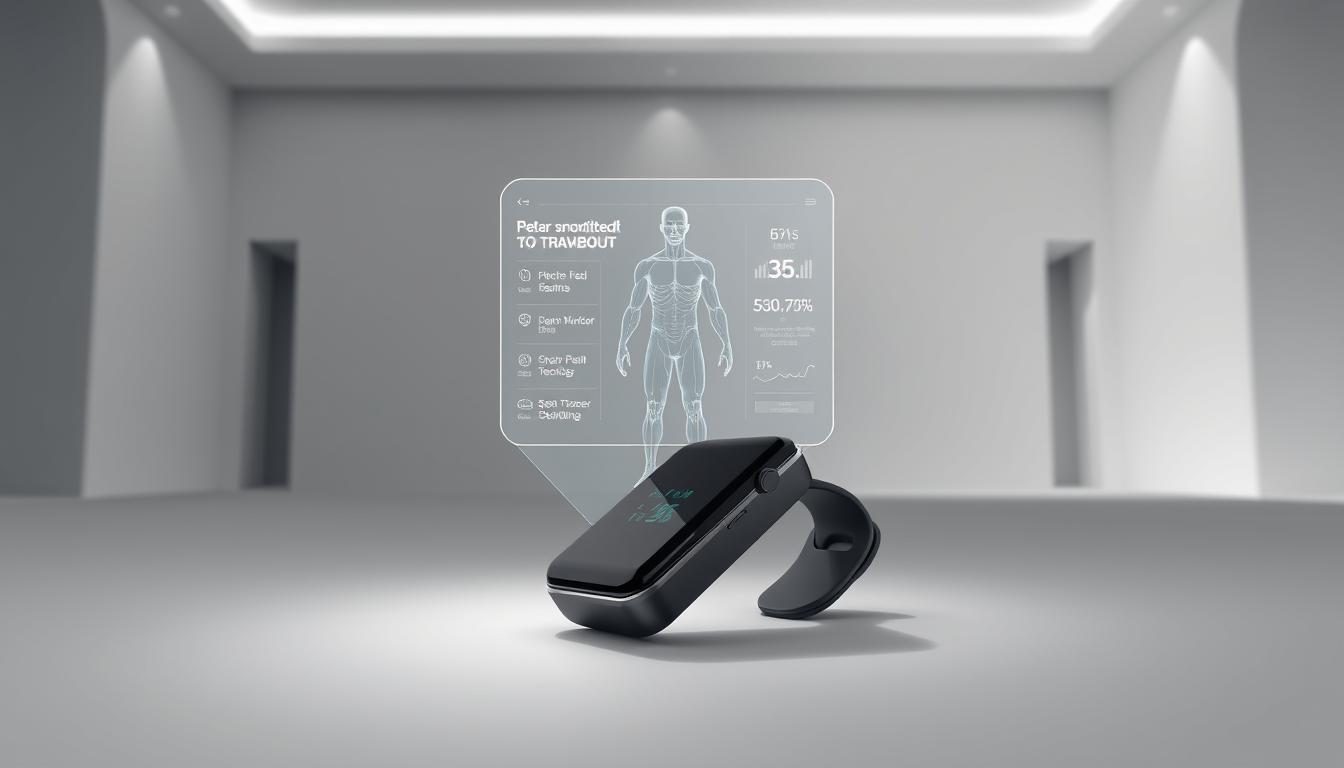
Tomorrow’s platforms could customize entire experiences based on biometric data. Imagine systems suggesting quieter lounge areas when detecting elevated heart rates or offering hydration reminders through smart wristbands. Early tests show these features increase merchandise spending by 19% through stress-reduced decision-making.
The future belongs to solutions balancing innovation with emotional intelligence. As one stadium designer notes: “Our most successful tools feel less like technology and more like attentive hosts.” This humanized approach – powered by invisible infrastructure – will define the next era of audience connections.
FAQ
How do chatbots improve fan engagement for sports teams?
Chatbots deliver 24/7 support, instant answers about tickets or player stats, and personalized updates. For example, ESPN’s bot shares real-time scores, while Real Madrid’s chatbot offers exclusive merch drops—keeping fans connected beyond game day.
What benefits do chatbots offer for multilingual fan bases?
Advanced systems like the NBA’s app use AI to break language barriers, providing instant translations in 10+ languages. Manchester City’s chatbot serves global fans with localized content, ensuring inclusivity and deeper connections.
Can chatbots integrate with existing team apps or social media?
Yes. Platforms like Salesforce and IBM Watson enable seamless integration via APIs. The Golden State Warriors’ app syncs chatbots with Twitter and email, streamlining ticket purchases and event reminders across channels.
How do organizations use chatbot data to enhance experiences?
Analytics tools track fan preferences—like video highlights viewed or merchandise clicked—to tailor content. The NFL’s “NFL OnePass” uses this data to predict trends, optimizing promo timing and content relevance.
What cost benefits do chatbots provide compared to traditional support?
Automating routine queries reduces staffing costs by up to 30%, as seen with FC Barcelona’s ticket system. Chatbots also boost revenue: 20% of fans buying merch through the LA Lakers’ bot responded to targeted offers.
What future trends will shape AI-driven fan engagement?
Voice-activated assistants (like Amazon Alexa for live stats) and AR filters for virtual meet-and-greets are rising. Teams like the Dallas Cowboys use sentiment analysis to adjust marketing strategies in real time.
How do chatbots personalize experiences for individual fans?
By analyzing past behavior—such as preferred players or game attendance—chatbots serve tailored content. For instance, Liverpool FC’s bot sends customized video highlights and season-ticket renewal reminders.
What challenges do traditional fan support systems face?
Manual systems struggle with slow responses, limited hours, and generic replies. Before adopting chatbots, the Boston Red Sox saw 40% of fan emails go unanswered during peak seasons.
Are there examples of teams successfully using chatbots?
Manchester City’s bot handles 80% of match-day FAQs, while the Golden State Warriors increased merch sales by 15% through personalized offers. Both leverage AI to deepen loyalty and streamline operations.