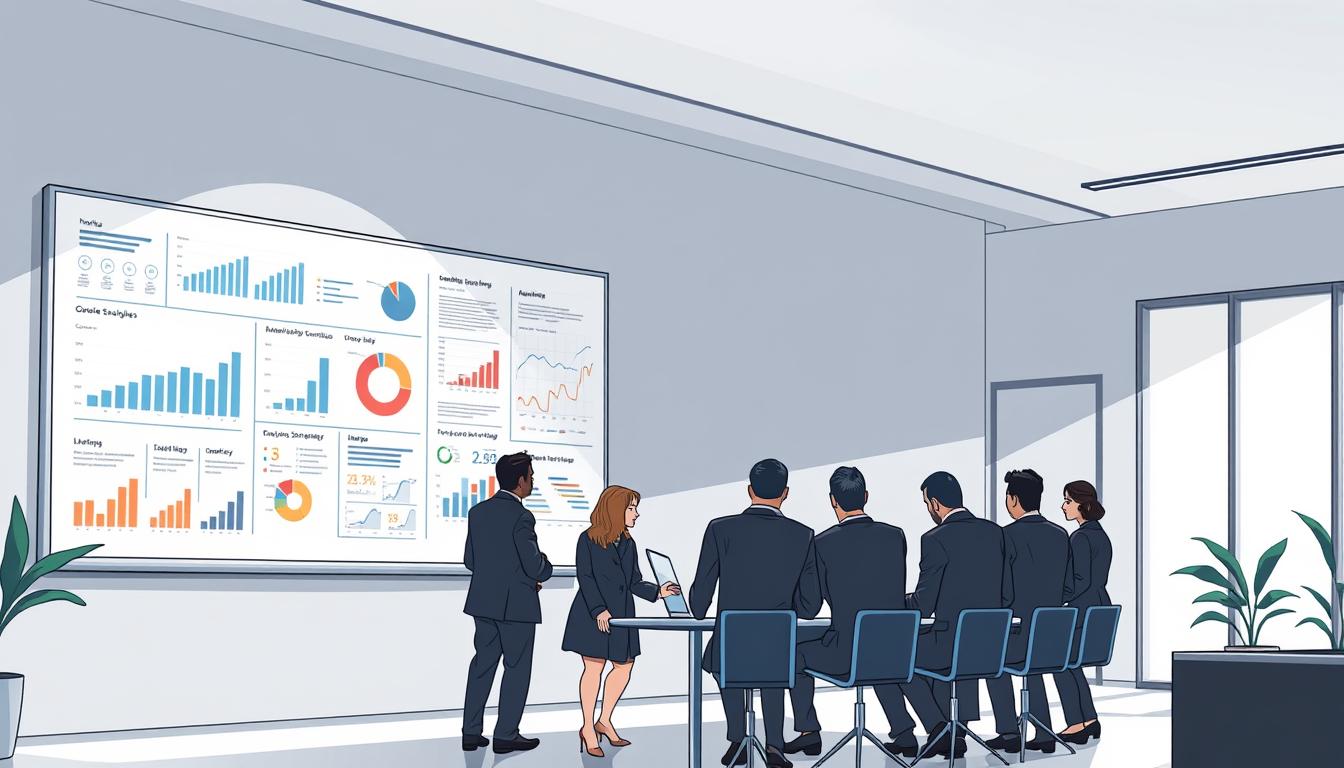
Between 2022 and 2023, artificial intelligence generated more images than all professional photographers shot in the last decade – over 15 billion visual creations reshaping how we think about artistry. This explosion of content isn’t just staggering in scale; it signals a fundamental shift in creative workflows. McKinsey research suggests this technology could unlock $60 billion in productivity gains for product development teams alone, with tools like ChatGPT achieving record adoption faster than any consumer app in history.
Forward-thinking professionals now leverage systems that automate technical tasks while amplifying human ingenuity. A MIT Sloan study highlights tools like DesignAID, which transforms text prompts into complex visuals 90% faster than traditional methods. These models don’t replace creativity – they expand its boundaries, enabling teams to prototype car interiors or architectural concepts in hours rather than months.
The implications extend beyond efficiency. By reducing reliance on specialized software skills, this approach democratizes innovation. Marketing teams iterate campaigns at startup speed, while engineers validate concepts before costly prototyping begins. What emerges isn’t just a productivity boost, but a redefinition of creative collaboration – where human vision directs machine precision to achieve previously unimaginable results.
Key Takeaways
- Creative industries could see $60 billion in productivity gains through intelligent automation
- AI-generated content now rivals human output in scale and speed
- Tools like DesignAID reduce concept development time by over 90%
- Democratized design processes lower barriers to professional-grade innovation
- Hybrid human-machine workflows enable faster iteration and risk reduction
Introduction to Generative Design in the AI Era
The creative landscape is undergoing a seismic shift as algorithmic systems redefine what’s possible. Traditional workflows – once bound by technical limitations – now evolve through machine intelligence that interprets intent and executes ideas with startling precision.
Overview of AI-Driven Design
Modern systems analyze patterns using advanced models trained on vast visual databases. These tools convert text descriptions into detailed concepts within seconds, slashing production timelines. A furniture designer might generate 50 chair variations in the time it previously took to sketch three prototypes.
| Approach | Traditional Methods | AI-Driven Process |
|---|---|---|
| Speed | Weeks per iteration | Minutes per variation |
| Resource Use | Specialized software skills | Natural language prompts |
| Innovation Potential | Limited by human bandwidth | Exponential idea generation |
Relevance for Modern Creatives
This technological leap addresses critical pain points. Teams overcome creative blocks through instant visualization of abstract concepts. Marketing agencies test campaign visuals before photoshoots, while architects simulate structures using verbal descriptions rather than CAD expertise.
The true value lies in augmented creativity – combining human intuition with machine efficiency. Professionals maintain artistic control while exploring bolder ideas that would have been deemed too risky or time-intensive previously. As one creative director noted: “We’re not replacing imagination – we’re giving it wings.”
Exploring the AI Use Case – Generative Design Assistance for Creatives
Modern industries face mounting pressure to deliver groundbreaking concepts while cutting development cycles. Sophisticated computational models now enable teams to prototype physical and digital products with unprecedented agility. This shift transforms how organizations approach innovation from concept to market.
Defining Generative Design Assistance
These systems analyze input parameters to produce hundreds of viable solutions. A furniture company might explore 200 chair designs in two hours – a task requiring weeks manually. As one industrial designer notes: “We’re not just sketching faster – we’re discovering forms that defy conventional thinking.”
Identifying Key Industry Benefits
Early adopters report transformative outcomes across three areas:
| Metric | Traditional Approach | Generative Process |
|---|---|---|
| Concept Development | 6-8 weeks | 24-48 hours |
| Consumer Testing | Post-prototype | During ideation |
| Modification Costs | $15k+ per change | $800 average |
The technology’s capabilities let teams refine product experiences before physical samples exist. Marketing firms test packaging designs through virtual focus groups, while manufacturers validate ergonomics using AI-generated 3D models.
For business leaders, this approach reduces financial risks. One automotive company slashed concept development costs by 73% while increasing stakeholder satisfaction through lifelike previews. As workflows evolve, creative professionals gain freedom to prioritize strategic vision over repetitive tasks.
Leveraging AI for Next-Generation Design Concepts
Breaking free from legacy constraints, modern teams achieve what once seemed impossible through machine-enhanced collaboration. Automotive engineers recently demonstrated this shift – developing 25 dashboard variations in two hours versus seven days manually. This velocity redefines competitive advantage across industries.
Transforming Traditional Design Methods
Sophisticated models now compress months-long processes into hours. One manufacturer’s workflow comparison reveals stark contrasts:
| Metric | Manual Process | Enhanced Approach |
|---|---|---|
| Initial Concepts | 3-5 weekly | 100+ daily |
| Revisions | Days per change | Real-time adjustments |
| Team Focus | Technical execution | Strategic innovation |
These tools liberate creatives from repetitive tasks. As one lead engineer noted: “We’re not just working faster – we’re discovering solutions our team never considered feasible.”
Rapid Concept Visualization Techniques
Text-to-image systems bridge imagination and execution. Designers describe features like “holographic control panels” or “biomorphic textures,” receiving photorealistic mockups within minutes. This immediacy enables:
- Parallel exploration of divergent styles
- Instant stakeholder feedback cycles
- Risk-free experimentation with bold ideas
The technology acts as both accelerator and safety net – teams test unconventional approaches without sacrificing time or resources. What emerges isn’t just efficiency, but a renaissance of creative courage.
Understanding the Role of High-Fidelity Concept Images in Innovation
Visual precision now drives competitive advantage across industries. Near-photorealistic renderings allow teams to validate ideas before production begins, transforming how organizations refine user experiences. This shift moves critical feedback cycles earlier in development, reducing costly revisions.
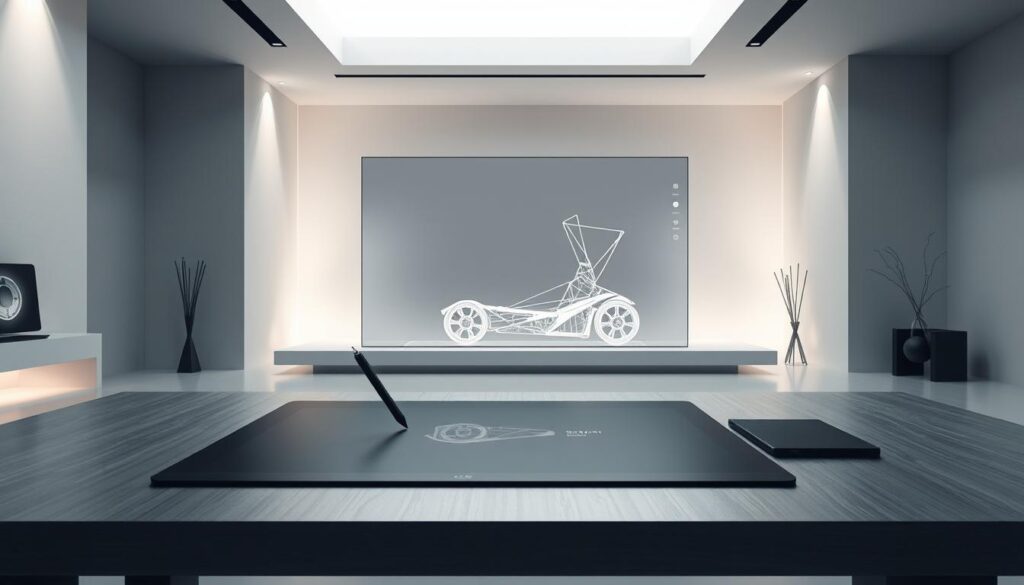
Iterative Prompting for Detailed Imagery
Refining concepts through successive text adjustments unlocks unprecedented detail. Designers might start with “ergonomic bicycle pedal” and evolve prompts to specify “titanium-reinforced lattice structure with 40% weight reduction.” Each iteration sharpens the output, aligning visuals with technical requirements.
| Feedback Method | Traditional Sketches | Enhanced Visualization |
|---|---|---|
| Stakeholder Clarity | 55% comprehension | 92% accuracy |
| Revision Cycles | 6-8 rounds | 2-3 iterations |
| Time Investment | 3 weeks average | 48 hours typical |
Gathering Precise Consumer Feedback
High-resolution mockups elicit specific reactions instead of vague impressions. Test groups evaluate textures, color gradients, and proportions in lifelike detail. One outdoor gear company reduced product returns by 31% after testing backpack designs through virtual focus groups.
The bicycle pedal case demonstrates this process. Engineers reduced material costs by 22% while increasing durability through visualized stress tests. Teams explore what-if scenarios rapidly, transforming theoretical improvements into actionable data.
Market and User Research: Building the Foundation for Effective Design
Data-driven strategies now separate industry leaders from competitors. Advanced models analyze consumer behavior patterns across social platforms, purchase histories, and demographic information – transforming raw data into actionable insights. One beverage brand identified a 19% growth opportunity in health-conscious markets using these tools, adapting packaging designs before trends peaked.
Traditional research methods struggle with today’s pace. Teams using machine learning process 14x more market data in half the time, according to Nielsen benchmarks. This acceleration enables real-time adjustments during product development cycles.
| Research Factor | Manual Analysis | Enhanced Approach |
|---|---|---|
| Data Sources Analyzed | 3-5 weekly | 50+ daily |
| Insight Generation | 6-8 weeks | 72 hours |
| Consumer Prediction Accuracy | 68% | 89% |
The power lies in cross-referencing diverse information streams. Sentiment analysis tools now evaluate TikTok comments alongside survey responses, detecting emerging preferences months faster. A skincare consumer goods firm redesigned its entire line after discovering unmet demand for sustainable packaging through this method.
Effective user research requires balancing speed with depth. As one research director noted: “We’re not just collecting data – we’re decoding the story behind every click and comment.” This approach ensures creative teams build solutions that resonate with actual market needs rather than assumptions.
Mastering Effective AI Prompting for Revolutionary Design
Crafting precise instructions for algorithmic systems has become the new frontier in digital creation. Unlike traditional methods requiring technical expertise, modern tools respond to strategic language patterns that blend artistic vision with computational logic.
Developing Detailed and Context-Rich Prompts
Successful outputs begin with layered descriptions. A footwear designer might specify “high-top sneaker with hexagonal ventilation patterns – matte black recycled polymers – neon orange accent stitching – urban streetwear aesthetic.” This approach provides:
- Material specifications for manufacturing feasibility
- Color psychology aligned with target demographics
- Stylistic context for brand consistency
Refining Outputs Through Iterative Techniques
Initial results serve as springboards rather than final solutions. Teams analyze generated content, then adjust prompts like photographers fine-tuning camera settings. One furniture studio achieved 93% client approval rates by:
- Generating 20 base concepts
- Isolating preferred features
- Merging elements through targeted iterations
“The magic happens when technical specificity meets creative vision,” notes a lead automotive designer using these methods. This process transforms vague ideas into production-ready models while maintaining human oversight over critical decisions.
Streamlining the Design-to-Engineering Workflow with AI
The bridge between creative vision and technical execution often determines a product’s success. Algorithmic systems now transform this critical phase, converting abstract ideas into manufacturable specifications with unprecedented speed. One automotive manufacturer reduced prototype development from 11 weeks to 14 days using these methods.
Traditional handoffs required days of manual CAD conversions. Modern tools analyze sketches and renderings, automatically generating engineering-ready models that preserve aesthetic intent. This shift allows teams to focus on innovation rather than technical translations.
| Stage | Traditional Approach | Enhanced Process |
|---|---|---|
| Concept Translation | 5-7 days | 2 hours |
| Cross-Department Collaboration | Weekly syncs | Real-time updates |
| Technical Revisions | 4-6 cycles | 1-2 iterations |
Concurrent development becomes practical with synchronized workflows. While designers refine aesthetics, engineering teams validate structural integrity – a parallel process cutting project time by 40% in recent aerospace applications. Machine learning flags potential conflicts early, preventing costly mid-production changes.
“We’re not just saving weeks – we’re preserving creative intent through technical precision,” notes a consumer electronics lead. This synergy maintains brand identity while meeting manufacturing realities, proving that speed and quality aren’t mutually exclusive in modern product development.
Enhancing Product Development and Reducing Cycle Times
Modern product development faces a critical crossroads – deliver breakthrough innovation faster or risk obsolescence. Leading organizations now achieve both through intelligent workflows that compress timelines while expanding creative potential. A recent analysis reveals cycle time reductions exceeding 70% when teams integrate advanced tools strategically.
Rethinking Traditional Timelines
Efficiency gains emerge when repetitive tasks become automated collaborations. Product teams previously spending weeks on initial concepts now generate hundreds of manufacturable designs in days. This velocity transforms resource allocation – engineers focus on material science rather than CAD adjustments, while marketers test packaging with virtual focus groups.
The ripple effects extend beyond speed. Freed from manual processes, organizations reinvest saved time into sustainability audits and supplier evaluations. One electronics firm reduced prototyping waste by 41% while improving ergonomic testing accuracy through rapid iterations.
True productivity emerges when human expertise guides machine precision. As cycle times shrink, product innovation accelerates – not through shortcuts, but smarter workflows that amplify strategic thinking. The future belongs to teams mastering this balance, where every saved hour fuels bolder creative leaps.
FAQ
How does generative design assistance improve productivity for creative teams?
By automating repetitive tasks like concept generation and rapid visualization, tools such as Adobe Firefly and Autodesk Fusion 360 allow teams to focus on strategic innovation. This reduces cycle times while maintaining high-quality outputs, enabling faster market readiness.
What role do high-fidelity images play in consumer feedback processes?
Detailed visuals generated through platforms like Midjourney or DALL·E provide realistic representations of products. These images help gather precise reactions from target audiences early in development—reducing costly revisions and aligning designs with market expectations.
Can generative workflows integrate with existing engineering software?
Yes. Solutions like Figma and NVIDIA Omniverse bridge creative and technical teams by converting design concepts into compatible formats for CAD tools. This seamless integration accelerates prototyping and minimizes errors in the design-to-engineering pipeline.
How do iterative prompting techniques enhance creativity?
Iterative methods encourage refining prompts based on initial outputs, uncovering unexpected directions. For example, adjusting descriptors in Stable Diffusion prompts can yield novel textures or forms—turning constraints into catalysts for original ideas.
What industries benefit most from AI-driven concept generation?
Automotive (Tesla’s prototyping), fashion (Stitch Fix’s personalized designs), and architecture (Zaha Hadid Architects’ parametric models) leverage these tools. They achieve faster iteration cycles while maintaining artistic integrity and functional precision.
Does adopting generative design tools require technical expertise?
Platforms like Canva and Runway ML prioritize user-friendly interfaces, allowing creatives to focus on vision rather than coding. However, mastering advanced features in Blender or Unity may require targeted upskilling for optimal results.
How does real-time collaboration work in AI-enhanced design workflows?
Cloud-based tools such as Miro integrate generative features, letting global teams co-edit concepts, share feedback, and vote on iterations simultaneously. This eliminates version conflicts and accelerates consensus-building across departments.