The HR technology market is projected to grow by nearly 50% by 2028, fueled by a demand for tools that decode workplace dynamics. Traditional surveys and performance reviews now struggle to capture the full picture—only 23% of employees feel their feedback leads to meaningful change. This gap has sparked a revolution in how companies interpret their teams’ voices.
Forward-thinking organizations now leverage advanced analytics to transform raw comments into actionable strategies. By examining language patterns and emotional cues, leaders gain real-time visibility into team morale, cultural friction points, and hidden opportunities. Over 80% of executives agree this approach strengthens transparency—a critical factor in retention and productivity.
What sets modern solutions apart is their predictive power. Rather than reacting to crises, companies proactively address concerns before they escalate. This shift represents more than efficiency—it’s a fundamental reimagining of how workplaces nurture trust and drive innovation.
Key Takeaways
- Traditional feedback methods often miss nuanced emotional patterns in workplace communication
- The HR tech sector’s rapid growth reflects demand for data-driven cultural insights
- Real-time analytics help prevent turnover by identifying concerns early
- Language processing tools strengthen leadership transparency and trust
- Proactive strategies outperform reactive problem-solving in employee retention
Understanding Sentiment Analysis in Employee Feedback
Traditional feedback systems often miss emotional patterns hidden in workplace communication. Modern solutions decode these subtleties by converting unstructured text into measurable insights—bridging the gap between what teams say and what they truly feel.
What Is This Approach and Why Does It Matter?
Natural language processing (NLP) examines written or spoken language to detect emotional tones. Algorithms assign numerical scores to phrases, identifying positive, neutral, or negative attitudes toward workplace elements like policies or leadership. This method transforms vague comments into structured data, revealing trends surveys can’t capture.
For example, a casual mention of “flexible hours” in a team chat might score higher than formal praise in a structured review. These insights help leaders prioritize changes that boost morale and productivity.
How Technology Enhances Cultural Insight
HR teams now combine quantitative metrics with qualitative analysis of emails, surveys, and peer feedback. Machine learning models process thousands of responses in minutes, spotting patterns humans might overlook. One healthcare company reduced turnover by 18% after identifying burnout signals in routine check-ins.
This synergy between data and human expertise creates a holistic view of workforce satisfaction. It turns subjective opinions into strategic roadmaps for cultural improvement—without compromising privacy or trust.
The Value of AI-driven Sentiment Analysis in the Modern Workplace
Modern workplaces thrive when leadership understands unspoken team dynamics. Traditional annual surveys create information gaps—like diagnosing a fever without knowing the symptoms. Continuous emotional pattern detection bridges this divide, turning everyday interactions into strategic assets.

Closing the Gap Between Insight and Action
Delayed feedback often arrives too late to prevent turnover or disengagement. Modern tools analyze digital communications—emails, chat logs, project notes—providing real-time visibility into team morale. One retail chain reduced absenteeism by 29% after addressing scheduling frustrations revealed through message analysis.
This approach captures subtle shifts in tone that surveys miss. A phrase like “I’ll try to finish this” might signal overwhelm when analyzed alongside response times and peer interactions. Leaders gain weeks—sometimes months—to address concerns before productivity declines.
From Reactive to Predictive Workforce Management
Pattern recognition transforms random complaints into actionable trends. When 43% of a tech firm’s engineers mentioned “rushed deadlines,” sentiment tools flagged burnout risks. Proactive workload adjustments prevented six key resignations—saving $2.6M in recruitment costs.
These systems don’t replace human judgment—they enhance it. By highlighting recurring cultural friction points, teams can prioritize changes that boost satisfaction. The result? Organizations report 31% faster conflict resolution and 19% higher retention in departments using these insights.
AI Use Case – Sentiment Analysis in Employee Feedback
Modern organizations face a critical challenge: translating everyday workplace conversations into measurable strategies. By applying advanced linguistic evaluation, teams uncover hidden frustrations and motivations that traditional surveys overlook.
Transforming Qualitative Data into Actionable Insights
Every probation review and policy discussion contains emotional signals. Sophisticated tools convert these scattered comments into holistic patterns, revealing why 68% of new hires stay engaged while others disengage within months. A manufacturing firm recently discovered onboarding frustrations masked as “training delays”—leading to redesigned orientation programs that cut early attrition by 41%.
Enhancing Employee Retention and Reducing Turnover
Pattern recognition identifies flight risks months before resignation letters arrive. When communication frequency drops by 35% among high performers, it often signals career stagnation. Proactive mentorship programs based on these insights helped one software company retain 89% of flagged engineers.
Using Data Visualization to Drive Decision Making
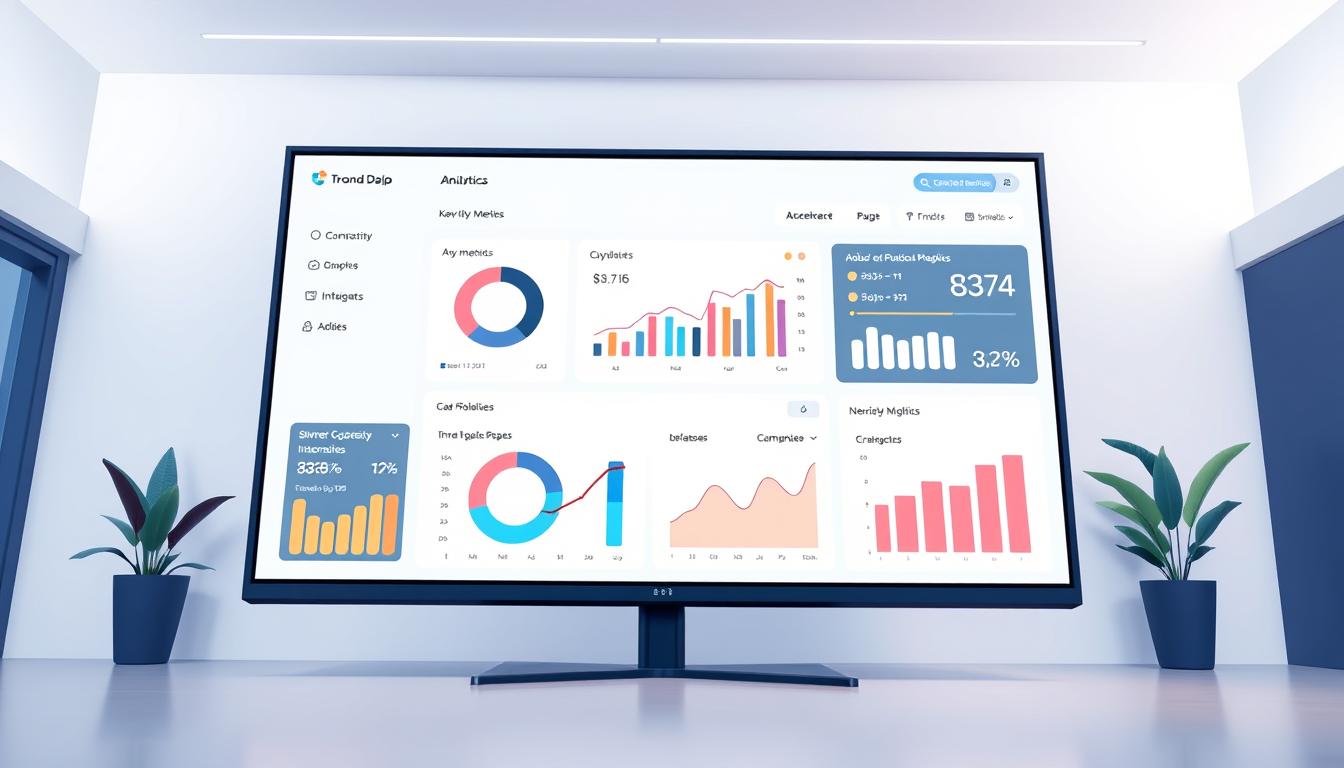
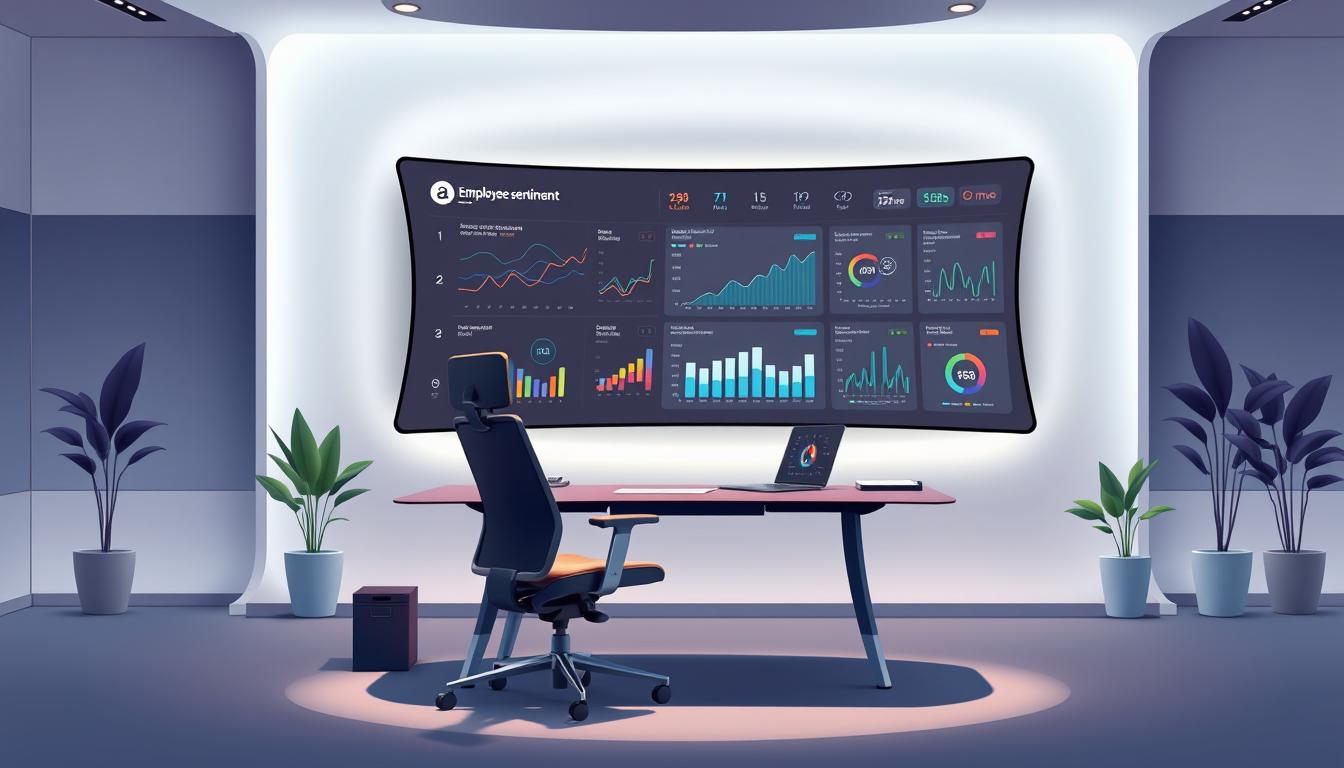
Color-coded dashboards transform complex emotional metrics into clear priorities. Managers instantly spot departments needing recognition programs or teams requiring workload adjustments. This visual approach reduced decision latency by 72% in a healthcare network, enabling faster cultural interventions.
These methods create alignment between leadership priorities and team experiences—turning subjective feedback into strategic roadmaps for organizational growth.
Essential Tools and Techniques for Effective Sentiment Analysis
Organizations need robust systems to decode complex workplace emotions. Modern platforms combine linguistic precision with adaptive learning—transforming scattered feedback into cultural roadmaps.
Core Technologies Driving Progress
Natural language processing (NLP) algorithms detect subtle cues in written exchanges. They analyze phrasing, slang, and cultural references—crucial for global teams. Machine learning refines these models by studying patterns in internal communications, improving accuracy with each interaction.
Consider a multinational using localized dialects. Systems like MeaningCloud’s API adapt to regional expressions, ensuring consistent emotional scoring across offices. This technical agility helps leaders spot burnout signals in Tokyo as effectively as in Texas.
Platforms Transforming Workforce Insights
Jive Insights merges collaboration tools with deep analytics. Teams discuss projects while the system tracks morale shifts—linking communication frequency to productivity metrics. Lattice’s automated scoring identifies urgent concerns in open responses, prioritizing issues needing immediate attention.
UltiPro Perception demonstrates mobile optimization’s impact. Real-time participation rates jump 37% when employees submit feedback during commutes or breaks. These platforms don’t just collect data—they create engagement cycles that fuel continuous development.
Choosing the right tool requires matching capabilities to organizational scale. Startups might prefer API integrations like MeaningCloud, while enterprises benefit from UltiPro’s comprehensive suites. All solutions share one goal: turning everyday conversations into strategic advantage.
Implementing Best Practices for AI in Employee Feedback Analytics
Successful implementation of emotion-driven workforce strategies requires balancing technical precision with human-centered design. Organizations that master this blend see 3x faster adoption rates and 42% higher participation in feedback programs compared to peers relying on outdated methods.
Developing a Reliable Data Collection and Analysis Process
Open-ended questions phrased neutrally—like “What changes would improve your daily work experience?”—yield 58% more actionable insights than yes/no formats. One logistics company redesigned its surveys using this approach, uncovering widespread scheduling frustrations that structured questions had missed for years.
Regular pulse checks maintain data freshness without overwhelming teams. A biweekly three-question format increased response rates by 37% in a tech firm’s pilot program. For global enterprises, stratified sampling ensures all departments and regions contribute proportionally to insights.
Ensuring Ethics, Transparency, and Privacy in AI Use
Clear data governance policies build trust—94% of professionals in a recent study said they’d share more feedback if assured of anonymity. When implementing new tools, analyzing employee feedback should always prioritize confidentiality through encrypted storage and role-based access controls.
Training sessions that explain how algorithms process information reduce skepticism. A financial services group cut resistance to new systems by 65% through workshops demonstrating how raw comments become anonymized trend reports. Continuous audits ensure systems adapt to evolving workplace norms while maintaining ethical standards.
Conclusion
Forward-looking organizations now stand at a crossroads. Those embracing advanced linguistic evaluation tools gain strategic clarity in understanding workforce dynamics. By transforming casual comments into cultural roadmaps, leaders build cultures where teams feel heard—and valued.
Effective implementation starts with well-designed surveys that invite authentic input. Regular pulse checks with diverse participation ensure insights reflect true workplace experiences. However, data alone isn’t enough—success hinges on pairing findings with meaningful action and transparent communication.
Ethical frameworks remain critical. Companies maintaining strict confidentiality protocols see 62% higher participation rates in feedback programs. When teams trust their voices won’t be misused, they share deeper concerns—enabling proactive solutions.
The future belongs to organizations using these tools not just to react, but to reshape workplace norms. From reducing burnout risks to personalizing career paths, the right approach turns everyday conversations into engines for retention and growth. Those mastering this balance will lead their industries in both talent attraction and operational excellence.
FAQ
How does sentiment analysis improve workplace communication?
By analyzing language patterns in surveys, emails, or team discussions, sentiment analysis tools like IBM Watson or Qualtrics identify underlying emotions. This helps leaders address concerns proactively, fostering transparency and trust while aligning communication strategies with employee needs.
What role does HR play in analyzing employee feedback?
HR teams use sentiment analysis to uncover trends in job satisfaction, workload stress, or engagement gaps. By pairing machine learning with platforms like Culture Amp, they prioritize interventions—such as training programs or policy updates—to resolve issues before they impact retention.
Can sentiment analysis reduce employee turnover?
Yes. Tools like Microsoft Viva Insights detect early signs of dissatisfaction—such as negative sentiment in exit interviews—enabling companies to implement retention strategies. For example, Salesforce reduced turnover by 30% after addressing workflow bottlenecks identified through sentiment data.
How do businesses ensure privacy when using AI for feedback analysis?
Leading platforms like Lattice anonymize data during collection and apply encryption. Companies also establish clear policies to protect identities while sharing aggregated insights, ensuring compliance with regulations like GDPR and building employee trust.
What tools are recommended for analyzing employee sentiments?
Platforms such as Peakon, Glint, and MonkeyLearn combine NLP and machine learning to process open-ended responses at scale. These tools categorize feedback into themes like “work-life balance” or “career growth,” enabling data-driven decisions through dashboards and heatmaps.
How does real-time sentiment analysis boost productivity?
Instant feedback loops—like those enabled by Slack integrations—allow managers to address team frustrations swiftly. For instance, Cisco improved project timelines by 22% after resolving collaboration hurdles flagged in real-time sentiment reports during sprint reviews.