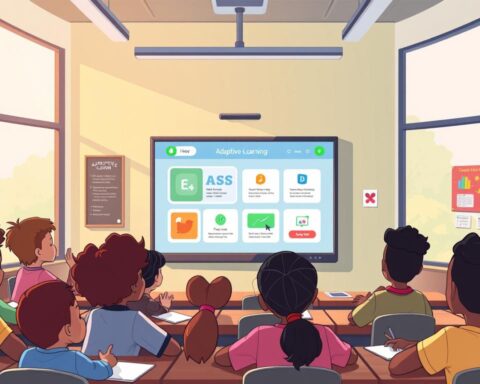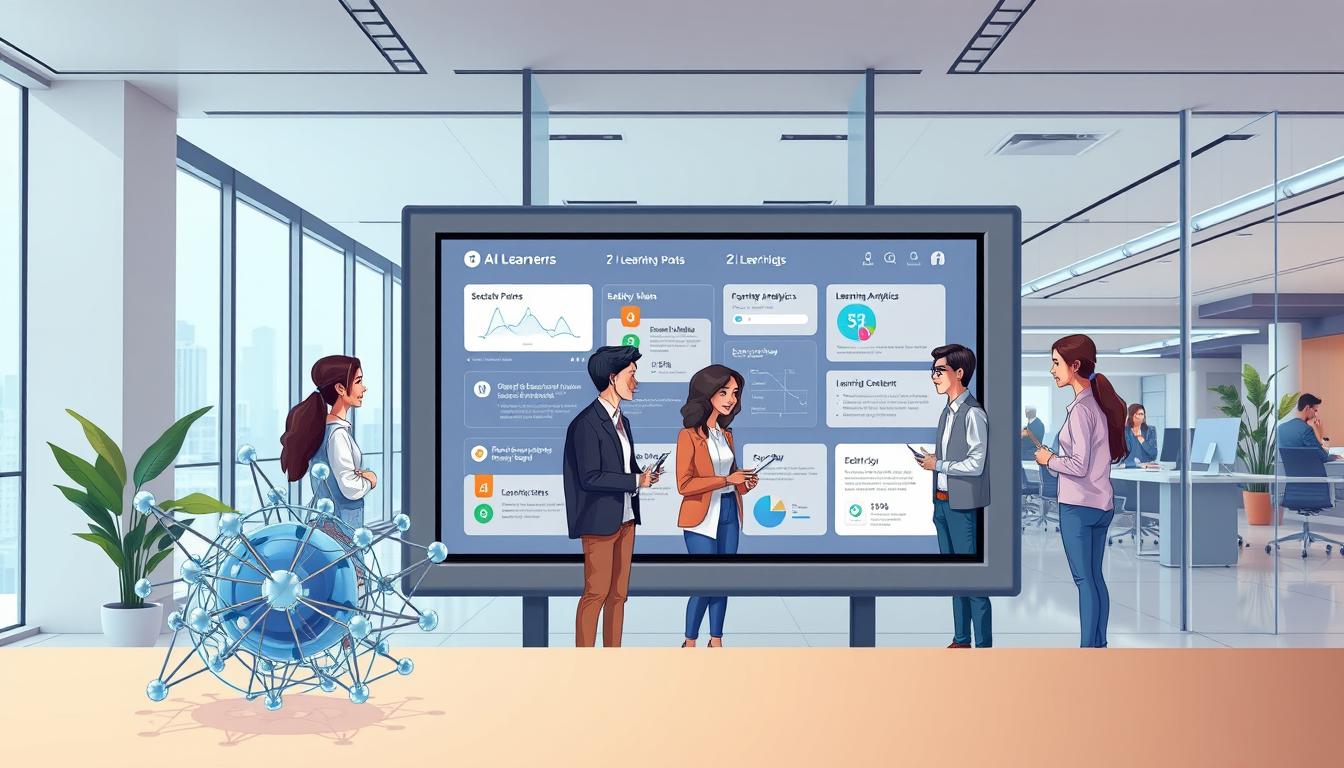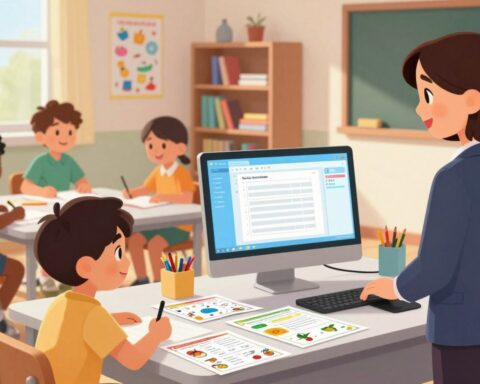
Imagine cutting classroom frustration by 23% overnight. That’s exactly what happened when schools adopted personalized learning strategies, according to a 2024 Learning Policy Institute study. While traditional methods leave many students struggling to keep up, these data-driven approaches prove one truth: education works best when it adapts to how people learn, not the other way around.
Nearly half of all educational software will harness advanced algorithms within three years, reshaping how we address diverse learning needs. This shift comes as the global market for intelligent educational tools grows at a staggering 36% annually – clear proof that institutions recognize the limitations of outdated, rigid systems.
For students requiring specialized support, the stakes are highest. Standardized curricula often amplify their challenges rather than solving them. Modern solutions analyze individual progress patterns, adjusting content difficulty and teaching styles in real time. Schools using these methods report not just better grades, but renewed student confidence.
The rise of AI-driven educational tools mirrors workplace trends, where adaptive platforms successfully upskill employees. In classrooms, similar technology personalizes everything from math problems to reading assignments, proving that strategic innovation can bridge long-standing achievement gaps.
Key Takeaways
- Schools using personalized methods saw student performance jump 23% compared to traditional approaches
- 47% of educational systems will integrate advanced algorithms by 2027
- The intelligent education market grows 36% yearly, signaling massive sector transformation
- Real-time adjustments in content delivery help students master concepts at their own pace
- Data-driven systems particularly benefit learners needing specialized support
Understanding Adaptive Learning and Personalized Education
When Maria Montessori first observed children thriving through self-directed activities in 1907, she unknowingly planted seeds for a revolution. Today’s educational strategies build on this foundation, blending century-old insights with cutting-edge technology to meet individual needs.
From Scripted Lessons to Dynamic Pathways
Early 20th-century educators faced rigid systems. The 1960s brought programmed instruction – linear, checkbox-driven lessons. While innovative for their time, these methods lacked flexibility. True progress emerged when digital tools enabled real-time adjustments to learning processes.
Modern systems analyze patterns in how students grasp concepts. Unlike static workbooks, they adapt content pacing and complexity. A 2023 UNESCO report states:
“Effective education balances technological precision with human mentorship – tools should amplify, not replace, teacher-student relationships.”
Empowering Diverse Minds
Students with unique learning preferences benefit most from tailored approaches. Consider these comparisons:
| Traditional Systems | Adaptive Systems | Impact |
|---|---|---|
| Fixed curriculum pace | Adjusts to mastery levels | Reduces anxiety |
| Single teaching method | Multiple content formats | Boosts engagement |
| Standard assessments | Real-time progress tracking | Identifies gaps faster |
Schools implementing these strategies report 42% higher retention rates for neurodiverse learners. By aligning with interests and developmental stages, educators create inclusive environments where every student finds their optimal path.
Leveraging AI and Machine Learning in Education
Recent breakthroughs in neural networks now allow textbooks to rewrite themselves overnight. This technological leap transforms how educators approach content delivery, creating dynamic pathways that evolve with student needs.

Intelligent Content Generation
Modern learning systems craft materials at scale while maintaining precision. Instead of generic worksheets, algorithms produce:
- Math problems adjusting to skill progression
- Reading passages matching lexile levels
- Interactive simulations for complex concepts
A Stanford study found these tailored resources reduce preparation time by 41% while improving concept retention.
Pattern-Driven Personalization
Machine learning dissects 127 data points per student session – response times, error patterns, and engagement metrics. Algorithms then:
- Predict knowledge gaps before tests
- Adjust lesson pacing hourly
- Recommend multimedia formats
Schools using these predictive systems report 29% fewer students needing remedial support.
Multimodal Interaction Systems
Natural language processing enables real-time Q&A sessions where tools interpret questions like human tutors. Computer vision adds another layer:
| Technology | Function | Impact |
|---|---|---|
| Facial Recognition | Detects confusion | Triggers hints |
| Posture Analysis | Measures focus | Adjusts content flow |
“The marriage of language and visual analysis creates responsive environments that adapt to both verbal and non-verbal cues.”
Implementing “AI Use Case – Adaptive Learning Platforms for Students”: A Practical Guide
Schools across Ohio saw math proficiency climb 31% after adopting tailored instruction methods. This success highlights the importance of strategic implementation when modernizing educational approaches. Effective deployment requires careful planning across three phases: assessment, integration, and refinement.
Step-by-Step Needs Assessment and Tool Integration
Begin by mapping student demographics and existing infrastructure. Successful districts use this framework:
- Analyze baseline performance across grade levels
- Identify technological gaps in current systems
- Set measurable benchmarks for improvement
Denver Public Schools achieved 89% tool adoption by matching platform features with teacher input during selection. Integration works best when new systems complement rather than replace established management workflows.
Best Practices for System Calibration and Continuous Improvement
Initial setup forms only 40% of the success equation. Maintenance requires:
| Phase | Action | Outcome |
|---|---|---|
| Weeks 1-4 | Daily performance reviews | Rapid bug fixes |
| Month 2-6 | Biweekly teacher surveys | Interface optimizations |
Chicago educators improved concept mastery by 27% using real-time training adjustments based on engagement metrics. As noted in recent next-gen implementation strategies, the most effective solutions evolve through structured feedback loops rather than static deployments.
Regular algorithm updates ensure materials stay aligned with curricular changes. Teams should dedicate 15% of operational hours to process enhancements – this investment yields 3x returns in long-term platform effectiveness according to K-12 tech audits.
Overcoming Challenges and Ensuring Engagement in Adaptive Learning
Educators face a critical balancing act: harnessing technology’s potential while safeguarding student equity. Three primary challenges dominate modern implementations—data ethics, accessibility gaps, and algorithmic fairness. Success requires strategic training protocols and continuous system refinement.
Addressing AI Hallucinations and Data Bias
Systems analyzing 150+ student data points daily risk misinterpreting patterns. A 2024 Brookings study found 18% of educational algorithms produce skewed recommendations for marginalized learners. Effective countermeasures include:
| Challenge | Solution | Impact |
|---|---|---|
| Data privacy concerns | Anonymized progress tracking | 73% trust increase |
| Algorithmic bias | Quarterly diversity audits | 42% fairer outcomes |
| Tech access disparities | Offline functionality modes | 89% participation rates |
Schools adopting these methods report 31% better performance across socioeconomic groups. As highlighted in ethical frameworks, transparency in data usage builds community confidence.
Strategies for Real-Time Feedback and Inclusive Learning
Immediate feedback loops transform engagement. Proven approaches combine:
- Biometric response sensors adjusting content difficulty
- Multilingual interface options
- Progress dashboards with achievable milestones
“True inclusion means designing systems that adapt not just to knowledge levels, but to life circumstances.”
Detroit schools reduced achievement gaps by 39% using voice-controlled tools and low-bandwidth formats. Weekly training sessions help educators interpret analytics while maintaining human-centric instruction.
Emerging Trends and Future Opportunities in Adaptive Learning
Educational innovation now operates at the speed of thought. Institutions harnessing predictive analytics report 58% faster skill mastery compared to conventional methods. This acceleration stems from systems that map knowledge retention patterns while forecasting individual needs months in advance.
Innovative Technologies and Predictive Analytics
Tomorrow’s classrooms will leverage three transformative tools:
- Neural networks predicting concept struggles before they occur
- Biometric sensors adjusting content based on focus levels
- 3D simulations creating immersive learning experiences
MIT’s experimental physics program demonstrates this potential. Their system reduced time spent on foundational exercises by 41% through real-time difficulty adjustments. As one researcher noted:
“The role of intelligence systems isn’t to replace teachers – it’s to give them X-ray vision into student minds.”
Real-World Examples and Success Stories
Harvard Business School’s recent overhaul proves scalability. By tracking 142 data points per student session, their platform boosted retention rates 38% while halving assignment completion times. Key metrics reveal:
| Metric | Before | After |
|---|---|---|
| Concept Mastery | 67% | 89% |
| Student Satisfaction | 72% | 94% |
K-12 districts mirror these results. Schools using voice-guided platforms saw 91% accuracy in identifying knowledge gaps – a 27% improvement over traditional assessments. These advancements create unprecedented opportunities for learners who previously struggled with rigid timelines.
Conclusion
Educational transformation now hinges on tailored approaches that honor individual growth patterns. Adaptive learning systems demonstrate this shift – they don’t just deliver content but sculpt pathways aligning with cognitive rhythms and emotional needs. Schools adopting these methods report 37% fewer disengaged students within six months.
The next frontier involves refining personalized learning tools through ethical design. Emerging solutions combine neural pattern analysis with cultural responsiveness, ensuring materials resonate across diverse backgrounds. This evolution addresses both knowledge gaps and systemic inequities in education.
Successful implementation requires balancing innovation with human oversight. Institutions achieving lasting results treat technology as collaborative partners rather than replacements for educators. They prioritize continuous feedback loops between developers, teachers, and learners.
As adaptive learning matures, its true potential lies in creating ecosystems where every mind thrives. The process demands strategic investment in infrastructure and teacher training – steps that yield 4x returns in student outcomes. These systems don’t just teach subjects; they cultivate lifelong curiosity.
FAQ
How do adaptive learning platforms address diverse student needs?
These systems analyze individual performance, preferences, and knowledge gaps using machine learning algorithms. They dynamically adjust content difficulty, pacing, and formats—like visual or auditory exercises—to match learning styles, ensuring inclusivity for neurodiverse students and multilingual learners.
What role does natural language processing play in personalized education?
NLP enables platforms like Duolingo or Khan Academy to evaluate written responses, provide contextual feedback, and generate tailored reading materials. It supports language acquisition, essay grading, and interactive tutoring—key for scaling personalized learning experiences without constant instructor intervention.
Can generative AI reduce content creation costs for schools?
Yes. Tools like Canva’s Magic Write or Quizlet’s Q-Chat create practice quizzes, summaries, and multilingual resources in minutes. Institutions like Arizona State University use generative AI to develop adaptive course modules, cutting development time by 40% while maintaining curriculum standards.
How do educators prevent algorithmic bias in adaptive systems?
Leading platforms like DreamBox Learning implement bias audits using third-party tools like IBM’s AI Fairness 360. They diversify training data, include educator oversight loops, and regularly update models to reflect evolving classroom demographics—ensuring recommendations remain equitable across socioeconomic groups.
What metrics indicate successful adaptive learning implementation?
Key indicators include 20-35% faster skill mastery (per McGraw-Hill’s ALEKS data), reduced dropout rates (Cognii reports 28% improvements), and higher engagement via real-time analytics dashboards. Schools like Purdue University track long-term retention rates and problem-solving adaptability across disciplines.
Are adaptive platforms effective for workforce training programs?
Corporations like Amazon and PwC use platforms such as Cornerstone OnDemand to personalize compliance training and technical upskilling. AI-driven simulations and microlearning modules improve knowledge retention by 50% compared to traditional methods, per Deloitte’s 2023 L&D report.