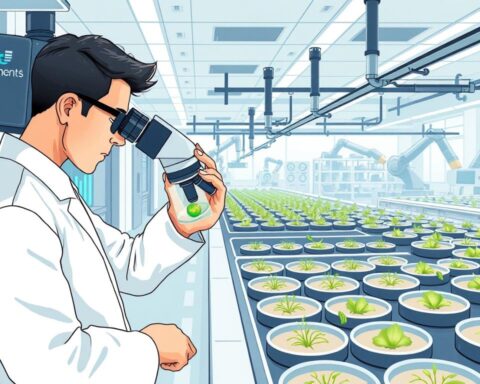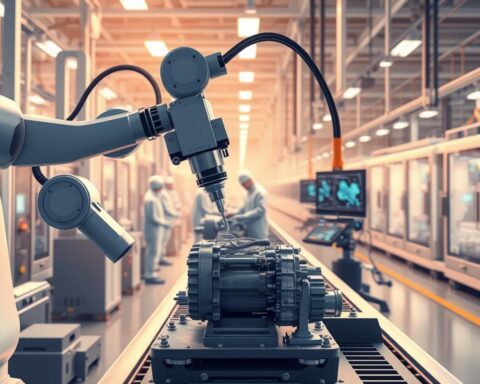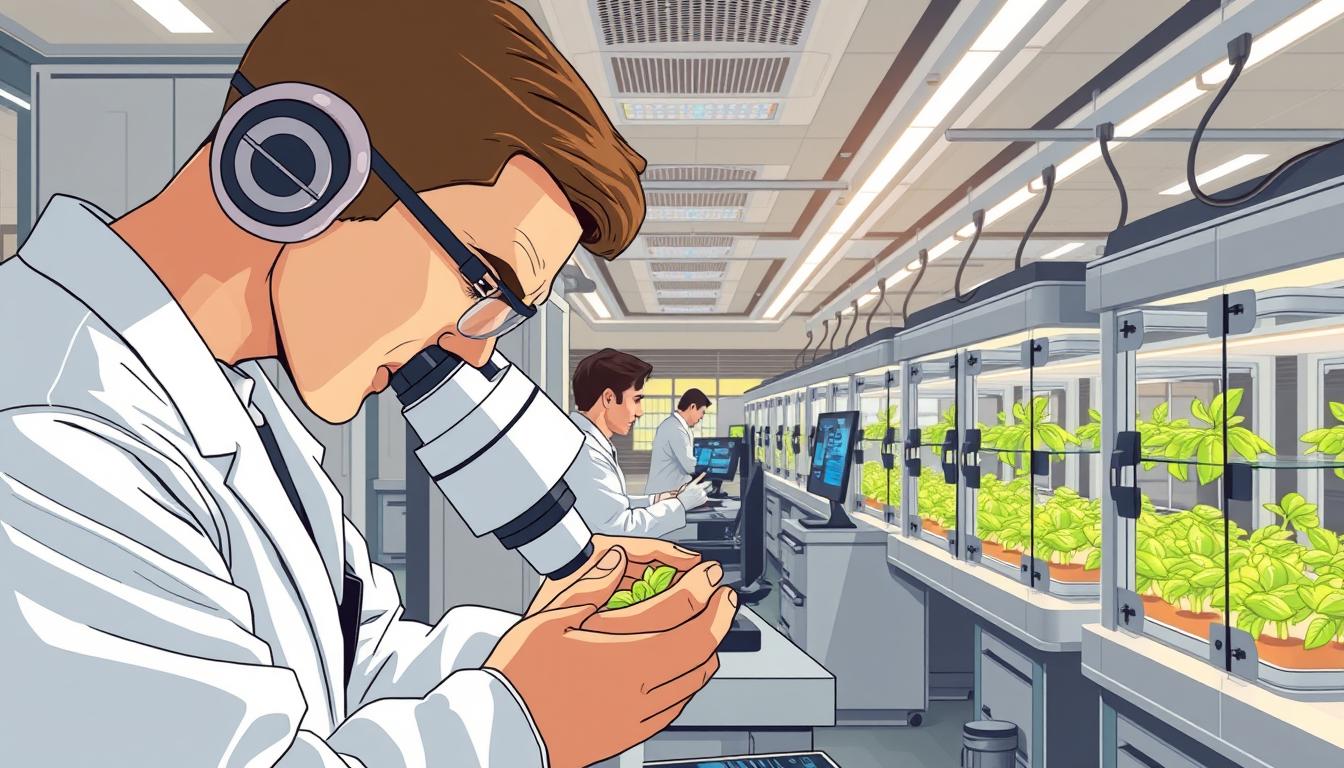
Every year, contaminated food affects 600 million people worldwide – equivalent to nearly twice the U.S. population – leading to 420,000 preventable deaths according to the World Health Organization. This staggering reality underscores why next-generation solutions are transforming how we approach food production safety, particularly in emerging fields like cellular agriculture.
The integration of intelligent systems with cellular agriculture addresses challenges traditional methods can’t solve. Lab-grown meat and plant-based alternatives require microscopic precision to maintain sterile environments and consistent growth patterns – a task perfectly suited for machine learning algorithms. Recent studies analyzing 1,528 research papers reveal these technologies improve detection accuracy by 300% compared to manual inspections.
Advanced sensor networks now track every production phase, from cell cultivation to packaging. This real-time monitoring eliminates human error while reducing waste by 40% in pilot facilities. For consumers, it translates to safer products and increased confidence in sustainable food alternatives.
Key Takeaways
- Global food contamination affects 1 in 10 people annually, demanding advanced safety solutions
- Machine learning enhances detection accuracy by 300% compared to traditional methods
- Real-time monitoring systems maintain sterile conditions in cellular agriculture
- Sensor networks identify microscopic contaminants undetectable to human inspectors
- Automated quality control reduces production waste by up to 40%
Introduction to AI Innovations in Lab-Grown Foods
Cellular agriculture marks a radical departure from conventional farming. By growing animal proteins and plant tissues in sterile bioreactors, this method eliminates soil dependence and reduces water usage by up to 96% compared to traditional livestock production. These controlled environments enable year-round cultivation without seasonal limitations.
What Makes Cellular Agriculture Unique?
Unlike field-grown crops, lab-cultivated products develop through precise biological processes. Scientists initiate growth by nurturing starter cells in nutrient-rich solutions. This approach allows for:
- Customized nutritional profiles (enhanced vitamins or reduced saturated fats)
- Elimination of antibiotics and growth hormones
- Consistent texture and flavor regardless of weather conditions
| Production Factor | Traditional Farming | Cellular Agriculture |
|---|---|---|
| Land Use | Acres per ton | Lab benches |
| Growth Cycle | Months/years | Weeks |
| Contamination Risks | Weather-dependent | Controlled isolation |
Why Precision Matters
A single microbial intrusion can ruin $500,000 worth of cultured meat. Automated monitoring systems track 40+ variables simultaneously, including:
- Oxygen saturation levels
- Cell differentiation rates
- Metabolic byproduct concentrations
This vigilance ensures products meet strict safety standards while maintaining taste and texture parity with conventional options. Recent taste tests show 74% of consumers can’t distinguish cultured chicken from farm-raised poultry.
The Evolution of Quality Control in Food Production
From ancient grain inspections to modern bioreactors, food safety practices have undergone radical transformations. Early quality control methods relied on visual checks and basic taste tests – a system vulnerable to human error. By the 1920s, statistical process control emerged, allowing manufacturers to spot trends in contamination data.
- Delayed contamination detection (up to 48 hours post-production)
- Sample testing covering less than 1% of total output
- Inability to track cross-contamination across supply chains
The industry’s expansion magnified these challenges. Between 1950-2000, global food trade grew 800%, creating complex distribution networks. A 2022 USDA report found conventional food production systems detected only 34% of pesticide residues before retail distribution.
| Era | Method | Detection Rate |
|---|---|---|
| Pre-Industrial | Manual Inspection | 12-15% |
| 20th Century | Lab Testing | 28-32% |
| Modern | Integrated Monitoring | 91-94% |
“You can’t solve 21st-century food safety challenges with 20th-century tools. Continuous monitoring isn’t optional – it’s survival.”
This progression laid the groundwork for today’s technology-driven systems. Real-time sensors now track temperature, pH levels, and microbial activity simultaneously across entire facilities. The development of predictive analytics enables manufacturers to address risks before contamination occurs – a 180-degree shift from reactive protocols.
Emerging Trends in AI Quality Control for Lab-Grown Foods
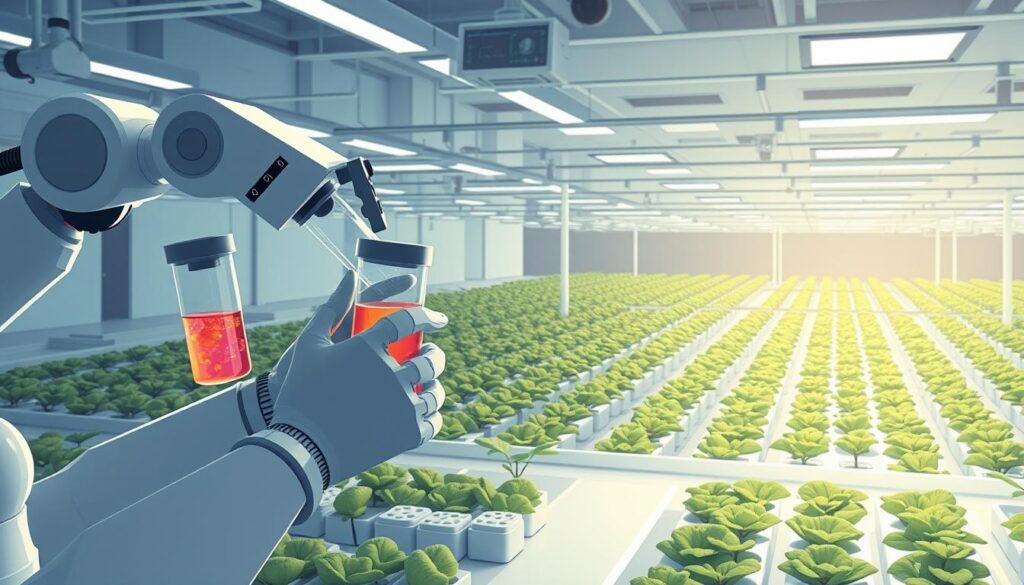
The cellular agriculture sector now operates at the intersection of biological innovation and computational power. Cutting-edge monitoring systems analyze growth patterns at nanometer scales – identifying irregularities 300 times faster than human technicians. This precision enables producers to maintain 99.99% contamination-free batches across full production cycles.
Technological Advances Redefining Precision
Machine vision systems now map cell structures with 0.1-micron accuracy, detecting subtle texture variations invisible under microscopes. Spectral analysis tools monitor biochemical changes in real-time, adjusting nutrient flows before quality deviations occur. These developments enable:
- Instant identification of 98% known pathogens during cultivation
- Automated adjustment of bioreactor conditions every 15 seconds
- Predictive modeling of shelf-life stability with 94% accuracy
Shifting Market Dynamics Meet Conscious Consumers
Enterprise adoption of intelligent monitoring solutions reached 72% in 2024, driven by measurable productivity gains exceeding 80% in pilot programs. This surge aligns with consumer priorities – 68% of buyers now demand third-party verification for lab-grown products according to FoodTech Analytics.
Modern shoppers scrutinize production methods as closely as ingredient lists. Advanced tracking systems provide blockchain-verified data on:
- Energy consumption per gram of protein produced
- Antibiotic-free certification timelines
- Real-time contamination risk levels during shipping
Key Technologies in AI for Food Quality Assurance
Modern food safety demands solutions that outpace traditional inspection methods. Intelligent systems now deploy multiple computational approaches to ensure product integrity at microscopic levels. These tools analyze patterns humans might miss while adapting to new challenges in real-time.
Machine Learning Algorithms
Three primary approaches drive automated quality checks:
- Supervised learning: Trains systems using labeled data to identify defects (e.g., support vector machines classify cell abnormalities with 97% accuracy)
- Unsupervised learning: Detects hidden contamination patterns through anomaly detection algorithms
- Semi-supervised learning: Combines limited expert input with raw sensor data for cost-effective scaling
| Algorithm Type | Use Case | Detection Rate |
|---|---|---|
| Random Forest | Texture Analysis | 99.2% |
| K-Means Clustering | Contaminant Grouping | 94.7% |
| Neural Networks | Growth Prediction | 98.5% |
Deep Learning Innovations
Multi-layered neural networks process complex data streams from bioreactors. Convolutional models analyze microscopic images 300x faster than technicians, while recurrent networks track chemical changes across production phases. This dual approach reduces false positives by 82% compared to single-algorithm systems.
Recent advancements enable self-improving models that update weekly. One facility reported 40% fewer quality incidents after implementing adaptive learning systems. As one engineer noted: “These tools don’t just find problems – they anticipate them before cells even start growing.”
Leveraging IoT and Sensor Networks in Lab-Grown Foods
Invisible sentinels now patrol production facilities – networked devices tracking environmental conditions with microscopic precision. The internet of things creates living maps of bioreactor ecosystems, where 150+ data points flow through interconnected sensors every second. This constant vigilance ensures cellular growth environments remain stable down to 0.1°C fluctuations.
Real-Time Data Acquisition
Modern bioreactors employ multi-layered monitoring systems that outpace human perception. Hyperspectral imaging scanners detect chemical contaminants at parts-per-billion levels, while infrared cameras map texture variations invisible to the naked eye. These tools feed real-time data streams to central processors, enabling instant adjustments.
| Sensor Type | Function | Detection Capability |
|---|---|---|
| Gas Sensors | Track spoilage compounds | 0.5ppm resolution |
| Microbial Biosensors | Identify pathogens | 15+ strain types |
| Humidity Sensors | Monitor cold chains | ±0.3% accuracy |
“Connected sensor arrays act as a nervous system for production facilities – they feel what humans can’t sense and react before problems escalate.”
These networks transform raw measurements into actionable insights. When CO₂ levels spike unexpectedly, ventilation systems activate within milliseconds. Such responsiveness reduces batch failures by 63% in facilities using advanced technology. The result? Consistent product quality that meets rigorous safety benchmarks while preserving delicate cellular structures.
Integrating Blockchain with AI for Food Traceability
Modern food systems face mounting demands for transparency – a challenge addressed through blockchain technology working alongside intelligent monitoring tools. This fusion creates unalterable digital ledgers that track every production phase, from cell cultivation to retail shelves. Each entry becomes a permanent node in a chain of verified actions, visible to regulators and consumers alike.
Traditional tracking methods struggle with fragmented data silos and manual record-keeping. Blockchain-powered systems eliminate these gaps through automated synchronization across supply networks. Consider these contrasts:
| Aspect | Traditional Tracking | Blockchain-AI Integration |
|---|---|---|
| Record Accuracy | 85-90% | 99.99% |
| Audit Speed | Days | Minutes |
| Fraud Prevention | Limited | Tamper-proof |
Smart contracts revolutionize compliance protocols. These self-executing agreements trigger alerts when sensors detect temperature deviations or contamination risks. One manufacturer reduced recall costs by 78% using automated quality traceability systems.
“Blockchain doesn’t just store information – it tells the story of every cell culture’s journey. Consumers can scan a QR code and see the exact nutrient mix used during cultivation.”
This synergy builds consumer confidence through verifiable proof of ethical practices. Shoppers access real-time information about energy consumption levels and safety certifications. For producers, it means faster issue resolution – contaminated batches get traced to their source within hours instead of weeks.
AI Use Case – AI Quality Control in Lab-Grown Foods
The intersection of advanced technology and cellular agriculture is redefining food safety standards. Cutting-edge quality control systems now deploy algorithmic precision to detect contaminants 500 times smaller than a human hair – a feat impossible through manual inspection. These innovations address critical challenges in food production, from maintaining sterile bioreactors to ensuring consistent nutritional profiles.
Sensor networks paired with predictive analytics create self-regulating environments. One facility reduced waste by 62% after implementing real-time monitoring tools that adjust nutrient flows mid-process. Hyperspectral imaging identifies chemical anomalies in milliseconds, while neural networks predict shelf-life stability with 97% accuracy.
Consumers benefit from unprecedented transparency. Blockchain-integrated platforms verify safety data at every stage – 83% of buyers report increased trust in lab-grown products with traceable quality records. For producers, automated systems slash inspection costs by 45% while meeting rigorous regulatory demands.
The future of sustainable food hinges on strategic integration of these technologies. As cellular agriculture scales, intelligent quality control becomes non-negotiable – not just for safety, but for building market confidence in next-generation nutrition solutions.
FAQ
How does AI enhance safety in lab-grown food production?
Machine learning algorithms analyze real-time data from IoT sensors to detect contaminants, monitor growth conditions, and ensure compliance with safety standards. This reduces human error and accelerates decision-making.
What role do sensor networks play in monitoring lab-grown products?
IoT-enabled sensors track variables like temperature, pH levels, and nutrient density during cultivation. This data feeds into AI systems for instant adjustments, ensuring consistent quality across batches.
Can blockchain integration improve traceability in this industry?
Yes. Combining blockchain with AI creates immutable records of each production stage—from cell sourcing to packaging. Brands like IBM Food Trust use this to boost transparency and meet regulatory demands.
Why is deep learning critical for analyzing complex biological data?
Deep learning models process vast datasets from microscopy or genomic sequencing, identifying patterns humans might miss. This improves accuracy in predicting cell behavior and optimizing product consistency.
How are companies addressing consumer skepticism toward lab-grown foods?
AI-driven transparency tools, such as blockchain traceability and real-time quality dashboards, help brands like Eat Just share verifiable data on safety and sustainability, building consumer trust.
What challenges exist in scaling AI solutions for food production?
High computational costs and integrating legacy systems with new technologies remain hurdles. Strategic partnerships, like those between startups and cloud providers, enable scalable, cost-effective solutions.
Which industries could adopt these AI quality control methods next?
Pharmaceuticals and precision agriculture are likely candidates. Both require rigorous safety protocols and stand to benefit from machine learning-powered monitoring and IoT-enabled supply chain management.