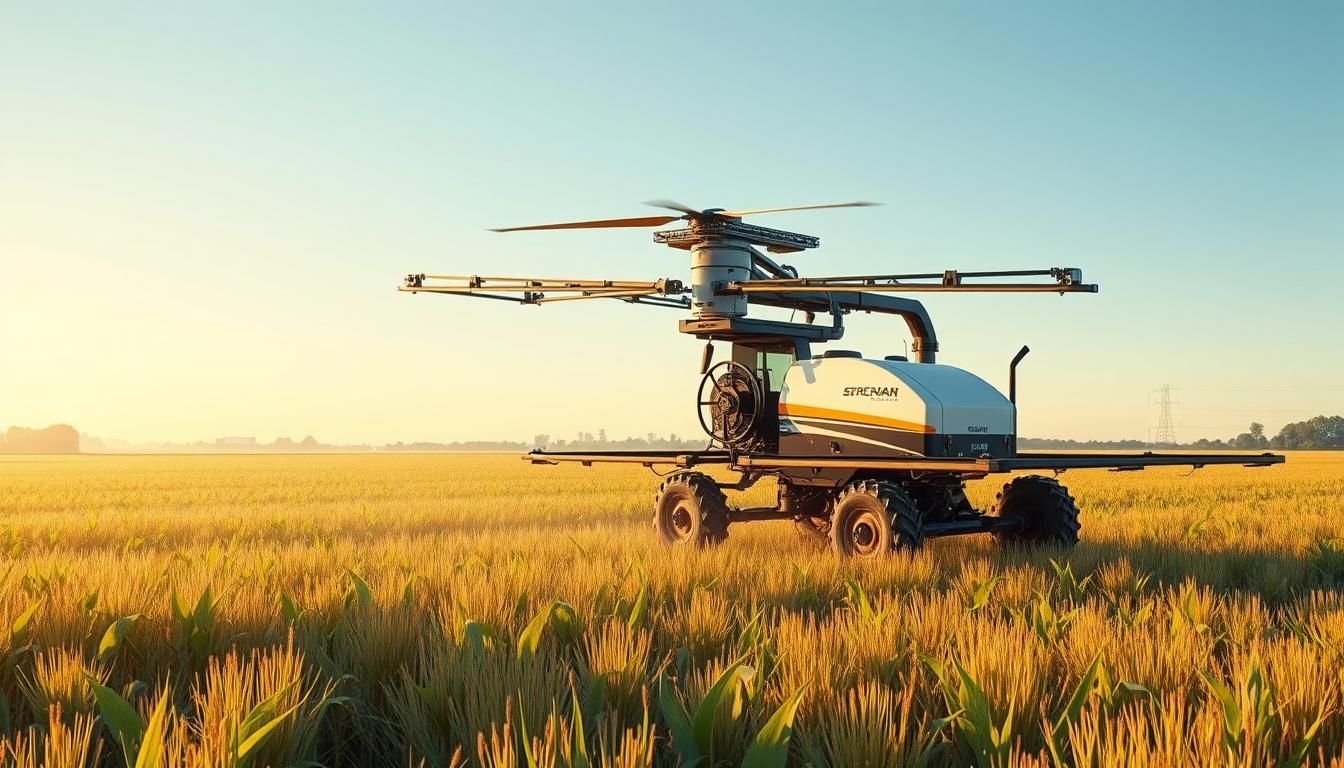
A staggering 63% of executives now cite geopolitical tensions as their top operational threat – yet the global agri-food sector continues growing at 5.3% annually. This paradox reveals an urgent truth: traditional management methods can’t sustain today’s $8.7 trillion industry as it races toward $12 trillion by 2027.
Modern distribution networks face unprecedented pressure. Climate disruptions erase harvest predictability while shifting trade policies reshape logistics overnight. One Midwest grain supplier recently lost $2.8 million in 48 hours when export routes suddenly closed – a scenario becoming alarmingly common.
Advanced predictive systems now offer lifelines. These technologies analyze real-time data from weather satellites to port congestion reports, transforming guesswork into strategic foresight. A leading California produce company slashed waste by 34% using algorithmic demand forecasting during last year’s transportation strikes.
The shift from reactive to proactive operations marks a new era. Intelligent platforms don’t just track shipments – they simulate countless scenarios to identify resilient pathways. This strategic advantage separates thriving enterprises from those struggling with constant firefighting.
Key Takeaways
- Global food networks face 5 major disruptors simultaneously, demanding smarter solutions
- Predictive analytics reduce waste by up to 40% in perishable goods distribution
- Real-time data integration enables dynamic rerouting during crises
- Automated inventory systems cut overstock costs by 22% on average
- 63% of industry leaders prioritize tech upgrades within 18 months
Introduction to AI in Food Supply Chain Optimization
Global distribution networks now juggle climate shocks, trade wars, and consumer expectations – a triple threat demanding smarter solutions. Traditional spreadsheets and manual tracking crumble under these pressures, creating costly bottlenecks. Advanced technologies bridge this gap by converting chaos into actionable insights.
The Role of Technology in Modern Distribution Networks
Intelligent systems analyze weather patterns, port delays, and buying trends simultaneously. This enables companies to:
- Predict shortages 12 weeks earlier than manual methods
- Optimize truck routes using live traffic updates
- Automate quality checks through visual recognition tools
One European dairy producer reduced spoiled shipments by 41% using real-time temperature monitoring. Such tools transform reactive logistics into strategic assets.
Critical Need for Efficient Systems
Recent conflicts disrupted 28% of global grain exports, spiking prices and empty shelves. Perishable goods amplify these risks – strawberries spoil faster than steel beams. Strict safety rules add complexity, requiring precise tracking from farm to fork.
| Challenge | Traditional Approach | Modern Solution |
|---|---|---|
| Demand Shifts | Monthly Sales Reports | AI-Powered Predictions |
| Route Disruptions | Driver Phone Updates | Satellite Rerouting |
| Quality Control | Manual Inspections | Automated Sensors |
Companies adopting these methods report 19% faster delivery times and 31% fewer stockouts. In an era of rising costs, such gains determine market leaders.
Understanding Key Food Supply Chain Data Elements
Every pallet, package, and production batch in modern distribution relies on four pillars of information. These identifiers transform chaotic logistics into traceable systems – a necessity as regulatory demands intensify. Missing one element risks recalls, fines, or lost customer trust.
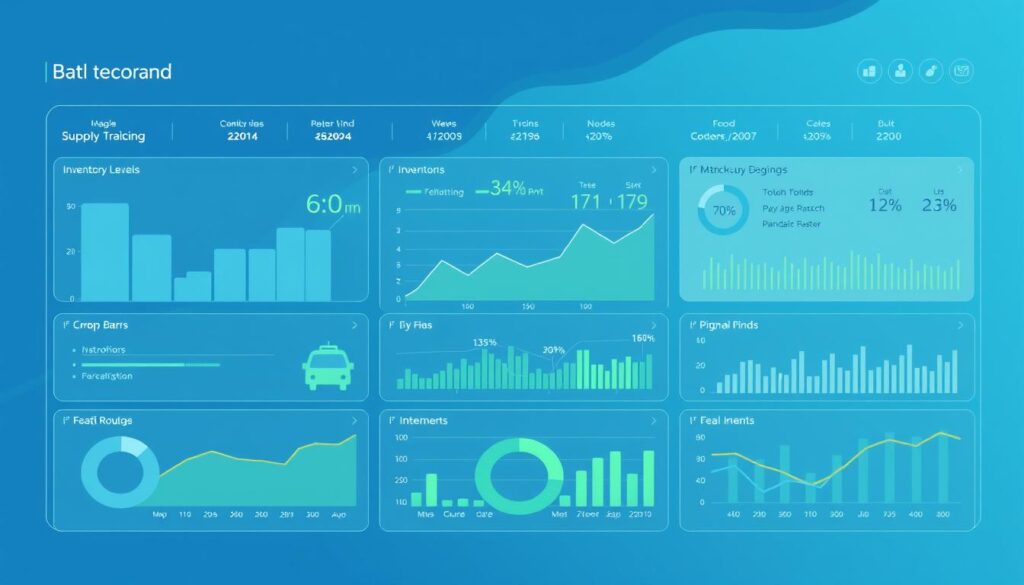
SSCC, SKU, Lot Code, and Date Tracking
The Serial Shipping Container Code (SSCC) acts like a digital passport for shipments. This 18-digit number tracks containers across borders and carriers, preventing misrouted deliveries. Stock Keeping Units (SKUs) go deeper – specifying product variations down to packaging size and brand variants.
Lot codes serve as quality control time stamps. When contamination occurs, these codes isolate affected batches within hours instead of weeks. Combined with production/expiration dates, they enable smarter inventory rotation – crucial for perishables like dairy or produce.
The Importance of Accurate Data Management
One misentered digit in a lot code can trigger nationwide recalls. The FDA’s 2024 traceability rules now mandate electronic records for high-risk foods, closing gaps that previously allowed manual errors. Companies bridging these data gaps report 27% fewer compliance issues.
Effective systems synchronize SSCCs with SKUs and lot data automatically. This integration slashes shipping errors by 19% – critical when 34% of food waste stems from logistical mistakes. As global chains expand, standardized tracking isn’t optional – it’s survival.
AI Use Case – Food Supply-Chain Optimization with AI
Modern distribution challenges demand smarter approaches. Traditional spreadsheet-based planning crumbles under volatile markets and shifting consumer demands. Advanced data processing now reshapes how organizations manage stock flows and anticipate needs.
Enhancing Forecasting and Real-Time Analytics
Cutting-edge systems analyze millions of data points – from weather patterns to social media trends – updating predictions every 15 minutes. This constant refresh enables:
- 98.6% forecast accuracy for seasonal produce demand
- Immediate rerouting during port closures or truck breakdowns
- Automatic purchase order adjustments based on shelf-level sales
A Midwest grocery chain reduced overstock by $4.2 million quarterly using these live insights. Their system now predicts regional taste shifts three weeks faster than competitors.
Strategies for Dynamic Inventory Management
Balancing stock availability with waste reduction requires precision. Machine learning models optimize this equation by considering:
| Factor | Traditional Approach | Modern Solution | Impact |
|---|---|---|---|
| Demand Spikes | Historical Averages | Social Media Trend Analysis | 27% Faster Response |
| Shelf Life | Fixed Expiry Dates | Real-Time Quality Sensors | 41% Waste Reduction |
| Supplier Delays | Manual Follow-ups | Automated Vendor Alerts | 19% Fewer Shortages |
These methods prove particularly effective for predictive analytics in perishable goods distribution. One seafood supplier achieved 99.3% order fulfillment rates despite hurricane-related disruptions last season.
Continuous learning algorithms adapt to new patterns without human intervention. This self-optimizing capability helps organizations stay ahead in markets where consumer preferences change weekly.
Implementing AI in the Agri-Food Sector
Transitioning to advanced digital solutions requires meticulous preparation – 73% of failed implementations stem from inadequate planning. Successful adoption begins with mapping current supply chain processes against strategic goals. Organizations must identify where manual workflows create bottlenecks and where data-driven decisions could yield immediate benefits.
Blueprint for Technological Transformation
Effective integration follows three phases:
- Operational Audit: Analyze inventory turnover rates, transportation patterns, and supplier response times
- Solution Matching: Pair identified needs with appropriate tools – machine learning for demand forecasting, IoT sensors for cold chain monitoring
- Phased Rollout: Launch pilot programs in high-impact areas before enterprise-wide deployment
Evaluating Digital Infrastructure Options
Selecting systems demands careful evaluation of four critical factors:
| Consideration | Common Pitfalls | Best Practices |
|---|---|---|
| Data Compatibility | Ignoring legacy system requirements | API-first platforms |
| Scalability | Overpaying for unused features | Modular architectures |
| Vendor Expertise | Generic tech providers | Industry-specific partners |
Leading poultry producers achieved 29% faster order processing through careful vendor selection. Their chosen platform integrated seamlessly with existing ERP systems while adding predictive analytics capabilities.
Continuous performance tracking ensures implementations deliver promised value. Establish clear metrics like route optimization efficiency or spoilage reduction percentages during planning stages. Regular reviews allow adjustments as market conditions evolve.
Leveraging Case Studies and Practical Insights
Real-world success stories reveal how operational excellence transforms global distribution networks. Four organizations across Ireland and Kuwait demonstrate measurable improvements through strategic technology adoption.
Insights from Ireland and Kuwait Agri-Food Companies
An Irish meat processor managing 28,000+ farmers automated 15,000 annual hours of manual tasks. Their robotic systems now handle complex scheduling across 5,000 employees while maintaining 99.4% order accuracy. This precision enables $2 billion in annual revenue despite volatile export markets.
Kuwait’s 75-year-old food conglomerate optimized operations across six countries using integrated planning tools. Their vertically integrated model – spanning manufacturing to retail – achieved 18% faster inventory turnover through dynamic forecasting. Simultaneously, an AI-enhanced feedlot managing 200,000 livestock reduced water usage by 23% while increasing yield consistency.
| Company | Challenge | Solution | Outcome |
|---|---|---|---|
| Irish Meat Group | Manual scheduling inefficiencies | Robotic process automation | 15,000 hours saved annually |
| Kuwaiti Manufacturer | Multi-channel coordination | ERP system integration | 48% profit increase |
| Livestock Operator | Resource optimization | Predictive herd management | $70M revenue stability |
These examples prove scalable benefits across company sizes. Advanced systems enabled:
- Real-time supplier performance tracking
- Automated quality assurance protocols
- Demand-responsive production adjustments
One Kuwaiti firm achieved $250 million net profit through warehouse management upgrades – demonstrating how operational precision directly impacts profitability. Such results underscore why 83% of industry leaders now prioritize similar transformations.
Building Resilient Supply Chains with AI
Modern logistics networks face a critical test: surviving shocks while maintaining operations. Four interconnected capabilities separate thriving organizations from those constantly repairing broken links. Advanced systems now transform vulnerability into strategic advantage through layered defense mechanisms.
Understanding Resilience Dimensions
True durability requires balancing four operational pillars:
- Readiness: Predictive analytics scan weather satellites, port congestion reports, and social sentiment to flag risks 8-12 weeks early. A Southeast Asian seafood exporter avoided $1.2 million in losses by rerouting shipments 14 days before typhoon landfall.
- Responsiveness: When Texas froze in 2023, automated systems rerouted 18,000 produce pallets within 4 hours using alternate suppliers. This agility maintained 94% delivery rates during the crisis.
- Recovery: Machine learning accelerates post-crisis normalization. One dairy cooperative reduced warehouse restocking time by 39% after flood damage through optimized labor allocation.
- Adaptability: Continuous learning algorithms adjust procurement strategies as consumer preferences shift. These resilience frameworks help companies outpace competitors during market turbulence.
Integrated data streams create living supply maps that update every 15 minutes. This real-time visibility lets teams coordinate responses across continents – critical when 68% of disruptions now involve multiple regions simultaneously. The result? Organizations using these methods report 31% faster recovery times and 22% lower crisis-related costs.
Overcoming Challenges in AI Integration
Successful adoption of advanced systems requires confronting hidden obstacles that derail even well-funded initiatives. Two critical barriers – inconsistent data sharing and misaligned workflows – demand strategic solutions to unlock operational excellence.
Bridging Information Gaps
Fragmented data remains a widespread issue, with 41% of organizations reporting incompatible formats across departments. Standardized protocols enable seamless processing from farm sensors to retail analytics. A recent study found companies implementing unified systems reduced inventory errors by 38% within six months.
Aligning Teams and Tools
Human factors prove equally crucial. Cross-functional training programs help staff interpret predictive insights effectively – a gap highlighted in supply chain technology challenges. One Midwest distributor boosted forecast accuracy 27% by aligning procurement teams with real-time analytics dashboards.
Progressive organizations treat integration as continuous improvement, not one-time fixes. Regular audits of processes and information flows maintain system relevance as markets evolve. With deliberate planning, companies transform potential roadblocks into competitive advantages.
FAQ
How does artificial intelligence improve forecasting accuracy in food logistics?
Advanced algorithms analyze historical sales data, weather patterns, and market trends to predict demand with precision. For example, IBM’s Watson Supply Chain uses machine learning to reduce forecasting errors by up to 50%, minimizing waste and stockouts.
What role do lot codes play in traceability systems?
Lot codes enable granular tracking from farm to shelf, critical for recalls and quality control. Tyson Foods employs blockchain-integrated lot tracking, cutting investigation times for contamination issues from days to seconds.
Can predictive analytics optimize warehouse operations?
Yes. Tools like Locus Robotics’ autonomous systems use real-time data to streamline picking routes and storage layouts. Kroger reported a 30% efficiency boost in cold chain management after implementing similar AI-driven solutions.
How do companies address data standardization gaps during AI adoption?
Industry leaders like Nestlé use cloud-based platforms such as SAP Integrated Business Planning to unify disparate data sources. This approach improved their supply chain visibility by 40% across 150+ manufacturing sites.
What measurable benefits have early adopters seen in dynamic inventory management?
Walmart’s AI-powered replenishment system reduced excess inventory by 15% while maintaining 98% shelf availability. The system adjusts orders in real time based on store-level sales fluctuations and supplier lead times.
How does AI enhance resilience in perishable supply chains?
Tools like AgShift’s quality assessment AI help companies reroute shipments during disruptions. A European dairy cooperative used this technology to redirect 12,000 tons of product during a 2023 port strike, avoiding M in losses.
What barriers do mid-sized processors face when implementing intelligence systems?
Cost and expertise remain challenges, but platforms like Afresh’s SaaS model demonstrate success. A Midwest meat packer achieved 22% waste reduction using Afresh’s AI without upfront IT investments—proof that scalable solutions exist.