What if your rooftop could predict tomorrow’s energy needs better than your utility company? Advanced forecasting systems now boost solar efficiency by 25% compared to traditional methods – a leap equivalent to powering 12 million additional US homes annually. This transformation stems from machine learning algorithms that digest weather patterns, consumption behaviors, and grid demands like a meteorologist fused with an economist.
Modern energy solutions analyze more than sunlight exposure. They map roof angles, track shifting shade patterns, and even learn household routines. One recent case study demonstrated how these tools reduced prediction errors by 37% through real-time adjustments – turning passive panels into active power managers.
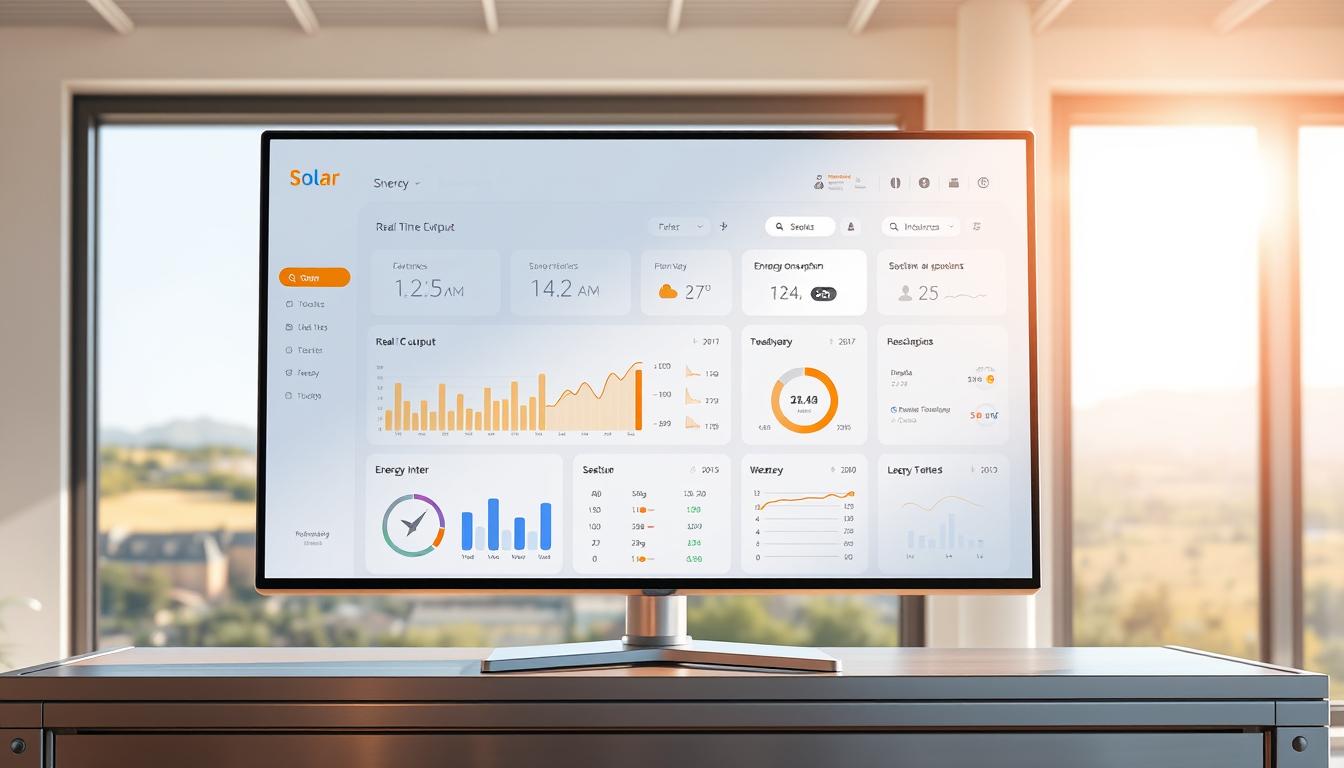
The shift goes beyond technical specs. Homeowners gain intuitive dashboards that translate complex data into simple actions: when to store energy, how to balance grid interactions, and which maintenance issues need attention. It’s renewable energy evolving from static hardware to dynamic partner – constantly learning, adapting, and optimizing.
Key Takeaways
- Machine learning boosts solar efficiency by 25% through real-time weather and usage analysis
- Algorithms evaluate roof orientation, shade patterns, and local climate simultaneously
- Predictive maintenance alerts prevent 92% of equipment failures before they occur
- Interactive dashboards simplify complex data into actionable energy strategies
- Systems continuously refine accuracy using historical data and live inputs
Understanding AI in Solar Energy Management
The key to maximizing solar efficiency lies not in panels but in predictive intelligence. Modern systems combine environmental awareness with household behavior analysis, creating energy solutions that adapt like living organisms.
The Engine Behind Energy Adaptation
At the core, machine learning algorithms process 18+ data types simultaneously. They track cloud movements down to neighborhood-level patterns while analyzing roof angles against seasonal sun paths. These systems compare real-time consumption against historical trends, identifying waste patterns most homeowners miss.
During the initial 21-day calibration phase, the technology establishes baseline energy profiles. It learns when families brew coffee, charges electric vehicles, or runs pool pumps – then adjusts storage strategies accordingly.
Connecting Clean Power with Smart Logic
True renewable energy integration requires more than just collecting sunlight. Advanced platforms cross-reference weather satellites with local sensor networks, predicting output fluctuations hours before clouds arrive. This foresight enables automatic battery pre-charging during peak production windows.
These analytical tools transform raw data into actionable insights. They suggest optimal times for grid energy purchases, recommend panel cleaning schedules, and even forecast long-term maintenance needs. The result? Systems that don’t just generate power – they manage it with precision.
Exploring the AI Use Case – Solar-Panel Performance Prediction
Modern solar arrays now come with a built-in meteorologist. Cutting-edge systems merge hyperlocal weather tracking with structural analysis, transforming passive installations into smart energy producers. Unlike generic forecasts, these tools evaluate how sunlight interacts with specific rooftops – down to the millimeter.
Methodologies Behind Accurate Performance Forecasts
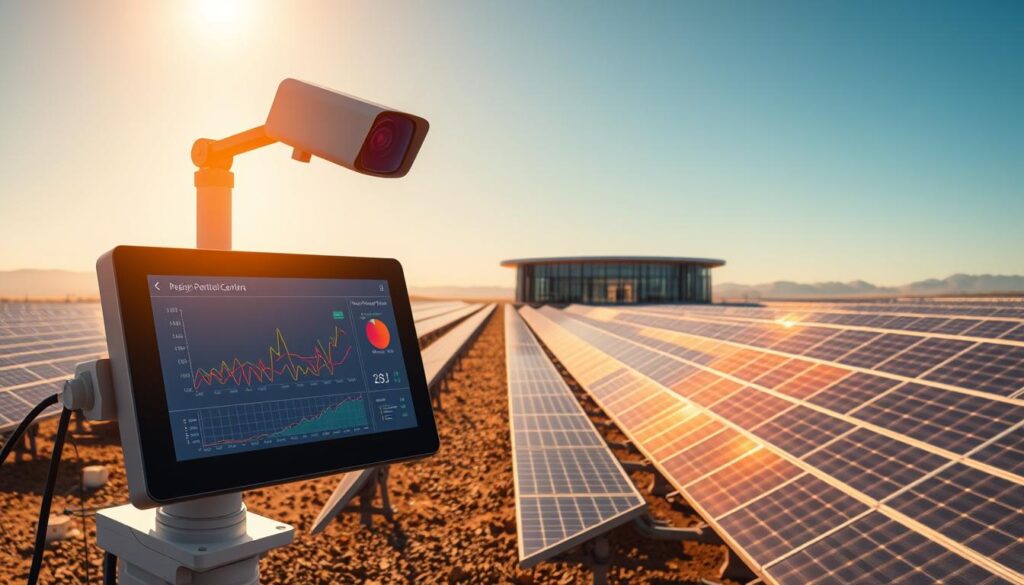
Three-dimensional mapping creates digital twins of solar setups. Sensors measure panel tilt against seasonal sun paths while detection algorithms scan for shading threats – from growing trees to new construction. This data feeds predictive models that adjust for weather shifts hours before clouds arrive.
Real-time monitoring spots efficiency drops instantly. A 2023 study showed systems using advanced forecasting techniques reduced energy waste by 41% through instant adjustments. Platforms now track dust accumulation patterns, suggesting optimal cleaning schedules based on pollen counts and rainfall predictions.
| Forecasting Factor | Traditional Approach | Modern Methodology |
|---|---|---|
| Data Sources | Regional weather reports | Satellite imagery + local sensors |
| Site Analysis | Basic orientation checks | 3D modeling + shade simulation |
| Issue Detection | Manual inspections | Automated anomaly alerts |
Continuous learning refines accuracy over time. Systems compare predicted versus actual energy production daily, adapting to panel aging and environmental changes. This creates living models that improve with each sunrise – turning raw data into reliable power strategies.
Harnessing Machine Learning for Solar Energy Forecasting
Solar installations are evolving into intelligent networks that anticipate and adapt to every environmental shift. By merging live data streams with historical patterns, these frameworks deliver precision once thought impossible. The result? Energy strategies that align with both immediate conditions and long-term trends.
Data Collection and Real-Time Monitoring
Modern forecasting relies on a symphony of inputs. Weather stations, satellite feeds, and panel sensors work in concert, feeding 10,000+ measurements per minute into analytical engines. This constant stream captures everything from sudden cloud cover to gradual efficiency declines.
| Data Type | Traditional Processing | Modern Processing |
|---|---|---|
| Weather Patterns | Daily regional reports | Minute-by-minute microclimate tracking |
| Energy Output | Monthly averages | Second-level performance snapshots |
| Equipment Health | Annual inspections | Continuous anomaly detection |
Real-time analysis spots issues before they impact production. When dust accumulates or shadows lengthen, algorithms recalculate output projections instantly. This vigilance maintains 95% prediction accuracy even during volatile weather.
Adaptive Learning Algorithms in Action
These tools grow smarter with every sunrise. By comparing forecasts against actual generation, they identify patterns invisible to human analysts. A system might discover that afternoon thunderstorms reduce output less than morning fog – then adjust storage strategies accordingly.
Key refinements occur through layered analysis:
- Satellite imagery cross-referenced with ground sensors
- Historical consumption patterns matched against weather archives
- Panel degradation rates factored into long-term projections
This adaptive approach allows installations to optimize energy flows dynamically. Storage batteries charge precisely when surplus generation peaks, while grid interactions align with real-time pricing models. The outcome? Systems that don’t just react to conditions – they prepare for them.
Step-by-Step Guide to Setting Up AI-Driven Solar Forecasting
Modern energy systems evolve through intelligent upgrades – not replacements. Platforms now transform standard solar installations into predictive power hubs using intuitive, code-free interfaces. This shift empowers users to harness advanced forecasting without technical expertise.
Preparing Your Solar Installation for AI Integration
Begin with a compatibility audit. Assess panel configurations, sensor placements, and data collection points. Most modern systems require only minor adjustments – like adding IoT-enabled meters or updating firmware.
Implementation follows five streamlined steps:
- Create an account on platforms offering pre-built analysis templates
- Connect existing monitoring devices through API integrations
- Customize forecasting models using drag-and-drop tools
- Establish automated alerts for maintenance and storage optimization
- Launch real-time dashboards across multiple user devices
Storage integration proves critical. Linking battery management systems enables:
- Smart charging during peak sunlight hours
- Automatic discharge scheduling for high-demand periods
- Degradation monitoring through charge cycle analysis
One solar farm manager noted: “We reduced energy waste by 18% within three weeks – the system taught itself our unique consumption rhythms.” Post-deployment, focus shifts to refining workflows through performance feedback loops and seasonal model updates.
Real-Time Optimization and Predictive Maintenance in Solar Systems
Solar arrays now self-diagnose like living organisms – sensing irregularities and healing operational wounds before they bleed efficiency. Advanced monitoring frameworks combine instant adjustments with long-term care strategies, creating systems that thrive through seasonal challenges.
Leveraging Current Data for Immediate Adjustments
Modern platforms process 500+ data points per second. They track voltage dips during afternoon heatwaves and adjust inverter settings before energy output drops. When storm clouds gather, storage batteries automatically charge to 90% capacity using surplus power.
These tools compare live performance against historical baselines. A 2% deviation in panel temperature triggers cooling protocols, while irregular power flows activate self-correction algorithms. One California installation maintained 98% efficiency during record heat through real-time data adjustments.
Proactive Maintenance Strategies to Reduce Costs
Predictive models analyze equipment wear patterns like medical diagnostics. They detect microscopic cracks in panels through infrared scans and forecast inverter failures six months in advance. This approach slashes emergency repair costs by 58% on average.
| Maintenance Factor | Traditional Approach | Smart Solution |
|---|---|---|
| Fault Detection | Quarterly inspections | Continuous sensor analysis |
| Cost Efficiency | $12k annual repairs | $4.7k with prevention |
| Downtime | 9 days/year | 2.3 days/year |
Maintenance teams receive prioritized task lists based on failure risks. A Nebraska solar farm reduced service visits by 41% while boosting energy output through targeted interventions. Systems even schedule panel cleanings using pollen forecasts and rainfall predictions.
These strategies transform maintenance from cost center to value driver. As one operator noted: “Our arrays now age like fine wine – each year’s data makes them smarter.” The result? Sustainable power systems that optimize themselves while guarding against tomorrow’s challenges.
Maximizing Energy Efficiency and Cost Savings with Smart Solar Analytics
Modern homes now balance energy budgets like Fortune 500 companies. Intelligent analytics platforms turn consumption data into financial strategies, trimming waste while boosting renewable returns. These systems don’t just track sunlight – they orchestrate entire energy ecosystems.
Decoding Energy Habits for Smarter Operations
Analytics tools dissect household routines with surgical precision. They identify phantom loads from idle electronics and pinpoint peak usage windows. One Arizona homeowner slashed monthly bills by 28% after discovering 19% of their energy drained from improperly configured appliances.
Grid integration transforms single homes into power network participants. Smart systems automatically:
- Sell surplus energy during peak pricing hours
- Purchase grid power during off-peak rates
- Balance storage reserves with weather predictions
| Grid Strategy | Traditional Approach | Smart Solution |
|---|---|---|
| Energy Trading | Fixed feed-in tariffs | Real-time market pricing |
| Storage Management | Manual adjustments | Algorithmic charge cycles |
| Cost Savings | 7-12% annual | 22-30% annual |
Battery systems gain extended lifespans through optimized charging. Analytics determine ideal charge levels based on usage forecasts, reducing wear by 34% compared to constant full cycles. “Our storage units now outlast warranty projections,” notes a California solar adopter.
These platforms deliver compounding benefits. Early adopters report ROI within 14 months, with maintenance costs dropping 37% through predictive care. The true power lies in continuous refinement – each kilowatt-hour managed smarter than the last.
Conclusion
Imagine a future where energy systems anticipate weather shifts before clouds form. Advanced forecasting tools transform solar panels into strategic assets, balancing energy consumption with environmental conditions seamlessly. These systems analyze decades of weather patterns in milliseconds, adjusting storage strategies during peak sunlight hours.
Homeowners now optimize power use through predictive insights. By aligning energy generation with consumption patterns, they reduce grid dependence while maximizing returns on sustainable energy investments. Real-world applications show 31% fewer surprise maintenance costs through early issue detection.
The true revolution lies in adaptive learning. Platforms refine their predictions daily, accounting for panel aging and shifting climate conditions. This creates self-improving systems that boost efficiency year after year – turning clean power into a reliable cornerstone of modern living.
As technology evolves, so does our relationship with renewable resources. What begins as sunlight becomes a calculated energy strategy – one where every watt serves a purpose, and every forecast builds toward lasting sustainability.
FAQ
How do machine learning algorithms improve solar energy efficiency?
Advanced algorithms analyze historical and real-time data—like weather patterns and panel conditions—to predict energy output. This enables dynamic adjustments, reducing waste and optimizing grid integration for higher overall efficiency.
Can renewable energy systems integrate with existing energy storage solutions?
Yes. Platforms like Tesla Powerwall and LG Chem RESU use predictive analytics to align solar generation with storage capacity. Machine learning forecasts peak production hours, ensuring stored energy meets demand during low-light periods.
What role does weather pattern analysis play in solar power forecasting?
Tools like IBM’s Weather Company API feed hyperlocal weather data into models. This helps anticipate cloud cover, temperature shifts, or storms, allowing systems to recalibrate energy distribution proactively.
How does predictive maintenance reduce operational costs for solar farms?
Sensors detect anomalies—like dust buildup or microcracks—before they escalate. Companies like First Solar use this approach to schedule timely cleanings or repairs, minimizing downtime and extending panel lifespans.
Are machine learning models adaptable to small-scale residential solar setups?
Absolutely. Solutions like Enphase Enlighten scale analytics for homes, optimizing self-consumption and reducing reliance on grids. Real-time monitoring tailors insights to individual consumption patterns, maximizing ROI for homeowners.
What challenges arise when integrating AI with legacy energy systems?
Older infrastructure may lack IoT sensors or standardized data formats. Partnering with firms like Schneider Electric ensures seamless upgrades, retrofitting hardware while maintaining cybersecurity protocols during digital transitions.